Using Sodium Hypochlorite Safely: A Practical Guide for UK Exterior Cleaning Professionals
Using sodium hypochlorite safely means understanding what it is, where it is suitable, how to control the risks, and how to apply it responsibly on real exterior cleaning jobs. In professional softwashing, sodium hypochlorite is commonly used to treat organic growth such as algae, mould, lichen staining and black or green biological contamination. It can be highly effective, but it must be handled with proper PPE, COSHH awareness, risk assessment, controlled application methods, correct dilution, surface testing, plant protection and responsible storage.
For UK exterior cleaning contractors, property maintenance teams, facilities managers and serious DIY users, the key safety rule is simple: treat sodium hypochlorite as a professional chemical, not as ordinary household bleach. It is a strong oxidising alkaline chemical and can damage skin, eyes, clothing, plants, metals and sensitive surfaces if misused. It can also release hazardous gas if mixed with incompatible chemicals, especially acids.
This guide explains how to use sodium hypochlorite safely in exterior cleaning, where it is useful, where it is not the right choice, and how to reduce risks on site while following UK best practice.
What Is Sodium Hypochlorite?
Sodium hypochlorite is a chlorine-based chemical widely used for disinfection, sanitising and softwashing. In exterior cleaning, it is often supplied as a stronger professional-grade solution than household bleach and then diluted to a suitable working strength for the task.
In practical softwashing, sodium hypochlorite works by oxidising organic soiling. This makes it useful for treating biological growth and staining on many external surfaces, including render, stone, concrete, paving, cladding and some roof materials. However, it is not a universal cleaner. It does not remove every type of stain, and it should not be relied upon for oil, rust, tannin, lead staining or heavy mineral deposits.
Before using any chemical, contractors should understand the chemistry, intended use, compatibility and limitations. SoftWash UK’s Knowledge Centre article on softwashing chemicals is a useful starting point for understanding how sodium hypochlorite compares with other professional softwash chemicals.
Why Sodium Hypochlorite Is Used in Softwashing
Sodium hypochlorite is popular in softwashing because it quickly attacks organic growth and can produce visible results without relying on high-pressure washing. This is especially useful on delicate surfaces where aggressive pressure can cause damage.
Common real-world applications
- Cleaning green algae from render and painted exterior walls.
- Reducing black organic staining on masonry, paving and concrete.
- Treating biofilm on commercial cladding and exterior facades.
- Softwashing patios, paths and driveways where organic contamination is present.
- Pre-treating surfaces before low-pressure rinsing.
- Improving external appearance for property maintenance programmes.
On many sites, the appeal is that softwashing can reduce the need for aggressive pressure. For example, a facilities manager dealing with green staining on composite cladding may prefer a controlled low-pressure chemical clean rather than risking water ingress or surface scarring from high-pressure jetting.
The Main Risks of Sodium Hypochlorite
Sodium hypochlorite is useful, but it is not forgiving when handled carelessly. The most common incidents in exterior cleaning usually involve splashes, poor mixing practice, inadequate plant protection, damaged metals, uncontrolled overspray or lack of site controls.
| Risk | What Can Happen | Best-Practice Control |
|---|---|---|
| Skin and eye contact | Burns, irritation or serious eye injury | Wear suitable chemical-resistant gloves, eye protection or face shield, long sleeves and appropriate footwear. |
| Mixing with acids | Release of dangerous chlorine gas | Never mix sodium hypochlorite with acids, descalers, rust removers, vinegar or unknown chemicals. |
| Plant damage | Scorched leaves, root damage or plant death | Pre-wet vegetation, cover sensitive plants where appropriate, control runoff and rinse thoroughly. |
| Metal corrosion | Staining, dulling or accelerated corrosion | Identify metals before work, protect vulnerable fixtures and rinse compatible surfaces promptly. |
| Public exposure | Contact with spray, fumes or wet treated areas | Use signage, barriers, exclusion zones and safe working procedures. |
| Surface incompatibility | Discolouration, marking or material degradation | Carry out test patches and follow product guidance before proceeding. |
UK Safety Responsibilities: COSHH, RAMS and SDS
In the UK, professional users should not treat sodium hypochlorite as an informal cleaning product. Contractors and facilities teams should work under suitable health and safety controls, including COSHH assessment, risk assessment, method statement and access to the relevant Safety Data Sheet.
Key documents you should have before using sodium hypochlorite
- Current Safety Data Sheet for the product being used.
- COSHH assessment covering hazards, exposure routes and controls.
- Risk assessment for the site, public interface, access, slips, overspray and runoff.
- Method statement explaining how the job will be carried out safely.
- Emergency procedure for spills, splashes and accidental exposure.
- PPE requirements and first aid information.
For contractors who need a structured starting point, SoftWash UK supplies a Risk Assessment and Method Statement pack for exterior cleaning. It is particularly useful when you need to demonstrate a professional approach to clients, facilities managers, commercial landlords or principal contractors.
For more advanced compliance resources, the HSE Soft Washing Full Collection can help contractors build better documentation and safer working systems around chemical exterior cleaning.
Choosing the Right Sodium Hypochlorite Product
Professional sodium hypochlorite products are typically stronger than supermarket bleach and should be sourced from reputable suppliers who provide proper labelling, handling guidance and SDS documentation. Contractors should avoid unlabelled, unknown or poorly stored chemical stock.
What to look for when buying sodium hypochlorite
- Clear product strength and intended use.
- Professional supplier support and documentation.
- Correct packaging suitable for transport and storage.
- Batch freshness, because sodium hypochlorite degrades over time.
- Compatibility with your equipment and method.
- Availability of SDS and safe-use guidance.
SoftWash UK supplies Sodium Hypochlorite for Soft Washing 14% to 15% for professional exterior cleaning users who understand correct dilution, PPE, site controls and responsible application.
Dilution and Mixing: The Rules That Prevent Most Accidents
Dilution should always be based on the product label, SDS, surface type, level of contamination and professional judgement. The safest principle is to use the lowest effective working strength for the task rather than assuming stronger is better.
Safe mixing principles
- Only dilute sodium hypochlorite with water and compatible softwash additives.
- Never mix with acids, acidic cleaners, rust removers, vinegar, ammonia or unknown chemicals.
- Add chemicals slowly and avoid splashing.
- Mix outdoors or in a well-ventilated area.
- Use clearly labelled containers.
- Do not mix more product than you reasonably need for the job.
- Keep lids secure and containers upright.
- Never store mixed solutions in drink bottles or unmarked containers.
If you are using a softwash surfactant, check that it is designed for softwashing and compatible with sodium hypochlorite. A suitable surfactant helps the solution cling to vertical surfaces, improves wetting and can reduce runoff when used correctly. SoftWash UK’s Clever Wash Surfactant is designed for professional softwashing applications and can be useful where better dwell time and surface contact are needed.
Step-by-Step: How to Use Sodium Hypochlorite Safely on Site
1. Survey the surface and surroundings
Before opening a chemical container, inspect the job properly. Identify the surface material, biological growth, stains, nearby metals, painted areas, lead flashing, copper, aluminium, glass, plants, ponds, drains, public access and neighbouring properties.
Look for hidden risks. On a domestic render clean, for example, sodium hypochlorite overspray may drift onto an aluminium garage door, powder-coated window frames, decorative planting or a neighbour’s car. On a commercial site, you may have air intakes, pedestrians, staff entrances and delivery routes to manage.
2. Decide whether sodium hypochlorite is suitable
Sodium hypochlorite is excellent for many organic stains, but it is not always the right tool. Rust, oil, efflorescence, tannin staining and some mineral deposits need different chemistry. If the staining is not organic, using stronger sodium hypochlorite will usually waste time and increase risk.
| Problem | Is Sodium Hypochlorite Usually Suitable? | Professional Note |
|---|---|---|
| Green algae on render | Yes, often suitable | Test first, protect plants and control runoff. |
| Black organic staining on paving | Often suitable | May need dwell time and repeat treatment rather than pressure alone. |
| Rust stains | No | Use a suitable rust treatment, not sodium hypochlorite. |
| Oil stains on driveways | No | Use a degreasing or oil stain removal process. |
| Biological roof staining | Sometimes, with care | Consider roof material, runoff, access, gutters and environmental controls. |
| Long-term biocidal treatment | Not always the best option | Biocides such as DDAC may be more suitable in certain maintenance plans. |
For longer-term biocidal cleaning programmes, it is also worth understanding DDAC and how it differs from sodium hypochlorite in professional softwashing.
3. Prepare your RAMS and site controls
Set out your exclusion zone, signage, barriers, access points and overspray controls. Confirm who is on site and who could be affected by the work. On commercial premises, liaise with the site contact so doors, windows, ventilation intakes and sensitive areas can be managed before application begins.
4. Wear suitable PPE
PPE should be selected from the SDS and COSHH assessment, but typical sodium hypochlorite work may require chemical-resistant gloves, eye protection, face protection, long sleeves, waterproof footwear and suitable protective clothing.
Do not rely on ordinary work gloves or sunglasses. In real-world softwashing, most small incidents happen during pouring, mixing, hose changes, blocked nozzles or rinsing equipment, not during the most visible part of the clean.
5. Protect plants, metals and sensitive surfaces
Pre-wet nearby vegetation before application. This reduces absorption and gives you a better margin of safety. Where plants are valuable or sensitive, consider physical sheeting, root-zone protection, controlled application, lower working strength, manual methods or an alternative approach.
Rinse compatible metals and surfaces promptly where there is any risk of contact. Pay close attention to door furniture, railings, signage, light fittings, aluminium trims, lead flashing, copper detailing and stainless steel fixtures.
6. Apply at low pressure with controlled equipment
Sodium hypochlorite in softwashing should be applied in a controlled way, not blasted around the site. Low-pressure application helps reduce surface damage and overspray. Choose equipment designed for chemical compatibility and rinse it properly after use.
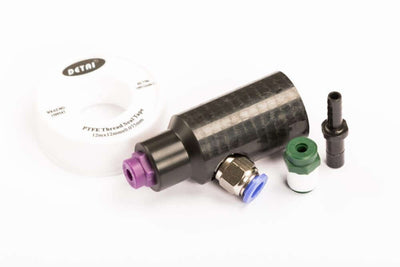
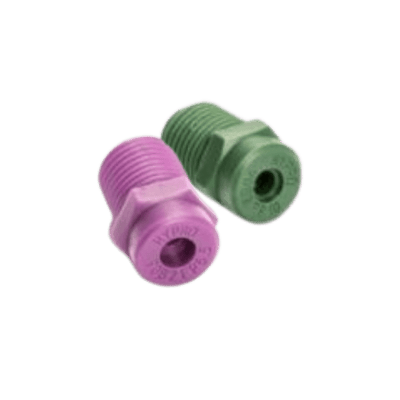
SoftWash UK supplies professional soft washing equipment suitable for controlled application methods. Choosing the right chemical-resistant hose, pump, nozzle and fittings is not just about convenience; it helps reduce leaks, failures and uncontrolled exposure.
7. Allow controlled dwell time
Dwell time is the period the solution remains active on the surface. Too little dwell time may give poor results, while excessive dwell time can increase the risk of streaking, drying, plant damage or surface issues. Keep the surface under observation and never walk away from an active chemical application on a live site.
8. Rinse, neutralise or leave according to the method
Some softwashing processes require rinsing; others may involve leaving a biocide to work over time. Sodium hypochlorite applications are commonly rinsed when appropriate, especially where there are metals, glass, plants, public contact areas or sensitive finishes nearby. Follow the product guidance and your method statement.
9. Manage runoff and clean down properly
Control where rinse water and runoff go. Avoid allowing chemical solution to enter ponds, watercourses or sensitive drainage routes. Flush equipment, rinse containers externally, check the site for residue and remove signage only when surfaces are safe for normal use.
Common Mistakes When Using Sodium Hypochlorite
Using it too strong
Stronger does not automatically mean better. It often means more risk, more odour, more plant stress and greater chance of damaging sensitive surfaces. Experienced contractors usually aim for the lowest effective strength and controlled dwell time.
Failing to do a test patch
A small test area can prevent a large complaint. Always test when dealing with painted surfaces, older render, coloured paving, natural stone, coated metals or unfamiliar materials.
Mixing incompatible chemicals
This is one of the most serious mistakes. Sodium hypochlorite must never be mixed with acids or ammonia-based products. Chlorine gas exposure can be dangerous and should be treated as an emergency.
Ignoring wind drift
A calm start to the day can become a risky application if the wind changes. Overspray can travel onto cars, windows, gardens, neighbouring buildings and pedestrians. Stop work if conditions become unsuitable.
Not protecting plants properly
Plant protection is not a quick splash with a hose at the end. Good practice usually means pre-wetting, controlled application, monitoring, rinsing and sometimes physical protection. High-value planting near the work area should be discussed with the client before the job starts.
Using sodium hypochlorite for every stain
Sodium hypochlorite is not a cure-all. Oil, rust and mineral staining need different products and processes. Misdiagnosing the stain leads to poor results and unnecessary chemical exposure.
Myths About Sodium Hypochlorite in Exterior Cleaning
Myth: Sodium hypochlorite is just bleach, so it is harmless
Professional sodium hypochlorite can be far stronger than household bleach. It can cause burns, eye injury and material damage. It should be stored, handled and applied as a professional chemical.
Myth: Pressure washing is always safer than chemical cleaning
Not always. High-pressure washing can damage render, force water behind cladding, scar timber, open joints and disturb fragile surfaces. A controlled softwash may be safer for the surface when carried out correctly.
Myth: If a little works, more will work better
Over-application increases risk and can cause preventable damage. Proper diagnosis, dilution, surfactant selection, dwell time and rinsing normally matter more than strength alone.
Myth: Rain will rinse everything away
Relying on rain is poor practice when chemical contact could affect plants, metals, glass, public walkways or drainage. Contractors should control their own rinse-down and site finish.
When Sodium Hypochlorite May Not Be the Best Choice
There are situations where sodium hypochlorite should be avoided or used only with specialist controls. These include poorly maintained metal surfaces, sensitive natural stone, some coloured surfaces, areas close to aquatic life, enclosed spaces with limited ventilation, or works where public exclusion is not possible.
In these cases, consider alternative cleaning methods, different chemistry, staged treatment, manual removal, steam, controlled pressure washing or a non-chlorine biocidal treatment depending on the surface and objective. The softwashing chemistry and equipment hub is a useful resource for comparing methods and understanding how different chemicals and tools fit into professional exterior cleaning.
Training: Why Practical Knowledge Matters
Sodium hypochlorite safety is not just about reading a label. Contractors need to understand site assessment, chemical compatibility, surface behaviour, dilution control, PPE, public protection, runoff management and how to explain the method to clients. This is where structured training can prevent expensive mistakes.
If this is an area you want to understand properly, you can start by accessing the free SoftWash UK course preview. It includes selected lessons from the full training course and is designed to help contractors see whether professional softwashing training is the right next step.
Best-Practice Checklist Before Every Sodium Hypochlorite Job
- Confirm the stain is organic and sodium hypochlorite is suitable.
- Read the SDS and product label before use.
- Complete a risk assessment, COSHH assessment and method statement.
- Inspect plants, metals, drainage, neighbouring property and public access.
- Carry out a test patch on sensitive or unfamiliar surfaces.
- Use suitable PPE for mixing, application and rinsing.
- Mix only with water and compatible additives.
- Use controlled low-pressure application equipment.
- Monitor dwell time and weather conditions.
- Rinse, neutralise or complete the job according to the method and surface needs.
- Clean down equipment and store chemicals securely.
- Record any issues, client instructions or site-specific precautions.
FAQ: Using Sodium Hypochlorite Safely
Is sodium hypochlorite safe for softwashing?
Sodium hypochlorite can be used safely in softwashing when handled by trained or competent users who follow SDS guidance, wear suitable PPE, complete risk assessments, use correct dilution, protect plants and control overspray. It becomes unsafe when treated casually, mixed incorrectly or applied without site controls.
What PPE should I wear when using sodium hypochlorite?
PPE should be selected from the SDS and COSHH assessment. Common PPE includes chemical-resistant gloves, eye protection, face protection where splashing is possible, long sleeves, protective clothing and suitable footwear. Ordinary gardening gloves and basic glasses are not adequate for professional chemical handling.
Can I mix sodium hypochlorite with other cleaners?
Only mix sodium hypochlorite with water and additives specifically designed and confirmed as compatible for softwashing. Never mix it with acids, vinegar, descalers, rust removers, ammonia or unknown chemicals. Mixing incompatible chemicals can release dangerous gases.
Will sodium hypochlorite damage plants?
Yes, it can damage plants if poorly controlled. Best practice includes pre-wetting vegetation, covering sensitive plants where appropriate, avoiding overspray, controlling runoff and rinsing thoroughly. Valuable planting should be assessed before work starts and may require additional protection or an alternative method.
Does sodium hypochlorite remove black spot from patios?
It can be effective on some organic black staining, but results depend on the surface, severity, porosity and previous treatments. Heavy contamination may need staged treatment, dwell time and careful rinsing. Always test first, especially on natural stone or coloured paving.
How should sodium hypochlorite be stored?
Store it upright in its original labelled container, away from heat, sunlight, acids, metals and incompatible chemicals. Keep it secure from children, unauthorised persons and accidental impact. Sodium hypochlorite degrades over time, so avoid keeping old stock longer than necessary.
Can serious DIY users use sodium hypochlorite?
Serious DIY users should only use sodium hypochlorite if they understand the risks, read the SDS, wear proper PPE and can control plants, pets, people, runoff and nearby surfaces. For large, high-level, commercial or sensitive jobs, professional training or hiring a competent contractor is the safer option.
Conclusion: Sodium Hypochlorite Is Effective, But Only When Controlled
Sodium hypochlorite is one of the most useful chemicals in professional exterior cleaning, but it demands respect. Used correctly, it can reduce organic staining, improve building appearance and allow low-pressure cleaning methods that protect delicate surfaces. Used carelessly, it can damage property, harm plants, create hazardous fumes and expose people to unnecessary risk.
The safest approach is to diagnose the surface properly, use the lowest effective strength, follow SDS guidance, complete COSHH and RAMS documentation, protect the work area, apply with controlled equipment and invest in practical training. This is the difference between casual chemical use and professional softwashing.
SoftWash UK supports contractors, facilities teams and property maintenance professionals with professional softwashing chemicals, compatible equipment, safety documentation and training resources. If you are developing your softwashing knowledge or improving your chemical safety systems, explore the SoftWash UK Knowledge Centre, review suitable products and build safe working practices before your next job.