How Professional Contractors Save Time on Site
Professional contractors save time on site by planning the job before arrival, using the right equipment, preparing chemicals and access methods correctly, working to a repeatable system, and reducing avoidable downtime. In exterior cleaning and softwashing, the biggest time savings rarely come from rushing. They come from better surveys, clear RAMS, efficient van setup, controlled application methods, correct dwell times, and knowing when softwashing, pressure washing or manual preparation is the most appropriate method.
For UK exterior cleaning contractors, property maintenance teams, facilities managers and serious DIY users, time on site directly affects profit, safety, customer satisfaction and job quality. A contractor who loses an hour setting up, hunting for fittings or reworking missed areas can quickly turn a profitable day into a poor one. The professionals who consistently finish on time tend to have one thing in common: they run each job like a process, not a guess.
Why Saving Time on Site Matters
Time efficiency is not just about fitting more jobs into the diary. It affects almost every part of an exterior cleaning operation, including pricing, safety, customer communication and the finished result.
- Profitability: If a job is priced for six hours but takes nine, the margin disappears quickly.
- Customer experience: Turning up prepared and working efficiently builds confidence with homeowners, commercial clients and facilities managers.
- Safety: A planned job usually involves fewer rushed decisions, fewer unnecessary ladder movements and better control of chemical application.
- Quality: Efficient contractors do not skip steps; they remove waste from the process so the important steps are done properly.
- Repeatability: A clear system helps staff, subcontractors and teams deliver consistent results across multiple sites.
In softwashing, saving time also means understanding the surface, the contamination and the correct treatment before you start. A render clean affected by red algae is not the same as a moss-covered roof, a slippery commercial walkway, or a timber deck with weathering and organic growth. Each task needs a different approach.
The Biggest Time Wasters on Exterior Cleaning Jobs
Most delays on site are predictable. They usually happen before the operator even starts cleaning. From experience, the following issues cause more lost time than the cleaning itself.
| Time Waster | Typical Cause | How Professionals Avoid It |
|---|---|---|
| Missing fittings, nozzles or PPE | Poor van organisation and no pre-start checklist | Use standardised kit boxes, daily checks and “return to place” storage |
| Unclear scope of work | Weak quoting process or no site survey notes | Photograph areas, confirm exclusions and agree access requirements in writing |
| Wrong cleaning method | Assuming everything needs pressure washing | Assess surface type, soiling and sensitivity before choosing softwash, pressure wash or manual prep |
| Rework and missed areas | No logical cleaning sequence | Work top-down, divide elevations into zones and check each area before moving on |
| Chemical delays | Mixing, measuring or adjusting on site without a system | Prepare safely, calculate coverage and keep compliant documentation available |
| Access problems | Locked gates, parked vehicles, blocked gutters or unavailable water supply | Confirm access and services before attending |
Start Saving Time Before You Arrive
The best contractors reduce site time during the survey and quoting stage. A ten-minute improvement in planning can save an hour on site, especially on commercial properties, schools, care homes, retail parks and managed residential blocks.
Carry Out a Practical Pre-Job Survey
A survey should do more than identify what looks dirty. It should tell you how the job will actually be completed. For exterior cleaning and softwashing, the survey should record:
- Surface type, such as render, roof tile, concrete, brick, cladding, timber, uPVC or natural stone.
- Type of contamination, including algae, lichen, moss, black staining, oil, rust, lead staining or general atmospheric soiling.
- Approximate square meterage and areas requiring special care.
- Water availability and distance from working area.
- Drainage routes, landscaping, ponds, lawns and planting.
- Access limitations, parking, working height and pedestrian movement.
- Fragile surfaces, electrical points, vents, open windows and neighbouring properties.
- Any requirement for out-of-hours work, permits or client inductions.
Photographs are particularly valuable. They help you price accurately, brief staff and avoid arguments about existing damage. They also help the team understand what to expect before the vehicle leaves the yard.
Quote for the Method, Not Just the Area
Two 100 m² jobs can take very different lengths of time. A flat, open concrete yard with easy drainage is not the same as 100 m² of delicate rendered elevation above planted borders. Professionals price according to method, risk and logistics, not only square meterage.
When quoting, factor in:
- Set-up and pack-down time.
- Protection of plants, metals, painted surfaces or sensitive materials.
- Manual moss removal or scraping where required.
- Dwell time for softwashing chemistry.
- Rinsing, neutralising or post-treatment where appropriate.
- Travel, parking and water supply issues.
- Waste, runoff and compliance considerations.
This is where many newer contractors lose time. They price the cleaning, but forget the preparation.
Use a Repeatable Site Workflow
A repeatable workflow is one of the simplest ways to save time on site. It reduces decision-making, prevents missed steps and makes team working far smoother.
A Practical Step-by-Step Site System
- Arrive and confirm scope: Walk the site with the client or responsible person where possible. Confirm boundaries, exclusions and any changes since quote.
- Complete a dynamic risk assessment: Check weather, access, public movement, trip hazards, fragile surfaces, electrical risks and runoff routes.
- Set up exclusion zones: Use cones, signage, barriers or tape where required, particularly on commercial sites or areas used by the public.
- Protect sensitive areas: Pre-wet planting, cover delicate items where appropriate, isolate drains if needed and protect metals or surfaces at risk.
- Prepare equipment: Lay hoses logically, check nozzles, test pressure, confirm chemical feed and ensure PPE is worn correctly.
- Work top-down: Clean higher elevations before lower surfaces to avoid contaminating finished areas.
- Work in zones: Treat one defined section at a time, allowing correct dwell time and inspection before moving on.
- Check the result: Inspect from different angles and distances. Many missed areas are only visible when the surface begins drying.
- Rinse or finish as required: Follow the correct process for the product, surface and site conditions.
- Pack down methodically: Account for chemicals, fittings, PPE and waste. Leave the site clean and safe.
This sequence is simple, but it prevents a lot of wasted movement. On larger sites, divide the work into “zones” and complete each zone fully before moving to the next. Avoid jumping around the building unless there is a clear reason, such as shade, wind direction or client access restrictions.
Choose Equipment That Removes Bottlenecks
Equipment should help the operator work safely, consistently and with less physical strain. The wrong equipment does the opposite. It creates extra walking, inconsistent application, unnecessary ladder use and long setup times.
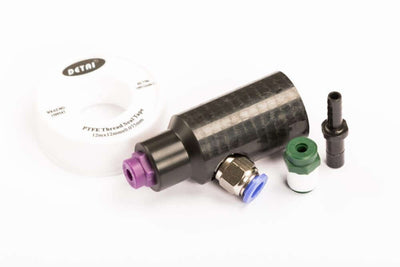
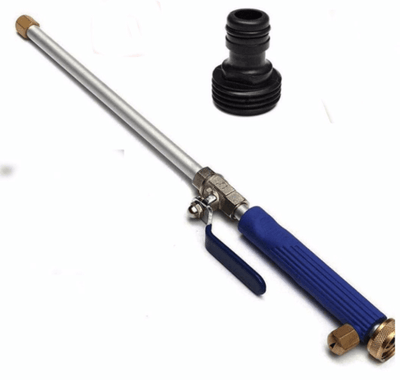
For softwashing and exterior cleaning contractors building an efficient setup, it is worth looking at professional-grade soft washing equipment that suits your typical work rather than buying kit based only on price. A contractor mainly cleaning render will need different priorities from someone regularly treating roofs, commercial cladding or large hardstanding areas.
Equipment Features That Save Time
- Reliable pumps and injectors: Reduce downtime caused by poor chemical feed or inconsistent application.
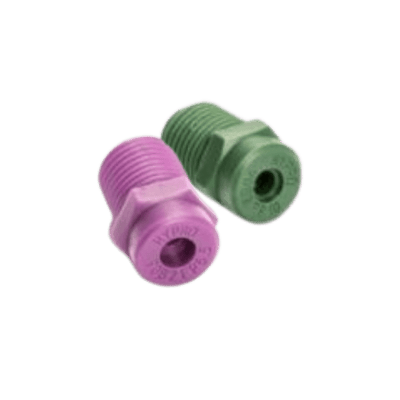
- Correct nozzles: Improve reach, coverage and accuracy without over-applying product.
- Long enough hose runs: Reduce the need to keep moving the vehicle or trolley system.
- Water fed pole compatibility: Helps treat or rinse certain areas from the ground where appropriate.
- Organised reels: Save time during setup and pack-down.
- Spare seals, O-rings and fittings: Prevent small failures becoming lost half-days.
| Approach | Typical Result | Time Impact |
|---|---|---|
| Basic, improvised setup | More movement, more adjustments, inconsistent output | Slower jobs and more mistakes |
| Purpose-built softwash setup | Better control, faster coverage, less downtime | Shorter working time and more consistent finish |
| Overcomplicated setup | Longer setup, more points of failure | Can waste time if not matched to the work |
The aim is not to have the most expensive van setup. It is to have the right setup for the work you actually do.
Chemical Preparation: Save Time Without Cutting Corners
Softwashing saves time when the chemistry, dilution, dwell time and application method are correct. It wastes time when contractors guess strengths, over-apply product, fail to agitate where needed, or use the wrong solution for the contamination.
Professional contractors should source suitable soft wash chemicals and understand how each product should be used, stored, labelled and handled. Always follow the product label, Safety Data Sheet and COSHH assessment. Never mix chemicals unless the manufacturer specifically confirms compatibility and the process is understood.
Why Correct Dwell Time Saves Time
One common mistake is treating softwashing like pressure washing: apply product and instantly expect the result. In many cases, the chemistry needs controlled dwell time. If you rinse too early, the clean may be incomplete. If you leave product unmanaged for too long, you may create unnecessary risk to surrounding materials or vegetation.
Good contractors use dwell time productively. While one section is dwelling, they prepare the next section, manage customer communication, adjust protection, or inspect previous areas. This keeps the job moving without rushing the chemical process.
Do Not Use Stronger Mixes as a Shortcut
A stronger mix is not automatically faster or better. Excessive strength can increase risk to surfaces, plants, metals, clothing, equipment, runoff routes and operators. It can also create complaints, staining or unnecessary odour issues. The professional approach is to use the least aggressive effective method for the surface and contamination, supported by testing and experience.
Safety and Compliance Save Time in the Real World
Some contractors see paperwork as an obstacle. In practice, good compliance reduces delays. On commercial sites, facilities managers often require risk assessments, method statements, COSHH information, insurance details and product documentation before work starts. If those documents are missing, you may lose the job, delay the start or sit in the van waiting for approval.
A structured Risk Assessment and Method Statement pack for exterior cleaning can help contractors present a more professional process and avoid creating RAMS from scratch every time. Documentation still needs to be site-specific, but having a solid framework saves time and improves consistency.
Key Safety Checks That Prevent Delays
- Check weather conditions, especially wind direction and rain risk when applying chemicals.
- Wear suitable PPE for the task, including eye protection, gloves and protective clothing where required.
- Control public access with barriers and signage where necessary.
- Identify drains, watercourses, ponds and planted areas before application.
- Confirm safe storage, transport and labelling of chemicals.
- Brief all operatives on the method before starting.
- Keep SDS and COSHH information accessible.
- Stop and reassess if conditions change.
These checks may take a few minutes, but they can prevent incidents that cost hours, days or a reputation.
Van Organisation: The Hidden Time Saver
A well-organised van is one of the clearest differences between a professional contractor and a reactive one. If two people spend 15 minutes searching for adapters, tape, spare gloves or nozzles at every job, that wasted time adds up quickly over a month.
Practical Van Setup Tips
- Use labelled storage boxes for PPE, nozzles, fittings, testing equipment and spares.
- Keep chemical storage secure, upright and separated as required by product guidance.
- Use a daily departure checklist.
- Carry spare trigger assemblies, O-rings, hose connectors and basic repair items.
- Keep clean and contaminated PPE separate.
- Store paperwork or digital documents in an easy-to-access system.
- Do a five-minute restock at the end of each day rather than discovering shortages in the morning.
The most efficient operators know where everything is. That sounds simple, but it saves a surprising amount of time under pressure.
Communication Saves More Time Than Many Contractors Realise
A large proportion of site delays come from poor communication rather than cleaning difficulty. The client was not told to move vehicles. The gate code was not provided. Windows were left open. Staff had not been informed. The responsible person was off site. These problems are avoidable.
Send a Pre-Visit Message
Before attending, send a short message confirming:
- Date and arrival window.
- Areas to be cleaned.
- Need for vehicle access, water access or clear working space.
- Request for windows and doors to be closed.
- Any pets, outdoor furniture or plant pots that need moving.
- Expected noise, odour or drying considerations.
- Who will be available on site if decisions are needed.
For commercial and facilities work, confirm signing-in arrangements, permit requirements, induction times and restricted working hours. A professional email can save half a day of confusion.
Train the Team to Work the Same Way
Training is one of the strongest long-term time savers. When every operative understands surface assessment, chemical safety, dwell time, application technique, access planning and client communication, jobs run more smoothly. Without training, the business owner often becomes the only person who can make decisions, which slows everything down.
The SoftWash UK training course is designed to help contractors understand professional softwashing methods, safety thinking and practical decision-making. For businesses taking on staff or moving into larger work, structured training helps reduce mistakes and improves consistency on site.
What Trained Operators Usually Do Faster
- Identify the likely cause of staining or biological growth.
- Select a suitable method without unnecessary trial and error.
- Set up and pack down equipment correctly.
- Apply product evenly and avoid waste.
- Recognise when a surface needs testing before full treatment.
- Communicate limitations clearly to the client.
- Work safely around public access, planting, drainage and sensitive materials.
If you want broader educational support, the SoftWash UK Knowledge Hub contains practical guidance for contractors who want to improve their understanding of softwashing, surface cleaning and professional best practice.
Common Myths About Saving Time on Site
Myth 1: Working Faster Means Rushing
The best contractors are not frantic. They are prepared. They reduce wasted motion, avoid repeated setup, and complete work in a logical sequence. Rushing often leads to missed areas, splashes, accidents and call-backs.
Myth 2: Stronger Chemicals Always Save Time
Using stronger chemistry than necessary can create more problems than it solves. It may increase risk, require more protection, produce avoidable complaints and damage sensitive materials. Correct product selection and controlled application are more professional than simply increasing strength.
Myth 3: Paperwork Slows the Job Down
On domestic work, basic documentation helps prevent misunderstandings. On commercial sites, it is often essential. Having RAMS, COSHH and product information ready can be the difference between starting on time and being turned away.
Myth 4: More Equipment Always Means More Efficiency
Too much equipment can slow the job down if it is badly organised or unsuitable. The right equipment, maintained properly and arranged logically, is what saves time.
A Practical Time-Saving Checklist for Contractors
Use this checklist to tighten up your site process:
- Survey the site properly and photograph key areas.
- Confirm access, water, parking and client requirements before arrival.
- Prepare RAMS, COSHH and product documentation where required.
- Use a van checklist before leaving the yard.
- Carry essential spares and PPE.
- Work top-down and in planned zones.
- Use dwell time productively.
- Do not over-apply chemicals to compensate for poor technique.
- Inspect each section before moving on.
- Restock and reset the vehicle at the end of the day.
For contractors who want to build their knowledge before investing in full training, SoftWash UK offers a free course preview with selected lessons from the full training programme. It gives you a practical look at the teaching style, structure and professional approach used inside the course.
Frequently Asked Questions
How can exterior cleaning contractors reduce time on site?
Exterior cleaning contractors can reduce time on site by surveying properly, confirming access before arrival, using the right cleaning method, organising equipment, preparing safety documentation and following a repeatable workflow. The biggest gains usually come from better planning rather than working faster.
Does softwashing save time compared with pressure washing?
Softwashing can save significant time on suitable surfaces and biological contamination because the chemistry does much of the cleaning work. However, it is not always a direct replacement for pressure washing. The correct method depends on the surface, contamination, drainage, safety considerations and desired result.
What documents should contractors have ready for commercial sites?
Commercial clients and facilities managers commonly ask for risk assessments, method statements, COSHH assessments, Safety Data Sheets, insurance details and sometimes training records. Having these documents prepared before the job helps avoid delays at induction or site sign-in.
What is the most common cause of wasted time on cleaning jobs?
The most common cause is poor preparation. Missing equipment, unclear scope, access problems, weak communication and the wrong cleaning method all create delays. A clear pre-job checklist and structured workflow prevent many of these issues.
Can better training really make contractors faster?
Yes. Training helps contractors assess surfaces more accurately, choose suitable methods, handle chemicals responsibly, reduce rework and communicate more clearly. A trained operator is less likely to waste time guessing or correcting avoidable mistakes.
Conclusion: Time Saved on Site Is Built Into the System
Professional contractors save time on site by removing uncertainty. They know the scope, understand the surface, arrive with the right equipment, follow a safe method and work in a logical sequence. They do not rely on rushing, guesswork or stronger chemicals to make up for poor planning.
For UK exterior cleaning contractors, property maintenance professionals and facilities managers, the practical route to saving time is clear: improve surveys, standardise the van, use suitable softwashing equipment and chemicals, maintain strong safety documentation, train the team and review each job afterwards. Small improvements repeated daily create a major advantage over the year.
SoftWash UK supports contractors with professional softwashing chemicals, equipment, training and industry education. If you want to improve efficiency, reduce mistakes and build a more professional exterior cleaning operation, visit SoftWash UK to explore the resources, products and training available for serious contractors.