How to Remove Algae From Driveways: Professional Softwashing Guidance for UK Contractors and Property Teams
To remove algae from a driveway properly, first identify the surface type, clear loose debris, apply a suitable biocidal or softwash treatment at the correct strength, allow enough dwell time, then rinse or pressure wash where appropriate. For long-lasting results, many professionals clean the surface mechanically first and then apply a biocide as a post-treatment to kill remaining biological growth in pores, joints and textured surfaces.
Algae on driveways is more than a cosmetic issue. In the UK climate, shaded and damp driveways can quickly become slippery, especially on block paving, concrete, resin-bound surfaces, tarmac and natural stone. For exterior cleaning contractors, facilities managers and property maintenance teams, the aim is not simply to make the surface look clean on the day. The job is to reduce slip risk, remove organic contamination safely and slow down regrowth without damaging the substrate, killing surrounding plants or creating avoidable chemical run-off problems.
This guide explains how to remove algae from driveways using practical softwashing and exterior cleaning methods, when pressure washing is useful, what chemicals are commonly used, what mistakes to avoid and how to approach the work professionally on domestic, commercial and managed sites.
Why Algae Grows on Driveways
Algae, green biofilm, moss and lichen thrive where moisture, shade and organic dirt are present. Driveways often provide the perfect conditions because they collect soil, leaf litter, tyre residue and standing water. North-facing areas, driveways under trees, poorly drained block paving and surfaces close to lawns are particularly prone to recurring growth.
In practice, algae tends to return faster where:
- The driveway has poor drainage or low spots holding water.
- Overhanging trees, hedges or buildings prevent sunlight from drying the surface.
- Block paving joints are full of organic material.
- The surface is textured, porous or heavily weathered.
- Previous cleaning only removed visible growth but did not treat the spores and remaining biofilm.
- Cleaning was carried out without a suitable biocide or post-treatment.
For contractors, understanding why the algae is there helps with quoting, managing expectations and advising clients. A shaded access ramp at a commercial site, for example, may need planned maintenance rather than a one-off clean every few years.
Softwashing, Pressure Washing or Both?
The best method depends on the driveway surface, the level of contamination and the outcome required. In many real-world driveway jobs, pressure washing and softwashing are complementary rather than opposing methods. Pressure washing removes heavy soiling, silt and weed debris. Softwashing deals with organic growth more deeply and helps delay regrowth.
If you are new to the method, SoftWash UK’s Knowledge Centre explains softwashing in detail, including how low-pressure chemical application is used to clean and sanitise exterior surfaces without relying solely on high-pressure water.
| Method | Best For | Limitations | Typical Driveway Use |
|---|---|---|---|
| Softwashing only | Light to moderate algae, delicate surfaces, low-disruption maintenance | May not remove heavy soil, sand, weeds or thick moss immediately | Post-treatment, maintenance cleans, sensitive surfaces where pressure is risky |
| Pressure washing only | Heavy dirt, compacted silt, moss removal, block paving refurbishment | Can leave living spores behind and may increase regrowth if no treatment is used | Initial deep clean before applying a biocidal treatment |
| Pressure wash plus softwash treatment | Most heavily contaminated driveways needing a durable clean | Requires careful planning, water control and chemical safety | Professional standard approach for many block paving and concrete driveways |
For a fuller comparison, see SoftWash UK’s guide to softwashing vs pressure washing. It is especially useful when explaining to clients why a driveway may need more than a quick blast with a pressure washer.
Before You Start: Assess the Driveway Surface
A good contractor does not treat all driveways the same. The surface type determines the pressure, chemistry, dwell time and rinsing approach.
Block Paving
Block paving commonly holds algae in the joints and textured faces of the blocks. Pressure washing can remove jointing sand, so reinstating kiln-dried sand may be required once the surface is fully dry. A post-treatment is useful because algae often remains in pores and joint lines after washing.
Concrete
Concrete is generally robust, but older or frost-damaged concrete can be friable. Algae may sit in the surface texture and around cracks. Chemical treatment is often effective, but test patches are sensible where the surface is coloured, sealed or decorative.
Tarmac and Asphalt
Tarmac can be damaged by excessive pressure, turbo nozzles and harsh mechanical cleaning. Softwashing can be useful, but chemical selection and strength must be conservative and compatible with the surface. Avoid aggressive pressure and always test first.
Resin-Bound Driveways
Resin-bound surfaces can be sensitive to strong chemicals, high pressure and poor rinsing. Always follow the manufacturer’s guidance. Use low pressure, controlled application and thorough rinsing. A small inconspicuous test area is essential.
Natural Stone
Sandstone, limestone, granite and slate all behave differently. Some stones are sensitive to acid-based products, some stain easily and some are highly porous. Never assume a chemical is safe because it worked on another stone. Identify the stone, test first and avoid mixing products.
Recommended Step-by-Step Process to Remove Algae From a Driveway
The following process reflects a professional workflow suitable for many UK driveway algae removal jobs. Adjust it to the site, surface and product instructions.
1. Survey the Site and Identify Risks
Before unloading equipment, walk the site. Look for drainage points, lawns, planting beds, ponds, metalwork, painted surfaces, electric gates, public footpaths, trip hazards and areas where run-off could enter surface water drains.
On commercial and managed sites, consider pedestrian management, access restrictions and working hours. A slippery entrance to a care home, school or retail unit is not just a cleaning issue; it may be part of a wider slip-risk management plan.
2. Complete a Risk Assessment and Method Statement
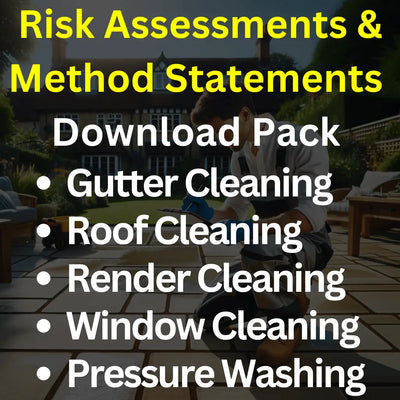
For professional work, prepare suitable RAMS and COSHH assessments before starting. This is particularly important when using biocides, sodium hypochlorite-based solutions or specialist cleaning chemicals. SoftWash UK supplies a practical Risk Assessment and Method Statement pack for exterior cleaning, which can help contractors structure site-specific documentation rather than relying on guesswork.
3. Dry Clean and Clear Loose Material
Brush away leaves, mud, loose moss and debris. Remove objects from the driveway and clear channels or drains where permitted. On block paving, scrape out heavy weed growth before washing. The cleaner the surface before treatment, the better the chemical contact with the algae.
4. Protect Sensitive Areas
Pre-wet nearby plants, lawns and vulnerable surfaces where appropriate. Divert or control run-off. Keep pets, children and pedestrians away from the working area. Protect metals, painted doors, untreated timber, decorative features and water features from overspray.
Do not rely on “it will probably be fine”. Wind can carry mist further than expected, and porous driveway edges can move solution into beds and borders. Professional-looking work often comes down to the preparatory details the client never sees.
5. Apply the Correct Cleaning Treatment
Use a suitable algae removal or softwash solution for the surface and contamination level. Follow the product label, Safety Data Sheet and supplier guidance. SoftWash UK explains the main categories of softwashing chemicals, including where different active ingredients are commonly used and what safety considerations apply.
For many professional exterior cleaning applications, sodium hypochlorite-based softwash solutions are used to treat organic staining and algae. Contractors can source professional-grade sodium hypochlorite for soft washing, but it must be handled with proper PPE, dilution discipline, COSHH awareness and environmental controls. Never mix sodium hypochlorite with acids, ammonia or unknown chemicals.
A surfactant can improve cling and contact time, especially on sloped or textured driveways. Products such as Clever Wash surfactant are used to help the cleaning solution wet the surface more evenly, which can improve results and reduce wastage when used correctly.
6. Allow Suitable Dwell Time
Dwell time is the period the product remains active on the surface. Too little dwell time gives poor results. Too much dwell time, especially in warm or windy conditions, may allow the surface to dry out and increase the risk of marks or residue.
In practice, watch the surface rather than the clock alone. Green algae may darken, fade or visibly break down as the treatment works. Reapply lightly only if the product instructions allow and the surface begins to dry before the treatment has done its job.
7. Rinse, Pressure Wash or Leave as a Managed Treatment
Depending on the product, surface and specification, you may rinse thoroughly, pressure wash after dwell time or leave the treatment to continue working. On domestic driveways, many clients expect a visibly clean finish immediately, so cleaning and rinsing are often required. On some maintenance treatments, especially where only light algae is present, a biocidal treatment may be left to weather naturally if the label permits.
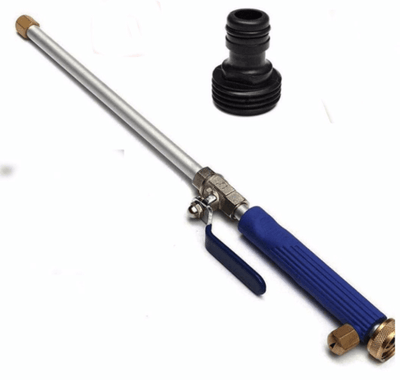
Where pressure washing is used, control the pressure and nozzle choice. Avoid cutting lines into concrete, blasting tarmac aggregate loose or removing excessive jointing material from block paving. Professional soft washing equipment and controlled application tools can help apply treatment evenly without using unnecessary pressure.
8. Re-Sand Block Paving if Needed
If pressure washing removes jointing sand from block paving, allow the driveway to dry fully before brushing in clean kiln-dried sand. Do not re-sand while the joints are wet. Poor re-sanding can leave blocks unstable and encourage weed growth.
9. Apply a Post-Treatment for Longer-Lasting Results
A post-treatment can make a major difference. It targets remaining organic matter in pores, edges and joints after visible dirt has been removed. This is the step many low-cost driveway cleans miss, and it is one reason algae can return quickly after a pressure-only clean.
How long results last depends on shade, drainage, surface porosity, product choice and maintenance. SoftWash UK’s guide on how long does softwashing last gives useful context for setting realistic client expectations.
Choosing the Right Product for Driveway Algae
No single product is right for every driveway. The correct choice depends on the surface material, the type of staining, site risks and whether you need immediate cleaning or longer-term biological control.
| Problem | Likely Cause | Typical Professional Approach | Important Note |
|---|---|---|---|
| Green slippery film | Algae and biofilm | Softwash or biocidal treatment, rinse or pressure wash if required | Post-treatment helps slow regrowth |
| Black or white spots | Lichen colonies | Chemical treatment plus time; may need repeated treatment | Do not promise instant full removal on old lichen |
| Thick moss in joints | Moss and organic debris | Manual removal, pressure washing, then biocidal post-treatment | Re-sanding may be needed on block paving |
| Dark greasy patches | Oil contamination | Specialist degreaser or oil stain remover before general cleaning | Algae treatments are not oil removers |
Where oil staining is present, treating algae alone will not solve the problem. For driveways with vehicle leaks or parking bay stains, a product such as Grenade professional driveway oil stain remover may be more suitable as part of a staged cleaning process before or alongside biological treatment.
Safety and Best Practice When Removing Driveway Algae
Algae removal often looks simple from the outside, but professional standards matter. Chemical misuse can damage property, harm plants, create dangerous fumes or cause environmental problems.
Personal Protective Equipment
Wear PPE appropriate to the product and task. This may include chemical-resistant gloves, eye protection, suitable footwear, protective clothing and respiratory protection where the risk assessment requires it. Always refer to the SDS.
Chemical Handling
- Read the label and Safety Data Sheet before use.
- Use only compatible containers, pumps, hoses and seals.
- Do not mix chemicals unless the manufacturer specifically instructs it.
- Never mix sodium hypochlorite with acids, descalers, ammonia or unknown residues.
- Label all containers clearly.
- Transport chemicals securely and in line with applicable regulations.
Run-Off and Environmental Controls
Plan where wash water and chemical residues will go. On many jobs, preventing uncontrolled run-off is as important as getting the surface clean. Be especially careful around surface water drains, ponds, lawns, planted borders and neighbouring properties.
Public and Client Safety
A treated or wet driveway can remain slippery during the cleaning process. Use barriers, cones or clear communication where pedestrians, residents, staff or visitors could enter the area. On facilities management sites, coordinate with site managers so entrances, delivery routes and fire exits are not compromised.
Common Mistakes When Removing Algae From Driveways
Using Pressure Alone and Expecting Long-Term Results
Pressure washing can make a driveway look clean quickly, but it often leaves biological growth behind in pores, cracks and joints. Without a treatment stage, algae may return rapidly, especially in shaded areas.
Using Too Much Pressure
High pressure can scar concrete, disturb block paving, damage tarmac and break down resin-bound surfaces. The goal is controlled cleaning, not maximum force.
Applying Chemicals Without Pre-Planning
Spraying first and thinking later is a recipe for plant damage, complaints and avoidable risk. Always assess drainage, overspray, adjoining materials and public access before application.
Assuming All Green Staining Is the Same
Algae, moss, lichen, mould, leaf tannins and oil staining require different approaches. Misidentification leads to poor results and wasted chemical.
Promising Permanent Algae Removal
No responsible contractor should promise that algae will never return. The conditions that caused the growth may still exist. A better promise is a professional clean, appropriate treatment and honest maintenance advice.
How to Reduce Algae Regrowth on Driveways
Once the driveway is clean, prevention becomes the next priority. This is especially important for property managers and facilities teams responsible for slip risk and site presentation.
- Improve drainage where possible.
- Cut back overhanging vegetation to increase sunlight and airflow.
- Keep leaves and soil off the driveway.
- Schedule periodic biocidal maintenance treatments.
- Clean high-risk shaded areas before winter.
- Inspect access ramps, bin stores, fire exits and pedestrian routes regularly.
For contractors, maintenance plans can be more valuable to the client than one-off reactive cleans. A commercial entrance cleaned and treated twice a year may remain safer and more presentable than one that is left until complaints start.
Professional Notes for Quoting Driveway Algae Removal
When quoting, avoid pricing purely by square metre without considering complexity. A 40 m² open concrete driveway with good drainage is very different from a 40 m² shaded block paved driveway with heavy moss, poor access, delicate planting and no suitable drainage control.
Consider the following:
- Surface type and condition.
- Degree of algae, moss, lichen and staining.
- Need for pressure washing, softwashing or both.
- Water access and drainage control.
- Plant and property protection.
- Whether block paving needs re-sanding.
- Wastewater management requirements.
- Pedestrian or vehicle access restrictions.
- Documentation required for commercial clients.
Good surveying protects your margin and reduces disputes. If old lichen, oil staining or surface damage is present, photograph it before work and explain what is realistically achievable.
Training and Professional Development
Driveway algae removal can seem straightforward, but the professional skill is in choosing the right method, applying chemistry safely, protecting the site and producing consistent results without damage. This is where structured training helps contractors move beyond trial and error.
If this is an area you want to understand properly, you can start by accessing the free SoftWash UK course preview. It includes selected lessons from the full training course and is designed to help contractors see whether professional softwashing training is the right next step.
Frequently Asked Questions About Removing Algae From Driveways
What is the best way to remove algae from a driveway?
The best method is usually to clear debris, apply a suitable algae-killing softwash or biocidal treatment, allow correct dwell time, then rinse or pressure wash depending on the surface and level of soiling. For heavily contaminated block paving or concrete, pressure washing followed by a post-treatment often gives the most durable result.
Can I remove driveway algae with just a pressure washer?
You can remove visible algae with a pressure washer, but pressure alone may not kill the remaining spores and biofilm in pores and joints. This is why algae often returns quickly after a pressure-only clean. A suitable treatment before or after washing improves the result.
Is sodium hypochlorite safe to use on driveways?
Sodium hypochlorite is widely used by trained exterior cleaning professionals for organic staining and algae, but it must be used responsibly. Suitability depends on surface type, dilution, dwell time, rinsing, run-off control and surrounding materials. Always follow product instructions, carry out a test patch, wear appropriate PPE and never mix it with incompatible chemicals.
How often should a driveway be treated for algae?
Many driveways benefit from treatment every 12 to 24 months, but shaded, damp or high-traffic areas may need more frequent maintenance. Commercial sites with slip-risk concerns may require scheduled inspections and preventative treatment before winter.
Will algae removal damage block paving?
Algae treatment should not damage sound block paving when suitable products and methods are used. However, aggressive pressure washing can remove jointing sand or disturb loose blocks. If sand is removed, the surface should be allowed to dry and then re-sanded correctly.
Can algae be permanently removed from a driveway?
No treatment can permanently prevent algae if the conditions remain damp, shaded and nutrient-rich. Professional cleaning and softwashing can remove existing growth and slow regrowth, but ongoing maintenance is the realistic long-term solution.
Conclusion: Remove Algae Properly, Not Just Temporarily
Removing algae from driveways is not simply a case of blasting the surface until it looks clean. The most reliable approach is to assess the driveway, choose the correct cleaning method, use appropriate chemistry safely, control run-off, protect surrounding materials and treat remaining biological growth so the result lasts longer.
For UK contractors, property maintenance professionals and facilities managers, this approach leads to safer surfaces, better client outcomes and fewer damage risks. For serious DIY users, it provides a more informed way to tackle algae without relying on guesswork or excessive pressure.
SoftWash UK supports the exterior cleaning industry with professional softwash chemicals, equipment, training and educational resources for safe and responsible cleaning. If you want to improve your driveway algae removal process, build confidence with chemical application or develop a more professional softwashing service, explore the SoftWash UK Knowledge Centre, product range and training options for practical next steps.