How Long Does Roof Cleaning Last?
Professional roof cleaning in the UK typically lasts between 2 and 5 years, depending on the cleaning method, level of moss and algae growth, roof material, surrounding environment and whether a suitable post-clean biocide treatment is applied. A simple moss scrape may keep a roof visibly clear for 6 to 18 months, while a properly specified softwash or biocide treatment can help control regrowth for several years.
For exterior cleaning contractors, property maintenance professionals, facilities managers and serious DIY users, the more useful question is not just “how long does roof cleaning last?” but “what determines how long the result lasts, and how can I specify or carry out the work properly?”
In practice, roof cleaning longevity is affected by five main things:
- The roof cleaning method used
- Whether moss, algae, lichen and biofilm are treated at the source
- The roof’s exposure to shade, moisture and organic debris
- The condition and type of roof covering
- The quality of application, safety controls and aftercare advice
A roof under overhanging trees in a damp, north-facing location may show regrowth far sooner than a south-facing roof with good airflow and little surrounding vegetation. This is why experienced contractors never guarantee the same lifespan for every property. Instead, they assess the site, explain the likely regrowth pressure and recommend a maintenance cycle that suits the building.
Typical Roof Cleaning Longevity By Method
Different roof cleaning methods produce different results. Some remove the visible problem but leave biological contamination behind. Others treat the organisms responsible for staining and regrowth, which usually gives a longer-lasting result.
| Roof Cleaning Method | Typical Visible Result | Typical Longevity | Best Used For | Key Considerations |
|---|---|---|---|---|
| Manual roof moss scraping | Immediate removal of heavy moss | 6 to 18 months if used alone | Reducing moss load before treatment | Does not fully treat microscopic spores, algae or lichen |
| Softwashing with suitable treatment | Gradual cleaning and biological control | 2 to 5 years in many UK conditions | Moss, algae, lichens and organic staining | Requires correct product selection, application and safety controls |
| Biocide after moss removal | Progressive improvement over weeks and months | Often 3 to 5 years depending on exposure | Longer-term regrowth control | Results are not always instant; needs the right weather window |
| Pressure washing | Immediate visual cleaning | 1 to 3 years, but varies widely | Some hard surfaces, rarely ideal for delicate roofs | Can damage tiles, force water under laps and remove protective surface layers |
For many UK roofs, the most reliable professional approach is a controlled combination of moss removal and appropriate softwash or biocidal treatment. The physical moss load is reduced first, then the roof is treated to inhibit biological regrowth. This is where contractors can differentiate themselves from low-priced “clean it and leave” operators.
Why Some Roofs Stay Clean Longer Than Others
Two roofs cleaned on the same day, using the same method, can age very differently. This is not necessarily a failure of the cleaning process. It is often the result of environmental pressure.
1. Shade And Moisture
Moss, algae and lichens thrive where moisture lingers. North-facing elevations, shaded valleys, dormer areas and roof sections below trees usually regrow faster because they dry more slowly. In commercial settings, areas around parapets, plant rooms and roof projections often hold moisture and organic debris.
When quoting, contractors should point out these risk zones. It helps manage the client’s expectations and prevents disputes later. A south-facing front elevation may remain clean for years, while the shaded rear section might need a maintenance treatment sooner.
2. Overhanging Trees And Organic Debris
Leaves, pollen, pine needles and bird activity all feed biological growth. Gutters blocked with debris can also keep roof edges wetter than they should be. On schools, care homes, retail units and housing estates, tree cover is often one of the biggest factors affecting roof cleaning lifespan.
Where trees are close to the roof, contractors should consider recommending gutter clearance, valley clearance and periodic inspection as part of the maintenance plan. Roof cleaning lasts longer when the drainage system is working properly.
3. Roof Material And Texture
Concrete tiles, clay tiles, slate, asbestos cement sheets, fibre cement sheets and coated metal roofing all behave differently. Rough, porous or weathered surfaces provide more grip for spores and moss rhizoids than smoother surfaces.
Older concrete tiles can be particularly prone to moss because the surface becomes more open with age. Aggressive pressure washing can make this worse by stripping the weathered face and increasing surface roughness. This is one reason many professionals prefer low-pressure application methods when treating roofs.
4. Pitch And Roof Design
Steeper roofs usually shed water and debris more effectively. Low-pitched roofs, shallow valleys and complex rooflines can retain more moisture and organic matter. In facilities management, flat roof outlets, mansards and hidden valleys are especially worth inspecting because localised damp areas may return before the rest of the roof.
5. Quality Of Treatment
The longevity of roof cleaning depends heavily on correct product choice, coverage, dwell time and application method. Under-application, poor weather timing and failing to treat hidden edges can all reduce the lifespan of the clean.
If you are newer to the process, it is worth understanding the principles behind softwashing before carrying out roof work. Roof cleaning is not simply spraying a chemical and hoping for the best; it requires planning, safe access, suitability checks, environmental controls and a clear method statement.
Does Softwashing Make Roof Cleaning Last Longer?
In many cases, yes. Softwashing can make roof cleaning last longer because it targets the biological growth responsible for moss, algae, lichen and staining rather than only removing the visible surface contamination. When correctly specified, it can extend the clean period and reduce the frequency of heavy mechanical cleaning.
There is often confusion around softwashing vs pressure washing. Pressure washing relies on mechanical force. Softwashing relies on a controlled chemical process, low-pressure application and suitable dwell time. On roofs, this distinction matters because excessive pressure can damage tiles, disturb laps, force water into the roof space and create unnecessary risk.
A well-planned roof softwash can:
- Reduce organic staining caused by algae and biofilm
- Treat remaining moss spores after manual removal
- Slow down the return of biological growth
- Minimise the need for aggressive repeat cleaning
- Improve the appearance of the property over time
For a broader comparison of expected treatment life across different surfaces, SoftWash UK also explains how long does softwashing last in the Knowledge Centre.
Roof Cleaning Results: Immediate Clean Versus Long-Term Treatment
One of the most important conversations contractors should have with clients is the difference between immediate appearance and long-term biological control.
A roof that is manually scraped will look dramatically better on the day. However, if no treatment is applied, microscopic growth remains within tile pores, laps and edges. That roof may green up again much sooner than the client expects.
By contrast, a roof treated with a professional biocide or softwash treatment may continue improving after the visit. Some lichen and staining can lighten gradually over weeks and months as weathering helps remove dead organic matter. This is normal and should be explained before work begins.
Practical Example
On a heavily mossed concrete tile roof in a shaded residential estate, a contractor may manually remove the moss, clear the gutters and apply an appropriate post-clean treatment. The client sees the moss removed immediately, but the full cosmetic improvement may continue over the following months. If the roof remains shaded by trees, a maintenance treatment might be recommended every 2 to 3 years rather than waiting for heavy moss to return.
How To Make Roof Cleaning Last Longer
The following process is suitable as a general professional framework. It does not replace product label instructions, site-specific risk assessment, manufacturer guidance or formal training, but it reflects the way experienced contractors approach long-lasting roof cleaning.
Step 1: Survey The Roof Properly
Before pricing or specifying a method, assess:
- Roof tile type and condition
- Existing cracks, loose tiles, failed pointing or fragile areas
- Access requirements and fall prevention controls
- Presence of lead, zinc, copper, solar panels or sensitive materials
- Nearby ponds, plants, watercourses and drainage routes
- Extent of moss, algae, lichen and staining
- Gutter condition and downpipe discharge points
For contractors and facilities managers, photographs taken before work are valuable. They support quoting, method selection, client communication and any later maintenance planning.
Step 2: Choose The Right Cleaning Method
Do not assume one method fits every roof. Heavy moss often needs controlled manual removal before treatment. Organic staining may respond well to softwashing. Fragile or heritage roofs may need specialist advice. Some roofs may be unsuitable for cleaning if access or structural condition cannot be made safe.
Where chemical treatment is appropriate, use professional-grade products designed for exterior cleaning and follow the relevant instructions. SoftWash UK supplies a range of softwashing chemicals and educational guidance to help users understand responsible product selection.
Step 3: Remove Heavy Moss Before Treatment
On heavily mossed roofs, remove the bulk moss first so the treatment can contact the tile surface properly. Scrapers should be matched to the tile profile to minimise unnecessary damage. Gutter protection and ground-level exclusion zones are important because moss and debris can fall unpredictably.
Do not dry scrape recklessly in windy conditions, and do not allow debris to enter drains where it may cause blockages. Bagging and disposal should be considered in the method statement.
Step 4: Apply Treatment Correctly
Correct application is one of the biggest factors in how long roof cleaning lasts. Poor coverage, rushing the job or applying in unsuitable weather can shorten the result.
Good practice includes:
- Checking the product label, safety data sheet and technical guidance before use
- Using the correct low-pressure application equipment
- Applying evenly without excessive runoff
- Protecting sensitive plants, surfaces and metals where required
- Considering wind direction and overspray risk
- Observing suitable dwell times and weather conditions
- Using appropriate PPE and maintaining exclusion zones
Products such as Clean Guard Pro can be useful where a professional roof moss killer and cleaner is required, provided it is selected and applied according to the relevant instructions and site conditions. For broader roof and exterior cleaning work, SoftWash UK’s professional softwash chemical range allows contractors to choose products suited to the surface, contamination and desired outcome.
Step 5: Clear Gutters, Valleys And Drainage Points
A clean roof will not stay clean if gutters and valleys remain blocked. Moss and debris hold moisture at roof edges, encouraging regrowth and creating maintenance problems. Always allow for gutter clearing or at least make it clear in the quotation whether it is included.
For facilities managers, roof cleaning should be linked to planned preventative maintenance. On larger sites, it makes sense to schedule gutter clearance, roof inspections and softwash maintenance together rather than treating them as separate reactive jobs.
Step 6: Set A Sensible Maintenance Cycle
The best way to make roof cleaning last is to prevent the roof returning to a heavily contaminated state. Light maintenance treatments are usually easier, safer and more cost-effective than repeated heavy cleaning.
| Site Condition | Suggested Inspection Frequency | Likely Maintenance Treatment Cycle |
|---|---|---|
| Open, sunny roof with good airflow | Every 12 to 24 months | Every 3 to 5 years |
| Moderate shade or nearby trees | Every 12 months | Every 2 to 4 years |
| Heavy shade, woodland, damp valley or north-facing roof | Every 6 to 12 months | Every 18 months to 3 years |
| Commercial or high-risk drainage areas | Every 6 to 12 months | Based on site risk and maintenance plan |
Safety And Compliance: Roof Cleaning Must Be Planned Properly
Roof cleaning involves working at height, chemical handling, public safety, environmental management and sometimes fragile materials. The fact that a roof “only needs a clean” does not make it low risk.
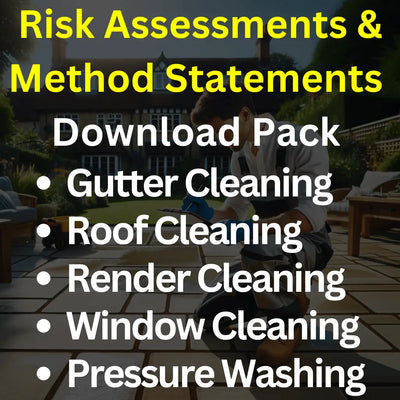
Contractors should carry out a site-specific risk assessment and method statement before starting. This should consider safe access, fall prevention, exclusion zones, PPE, manual handling, COSHH, chemical storage, runoff control and emergency procedures.
For teams that need a starting point for professional documentation, the Risk Assessment and Method Statement Pack for Exterior Cleaning can help structure the paperwork required for safer, more professional exterior cleaning operations. It should still be adapted to the specific site and task.
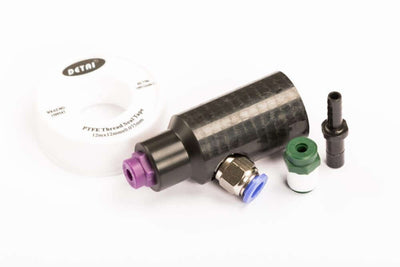
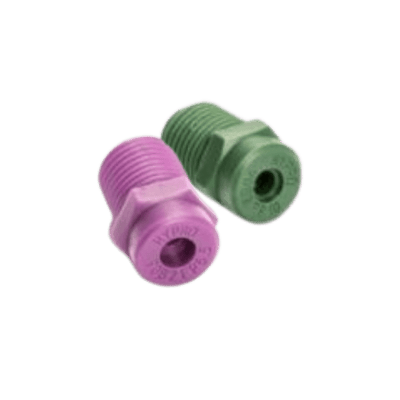
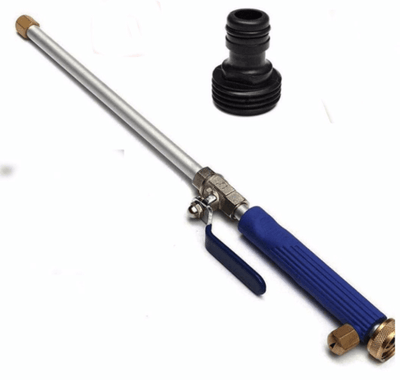
Application equipment also affects safety and consistency. Low-pressure systems, appropriate nozzles, controlled delivery and safe working distances can reduce unnecessary roof traffic. SoftWash UK’s soft washing equipment range includes professional equipment options designed for controlled exterior cleaning application rather than aggressive high-pressure blasting.
Common Mistakes That Reduce How Long Roof Cleaning Lasts
Mistake 1: Removing Moss But Not Treating The Roof
This is one of the most common reasons clients are disappointed. Scraping removes the visible moss, but untreated spores and biofilm can start recolonising quickly. If the client wants a longer-lasting result, treatment should be discussed at the quotation stage.
Mistake 2: Pressure Washing Unsuitable Roofs
High pressure may produce an instant visual result, but it can reduce the life of some roof coverings and increase porosity. Damaged tile faces, disturbed ridges and water ingress complaints are poor outcomes for any contractor. In many roof cleaning situations, softwashing better than pressure washing is the more relevant discussion because the objective is biological control with minimal surface damage.
Mistake 3: Quoting Without Explaining Regrowth Factors
If a roof is surrounded by trees and permanently shaded, tell the client. A good quote explains what can be achieved, what may return and what maintenance cycle is sensible. This builds trust and reduces unrealistic expectations.
Mistake 4: Applying Treatment In Poor Conditions
Heavy rain, strong wind, freezing conditions or intense heat can all interfere with application and safety. Weather planning matters. Contractors should build flexibility into scheduling and avoid rushing treatment at the end of a long day just to finish the job.
Mistake 5: Ignoring Sensitive Areas
Plants, fish ponds, leadwork, painted surfaces, water butts and neighbouring properties all need thought. Responsible softwashing is not only about cleaning performance; it is about protecting the site and the people around it.
Myths About Roof Cleaning Longevity
Myth: Roof Cleaning Is Permanent
No exterior cleaning process permanently stops moss, algae or lichen. Spores are naturally present in the environment. A good roof clean and treatment can significantly slow regrowth, but future maintenance will still be needed.
Myth: A Clean Roof Means The Treatment Has Finished Working
Some treatments continue to deliver visible improvement over time as dead organic matter weathers away. A roof may look better one week after treatment and better again after several months. Set this expectation clearly.
Myth: More Chemical Always Means A Longer Result
Over-application is not professional practice. More chemical does not automatically mean a better or longer-lasting clean. Correct product selection, correct dilution where applicable, proper coverage, dwell time, weather conditions and safety controls are what matter. Always follow product guidance and legal requirements.
Myth: All Roofs Should Be Cleaned The Same Way
Roof age, material, contamination level and access risk all change the method. A modern concrete tile roof on a domestic property is not the same as an old slate roof, a commercial sheeted roof or a fragile heritage structure.
How Contractors Can Use Longevity To Improve Quoting And Client Retention
Roof cleaning longevity should be part of the sales conversation, but it should be handled honestly. Rather than promising “your roof will stay clean for five years”, explain the likely range and the factors that affect it.
A professional quotation might include:
- Current roof condition and contamination type
- Recommended cleaning method
- Whether gutter clearance is included
- Expected improvement timeline
- Likely regrowth pressure based on the site
- Recommended inspection or maintenance interval
- Safety controls and access arrangements
- Product and method limitations
This approach is particularly useful for facilities managers responsible for multiple buildings. Instead of waiting for complaints, blocked gutters or heavy moss fall, they can schedule periodic treatments as part of planned maintenance.
For contractors who want to build competence in method selection, chemical safety, equipment choice and professional standards, formal education is a sensible investment. The SoftWash UK training course is designed to help exterior cleaners develop a safer, more structured approach to softwashing work.
If this is an area you want to understand properly, you can start by accessing the free SoftWash UK course preview. It includes selected lessons from the full training course and is designed to help contractors see whether professional softwashing training is the right next step.
FAQ: How Long Does Roof Cleaning Last?
How long will a roof stay clean after moss removal?
If moss is only scraped off and no treatment is applied, the roof may start showing signs of regrowth within 6 to 18 months, especially in shaded or damp areas. Moss removal followed by a suitable biocide or softwash treatment usually lasts longer because it targets remaining biological growth.
How long does roof softwashing last?
Roof softwashing commonly lasts around 2 to 5 years, depending on the roof material, contamination level, weather exposure, surrounding trees and the quality of application. Heavily shaded roofs may need maintenance sooner, while sunny roofs with good airflow may stay cleaner for longer.
Does roof cleaning damage tiles?
Roof cleaning can damage tiles if the wrong method is used. Aggressive pressure washing, heavy foot traffic and careless scraping can all cause problems. A professional survey, safe access plan and suitable low-pressure treatment method reduce the risk. Fragile, delaminating or very old roofs need particular care.
Is pressure washing a roof a good idea?
Pressure washing is not usually the preferred method for many tiled roofs because it can damage surfaces, disturb laps and force water where it should not go. Some specific roof types may tolerate controlled cleaning, but method selection should always be based on the roof condition, manufacturer guidance and risk assessment.
How often should a roof be treated for moss?
Many roofs benefit from inspection every 12 months and maintenance treatment every 2 to 5 years. High-shade roofs, properties near trees and commercial buildings with drainage risks may need more frequent attention. The aim is to maintain the roof before heavy moss returns.
Will roof cleaning remove black stains and lichen?
Softwashing can often improve black algae staining, green growth and lichen, but results vary by surface and contamination. Some lichen marks weather away gradually after treatment rather than disappearing immediately. Contractors should explain likely timelines before starting work.
Can roof cleaning stop moss permanently?
No. Roof cleaning cannot permanently stop moss because spores are naturally present in the environment. A good cleaning and treatment process can significantly slow regrowth, but future maintenance will still be required.
Conclusion: Roof Cleaning Lasts Longer When It Is Treated As Maintenance, Not A One-Off Job
So, how long does roof cleaning last? In most UK settings, a professionally cleaned and treated roof can remain noticeably cleaner for 2 to 5 years, while moss scraping alone may only deliver a shorter-term result. The difference usually comes down to method, biological treatment, site conditions and maintenance planning.
For contractors, the opportunity is to move beyond basic moss removal and provide a more professional service: proper surveys, safe systems of work, suitable softwash treatment, clear client education and realistic maintenance cycles. For facilities managers and property professionals, the value lies in preventing heavy regrowth, reducing gutter blockages and keeping roofs in better condition over time.
SoftWash UK supports the industry with professional softwashing chemicals, equipment, training and educational resources for contractors who want to work more safely and effectively. If you are reviewing your roof cleaning process, building a maintenance offering or improving your team’s competency, explore the SoftWash UK Knowledge Centre, product guidance and training options to develop a more reliable, responsible approach to roof softwashing.