How Professional Contractors Save Time on Site
Professional exterior cleaning contractors save time on site by planning the job properly before arrival, using the right softwashing chemicals and equipment, setting up an efficient workflow, controlling dwell times, managing safety documentation, and avoiding unnecessary rework. The fastest contractors are not usually the ones who rush. They are the ones who remove delays before they happen.
On a real job, lost time rarely comes from one big mistake. It usually comes from small inefficiencies: missing fittings, poor access planning, weak chemical application, over-rinsing, waiting for a labourer to fetch water, unclear RAMS, badly mixed solution, or treating the wrong surface with the wrong method. For UK exterior cleaning contractors, property maintenance teams, facilities managers and serious DIY users, the key is to make every stage of the job predictable.
This guide explains practical ways professional contractors reduce time on site while still working safely, responsibly and to a high standard.
Why Time on Site Matters More Than Most Contractors Realise
Time on site affects far more than the day’s profit. It affects customer experience, staff fatigue, chemical consumption, water use, vehicle scheduling, and how many jobs can be completed each week. A job that should take half a day but runs into a full day can create a knock-on effect across the entire diary.
For facilities managers, time on site also affects disruption. A contractor who can clean an office frontage, cladding run, school entrance or commercial render elevation efficiently is more useful than one who needs constant supervision or creates access issues for staff and visitors.
Efficient contractors generally have three things in common:
- They know the cleaning method before they arrive.
- They carry the correct equipment, chemicals, PPE and safety information.
- They follow a repeatable process rather than improvising every task.
Start Saving Time Before You Arrive on Site
The biggest time savings often happen before the van leaves the yard. Good pre-job planning prevents wasted journeys, unsuitable methods, missing kit and awkward conversations with the client.
Use Photos and Pre-Visit Questions
Before quoting or attending, ask for clear photographs of the surfaces, access points, drainage, water supply, staining and surrounding risks. For larger commercial work, a pre-site survey is usually worth the time. It allows you to identify issues that can slow the job down, such as:
- No external water supply.
- Restricted parking or loading access.
- Fragile roof coverings or skylights.
- Poor drainage or sensitive watercourses.
- Nearby plants, painted surfaces, aluminium, lead, copper or natural stone.
- Public access areas requiring barriers or traffic management.
A simple survey can prevent turning up with the wrong hose length, no water plan, unsuitable chemistry or insufficient staff.
Quote the Method, Not Just the Area
Many slow jobs start with a vague quote. “Clean render” is not a method. Neither is “wash roof”. A better quote clearly identifies the likely approach, such as softwashing, biocide treatment, pressure washing, steam cleaning, spot stain removal, or a combination.
If the specification is clear, the team arrives knowing what to do. If it is unclear, the first hour of the job is often spent deciding the method on the customer’s driveway.
Prepare RAMS Before the Job
Risk assessments and method statements should not be an afterthought. When RAMS are prepared properly, they make the job faster because everyone knows the process, hazards, controls, PPE requirements and emergency arrangements.
For contractors who want a practical starting point, the Risk Assessment and Method Statement Pack for Exterior Cleaning from SoftWash UK can help structure site documentation and reduce the time spent building paperwork from scratch. It does not replace proper site-specific judgement, but it gives contractors a more professional framework to work from.
Use the Right Cleaning Method for the Surface
One of the quickest ways to waste time is to use the wrong method. Many exterior cleaning jobs run long because contractors try to pressure wash organic growth that would respond better to softwashing, or they apply softwash chemistry where a mechanical rinse or specialist stain remover is needed.
| Surface or Problem | Common Slow Approach | More Efficient Professional Approach |
|---|---|---|
| Organic staining on render | Repeated pressure washing passes | Controlled softwash application with suitable dwell time and rinse where required |
| Algae on cladding | Manual scrubbing across large areas | Softwash or biocide treatment using appropriate access equipment and spray control |
| Moss-heavy roof | Pressure washing without containment | Manual moss removal followed by suitable biocide treatment where appropriate |
| Oil staining on block paving | Water-only pressure washing | Specialist degreaser or oil stain treatment before rinsing |
| Long-term lichen on stone | Trying to blast it off quickly | Correct chemistry, realistic dwell time and staged treatment |
Softwashing can be highly time efficient when used correctly because the chemistry does much of the work. However, that does not mean every surface should be treated in the same way. Contractors must understand surface compatibility, dilution, dwell time, runoff management and aftercare.
If you are building your technical knowledge, the SoftWash UK softwashing chemistry and equipment hub is a useful reference point for understanding how chemicals, equipment and method selection fit together in professional exterior cleaning.
Chemistry Saves Time When It Is Understood Properly
The most efficient contractors are not guessing with chemicals. They understand what each product is designed to do, how it behaves on the surface, what dwell time is needed, and when rinsing is required.
Know What Sodium Hypochlorite Does
Sodium hypochlorite is commonly used in professional softwashing because it is effective against many forms of organic staining, including algae and black or green biological growth. Used correctly, it can reduce cleaning time dramatically compared with labour-heavy scrubbing. Used carelessly, it can damage surfaces, harm plants, create safety risks and lead to complaints.
Contractors should understand how sodium hypochlorite works before using it professionally. That includes understanding oxidation, organic load, dilution, contact time, surface testing and why stronger is not automatically better.
Use Surfactants to Improve Contact Time
A good softwash surfactant helps the solution cling to the surface, wet out evenly and stay active for longer. This matters on vertical render, cladding, fascia boards and textured surfaces where untreated liquid may run off too quickly.
Understanding the role of a softwash surfactant can save time because improved cling and coverage often reduce the need for repeated applications. It can also help the operative see where solution has been applied, improving consistency across elevations.
Do Not Over-Strengthen the Mix to Go Faster
A common myth is that increasing chemical strength always saves time. In practice, over-strengthening can create more work. It can increase plant protection requirements, odour control issues, surface sensitivity risks and rinse-down time. It can also make the job less professional and harder to manage.
Professional speed comes from correct dilution, even application, adequate dwell time and good workflow. It does not come from careless chemical use.
Equipment Choices That Reduce Setup and Cleaning Time
Equipment does not need to be complicated, but it does need to suit the work. A well-designed setup reduces dragging hoses, swapping fittings, ladder moves and manual handling.
Build a Van Layout Around Workflow
A tidy van saves real time. Contractors should be able to reach PPE, cones, hoses, nozzles, test patches, measuring jugs, spare O-rings, SDS sheets, plant protection and first aid without unloading half the vehicle.
A practical van layout should separate:
- Chemicals and dosing equipment.
- Clean water and rinse equipment.
- PPE and emergency spill items.
- Access equipment and poles.
- Customer-facing items such as paperwork and signage.
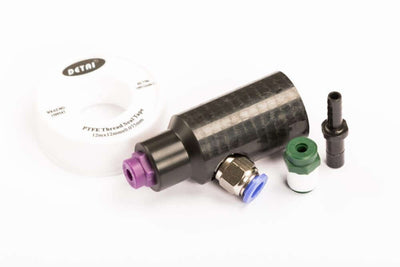
SoftWash UK supplies a range of soft washing equipment suitable for professional contractors who want to build a more efficient and reliable setup.
Use Controlled Application Equipment
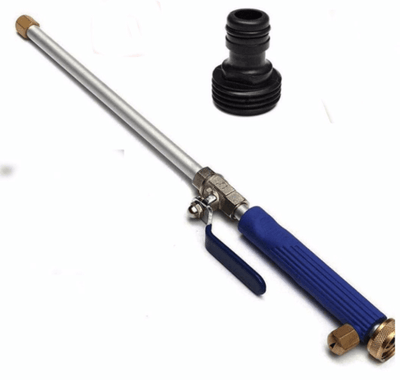
Controlled application gives better coverage and reduces waste. For some setups, proportioning and injection equipment can reduce mixing time, improve consistency and help contractors apply product more efficiently.
For example, a dosing system such as the Clever Injector Dosatron can be useful where contractors need more controlled chemical delivery, consistent dilution and quicker changeover between applications. As with all chemical application equipment, it should be used by trained operators who understand calibration, compatibility and safe handling.
Reduce Ladder Moves Where Possible
Ladder movement is one of the biggest hidden time costs. It also increases risk. Where suitable and safe, water-fed pole systems, softwash nozzles and controlled low-pressure application can allow contractors to work from the ground for many elevations.
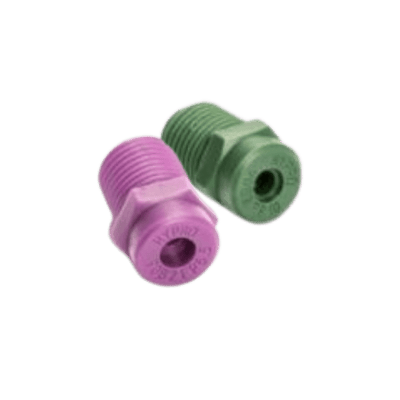
A water fed pole softwash nozzle can help improve reach and application control on appropriate surfaces, reducing the need for repeated ladder repositioning. Working from the ground is not always possible, but when it is, it often improves both productivity and safety.
A Step-by-Step Site Workflow for Faster Exterior Cleaning
The following workflow is a practical structure used by efficient contractors. It will not fit every job exactly, but it gives a reliable sequence that reduces wasted movement and missed steps.
Step 1: Arrive and Confirm the Scope
Before unloading, walk the job with the client or site contact. Confirm the areas included, exclusions, water access, parking, public access and any vulnerable items. This prevents the classic “while you are here” expansion that disrupts the schedule.
Step 2: Set Up Safety Controls First
Place cones, barriers, warning signs and exclusion zones before hoses and chemicals are deployed. Identify trip hazards, overspray risks, electrical points, open windows and drainage routes. On commercial sites, make sure the site contact knows when areas may be temporarily restricted.
Step 3: Protect Sensitive Areas
Pre-wet plants where appropriate, protect delicate metals, move furniture, cover vulnerable surfaces and check for open vents or windows. Taking ten minutes here can save an hour of remedial cleaning later.
Step 4: Mix or Set Up Chemical Application Correctly
Use the planned dilution, correct PPE and proper measuring process. Make sure SDS information is available and all containers are clearly labelled. Never decant chemicals into unmarked containers.
Step 5: Apply in a Logical Direction
Work from the least accessible or highest-risk areas first where practical. On elevations, apply in manageable sections so dwell time can be controlled. Avoid applying too wide an area if the weather, sun or wind will dry the product before it has worked.
Step 6: Manage Dwell Time Productively
Dwell time should not be dead time. While chemistry is working, the team can tidy hoses, prepare the next elevation, check runoff, monitor plants, complete photos, or set up rinse equipment.
Step 7: Rinse, Check and Photograph
Rinse where the method requires it, inspect from different angles and take completion photographs before packing away. Photos reduce disputes and help with future maintenance recommendations.
Step 8: Pack Down Systematically
Experienced teams pack down in the reverse order of setup. Chemicals are secured, hoses are drained, PPE is checked, waste is managed correctly, and the site is left safe. A rushed pack-down often leads to lost fittings, damaged kit or contamination risks.
How Team Communication Saves Time
On two-person or three-person teams, poor communication wastes far more time than most contractors admit. If one person is applying chemical while another is unsure whether to rinse, move hoses or protect plants, the job slows down.
Before starting, assign roles:
- Lead operative responsible for method, chemistry and final decisions.
- Safety watcher responsible for public access, overspray, runoff and plant protection.
- Support operative responsible for hoses, water, signage, photographs and equipment changes.
Even on small domestic jobs, a two-minute briefing can save repeated questions and stop parts of the job being duplicated.
Common Mistakes That Waste Time on Site
Turning Up Without Spare Parts
A missing O-ring, split hose, blocked nozzle or flat battery can stop a job completely. Professional contractors carry spares for the items most likely to fail. A small spares box is often worth more than an expensive tool left at the unit.
Skipping a Test Patch
Skipping a test patch feels faster, but it can be a costly mistake. Painted render, older uPVC, natural stone, timber, leadwork and coated metals can all respond differently. A small test patch helps confirm the method before the whole surface is treated.
Poor Hose Management
Hoses across paths, around car wheels or under gates create delays and hazards. Good contractors route hoses once, protect public areas and avoid constantly dragging equipment back and forth.
Trying to Clean Everything With One Product
Organic growth, oil stains, rust marks, tannin staining and atmospheric soiling do not all respond to the same treatment. Misdiagnosing the stain often leads to repeat visits and customer dissatisfaction.
Underestimating Weather
Wind, direct sun, frost and heavy rain can all affect cleaning performance and safety. If a product dries too quickly, performance drops and rinsing becomes harder. If wind direction changes, overspray risk increases. Efficient contractors monitor conditions and adjust the plan.
Safety and Compliance Are Time Savers, Not Admin Burdens
Some contractors see safety paperwork as something that slows them down. In reality, good safety planning often speeds jobs up because it removes uncertainty. Everyone knows the controls, PPE, chemical handling process and emergency procedure.
Key safety and best-practice points include:
- Complete a site-specific risk assessment before work starts.
- Use suitable PPE for the chemical, method and environment.
- Keep Safety Data Sheets accessible.
- Never mix incompatible chemicals.
- Clearly label all containers.
- Protect plants, pets, watercourses and vulnerable surfaces.
- Control public access and slip hazards.
- Train staff before allowing them to apply chemicals.
For contractors wanting structured professional education, the Soft Wash Training Course is designed to help build knowledge around method selection, safety, chemistry, equipment and professional standards. Training reduces trial-and-error learning, which is one of the biggest hidden causes of slow work and costly mistakes.
Time-Saving Tools and Practices Compared
| Time-Saving Measure | What It Improves | Best For | Important Caution |
|---|---|---|---|
| Pre-site survey | Access planning, quoting accuracy and method selection | Commercial sites, roofs, large render and cladding jobs | Must still be checked on arrival in case conditions have changed |
| Prepared RAMS | Safety, staff clarity and client confidence | Commercial work, schools, estates and managed properties | Must be site-specific, not copied blindly |
| Surfactant use | Coverage, cling and dwell time | Vertical render, cladding and textured surfaces | Use only with compatible chemistry and correct dilution |
| Dosing equipment | Consistent mixing and faster application setup | Regular softwashing contractors | Requires calibration, maintenance and operator understanding |
| Ground-based application | Reduced ladder moves and improved workflow | Suitable elevations and accessible facades | Operator must still control overspray and public risk |
Practical Time-Saving Checklist for Contractors
Use this checklist before leaving for a job:
- Photos, quote and scope checked.
- Method confirmed and surfaces assessed.
- Weather forecast reviewed.
- Water supply and access confirmed.
- RAMS, SDS sheets and emergency information available.
- Chemicals, surfactant and specialist stain removers loaded as required.
- PPE checked and suitable for the task.
- Hoses, nozzles, poles, fittings and spares checked.
- Cones, signage and barriers loaded.
- Plant protection and rinse equipment ready.
- Before, during and after photo process agreed.
If you want to see how professional softwashing training is structured before committing to the full programme, you can try selected lessons from the SoftWash UK course for free. It is a useful way to preview the training and understand the standards, safety thinking and practical approach behind professional softwashing.
Frequently Asked Questions
What is the quickest way for exterior cleaning contractors to save time on site?
The quickest way is to improve planning before arrival. Confirm the surface, access, water supply, risks, method, chemicals, equipment and staffing before the job starts. Good preparation prevents the delays that usually cost the most time.
Does softwashing save time compared with pressure washing?
Softwashing can save time on organic staining because the chemical treatment does much of the cleaning work. However, it must be used correctly. Pressure washing may still be needed for heavy soil removal, rinsing, surface preparation or certain hard surfaces. The best contractors choose the method based on the surface and staining, not habit.
Is stronger chemical always faster?
No. Stronger chemical is not automatically faster or better. Excessive strength can increase risk to plants, surfaces, metals, people and surrounding areas. Professional contractors use the correct dilution, dwell time and application method for the task.
How can facilities managers help contractors work faster?
Facilities managers can save time by providing clear access information, water supply details, site rules, working hours, parking arrangements, asbestos information where relevant, drainage plans and known sensitive areas. A good site contact on the day also helps prevent delays.
What equipment helps reduce time on softwashing jobs?
Useful equipment may include appropriate low-pressure application systems, water-fed pole attachments, reliable hoses, quality nozzles, dosing equipment, PPE, signage and spare fittings. The best setup depends on the type of work being carried out.
Why do some exterior cleaning jobs take much longer than expected?
Common reasons include poor quoting, hidden access issues, incorrect stain diagnosis, unsuitable equipment, weak team communication, poor weather planning, missing safety documentation and unexpected customer requests. Most of these can be reduced with a better survey and a repeatable workflow.
Conclusion: Professional Speed Comes From Systems, Not Shortcuts
Professional contractors save time on site by working systematically. They survey properly, quote clearly, load the right equipment, understand the chemistry, protect the site, communicate as a team and follow a proven workflow. They do not rely on guesswork or unsafe shortcuts.
For UK exterior cleaning contractors, the biggest improvements often come from small changes: better van organisation, better RAMS, better surface assessment, more controlled application, and a clearer process for every job. These improvements reduce stress, improve safety and help deliver more consistent results for customers.
SoftWash UK supports contractors with professional softwashing chemicals, equipment, training and educational resources designed for safe, responsible exterior cleaning. If you are serious about improving productivity and professionalism, explore the resources, products and training available from SoftWash UK and build a site system that helps you work faster without compromising standards.