The Secret to Longer Lasting Patio Cleaning Results
The secret to longer lasting patio cleaning results is not simply using more pressure. It is using the right cleaning method for the surface, removing organic growth properly, applying a suitable treatment where appropriate, controlling run-off, and leaving the patio in a condition that slows regrowth. In practical terms, this usually means combining sensible mechanical cleaning with softwashing chemistry, dwell time, correct rinsing, and a maintenance plan.
For UK exterior cleaning contractors, property maintenance teams, facilities managers and serious DIY users, this matters because a patio that looks clean on the day can turn green again quickly if algae, lichen spores and biofilm are not treated properly. Pressure washing alone can remove visible dirt, but it often leaves deeper organic contamination behind in the pores, joints and textured surfaces of paving.
Longer lasting patio cleaning is about process, not brute force. A well-planned clean should deal with the cause of staining, not only the symptom. It should also protect the paving, nearby plants, drainage systems, operatives and the client’s property.
Why Patio Cleaning Results Often Do Not Last
Patios in the UK are constantly exposed to moisture, shade, leaf fall, airborne spores and organic debris. These conditions encourage algae, black spot lichen, moss and general biological growth. Once paving becomes porous or textured, contamination can take hold beneath the surface rather than sitting neatly on top.
In our industry, one of the most common issues is a patio that has been pressure washed repeatedly over several years. It may look much brighter immediately after cleaning, but the surface becomes rougher, the joints loosen, and regrowth can appear faster each time. This is especially common on Indian sandstone, concrete slabs, block paving and older natural stone.
The Main Reasons Results Fail Early
- Only the visible dirt is removed. Algae, lichen roots and biofilm can remain in pores and joints.
- No chemical treatment is used. Mechanical cleaning alone rarely neutralises organic growth fully.
- Dwell time is too short. Chemicals need contact time to work effectively.
- The patio is cleaned too aggressively. Excessive pressure can open the surface and make future regrowth easier.
- Drainage and shade issues are ignored. Damp, shaded paving will always regrow faster than dry, well-ventilated areas.
- Jointing is neglected. Loose sand, soil and moss in joints provide ideal conditions for regrowth.
- No maintenance treatment is scheduled. A good clean should be followed by sensible upkeep.
Pressure Washing Versus Softwashing for Patio Cleaning
Pressure washing and softwashing are not enemies. Used correctly, they complement each other. The mistake is assuming one method is always right in isolation. A contractor who understands both methods can adapt the clean to the surface, the level of contamination and the client’s expectations.
| Method | Best For | Limitations | Effect on Longevity |
|---|---|---|---|
| Pressure washing | Removing loose dirt, mud, surface grime and heavy soiling | Can damage soft stone, disturb joints and leave biological growth behind if used alone | Results may be short-lived without treatment |
| Softwashing | Treating algae, lichen, black spot, green growth and biofilm | Requires correct chemical selection, dilution, dwell time and safety controls | Can significantly extend the time before regrowth returns |
| Combined approach | Most professional patio cleaning jobs where both soil and organic growth are present | Requires experience, planning and surface knowledge | Usually gives the longest lasting and most consistent result |
For many patio jobs, the most durable result comes from a carefully sequenced process: clear debris, pre-wet where necessary, apply the correct treatment, allow proper dwell time, rinse or clean mechanically as required, and then consider a post-treatment to inhibit regrowth.
The Real Secret: Treat the Biology, Not Just the Dirt
Most patio staining that clients complain about has a biological component. Green algae, black spot lichen, moss residue and slippery biofilm are all living or formerly living contamination. If the biological growth is not dealt with, it will usually return quickly.
This is where softwashing chemicals can be valuable. Products are selected based on the surface, the stain type, environmental conditions and the desired outcome. For contractors looking to build a professional chemical knowledge base, the SoftWash UK soft wash chemicals range is a useful starting point for understanding the types of products used in exterior cleaning.
Common Patio Contaminants and How They Behave
| Contaminant | Typical Appearance | Common Locations | Cleaning Consideration |
|---|---|---|---|
| Green algae | Green film or slippery coating | Shaded patios, north-facing areas, damp corners | Needs treatment as well as removal to delay regrowth |
| Black spot lichen | Small dark circular spots embedded in stone | Indian sandstone, limestone and porous natural stone | Often requires chemical treatment and patience; pressure alone is rarely enough |
| Moss | Thick green growth in joints and edges | Between slabs, edges, shaded areas | Remove bulk growth and treat remaining spores |
| Organic tannin staining | Brown marks from leaves, berries or timber | Under trees, garden furniture, planters | May need separate stain-specific treatment depending on severity |
| Oil and grease | Dark or rainbow-like patches | Outdoor kitchens, BBQ areas, driveways leading to patios | Requires degreasing, not standard patio cleaning chemistry alone |
A Professional Step-by-Step Process for Longer Lasting Patio Cleaning
The following process reflects how experienced exterior cleaning professionals typically approach patio cleaning when the goal is a longer lasting finish. It should always be adapted to the specific surface, site conditions and product instructions.
Step 1: Survey the Patio Properly
Before any cleaning starts, assess the surface. This is where many poor results begin. You need to know what you are cleaning before deciding how to clean it.
- Identify the paving type: sandstone, limestone, granite, slate, porcelain, concrete or block paving.
- Check for damage, loose slabs, failing pointing and unstable jointing.
- Look for drainage routes and sensitive areas such as ponds, lawns, flower beds and public drains.
- Note shaded zones, overhanging trees, downpipe discharge points and areas of standing water.
- Test an inconspicuous area if using a chemical treatment on a surface you are unsure about.
This assessment also helps contractors explain expectations to clients. A patio under dense trees with poor drainage will never stay clean as long as an open, sunny patio with good airflow.
Step 2: Remove Loose Debris and Organic Matter
Brush the patio thoroughly before wet cleaning. Remove leaves, soil, loose moss, garden debris and furniture marks where possible. This improves chemical contact and reduces the amount of contamination entering drains or borders.
On commercial sites and managed properties, this preparation stage is especially important. A rushed clean around planters, benches and external seating areas often leaves soil reservoirs that seed regrowth within weeks.
Step 3: Choose the Correct Cleaning Approach
For light algae on sound paving, a softwash treatment may be enough. For heavily soiled patios with compacted dirt, a controlled pressure wash may be needed before or after treatment. For black spot lichen, chemistry and patience usually matter more than excessive pressure.
Where sodium hypochlorite-based cleaning is appropriate, professionals must understand dilution, compatibility, surface sensitivity, personal protective equipment and run-off controls. SoftWash UK supplies sodium hypochlorite for soft washing for trained and competent users who understand safe application and handling requirements.
Step 4: Use Surfactant Where It Adds Value
A surfactant can help the cleaning solution cling to the surface and wet out contamination more evenly. This is particularly useful on textured paving, vertical edges, steps and areas where solution run-off would otherwise reduce dwell time.
For example, Clever Wash Surfactant can be used as part of a professional softwashing process to improve solution contact and help treatments work more effectively. The key is not to overuse product, but to apply it correctly for the job in front of you.
Step 5: Allow Correct Dwell Time
Dwell time is one of the most overlooked factors in long-lasting patio cleaning. If a treatment is rinsed off too quickly, it may not fully act on the organic contamination. If it dries out completely or is left uncontrolled, it can create safety, staining or environmental issues.
Good dwell time management includes:
- Working in manageable sections.
- Avoiding application in strong direct sunlight where possible.
- Keeping the surface damp enough for the treatment to remain active where product guidance allows.
- Monitoring nearby plants, metals, painted surfaces and sensitive materials.
- Following manufacturer instructions rather than guessing.
Step 6: Rinse or Mechanically Clean Sensibly
Once the treatment has done its work, rinse or pressure clean as required. This is where restraint pays off. The aim is to remove contamination without damaging the surface.
- Use suitable pressure for the paving type.
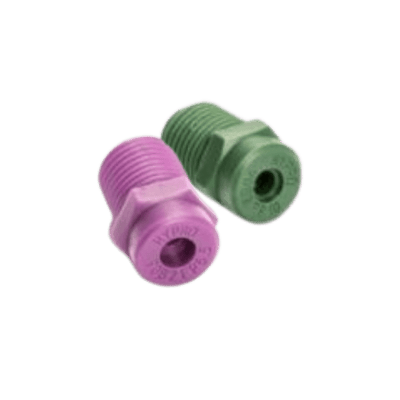
- Avoid turbo nozzles on soft or fragile stone unless you are certain it is safe.
- Keep the lance moving to avoid striping.
- Use surface cleaners carefully on uneven or delicate paving.
- Protect doors, air bricks, thresholds and electrical points from water ingress.
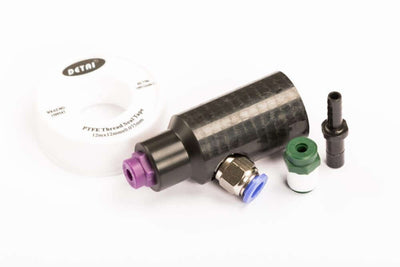
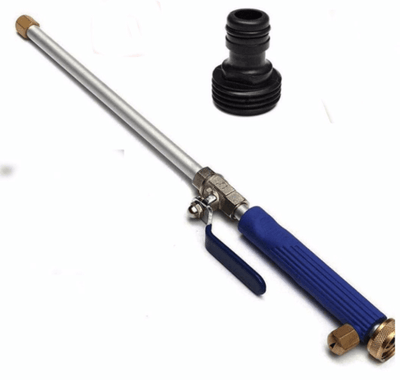
Contractors using professional softwashing equipment should ensure pumps, hoses, nozzles and chemical-resistant fittings are suitable for the products being applied. The SoftWash UK soft washing equipment collection includes equipment designed for controlled exterior chemical application rather than improvised set-ups.
Step 7: Consider a Post-Treatment for Regrowth Control
A post-treatment can be one of the biggest differences between a patio that looks good for a few weeks and one that stays cleaner for much longer. After the visible soil has been removed, a suitable biocidal treatment may help control remaining microscopic growth and reduce early recolonisation.
For longer-term organic growth control on suitable exterior surfaces, products such as Soft Wash Pro 50 DDAC may be considered by competent users following product instructions and relevant safety guidance. This type of approach is particularly useful in shaded, damp or high-footfall areas where regrowth pressure is high.
Step 8: Reinstate Joints and Improve Drainage Where Needed
If pressure cleaning has removed jointing sand or exposed gaps between slabs, reinstate them where appropriate. Open joints trap soil and moisture, allowing moss and weeds to return quickly. On block paving, re-sanding is usually a standard part of a complete clean.
Also look for practical site improvements:
- Clear blocked drains and channels.
- Remove soil bridging over paving edges.
- Trim overhanging vegetation to improve airflow.
- Move planters occasionally to prevent damp rings.
- Advise clients on leaf clearance during autumn and winter.
Surface-Specific Advice for UK Patios
Indian Sandstone
Indian sandstone is attractive but often porous. It commonly suffers from black spot lichen, algae and colour variation. Excessive pressure can roughen the surface and strip softer layers. A controlled chemical process is usually more effective than trying to blast black spots out of the stone.
Limestone
Limestone can be sensitive to acidic products and may lighten or react if treated incorrectly. Always understand the surface before applying stain removers or strong chemicals. Test patches are particularly important.
Porcelain Paving
Porcelain is less porous than natural stone, so biological growth is often more surface-based. However, textured porcelain can hold dirt and algae in the grip pattern. Correct agitation and rinsing matter. Avoid leaving residues that can dry as streaks or films.
Concrete Slabs
Concrete paving varies widely in quality. Older concrete can be porous and prone to algae, lichen and weathering. Strong pressure can expose aggregate or create wand marks. A balanced clean and post-treatment can help improve longevity.
Block Paving
Block paving requires joint care. If the joints are full of moss, soil and weeds, cleaning the surface alone will not last. Remove the contamination, clean correctly, allow to dry, and re-sand with kiln-dried sand where suitable.
Common Mistakes That Shorten Patio Cleaning Results
Using Maximum Pressure for Every Job
High pressure can make a patio look clean quickly, but it can also damage the surface, open pores, remove joint material and leave a rougher profile that holds dirt. Professional results come from control, not aggression.
Skipping the Post-Treatment
Many patios look excellent immediately after washing, especially when wet. The problem appears later when green growth returns from the pores and joints. A suitable post-treatment can make a significant difference to longevity.
Cleaning in Poor Conditions
Heavy rain, freezing temperatures, strong sunlight and windy conditions can all reduce control and effectiveness. Contractors should plan around weather, dwell time and safe application.
Ignoring Run-Off
Chemical run-off into ponds, lawns, planted borders or uncontrolled drains is poor practice and may create environmental risks. Always assess containment, dilution, neutralisation where appropriate, and disposal requirements before work starts.
Making Unrealistic Promises
No patio stays clean forever. Shaded, damp and tree-covered areas will always require more frequent maintenance. A professional contractor should explain likely maintenance intervals rather than promising a permanent result.
Safety and Best Practice Notes
Patio cleaning involves water under pressure, slip hazards, chemical handling, manual handling, public access risks and environmental considerations. A professional approach requires planning.
- Carry out a site-specific risk assessment before starting.
- Use appropriate PPE including gloves, eye protection, suitable footwear and respiratory protection where required by the safety data sheet.
- Read and follow product labels and safety data sheets.
- Control public and client access during cleaning and while surfaces remain wet or treated.
- Protect plants, lawns, ponds, metals, painted surfaces and electrical fittings.
- Never mix chemicals unless the manufacturer specifically states it is safe to do so.
- Store and transport chemicals securely and legally.
For contractors and facilities teams, written documentation is not just admin. It helps protect people, property and your business. The Risk Assessment and Method Statement Pack for Exterior Cleaning can help structure safer working practices and more professional site documentation.
How to Build a Maintenance Plan That Keeps Patios Cleaner for Longer
The best patio cleaning results come with maintenance built in. This is especially true for commercial premises, hospitality venues, schools, care homes, rental portfolios and communal residential areas where appearance and slip risk both matter.
Suggested Maintenance Schedule
| Frequency | Task | Purpose |
|---|---|---|
| Weekly or fortnightly | Brush leaves, soil and debris from the surface | Reduces organic food source for algae and moss |
| Monthly | Check drains, shaded corners, planters and furniture areas | Identifies damp zones before regrowth becomes established |
| Every 3 to 6 months | Light maintenance wash or approved treatment where appropriate | Helps prevent heavy biological build-up |
| Annually or as required | Professional clean and surface review | Restores appearance and allows inspection of joints, drainage and staining |
For contractors, offering a maintenance programme can be more valuable to clients than a one-off clean. It also reduces the need for aggressive restorative cleaning later.
When Sealing Helps and When It Does Not
Sealing is often sold as the answer to keeping patios clean, but it is not a magic fix. A suitable sealer can reduce water absorption and make future cleaning easier on some surfaces. However, sealing over contamination, moisture or poor jointing can create problems.
Before recommending sealing, consider:
- Has the patio been cleaned and treated thoroughly?
- Is the surface fully dry and suitable for sealing?
- Is there rising moisture or poor drainage?
- Will the sealer change the colour, slip resistance or appearance?
- Is the client prepared for future sealer maintenance?
In many real-world cases, a good clean, appropriate post-treatment and regular maintenance are more important than sealing. If sealing is proposed, it should be part of a wider surface care plan rather than a substitute for proper cleaning.
Professional Training Improves Results and Reduces Risk
Longer lasting results depend on judgement: identifying surfaces, selecting chemistry, managing dwell time, protecting surroundings and knowing when not to use a product. These are skills developed through experience and proper training.
For contractors who want to improve their confidence with softwashing methods, chemical handling and practical site processes, the SoftWash UK Soft Wash Training Course is designed to support safer, more professional exterior cleaning. Training is particularly valuable for teams moving from pressure washing into chemical-assisted cleaning, where the risks and responsibilities are different.
FAQ: Longer Lasting Patio Cleaning Results
How do I make patio cleaning results last longer?
To make patio cleaning results last longer, remove loose debris, treat organic growth properly, use suitable dwell time, rinse or pressure clean sensibly, and apply an appropriate post-treatment where suitable. Regular brushing, drainage improvements and periodic maintenance treatments also help delay regrowth.
Is pressure washing enough to stop algae coming back?
Pressure washing alone is often not enough. It removes visible contamination but may leave algae, lichen and biofilm in pores and joints. Combining controlled cleaning with softwashing treatment usually provides longer lasting results.
Why does black spot return after patio cleaning?
Black spot lichen can be deeply embedded in porous paving. If it is only lightened or partially removed, it can reappear as the surface dries and weathers. Correct chemical treatment, dwell time and realistic expectations are essential.
Can I use softwashing chemicals on all patios?
No. Product suitability depends on the paving material, condition, surrounding surfaces and the type of staining. Always identify the surface, read product instructions, check safety data sheets and test a small inconspicuous area where needed.
How often should a patio be professionally cleaned?
Most domestic patios benefit from a professional clean every 12 to 24 months, depending on shade, drainage, foot traffic and surrounding vegetation. Commercial and high-risk slip areas may need more frequent maintenance.
Does sealing a patio stop algae permanently?
No sealer stops algae permanently. Sealing can reduce absorption and make future cleaning easier on suitable surfaces, but algae can still grow on top of dirt, moisture and organic debris. Maintenance is still required.
Conclusion: Longer Lasting Patio Cleaning Is a System, Not a Single Product
The secret to longer lasting patio cleaning results is using a complete system: assess the surface, remove debris, treat the biological growth, use controlled mechanical cleaning where needed, manage dwell time, protect the site, consider post-treatment, and maintain the patio afterwards.
For contractors and facilities professionals, this approach produces better results, fewer complaints and more professional outcomes. For serious DIY users, it helps avoid the common trap of overusing pressure and under-treating the cause of the problem.
SoftWash UK supports the exterior cleaning industry with professional softwashing chemicals, equipment, training and educational resources. To improve your patio cleaning results, explore the wider guidance available through the SoftWash UK Knowledge Hub, review suitable products and equipment, and consider professional training if you are using chemical-assisted cleaning methods commercially.
Cleaner patios last longer when the process is right. Invest in knowledge first, choose the correct tools second, and the results will speak for themselves.