What Causes Black Spot Lichen on Roof Tiles?
Black spot lichen on roof tiles is caused by airborne lichen spores colonising damp, porous or slow-drying roof surfaces. It is most common where roof tiles hold moisture, receive limited sunlight, sit beneath trees, or have developed a rough surface through age and weathering. Once established, black lichen bonds tightly to the tile surface and can be far more stubborn than green algae or loose moss.
For UK exterior cleaning contractors, facilities managers and serious DIY users, understanding why black spot lichen grows is important because it affects how the roof should be assessed, cleaned and treated. Black lichen is not simply “dirt”. It is a living biological growth that can return if the underlying conditions are not considered and if treatment is carried out incorrectly.
This guide explains what causes black spot lichen on roof tiles, why some roofs suffer more than others, how to identify it, and how professional softwashing methods are commonly used as part of a safe, responsible roof cleaning process.
What Is Black Spot Lichen?
Black spot lichen is a crust-like biological growth made up of a symbiotic relationship between a fungus and a photosynthetic partner, usually algae or cyanobacteria. On roofs, it often appears as small black, dark grey or charcoal-coloured circular spots bonded to the surface of clay, concrete, slate or fibre cement tiles.
Unlike loose moss, lichen does not usually sit proud of the tile in a thick mat. Instead, it attaches closely to the mineral surface. This is why contractors often describe it as “anchored” or “etched in”, especially on older concrete tiles with a roughened surface.
Black lichen is usually found alongside other organic growths such as:
- Moss on roof tiles
- Green algae and biofilm
- Orange, yellow or white lichen species
- Airborne dirt and organic deposits
- Tree sap, pollen and leaf debris
If you are comparing different types of biological roof staining, SoftWash UK has a useful Knowledge Centre article on lichen on roof tiles, which explores lichen growth in more detail.
The Main Causes of Black Spot Lichen on Roof Tiles
Black spot lichen develops when spores land on a roof and find the right conditions to survive. In practice, this usually comes down to moisture, surface texture, shade, organic nutrients and time.
1. Moisture Retention on the Roof Surface
Lichen needs moisture to establish and survive. Roof tiles that stay damp for long periods are far more likely to develop black spot lichen than tiles that dry quickly after rainfall.
Common causes of moisture retention include:
- North-facing roof elevations with less direct sunlight
- Shaded areas beneath trees or neighbouring buildings
- Low-pitched roof sections where water drains more slowly
- Blocked gutters causing splash-back or prolonged dampness
- Porous or weathered roof tiles that absorb moisture
- Heavy moss coverage trapping water against the tile
In the UK, the combination of regular rainfall, mild winters and high humidity makes many roofs suitable for biological growth. This is why a roof may look clean for years, then start to develop visible black spotting once the tile surface ages and retains more moisture.
2. Porous and Weathered Roof Tiles
Newer roof tiles are usually smoother and less hospitable to lichen. Over time, concrete and clay tiles weather under UV exposure, frost, wind-driven rain and general erosion. This creates tiny pits and surface texture where lichen spores can lodge.
Concrete roof tiles are particularly prone to visible black lichen because their surface coating gradually deteriorates. Once the cementitious surface becomes exposed and more absorbent, it provides a better foothold for biological colonisation.
On site, contractors often see the worst black spot lichen on:
- Older concrete interlocking tiles
- Weathered clay tiles with rough surfaces
- Slate with surface laminations or texture
- Tiles below overhanging branches
- Roofs that have not been maintained for many years
3. Shade and Poor Sunlight Exposure
Sunlight helps dry roof surfaces and can suppress some organic growth. Areas that receive limited sunlight remain damp for longer after rain, dew or fog. This gives lichen more time to absorb moisture and continue growing.
Typical high-risk areas include:
- North-facing roof slopes
- Valleys and roof junctions
- Sections behind chimneys or dormers
- Roofs shaded by trees
- Commercial buildings surrounded by taller structures
Facilities managers often notice this pattern on large estates where one elevation looks relatively clean while another is heavily discoloured. The difference is rarely random; it normally reflects light exposure, airflow and drying time.
4. Organic Nutrients from Trees, Leaves and Pollution
Lichen does not feed on roof tiles in the same way plants feed from soil, but it benefits from organic material, airborne nutrients and mineral deposits. Roofs beneath trees collect pollen, sap, leaves, bird droppings and decaying organic matter. Urban roofs may also receive pollutants and dust that help biological films develop.
Once a thin biofilm forms, it becomes easier for lichen and other organisms to colonise the surface. This is why black spot lichen often follows earlier stages of algae growth, moss formation or general roof soiling.
5. Moss Growth Creating a Damp Microclimate
Moss and lichen often occur together, but they behave differently. Moss holds water like a sponge and can create a damp microclimate across the roof surface. This can support lichen growth, especially around the edges of moss patches and in areas where moss has trapped silt and organic debris.
Before treating a roof, contractors should usually remove heavy moss growth first so that the treatment can reach the tile surface properly. For a more specific explanation, see SoftWash UK’s guide on roof moss removal before roof treatment.
6. Airborne Spores and Natural Colonisation
Lichen spores are naturally present in the environment. They travel by wind, birds, insects and general airborne movement. A roof does not need to be “infected” by a neighbouring roof; spores are already circulating in the air.
The reason one property develops black spot lichen while another does not is usually because the conditions on that roof are more favourable. Moisture, shade, surface roughness and nutrient availability are more important than the presence of spores alone.
Why Black Spot Lichen Is So Stubborn
Black lichen is stubborn because it forms a close bond with the tile surface and protects itself with a tough outer layer. Compared with green algae, which commonly sits as a surface film, lichen is more embedded and slower to break down.
This matters because aggressive removal methods can cause unnecessary roof tile damage. A common mistake is to assume that if a pressure washer does not remove the spots immediately, more pressure is needed. In reality, excessive pressure can strip the surface from concrete tiles, force water beneath laps, damage pointing, disturb fragile tiles and reduce the weathering protection of the roof.
Softwashing takes a different approach. Rather than relying mainly on force, it uses controlled chemical treatment to kill and loosen biological growth so that natural weathering and subsequent rinsing can improve the appearance safely over time. If you are planning a roof clean, SoftWash UK’s Knowledge Centre includes practical professional roof cleaning guidance covering cleaning options and considerations.
Black Spot Lichen Compared with Moss, Algae and Dirt
Correct identification is essential before choosing a cleaning method. The table below summarises common roof contaminants and how they differ from black spot lichen.
| Contaminant | Typical Appearance | Main Cause | Removal Difficulty | Key Cleaning Consideration |
|---|---|---|---|---|
| Black spot lichen | Dark circular spots bonded to tile surface | Moisture, porous tiles, shade and airborne spores | High | Needs appropriate biocidal treatment and patience |
| Moss | Green or brown raised clumps | Damp conditions, shade and organic debris | Medium | Heavy moss should usually be removed before treatment |
| Green algae | Green film or staining | Moisture and low sunlight | Low to medium | Often responds well to softwashing |
| General dirt | Grey or brown surface soiling | Dust, pollution, weathering | Variable | May not require biocide if not biological |
| Orange or yellow lichen | Bright patches or crust-like markings | Similar to black lichen but different species | Medium to high | Often slow to fade after treatment |
Does Black Spot Lichen Damage Roof Tiles?
Black spot lichen is mainly an aesthetic and maintenance issue, but it should not be ignored. Lichen can hold moisture against the surface, contribute to surface weathering and make roof tiles look prematurely aged. On older or already fragile tiles, the bigger risk often comes from poor cleaning methods rather than the lichen itself.
Facilities managers and contractors should assess the roof condition before any cleaning work. Look for:
- Cracked, slipped or delaminating tiles
- Fragile ridge or hip mortar
- Blocked gutters and downpipes
- Damaged leadwork or flashings
- Previous pressure washing damage
- Heavy moss loading near laps and gutters
If you are concerned about cleaning-related damage, SoftWash UK has a helpful article explaining roof tile damage risks and how professional cleaning methods should reduce avoidable harm.
How to Assess a Roof with Black Spot Lichen
Before cleaning or specifying treatment, take time to assess the roof properly. This helps avoid under-pricing, selecting the wrong method or creating safety issues on site.
Step 1: Identify the Growth
Confirm whether the contamination is black lichen, algae, moss or non-biological staining. Black lichen normally appears as individual dark spots that remain visible after rain and do not brush away easily.
Step 2: Check the Tile Type and Condition
Concrete, clay and slate respond differently to cleaning methods. Older concrete tiles may have a weakened surface, while slate may be more sensitive to foot traffic and delamination. Always inspect from ground level first and use suitable access arrangements where closer assessment is needed.
Step 3: Consider the Roof Environment
Note the aspect, shade, trees, ventilation, gutters and nearby sensitive surfaces. This tells you why the lichen is present and how likely it is to return.
Step 4: Decide Whether Moss Removal Is Required
If heavy moss is present, it will usually need to be removed before applying a roof treatment. Treatment over thick moss can waste product and prevent contact with the tile surface beneath.
Step 5: Plan Safety, Access and Run-Off Control
Roof cleaning should never be planned as “just a quick spray”. Consider working at height, overspray, run-off, public access, plant protection, drainage, chemical handling and weather conditions. Professional contractors should prepare a suitable risk assessment and method statement before work begins.
SoftWash UK supplies a Risk Assessment and Method Statement pack for exterior cleaning, which can help contractors structure safer, more professional documentation for roof cleaning and softwashing work.
Best-Practice Approach to Treating Black Spot Lichen
The correct approach depends on the tile type, roof condition, level of contamination and client expectations. However, a professional process typically looks like this:
- Survey the roof and surrounding area.
- Identify black lichen, moss, algae and any non-biological staining.
- Check tile condition and note existing defects.
- Plan safe access in line with working at height requirements.
- Remove heavy moss manually or mechanically where appropriate.
- Protect sensitive areas, plants, metals, painted surfaces and drainage points.
- Apply a suitable professional roof cleaning treatment at the correct dilution and coverage rate.
- Allow appropriate dwell time according to product guidance and site conditions.
- Rinse or leave to weather naturally where the chosen system allows.
- Advise the client on realistic timescales, expected visual change and maintenance intervals.
For contractors choosing roof treatments, SoftWash UK’s range of professional softwash chemicals includes solutions designed for exterior biological growth management. Product selection should always be based on the substrate, contamination level, application method and safety requirements.
For roofs affected by moss and general organic growth, Clean Guard Pro roof moss killer and cleaner may be suitable as part of a managed roof cleaning process. Always follow label instructions, observe dwell times, wear appropriate PPE and prevent uncontrolled run-off into sensitive areas.
Why Black Lichen May Not Disappear Immediately
One of the most important customer management points is that black spot lichen can be slow to fade. Treatment may kill the organism, but the remaining dark body of the lichen can take time to weather away from the surface.
On some roofs, improvement is visible quickly. On others, especially where the lichen is well established on rough concrete tiles, the appearance may continue to improve over weeks or months. This is normal and should be explained before work starts.
Contractors can reduce complaints by making the following clear:
- Black lichen is more stubborn than algae or loose moss.
- Immediate complete removal is not always realistic without abrasive methods.
- Over-aggressive cleaning can damage tiles.
- Softwashing focuses on biological control and safer surface cleaning.
- Follow-up treatment may be needed on severe infestations.
Common Mistakes and Myths About Black Spot Lichen
Myth 1: “Black spots are just dirt”
Black lichen is a biological growth, not ordinary dirt. Brushing or rinsing may remove loose debris but will usually leave lichen spots behind unless a suitable treatment is used.
Myth 2: “More pressure is the answer”
High-pressure washing can remove some visible lichen, but it may also strip the surface of the tile, force water beneath the roof covering and shorten the life of vulnerable roof materials. Pressure should never be used as a substitute for proper survey, method selection and biological treatment.
Myth 3: “If it has been treated, it should vanish the same day”
Not always. Black lichen can remain visible after treatment while the dead growth breaks down. Weathering, rainfall and follow-up maintenance often play a role in the final appearance.
Myth 4: “All roofs can be cleaned the same way”
Roof type, age, pitch, access, contamination and drainage all influence the correct method. A fragile clay tile roof should not be treated in the same way as a robust concrete tile roof on a modern commercial unit.
Myth 5: “DIY chemical mixing is harmless”
Incorrect chemical use can harm people, pets, plants, surfaces and the environment. Contractors and serious DIY users must understand product labels, dilution, PPE, storage, transport, run-off management and emergency procedures. Where there is uncertainty, training is a sensible investment.
Safety and Compliance Notes for UK Roof Cleaning
Black spot lichen treatment often involves working at height and using professional cleaning chemicals. Both require careful planning. In practical terms, the main risks are falls, fragile surfaces, chemical exposure, overspray, slips, public interface and environmental harm.
Best practice includes:
- Completing a site-specific risk assessment before work starts
- Using appropriate access equipment, not improvised ladders or unsafe roof walking
- Following the Work at Height Regulations
- Reading product labels and Safety Data Sheets before use
- Wearing suitable PPE, including eye, hand and skin protection
- Protecting plants, lawns, ponds, metals and painted surfaces
- Controlling run-off and preventing pollution
- Avoiding application in unsuitable wind, rain or extreme temperatures
- Keeping clients, staff, residents and the public away from work zones
For contractors who want to improve their technical understanding, the SoftWash UK Soft Wash Training Course covers professional softwashing principles, safety considerations, chemical knowledge and practical application methods. Good training helps reduce costly mistakes and supports a more professional service for clients.
Equipment Considerations for Roof Lichen Treatment
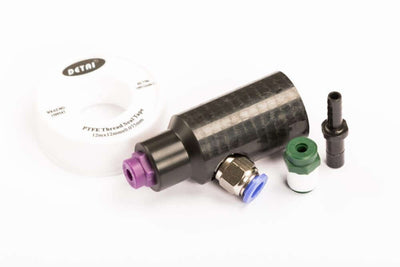
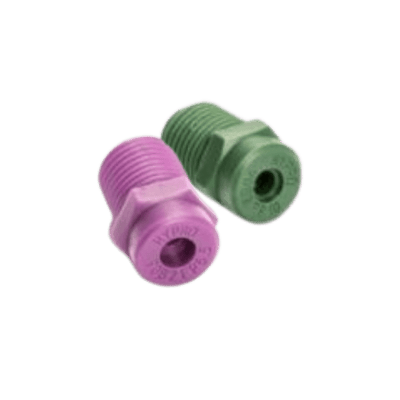
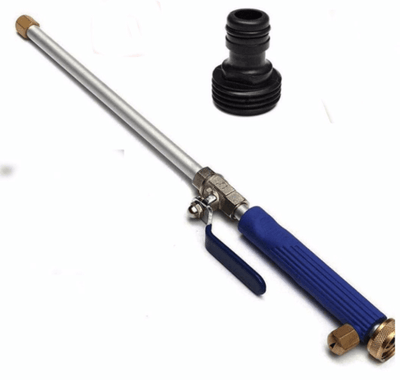
The right equipment helps apply treatment accurately and safely. For many roof cleaning jobs, contractors use controlled low-pressure application rather than aggressive blasting. Depending on the project, this may involve softwash pumps, poles, nozzles, hose management systems and suitable containers.
Important equipment considerations include:
- Accurate chemical application at low pressure
- Safe reach from scaffold, towers or ground-based systems where appropriate
- Good control to reduce overspray
- Chemical-compatible hoses, seals and fittings
- Reliable rinsing and plant protection equipment
- Clear separation of chemical and potable water systems
SoftWash UK supplies professional soft washing equipment for contractors who need controlled application systems for exterior cleaning work. Correct equipment selection should always follow the method statement and site-specific risk assessment.
How to Reduce the Return of Black Spot Lichen
You cannot permanently stop airborne spores from landing on a roof, but you can reduce the conditions that allow lichen to thrive.
Practical maintenance measures include:
- Keeping gutters and valleys clear
- Removing heavy moss before it holds moisture against tiles
- Trimming overhanging branches where appropriate
- Improving airflow and sunlight exposure where possible
- Scheduling periodic roof inspections
- Using maintenance treatments before contamination becomes severe
- Addressing leaks, drainage defects or persistent damp areas
For property maintenance teams and facilities managers, planned maintenance is usually more cost-effective than waiting until lichen, moss and algae are heavily established. A roof that is inspected and treated at sensible intervals is typically easier, safer and cheaper to maintain than one left for ten or fifteen years.
Practical Example: Why One Side of a Roof Turns Black
A common call from homeowners and facilities managers is: “Why is only one side of the roof covered in black spots?”
In most cases, the affected side is north-facing, shaded by trees, or sheltered from wind. It dries slowly after rainfall and collects more organic debris. Over time, algae and moss appear first, followed by more established black lichen. The sunnier elevation may remain cleaner because moisture evaporates faster.
This is why professional contractors should avoid giving a single blanket explanation. The cause is usually a combination of environmental factors rather than one isolated issue.
FAQ: Black Spot Lichen on Roof Tiles
What causes black spot lichen on roof tiles?
Black spot lichen is caused by airborne lichen spores settling on roof tiles and growing where conditions are damp, shaded and slow-drying. Porous or weathered tiles, tree cover, moss, organic debris and the UK climate all increase the likelihood of growth.
Is black spot lichen the same as moss?
No. Moss is a raised plant-like growth that often forms clumps or mats. Black spot lichen is a crust-like biological growth that bonds tightly to the tile surface. Moss is usually easier to remove physically, while black lichen often needs appropriate treatment and time to break down.
Can black lichen be pressure washed off roof tiles?
It can sometimes be reduced with pressure washing, but this may damage roof tiles if done incorrectly. High pressure can strip tile surfaces, drive water under laps and disturb fragile roof components. Professional assessment is essential before choosing any cleaning method.
Will softwashing remove black spot lichen immediately?
Not always. Softwashing can treat the biological growth, but black lichen may take time to fade and weather away. Severe or long-established lichen may need patience, correct dwell time and sometimes follow-up treatment.
Does black spot lichen mean the roof is failing?
Not necessarily. Lichen often indicates that the roof surface is damp, porous or shaded, but it does not automatically mean the roof has failed. However, an inspection is sensible, especially on older roofs or where moss, blocked gutters or damaged tiles are also present.
How can I stop black lichen coming back?
You cannot stop spores from landing on the roof, but you can reduce regrowth by improving drying conditions, keeping gutters clear, removing moss, cutting back overhanging branches and arranging periodic maintenance treatments.
Conclusion: Black Spot Lichen Is a Condition Problem, Not Just a Cleaning Problem
Black spot lichen on roof tiles is caused by a combination of airborne spores, moisture, shade, porous surfaces, organic debris and time. It is common across the UK because many roofs provide the damp, slow-drying conditions that lichen needs to establish.
The key to dealing with black lichen is understanding why it is there before choosing how to clean it. Heavy-handed pressure washing may appear to offer a quick fix, but it can create unnecessary roof damage. A professional softwashing approach focuses on correct identification, safe access, controlled application, suitable products, realistic expectations and long-term maintenance.
For contractors, property maintenance professionals and serious DIY users, SoftWash UK provides professional softwashing chemicals, equipment, training and educational resources to help you work safely and responsibly. Explore SoftWash UK’s roof cleaning guidance, consider structured training, and choose products and equipment that match the roof, the contamination and the risks on site.
If you want to improve your roof cleaning results and reduce avoidable mistakes, visit SoftWash UK for professional softwashing supplies, technical guidance and industry education.