The Secret to Longer Lasting Patio Cleaning Results
The secret to longer lasting patio cleaning results is not simply using more pressure or a stronger chemical. It is a complete process: correct assessment, proper pre-treatment, controlled mechanical cleaning, effective rinsing, targeted softwashing where appropriate, and a sensible aftercare plan that slows the return of algae, lichen, black spot and organic staining.
For UK exterior cleaning contractors, facilities managers, property maintenance teams and serious DIY users, the biggest difference between a patio that looks good for a few weeks and one that stays cleaner for months is how well the contamination is treated at source. Pressure washing alone often removes the visible surface grime, but if spores, biofilm and root-like lichen structures remain in the pores and joints, the patio will usually green up again quickly.
A longer lasting clean comes from understanding the surface, the type of contamination, drainage, shade, surrounding vegetation, and the correct use of professional cleaning chemistry. This article explains how to produce more durable patio cleaning results without damaging paving, overusing chemicals or creating unnecessary safety risks.
Why Patio Cleaning Results Often Do Not Last
Many patios are cleaned in a way that delivers an instant visual improvement but does very little to slow biological regrowth. This is especially common on north-facing patios, shaded courtyards, damp garden areas, beer gardens, care home paths and commercial sites with poor airflow.
The most common reason patio cleaning results fail early is that only the surface dirt has been removed. The underlying biological growth is still active, particularly in porous paving and open joints.
Common causes of rapid patio recontamination
- Biofilm left behind: Algae and bacteria can form a thin, slippery layer that pressure washing may not fully neutralise.
- Lichen and black spot not treated properly: Pressure alone may remove the top growth while leaving embedded staining and structures behind.
- Poor drainage: Standing water and damp joints encourage rapid organic growth.
- Heavy shade: Areas under trees, walls, fences and north-facing elevations stay damp for longer.
- Dirty joints: Moss and silt in joints act like a seed bed for regrowth.
- No post-treatment: A patio may look clean after washing, but untreated spores can rapidly recolonise the surface.
- Surface damage from over-pressure: Aggressive cleaning can roughen the surface, making it easier for grime and spores to lodge in the future.
Contractors who consistently achieve longer lasting results rarely rely on one method. They combine the right mechanical cleaning with carefully selected chemical treatment and clear aftercare advice.
The Role of Softwashing in Longer Lasting Patio Cleaning
Softwashing is a low-pressure cleaning method that uses cleaning solutions to treat organic contamination at a biological level. When used correctly, it can significantly improve the longevity of patio cleaning results because it deals with algae, spores, lichen and organic staining rather than only blasting away visible dirt.
If you are new to the method, SoftWash UK’s guide to softwashing explains the principles in more detail. In patio cleaning, softwashing is often used as a pre-treatment, a post-treatment, or a targeted treatment for stubborn biological staining.
It is important to understand that softwashing does not mean avoiding mechanical cleaning in every case. On many heavily soiled patios, the best results come from combining pressure washing and softwashing in the correct order. The skill is knowing when to use each method, how strong the treatment needs to be, and how to manage runoff safely.
Pressure washing versus softwashing on patios
Pressure washing is excellent for removing loose grime, mud, heavy soiling and compacted surface dirt. Softwashing is better at treating organic contamination and reducing regrowth. For many professional patio cleaning jobs, the two methods complement each other.
| Method | Best For | Limitations | Impact on Longevity |
|---|---|---|---|
| Pressure washing | Removing surface dirt, mud, loose moss and general grime | May not neutralise spores, algae, lichen or black spot at source | Results can be short-lived if no treatment is applied |
| Softwashing | Treating algae, biofilm, organic staining, lichen and black spot | Requires chemical knowledge, dwell time, safety controls and suitable conditions | Can extend the clean appearance when specified correctly |
| Combined process | Heavily soiled patios where both soil removal and biological treatment are needed | Takes more planning and professional judgement | Usually gives the most durable result on contaminated paving |
For a deeper comparison, the SoftWash UK Knowledge Centre article on softwashing vs pressure washing is useful for understanding where each method fits.
Step-by-Step Process for Longer Lasting Patio Cleaning Results
The exact process will vary depending on the paving type and level of contamination, but the following approach reflects how many professional exterior cleaners produce a more durable finish on patios, paths and hard landscaped areas.
1. Assess the patio before quoting or cleaning
A proper assessment prevents poor results, surface damage and pricing mistakes. Before choosing a method, check the following:
- Is the surface natural stone, concrete, porcelain, clay paver, block paving or resin-bound aggregate?
- Is there algae, moss, lichen, black spot, oil staining, rust staining or tannin staining?
- Are the pointing, joints, bedding and drainage in sound condition?
- Is there delicate planting, artificial grass, ponds, lawns or watercourses nearby?
- Where will rinse water and chemical runoff go?
- Is the patio used by children, pets, residents, tenants, customers or the public?
On commercial and managed properties, this assessment should be part of a documented method statement and risk assessment. For contractors building consistent systems, the Risk Assessment and Method Statement Pack for Exterior Cleaning can help structure safer working procedures and site-specific planning.
2. Dry sweep and remove loose material
Do not start by blasting everything with a pressure washer. First remove leaves, loose moss, soil, furniture, planters and loose debris. This makes the clean more efficient and reduces the amount of organic material entering drains.
On commercial sites, pay particular attention to slip hazards around entrances, smoking areas, bin stores, external dining areas and shaded walkways. These are often the zones where regrowth returns fastest because they stay damp and accumulate organic matter.
3. Pre-treat biological growth where appropriate
A pre-treatment can soften, loosen and begin neutralising organic contamination before mechanical cleaning. This is especially useful on green algae, mossy joints and slippery biofilm.
The correct pre-treatment depends on the surface and the contamination. Professional softwashing chemicals may include sodium hypochlorite-based solutions, biocidal treatments, surfactants and specialist stain removers. These must be selected and diluted properly, with full regard to safety data sheets, site conditions and environmental controls.
For contractors who mix and apply professional solutions, sodium hypochlorite for soft washing is commonly used in controlled applications for organic staining, but it must be handled responsibly. Strength, dwell time, runoff management, PPE and surface compatibility matter more than simply applying a stronger mix.
4. Use the right pressure, nozzle and technique
Pressure washing can damage patios when used aggressively. Soft sandstone, weathered concrete, old pointing and some decorative slabs can be scarred or opened up by excessive pressure. Once a surface has been etched, it may hold dirt more readily and become harder to keep clean.
Practical pressure washing tips include:
- Test a discreet area before cleaning the full patio.
- Use the lowest effective pressure rather than maximum force.
- Keep the lance moving to avoid striping and cut marks.
- Use suitable flat surface cleaners where appropriate for consistency.
- Avoid blasting directly into weak joints.
- Control overspray near doors, air bricks, vents and neighbouring property.
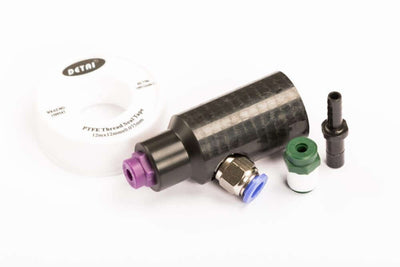
For some softwashing and controlled application work, professional soft washing equipment can help improve accuracy and reduce unnecessary chemical use compared with makeshift application methods.
5. Rinse thoroughly and manage the wastewater
Rinsing is not just cosmetic. It removes loosened soil, spent chemical, dead organic matter and residues that could otherwise dry back onto the surface or feed regrowth. On sloped patios, work with the fall of the surface. On flat or poorly drained areas, consider wet vacuuming or controlled water management where required.
Wastewater must be considered before the job starts. Do not allow contaminated runoff to enter sensitive areas, ponds or watercourses. In commercial settings, site rules, drainage plans and environmental controls may apply. Always follow current UK best practice and product safety guidance.
6. Apply a suitable post-treatment for longer lasting results
This is where many patio cleaning jobs fall short. A patio can look excellent immediately after pressure washing, but without a post-treatment the remaining spores and biofilm can recover quickly.
A controlled post-treatment helps treat residual organic contamination in pores, joints and textured surfaces. Depending on the site, this may be a softwash treatment for visible contamination or a residual biocide for slower cleaning and ongoing suppression of regrowth.
For example, a patio at the rear of a domestic property may benefit from treatment after washing because shaded paving near flower beds often greens up rapidly. A facilities manager responsible for a care home or retail entrance may specify regular maintenance treatments to reduce slip risk and avoid reactive emergency cleaning.
If you want more detail on expected longevity, SoftWash UK’s guide to how long does softwashing last explains the factors that influence results, including exposure, porosity, climate and contamination levels.
The Importance of Surfactants and Dwell Time
One of the most overlooked reasons for short-lived patio cleaning results is poor chemical contact. If a cleaning solution runs off too quickly, dries too fast, or fails to wet the surface properly, it cannot work as intended.
A surfactant helps improve wetting and cling, allowing the active ingredient to remain in contact with the contamination for longer. This can be particularly useful on textured paving, vertical edges, steps, coping stones and uneven natural stone.
Products such as Clever Wash Surfactant are designed to support professional softwashing applications by improving contact time and coverage. The aim is not to create more foam for appearance; it is to help the solution work more effectively and predictably.
Practical dwell time guidance
- Do not apply chemical and rinse it off immediately unless the product instructions require it.
- Do not allow strong solutions to dry on sensitive surfaces.
- Work in manageable sections on warm or windy days.
- Keep an eye on edges, drains, lawns, planting and metal fixtures.
- Follow product labels and safety data sheets rather than guesswork.
Patio Surface Types and Longevity Considerations
Different patio materials behave very differently. A method that works well on concrete flags may be unsuitable for delicate natural stone or porcelain. Long-lasting results depend on adapting the cleaning method to the surface.
| Surface Type | Common Issues | Best-Practice Approach |
|---|---|---|
| Indian sandstone | Black spot, algae, porous staining, soft edges | Careful pressure, suitable softwash treatment, controlled dwell time and thorough rinse |
| Concrete slabs | Algae, lichen, ingrained grime, surface wear | Mechanical clean plus post-treatment; avoid etching weak surfaces |
| Porcelain paving | Surface film, grout staining, slippery biofilm | Lower pressure, correct cleaning solution, avoid harsh abrasion |
| Block paving | Weed growth, joint loss, moss, oil stains | Clean carefully, re-sand where required, treat organic growth and target stains separately |
| Limestone | Organic discolouration, acid sensitivity, surface marking | Avoid unsuitable acidic cleaners; test first and use compatible treatments |
Always test first when dealing with unfamiliar paving, older surfaces or high-value landscaped areas. A small test patch can prevent an expensive complaint.
Common Mistakes That Shorten Patio Cleaning Results
Using pressure alone and expecting a long-term clean
Pressure washing can produce a dramatic before-and-after photograph, but that does not mean the contamination has been treated. On shaded patios, green algae can return quickly if the biological load is not addressed.
Applying chemicals too strong
Stronger is not automatically better. Over-strength application can increase risks to plants, surfaces, metals, clothing, pets, site users and the operator. It can also create unnecessary odour, runoff and compliance issues. Correct dilution and process control are signs of professionalism.
Ignoring drainage and shade
If a patio has poor drainage or remains damp under trees, no cleaning method will make it maintenance-free. Contractors should explain this during quoting. Facilities managers often appreciate honest advice about maintenance intervals rather than unrealistic promises.
Not protecting plants and surrounding surfaces
Plant protection, pre-wetting, controlled application, rinsing and runoff management are essential. Do not spray indiscriminately near lawns, borders, ponds, painted surfaces, anodised aluminium, decorative metals or untreated timber.
Cleaning at the wrong time of year and walking away
Patios can be cleaned year-round in the UK when conditions are suitable, but autumn leaf fall, winter damp and spring pollen can all affect how long the result lasts. A maintenance plan often gives better value than a once-a-year emergency clean.
How to Create a Maintenance Plan That Keeps Patios Cleaner for Longer
For contractors and property managers, the most reliable way to extend patio cleaning results is to move from one-off restoration cleaning to planned maintenance. This is especially important on commercial properties, hospitality venues, schools, healthcare sites and managed residential developments.
A practical maintenance schedule
- Initial deep clean: Remove heavy soiling, moss, algae and stains using the correct combination of mechanical cleaning and treatment.
- Post-treatment: Apply a suitable treatment to address remaining organic contamination.
- Inspection after 4 to 8 weeks: Check high-risk areas such as shaded corners, steps and drainage channels.
- Seasonal maintenance: Carry out light treatment before contamination becomes heavy again.
- Annual review: Adjust the plan based on weather exposure, footfall, drainage and surface condition.
For domestic patios, one thorough clean followed by periodic maintenance treatment can keep the area looking better for longer. For commercial sites, planned maintenance can also support safer access, brand standards and reduced slip hazard complaints.
Safety and Compliance Notes for Patio Cleaning
Professional patio cleaning involves water under pressure, trip hazards, chemical handling, public access control and environmental considerations. Longer lasting results should never come at the expense of safety.
Key safety controls
- Carry out a site-specific risk assessment before starting work.
- Use suitable PPE, including eye protection, gloves and footwear appropriate to the task.
- Read and follow all product labels and safety data sheets.
- Control public access using cones, barriers and signage where needed.
- Protect plants, lawns, water features, pets and neighbouring property.
- Prevent overspray and manage runoff responsibly.
- Never mix chemicals unless you are trained and the product guidance allows it.
- Store and transport chemicals legally and securely.
For contractors, formal training helps reduce costly mistakes and improves confidence when specifying treatments, pricing jobs and explaining methods to clients. If you want to see how professional softwashing training is structured before committing to the full programme, you can try selected lessons from the SoftWash UK course for free. It is a useful way to preview the training and understand the standards, safety thinking and practical approach behind professional softwashing.
Myths About Longer Lasting Patio Cleaning
Myth 1: “More pressure means a better clean”
More pressure can mean more damage. A better clean comes from matching the method to the surface and contamination. Over-pressure can strip jointing, expose aggregate, scar stone and create a rougher surface that soils more quickly.
Myth 2: “If it looks clean, it is clean”
A patio may look clean immediately after washing but still contain spores and organic residue. The true test is how it performs weeks and months later, especially after wet weather.
Myth 3: “All patios can be cleaned the same way”
Porcelain, sandstone, concrete, limestone and block paving all require different considerations. Surface identification is part of professional cleaning, not an optional extra.
Myth 4: “Softwashing replaces pressure washing completely”
Sometimes it does, but not always. On heavily soiled patios, pressure washing may still be needed to remove bulk contamination. The professional approach is to use the right method at the right stage.
Quoting Patio Cleaning for Longer Lasting Results
Contractors often underquote patio cleaning because they price only for a fast pressure wash. If the client wants longer lasting results, your quote should reflect the full process, including assessment, preparation, treatment, rinsing, plant protection and aftercare advice.
When quoting, consider:
- Square metre area and access difficulty.
- Water availability and drainage.
- Level of biological contamination.
- Surface type and sensitivity.
- Need for specialist stain treatment.
- Whether re-sanding or joint work is required.
- Public access and working hours restrictions.
- Wastewater management and compliance controls.
Clients should understand the difference between a basic wash and a more complete clean-and-treat process. This is especially important for facilities managers comparing quotes. A cheaper one-pass pressure wash may not deliver the same longevity as a professional process designed to treat organic growth properly.
FAQ: Longer Lasting Patio Cleaning Results
How long should patio cleaning results last?
It depends on the surface, exposure, drainage, shade and treatment method. A basic pressure wash in a damp shaded area may green up again quickly, while a properly cleaned and treated patio can stay visibly cleaner for considerably longer. High-risk areas may still need seasonal maintenance.
Does softwashing make patio cleaning last longer?
Yes, when used correctly and on suitable surfaces, softwashing can help patio cleaning results last longer because it treats organic contamination rather than simply removing visible dirt. It is particularly useful for algae, biofilm, lichen and black spot.
Can I pressure wash a patio and then apply a treatment afterwards?
Yes, this is a common professional approach. Pressure washing removes the bulk soiling, and a suitable post-treatment addresses remaining biological contamination. The surface should be assessed first, and all chemical application must follow product guidance and safety controls.
What is the best time of year to clean a patio?
Spring and early summer are popular because clients want outdoor areas ready for use, but patios can be cleaned at other times if conditions are suitable. For long-term results, avoid thinking only in seasons. A planned maintenance approach is often more effective.
Will sealing a patio keep it clean for longer?
A suitable sealer can help some surfaces resist staining and water ingress, but it is not a substitute for proper cleaning or biological treatment. The patio must be thoroughly cleaned, treated and dried as required before sealing. Not all paving is suitable for all sealers.
What causes black spots on patios?
Black spots are commonly associated with lichen and deeply embedded organic growth. They are especially common on natural stone such as sandstone. They are difficult to remove with pressure alone and usually require appropriate chemical treatment and dwell time.
Conclusion: Longer Lasting Patio Cleaning Comes from Process, Not Guesswork
The secret to longer lasting patio cleaning results is a professional system. Assess the surface properly, remove loose contamination, use pressure carefully, apply the right softwashing treatment where appropriate, manage dwell time, rinse thoroughly and give the client realistic aftercare advice.
For contractors, this approach improves results, reduces complaints and helps justify professional pricing. For facilities managers and property maintenance teams, it supports safer, cleaner external areas and more predictable maintenance planning. For serious DIY users, it helps avoid the common mistakes that lead to damaged paving or fast regrowth.
SoftWash UK supports the industry with practical education, professional softwashing products, equipment and training resources. If you want to improve your patio cleaning process, explore the SoftWash UK range of professional soft wash chemicals, equipment and educational guidance, or continue learning through the Softwashing Knowledge Hub.
Cleaner patios that stay cleaner for longer are rarely the result of one magic product. They come from correct diagnosis, safe working practice and a methodical cleaning process carried out by people who understand the surfaces they are treating.