How to Remove Algae From Exterior Walls
To remove algae from exterior walls properly, first identify the surface and the type of growth, then clean the wall using a controlled softwashing process rather than aggressive pressure washing. In most UK situations, the best method is to apply a suitable biocidal or softwash cleaning solution at the correct dilution, allow proper dwell time, rinse where required, and leave the treatment to continue breaking down organic growth over the following days and weeks.
For contractors, facilities managers and serious DIY users, the key is not simply making the wall look clean on the day. The real aim is to remove or neutralise the algae safely, protect the building fabric, manage chemical risk, and slow down regrowth. This is especially important on rendered walls, painted masonry, brickwork, stone, cladding, boundary walls and commercial facades where the wrong method can cause staining, surface damage or water ingress.
This guide explains how to assess algae on exterior walls, choose the right removal method, apply softwashing safely, avoid common mistakes and decide when professional training or specialist chemicals are needed.
Why Algae Grows on Exterior Walls in the UK
Algae thrives on damp, shaded and nutrient-rich surfaces. In the UK, exterior walls are frequently exposed to rain, high humidity, airborne dust, traffic film, pollen and organic debris. North-facing walls, walls beneath trees and poorly ventilated elevations are particularly prone to green algae and biofilm.
Common causes include:
- Persistent shade from trees, neighbouring buildings or roof overhangs
- Porous or rough surfaces that hold moisture
- Leaking gutters, downpipes or overflow pipes
- Ground splash from paths, driveways or soil beds
- Poor airflow around narrow side passages and courtyards
- Historic coatings that have started to retain dirt and moisture
In practice, algae is rarely the only contaminant present. Exterior walls often carry a mix of green algae, black mould, lichen, dirt, atmospheric pollution and sometimes mineral staining. Successful cleaning starts with understanding what you are treating rather than assuming every green wall needs the same approach.
Softwashing Versus Pressure Washing for Algae Removal
Pressure washing can remove visible algae quickly, but it is not always the safest or most effective approach for walls. High pressure can drive water into render cracks, open mortar joints, vents, electrical fittings and window seals. On painted walls and monocouche render, it may leave wand marks, scarring or uneven patches.
Softwashing uses low pressure and carefully selected cleaning chemistry to treat organic growth. It is usually the preferred method for algae on exterior walls because it addresses the biological contamination rather than simply blasting off the surface layer.
| Method | Best Used For | Main Advantages | Main Risks |
|---|---|---|---|
| Softwashing | Algae, mould and organic staining on render, brick, painted walls and cladding | Low pressure, treats biological growth, often gives longer-lasting results | Requires correct chemical selection, dilution, PPE, runoff control and training |
| Pressure washing | Robust hard surfaces where water ingress is not a concern | Fast visual improvement, useful for some hard landscaping | Can damage render, paint, mortar, seals and fragile surfaces |
| Manual scrubbing | Small areas, delicate details, spot cleaning | Good control, low equipment requirement | Labour-intensive and may not kill remaining growth |
Before You Start: Assess the Wall Properly
A good exterior cleaning contractor will spend time inspecting the building before applying any product. This reduces risk, improves results and helps avoid disputes with clients.
Check the Surface Type
Different wall materials respond differently to moisture, pressure and chemicals. Pay particular attention to:
- Rendered walls: especially monocouche, silicone render, lime render and older cement render. Avoid high pressure and aggressive scrubbing.
- Painted masonry: check for flaking paint, chalking coatings and previous repairs.
- Brickwork: inspect mortar condition, spalled bricks and air bricks.
- Natural stone: identify limestone, sandstone, granite or other sensitive materials before treatment.
- Cladding: check coating type, fixings, seals and manufacturer guidance.
Identify What You Are Cleaning
Green algae usually appears as a green film or staining that is worse on shaded damp elevations. Black staining may be mould, cyanobacteria, pollution or embedded dirt. White staining may be efflorescence. Orange or brown marks may be rust or tannin staining. These are not all treated in the same way.
If you are unsure, test a small inconspicuous area first and allow enough time to judge the reaction. On commercial buildings, record the test patch with photographs as part of your job file.
Look for Moisture Problems
If algae growth is concentrated below a gutter joint, overflow pipe or leaking coping stone, cleaning alone will not solve the root cause. The wall may look better temporarily, but the algae will return quickly unless the moisture source is corrected.
Choosing the Right Chemical Approach
The correct product depends on the surface, the severity of growth, the desired speed of result, environmental controls and whether the wall needs an immediate clean appearance or a slower residual treatment.
SoftWash UK supplies professional exterior cleaning chemicals for trained and competent users. If you are comparing product types, the SoftWash UK soft wash chemicals range is a useful reference point for understanding the types of treatments used in professional softwashing.
Sodium Hypochlorite Softwashing
Sodium hypochlorite is widely used in professional softwashing because it can quickly break down algae, organic staining and biofilm when used correctly. It is commonly used where a strong visual improvement is needed during the same visit.
However, it must be handled responsibly. It can affect plants, metals, fabrics, certain paints and sensitive surfaces if misused. It must never be mixed with acids, ammonia or incompatible chemicals. Contractors should follow the product safety data sheet, complete a risk assessment and use suitable personal protective equipment.
For professional users who understand dilution, application and rinsing, sodium hypochlorite for soft washing can be an effective option for algae-covered walls, but it should not be treated as a casual household cleaner.
Quaternary Ammonium Compound Biocides
Quaternary ammonium compound treatments, often referred to as QAC or DDAC-based biocides, are commonly used for longer-term control of organic growth. They are usually slower acting than sodium hypochlorite but can be useful where a residual biocidal effect is desired.
Products such as Soft Wash Pro 50 DDAC are typically used by professional operators for treating organic growth on exterior surfaces as part of a controlled softwashing process. As with all biocides, label instructions, dilution guidance and environmental precautions matter.
Surfactants and Why They Matter
On vertical walls, dwell time is critical. A solution that runs straight down the wall will have less contact time with the algae. A suitable surfactant helps the cleaning solution cling to the surface, wet the biofilm more evenly and reduce patchy results.
A professional surfactant such as Clever Wash Surfactant can help improve coverage on vertical exterior walls when used as directed. It is not a substitute for correct chemical choice, but it can make a noticeable difference to application control and consistency.
Step-by-Step: How to Remove Algae From Exterior Walls
The following process reflects a practical softwashing approach used by competent exterior cleaning professionals. Always adapt the method to the specific surface, access conditions, product instructions and site risks.
1. Carry Out a Site Risk Assessment
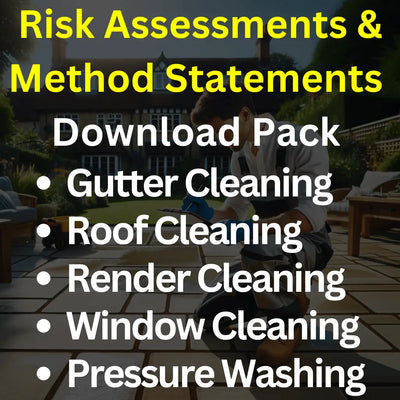
Before mixing or applying anything, assess the site. Consider working at height, public access, overspray, nearby vehicles, electrical fittings, pets, ponds, planting and drainage. For commercial work, documented RAMS are usually expected by facilities managers and principal contractors.
SoftWash UK provides a Risk Assessment and Method Statement pack for exterior cleaning, which can help contractors structure their safety paperwork and think through the practical controls needed on site.
2. Protect Sensitive Areas
Pre-wet nearby plants, grass and delicate surfaces where appropriate. Move vehicles, cover vulnerable items, isolate outdoor sockets where safe to do so and check that windows are closed. Avoid working in strong wind where overspray cannot be controlled.
On commercial sites, place warning signs and manage pedestrian routes. On domestic sites, speak to the occupier before starting and explain which doors, windows or areas should remain closed during treatment.
3. Dry Brush Heavy Loose Growth if Needed
If the wall has heavy moss, cobwebs, loose debris or thick surface deposits, remove what you can manually before applying chemical. This improves contact with the algae and reduces product waste. Use a soft brush on delicate render or painted surfaces.
4. Mix the Cleaning Solution Correctly
Always mix according to the product label, site conditions and the level of contamination. Never guess. Use clean containers, suitable chemical-resistant equipment and clear labelling. If using sodium hypochlorite-based solutions, avoid contamination with other chemicals and never mix with acids.
For contractors, consistency is important. If you clean one elevation at one strength and another at a different strength without a reason, the final appearance may be uneven. Keep job notes, especially on larger commercial sites where repeat maintenance may be required.
5. Apply at Low Pressure
Apply the solution from the bottom upwards or in controlled sections depending on the product and surface. Maintain even coverage and avoid flooding vents, cracks, electrical fittings or window seals. Low-pressure application is usually safest for walls because it reduces the risk of forcing water into the building envelope.
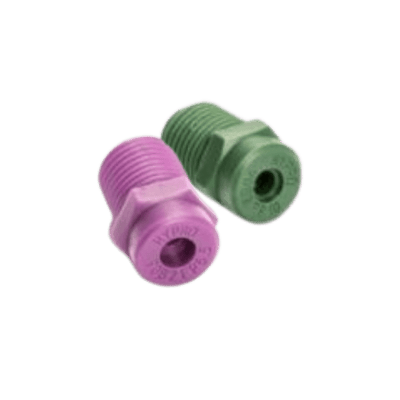
Use equipment that allows controlled delivery. Fan tips, softwash nozzles, poles and dedicated application systems all have their place, but the operator must understand flow, reach, dilution and overspray control.
6. Allow Proper Dwell Time
Dwell time is where much of the work happens. The cleaning solution needs time to wet the growth and break down the biofilm. Do not let the surface dry out too quickly in warm or windy conditions. Reapply lightly if the product instructions allow and it is safe to do so.
Typical dwell times vary depending on the product, temperature, algae load and surface porosity. A lightly contaminated painted wall may react quickly. A cold, damp, heavily affected north-facing render elevation may need longer or a second treatment.
7. Rinse Where Required
Some treatments require rinsing; others are designed to be left to weather down. Follow the product guidance. Where rinsing is needed, use low pressure on vulnerable walls. The aim is to remove residues and dead organic matter without damaging the substrate.
On render, avoid holding a pressure lance close to the surface. On brickwork, be careful around old lime mortar, air bricks and defective joints. On cladding, pay attention to laps, seals and penetrations.
8. Inspect and Manage Expectations
Some algae removal jobs look dramatically better before you leave site. Others continue improving over several days or weeks, especially where slower-acting biocidal treatments are used. Explain this to clients before starting so they understand the process.
Take before and after photographs from consistent angles. For facilities managers, photographs provide useful maintenance records and help justify planned cleaning schedules.
Best Practice for Different Wall Types
| Wall Type | Recommended Approach | Important Cautions |
|---|---|---|
| Monocouche or coloured render | Low-pressure softwash, test patch, controlled dwell time | Avoid aggressive pressure washing and harsh brushing that can scar the finish |
| Painted masonry | Check paint stability, use mild controlled application first | Loose or chalking paint may fail during cleaning |
| Brickwork | Softwash or careful rinse depending on mortar condition | Old mortar and spalled bricks can be damaged by high pressure |
| Natural stone | Identify stone type and test before treatment | Some stones are chemically sensitive and may discolour |
| Cladding | Use low-pressure application and rinse in line with coating guidance | Protect seals, fixings and powder-coated finishes |
Common Mistakes When Removing Algae From Walls
Using Too Much Pressure
High pressure can make a wall look clean quickly, but it can also remove surface coatings, etch render and force water behind the facade. Many insurance claims in exterior cleaning begin with “it was only a quick pressure wash”. Use pressure only where the substrate can tolerate it.
Assuming All Green Staining Is the Same
Green algae, black mould, lichen, pollution and mineral staining need different approaches. If you apply the wrong treatment, you may waste time, damage the surface or leave the client disappointed.
Skipping the Test Patch
Test patches are especially important on painted walls, coloured render, natural stone and older surfaces. A small test area can reveal coating weakness, colour change, unexpected staining or poor reaction before the full elevation is treated.
Letting Chemicals Dry on the Surface
Some products should not be allowed to dry before rinsing. Drying can increase the risk of streaking or residue marks. Work in manageable sections, avoid hot direct sun where possible and keep control of dwell time.
Ignoring Plant and Runoff Protection
Plants, ponds, lawns and drainage routes need consideration. Pre-wetting, controlled application, collection or dilution of runoff, and post-rinse procedures can all be part of a responsible method. Never allow chemicals to enter watercourses.
Failing to Address the Cause
If algae is caused by a leaking gutter, overflowing hopper, blocked drain or poor ventilation, cleaning is only part of the solution. A professional report should highlight these contributing factors.
Safety and Compliance Notes for UK Contractors
Anyone using professional cleaning chemicals has duties under UK health and safety law. At minimum, contractors should understand COSHH assessment, PPE requirements, safe transport, storage, labelling, dilution, first aid, environmental protection and waste considerations.
Key safety points include:
- Read the product label and safety data sheet before use
- Wear suitable gloves, eye protection, protective clothing and respiratory protection where required
- Do not mix incompatible chemicals
- Control public access and overspray
- Plan work at height properly and avoid unsafe ladder practices
- Protect plants, ponds, metals, fabrics and sensitive finishes
- Store chemicals securely and transport them legally
- Keep written records for commercial and facilities work
For contractors who want to build their knowledge before investing in full training, SoftWash UK offers a free course preview with selected lessons from the full training programme. It gives you a practical look at the teaching style, structure and professional approach used inside the course.
How to Slow Down Algae Regrowth
No exterior wall stays clean forever, especially in damp UK conditions. However, good cleaning practice and sensible maintenance can extend the time between treatments.
- Keep gutters, downpipes and overflow pipes working properly
- Trim vegetation to improve airflow and reduce shade
- Clean walls before growth becomes thick and established
- Use suitable biocidal treatments where appropriate
- Set up planned maintenance for commercial and high-risk elevations
- Record products, dilution, weather and results for future visits
Facilities managers should consider algae removal as part of planned exterior maintenance, not just a reactive clean when a building starts to look neglected. Regular inspection helps identify leaks, coating failure and biological growth before they become more expensive problems.
When Should You Call a Professional?
Serious DIY users can often deal with small areas of light algae at low level, provided they use suitable products safely and follow the manufacturer’s instructions. However, professional help is recommended where there is work at height, large elevations, delicate render, listed buildings, commercial premises, heavy contamination or uncertainty about the surface.
Contractors should also be realistic about competence. Softwashing is not simply “spray and walk away”. Correct chemical selection, dilution, dwell time, rinsing, runoff management and surface knowledge all affect the result. Professional training helps reduce costly errors and improves both safety and client outcomes.
Frequently Asked Questions
What is the best way to remove green algae from exterior walls?
The best method is usually low-pressure softwashing using a suitable algae treatment or biocidal cleaner. This treats the organic growth without relying on aggressive pressure. The exact product and dilution depend on the wall material, level of contamination and site risks.
Can I pressure wash algae off render?
It is not usually recommended to pressure wash render aggressively. High pressure can scar the surface, expose aggregate, create wand marks or drive water into cracks. A controlled softwash treatment is normally safer for rendered walls.
How long does softwashing take to work on algae?
Some softwashing treatments produce visible improvement within minutes, especially on green algae. Other biocidal treatments continue working over days or weeks as the organic growth dies back and weathers away. Always explain expected results before starting the job.
Will algae come back after cleaning?
Yes, algae can return over time, particularly on shaded, damp or poorly ventilated walls. Correct treatment can slow regrowth, but long-term control also depends on moisture management, airflow, surface condition and planned maintenance.
Is sodium hypochlorite safe to use on exterior walls?
Sodium hypochlorite can be effective when used by competent people at the correct dilution and with suitable precautions. It can also damage plants, metals, fabrics and some surfaces if misused. Always follow the safety data sheet, product guidance and relevant risk assessments.
Do I need to rinse after treating algae?
It depends on the product and surface. Some treatments require rinsing after dwell time, while others are designed to remain on the surface and continue working. Follow the manufacturer’s instructions and consider the risk of residues, runoff and staining.
Conclusion: Remove Algae Safely, Not Just Quickly
Removing algae from exterior walls is not just a cosmetic task. It involves understanding the surface, identifying the biological growth, choosing the right treatment and applying it safely. For UK contractors and facilities teams, the difference between a good job and a risky one often comes down to preparation, product knowledge and control.
Softwashing is usually the most suitable method for algae on render, brick, painted masonry and many types of cladding because it treats the organic growth at low pressure. Pressure washing still has its place, but it should not be the default choice for vulnerable wall surfaces.
If you want to improve your results, reduce risk and work more professionally, explore SoftWash UK’s range of professional chemicals, safety resources and training. SoftWash UK supports exterior cleaning contractors with products, documentation and education designed around safe, responsible softwashing practice in the UK.