How to Remove Algae From Driveways
To remove algae from a driveway properly, you need to kill the biological growth, lift the contamination from the surface, rinse it away safely and take steps to slow regrowth. For most professional exterior cleaning jobs in the UK, the best result comes from combining controlled surface preparation, the correct softwashing chemistry, suitable dwell time and careful rinsing or pressure washing where appropriate.
Pressure washing alone can make a green driveway look clean on the day, but it often leaves live spores and growth in the pores of the surface. That is why algae frequently returns within weeks or months, especially on shaded, damp driveways. A more professional approach is to treat the algae biologically, then clean the surface in a way that suits the material, whether that is block paving, concrete, tarmac, resin-bound aggregate, natural stone or porcelain.
This guide is written for UK exterior cleaning contractors, property maintenance professionals, facilities managers and serious DIY users who want a safe, practical and commercially sensible method for removing algae from driveways.
Why Algae Grows on Driveways
Algae grows when moisture, shade and organic matter are present. In the UK, driveways are particularly prone to algae because of frequent rainfall, low winter sunlight, overhanging trees, poor drainage and porous surfaces that hold moisture.
Common causes include:
- North-facing or shaded areas that dry slowly
- Blocked drains or poor falls causing standing water
- Leaf litter, soil and organic debris left on the surface
- Porous materials such as block paving, concrete and natural stone
- Run-off from lawns, borders and moss-covered roofs
- Previous cleaning with water only, without treating the biological growth
On commercial sites, algae is not just a cosmetic issue. It can create a slip hazard on pedestrian routes, loading areas, car parks and entrance zones. For facilities managers, that makes algae control part of wider site safety, planned maintenance and risk management.
Algae, Moss, Lichen and Black Spots: Know What You Are Treating
Before choosing a cleaning method, identify the type of growth. Contractors often receive enquiries for “green driveways”, but the contamination may include algae, moss, lichen, black spot, oil staining and general atmospheric grime.
| Contamination | Typical Appearance | Common Driveway Locations | Cleaning Consideration |
|---|---|---|---|
| Algae | Green, slippery film or staining | Shaded and damp areas | Needs biological treatment, not just water pressure |
| Moss | Thicker, raised green growth | Block paving joints, edges and cracks | Remove bulk growth before chemical treatment |
| Lichen | White, grey, yellow or black crusty spots | Concrete, stone and older paving | Often needs repeat treatment and patience |
| Black spot | Dark embedded spotting | Natural stone, concrete and slabs | Usually more stubborn than surface algae |
| Oil stains | Dark greasy patches | Parking areas and garage fronts | Requires a degreasing or oil stain treatment before or after algae removal |
Correct identification prevents over-cleaning, unnecessary chemical use and customer disappointment. It also helps you quote properly. A light green film on new concrete is a very different job from a heavily affected block paved driveway with moss-filled joints, oil staining and poor drainage.
Softwashing vs Pressure Washing for Algae on Driveways
Both softwashing and pressure washing have a place in driveway cleaning, but they do different jobs. Pressure washing uses mechanical force to remove visible soil and surface contamination. Softwashing uses selected cleaning chemistry at low pressure to treat organic growth such as algae, moss and lichen.
If you are new to the process, SoftWash UK’s Knowledge Centre guide on softwashing explains the method in more detail. For driveways, the key point is that softwashing targets the living growth, while pressure washing mainly removes what is sitting on or near the surface.
| Method | Best For | Limitations | Professional Use |
|---|---|---|---|
| Pressure washing only | Removing loose dirt, mud, sand and surface grime | May not kill algae spores; can damage weak joints or soft surfaces | Useful when controlled and matched to the surface |
| Softwashing only | Killing algae and treating biological staining | May not remove heavy sediment or compacted soil without rinsing or agitation | Excellent for aftercare, maintenance and sensitive areas |
| Combined method | Heavily soiled driveways with active biological growth | Requires more planning, water management and surface knowledge | Often the most professional approach for long-lasting results |
For a deeper comparison, read the SoftWash UK Knowledge Centre article on softwashing vs pressure washing. Understanding the difference matters because many driveway complaints come from using the wrong method for the surface.
The Best Way to Remove Algae From a Driveway
The best method is to inspect the surface, remove loose debris, protect surrounding areas, apply a suitable algae treatment, allow controlled dwell time, agitate or rinse as needed, then consider a post-treatment to slow regrowth. On many driveways, a pre-treatment followed by controlled pressure washing gives a visibly clean result, while a final biocidal treatment can help extend the clean period.
Step 1: Inspect the Driveway and Identify the Surface
Start with a proper survey. This is where experienced contractors separate themselves from “turn up and blast” operators.
Check:
- Surface type: block paving, concrete, tarmac, resin-bound, stone, porcelain or imprinted concrete
- Condition of joints, pointing, sealer or coatings
- Drainage routes and where rinse water will go
- Nearby lawns, planting, ponds and watercourses
- Presence of oil stains, rust, tyre marks or efflorescence
- Access, trip hazards and public interaction
Always test a small area where there is any doubt. Some surfaces, especially older tarmac, poorly laid resin-bound aggregate, sealed paving and soft stone, can be damaged by aggressive pressure or unsuitable chemical application.
Step 2: Remove Loose Debris and Heavy Growth
Brush or scrape away leaves, mud, moss clumps and loose organic matter before applying any treatment. This improves chemical contact and reduces unnecessary product use.
On block paving, moss often sits in the joints. Remove heavy growth first, but avoid ripping out stable jointing material unnecessarily. If joints are full of moss and soil, explain to the customer that re-sanding may be required after cleaning.
Step 3: Protect Surrounding Areas
Good preparation prevents complaints. Pre-wet sensitive plants, move pots and furniture, protect metals where needed and control access. On commercial sites, use cones, signage and barriers to manage pedestrian and vehicle movement.
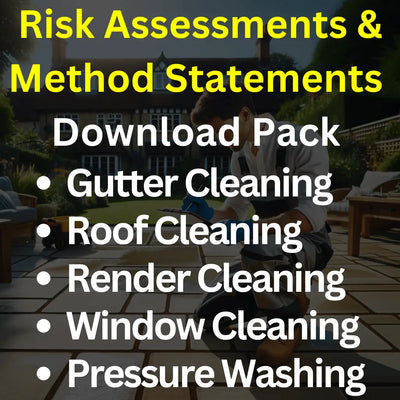
When using professional cleaning chemistry, contractors should work to a written risk assessment and method statement. SoftWash UK supplies a Risk Assessment and Method Statement pack for exterior cleaning, which can help businesses improve consistency, site safety and compliance documentation.
Step 4: Apply the Correct Algae Treatment
For algae removal, professional contractors commonly use softwashing chemistry designed to treat organic growth. The exact product and application method will depend on the surface, level of contamination, weather, customer expectations and site controls.
SoftWash UK’s guide to softwashing chemicals explains the main chemical categories used in professional softwashing, including oxidising products and biocidal treatments. For driveway algae, the aim is not to throw the strongest product at the surface. The aim is to use the right product safely, at a suitable strength, with enough dwell time to work.
Where appropriate, contractors may use professional products from the Soft Wash Chemicals range. Products such as Sodium Hypochlorite for soft washing can be effective on organic growth when used by trained users following product guidance, PPE requirements and risk controls. For maintenance treatments and residual biocidal action, Soft Wash Pro 50 DDAC may be considered where suitable and compliant for the task.
Step 5: Allow Safe Dwell Time
Dwell time is the period the treatment remains active on the surface. Cutting dwell time short is one of the most common reasons for poor results. However, leaving chemicals to dry out on a surface can also cause problems.
In practice, dwell time depends on:
- Temperature and weather conditions
- Amount of algae present
- Surface porosity
- Product type and label instructions
- Whether agitation is needed
Keep the area under observation. Do not allow unauthorised access while the surface is being treated. On public or commercial sites, plan work outside peak footfall where possible.
Step 6: Agitate, Rinse or Pressure Wash as Required
Light algae on a fairly clean surface may only need treatment and rinsing. Heavier contamination often benefits from mechanical assistance, such as brushing, surface cleaning or controlled pressure washing.
Use the least aggressive method that achieves the required result. On block paving, a rotary surface cleaner can produce an even finish, but the operator still needs to manage joint loss, splash, slurry and drainage. On concrete, pressure can usually be used more confidently, but poor technique can still leave stripes. On tarmac, resin-bound and delicate natural stone, caution is essential.
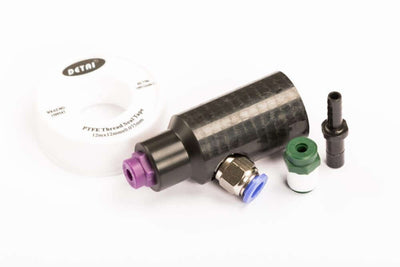
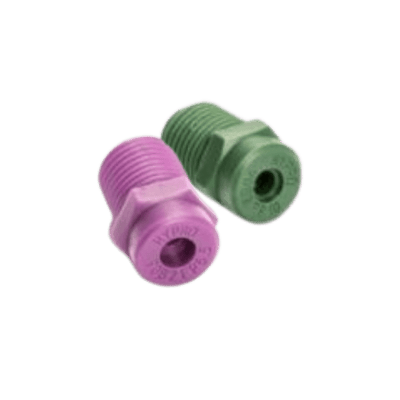
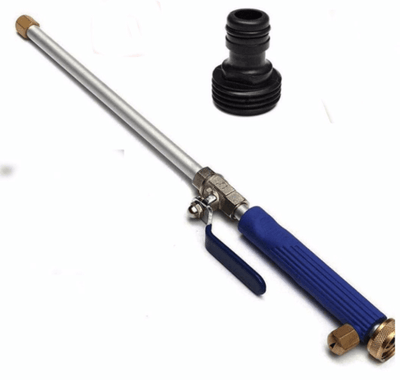
SoftWash UK’s soft washing equipment range includes professional application equipment designed for controlled chemical delivery. Good equipment improves consistency, but it does not replace training, judgement and surface knowledge.
Step 7: Post-Treat to Slow Regrowth
Once the driveway is clean, a post-treatment can help reduce rapid regrowth. This is particularly useful in shaded areas, under trees and on porous surfaces.
Customers often ask: “How long will it stay clean?” The honest answer depends on conditions. A sunny, well-drained concrete driveway may stay clean for much longer than a shaded block paved driveway under trees. SoftWash UK’s Knowledge Centre article on how long does softwashing last gives more context on the factors that influence longevity.
Surface-Specific Advice for Driveway Algae Removal
Block Paving
Block paving is one of the most common UK driveway surfaces and one of the most prone to algae and moss. The joints hold moisture, soil and organic matter, which creates ideal growth conditions.
Best practice:
- Remove heavy moss before treatment
- Use controlled pressure to avoid excessive joint loss
- Expect re-sanding after thorough cleaning
- Consider a biocidal post-treatment in shaded areas
- Warn customers that weeds and moss may return if drainage and maintenance are poor
Concrete Driveways
Concrete is generally more robust than many decorative surfaces, but it is still porous and can hold algae in the surface texture. Older concrete may also contain cracks, weak edges or previous patch repairs.
Use a balanced approach: softwash to treat the algae, then rinse or pressure clean to remove dead growth and dirt. Avoid using excessive pressure close to expansion joints, damaged areas or decorative finishes.
Tarmac Driveways
Tarmac requires caution. Aggressive pressure washing can scar the surface, remove fines and leave permanent marks. Strong chemical use may also affect the surface if applied incorrectly.
For tarmac, a lower-pressure treatment-led approach is usually safer. Always test first, follow product guidance and manage customer expectations. Old, oxidised or poorly laid tarmac should be treated conservatively.
Resin-Bound Driveways
Resin-bound aggregate is often sold as low maintenance, but algae can still grow where moisture and shade are present. Avoid harsh mechanical cleaning that may loosen aggregate or damage the resin matrix.
Use suitable cleaning chemistry and low-pressure rinsing. Check the installer’s maintenance guidance where available, especially if the surface is under warranty.
Natural Stone and Porcelain
Natural stone varies widely. Sandstone, limestone and granite all behave differently. Some stones are sensitive to certain chemicals, and older installations may have weak pointing. Porcelain is less porous but can become slippery when algae forms on the surface film.
Always test first and avoid assuming that one driveway method suits every hard surface.
Safety and Best Practice for Algae Removal
Driveway algae removal involves slip risk, chemical handling, public access, rinse water control and sometimes pressure washing equipment. Treat it as a professional task, not just a quick clean.
PPE and Operator Safety
Wear suitable personal protective equipment based on the product safety data sheet and site risk assessment. This may include chemical-resistant gloves, eye protection, suitable footwear, protective clothing and respiratory protection where required by the task and product guidance.
Never mix chemicals unless the manufacturer has specifically designed and instructed that use. In particular, do not mix bleach-based products with acids, ammonia or unknown cleaners. Unsafe mixing can create dangerous gases.
Run-Off and Environmental Controls
Plan where water and residues will go. Protect drains where appropriate, prevent uncontrolled discharge to sensitive areas and avoid contamination of ponds, watercourses and planted borders. On commercial or local authority sites, agree controls in advance.
Good contractors also consider the weather. Heavy rain can wash product away before it works and increase run-off risk. Hot, dry conditions may cause premature drying. Wind can create overspray issues near vehicles, glass, metals and planting.
Customer and Public Safety
Algae-covered driveways are slippery before cleaning, during treatment and sometimes after rinsing. Keep people off the working area until it is safe. On commercial sites, use clear exclusion zones and communicate with site contacts.
Common Mistakes When Removing Algae From Driveways
Mistake 1: Pressure Washing Without Killing the Growth
This is the classic short-term fix. The surface looks clean, but algae soon returns because the biological growth has not been properly treated. For repeat customers, this leads to frustration and reduced trust.
Mistake 2: Using Too Much Pressure
High pressure can damage tarmac, disturb block paving joints, etch concrete, mark soft stone and force water into areas where it should not go. More pressure is not the same as better cleaning.
Mistake 3: Ignoring Drainage Problems
If water sits on the driveway after rainfall, algae will return faster. Cleaning improves the surface, but it does not solve poor falls, blocked channels or failed drainage.
Mistake 4: Treating All Driveways the Same
A resin-bound driveway, a concrete yard and a sandstone entrance path need different levels of pressure, different expectations and often different cleaning strategies.
Mistake 5: Quoting Without Seeing the Whole Job
Photos help, but they do not always show joint condition, surface weakness, access problems, drainage, nearby plants or oil staining. Where possible, survey properly or ask targeted questions before pricing.
When Oil Stains Are Present as Well as Algae
Many driveway cleaning jobs involve more than algae. Vehicle oil, diesel, grease and tyre marks may need separate treatment. Biological cleaners are not always the right choice for oil contamination, and pressure washing alone can spread an oil stain into a larger shadow.
Where oil staining is part of the job, a dedicated product such as Grenade Driveway Oil Stain Remover may be more suitable. Treat oil stains as a separate cleaning issue, set realistic expectations and test first, especially on porous or older surfaces.
How to Reduce Algae Regrowth on Driveways
No exterior surface stays clean forever, but maintenance makes a significant difference. After algae removal, advise customers or site teams to reduce the conditions that encourage regrowth.
- Keep the driveway swept and free from leaves
- Cut back overhanging vegetation where practical
- Clear drainage channels and gullies
- Improve airflow and sunlight where possible
- Schedule periodic maintenance treatments
- Deal with moss in joints before it becomes established
- Avoid leaving soil, compost or grass cuttings on the surface
For contractors, this creates an opportunity to offer maintenance plans rather than one-off reactive cleans. A light maintenance treatment every year or two may be more cost-effective for the customer than waiting until the driveway becomes slippery and heavily contaminated again.
Professional Training Helps Prevent Expensive Mistakes
Driveway algae removal looks simple until something goes wrong: damaged tarmac, bleached timber gates, dead planting, etched stone, unsafe run-off or a poor result that has to be corrected. Training helps contractors understand surface limitations, chemical safety, application methods, site controls and customer communication.
If you want to see how professional softwashing training is structured before committing to the full programme, you can try selected lessons from the SoftWash UK course for free. It is a useful way to preview the training and understand the standards, safety thinking and practical approach behind professional softwashing.
FAQ: Removing Algae From Driveways
What is the fastest way to remove algae from a driveway?
The fastest visible result usually comes from applying a suitable algae treatment, allowing controlled dwell time and then rinsing or pressure washing the surface. However, speed should not come at the expense of safety or surface protection. The correct method depends on the driveway material and level of contamination.
Will pressure washing kill algae?
Pressure washing can remove visible algae, but it does not always kill the growth within the pores of the surface. That is why algae often returns quickly after pressure washing alone. Treating the biological growth with appropriate softwashing chemistry gives a longer-lasting clean in many situations.
Can I remove algae from a driveway without pressure washing?
Yes, light algae can often be treated using a softwashing approach and then rinsed at low pressure. However, if the driveway also has compacted dirt, moss, mud or heavy soiling, some mechanical cleaning may be needed to achieve a clean finish.
Is algae on a driveway dangerous?
Algae can make driveways slippery, especially when wet. This is a concern for domestic properties, commercial entrances, car parks, ramps and pedestrian routes. For facilities managers, algae should be treated as a potential slip hazard and addressed through planned maintenance.
How long does algae removal last?
Longevity depends on shade, moisture, drainage, surface porosity and maintenance. A well-drained sunny driveway may stay cleaner for longer, while a shaded driveway under trees may show regrowth sooner. Post-treatment and routine maintenance can significantly improve results.
Can strong chemicals damage a driveway?
Yes. Incorrect product choice, excessive strength, poor dwell control or failure to protect surrounding materials can cause damage. Always follow product instructions, consult safety data sheets, test first and use appropriate PPE and site controls.
Should block paving be re-sanded after algae removal?
Often, yes. If pressure washing removes jointing sand, the paving should usually be re-sanded once dry to help maintain stability and reduce movement. Explain this to customers before starting so it is included in the quote where required.
Conclusion: The Professional Way to Remove Algae From Driveways
Removing algae from driveways is not just about blasting away green staining. The best results come from understanding the surface, treating the biological growth, using pressure carefully where needed and putting safety controls in place from start to finish.
For contractors and property professionals, the most reliable approach is usually a treatment-led cleaning method supported by good survey work, suitable equipment, compliant chemical handling and clear customer expectations. This produces a cleaner driveway, reduces rapid regrowth and helps avoid costly damage.
SoftWash UK supports the exterior cleaning industry with professional softwashing chemicals, equipment, training and educational resources. If you want to improve your driveway algae removal process, explore the SoftWash UK Knowledge Centre, review suitable professional products and consider formal training to build safer, more consistent working methods.
To continue learning, visit SoftWash UK for professional softwashing guidance, products and training resources designed for UK contractors and serious exterior cleaning professionals.