Can You Learn Softwashing Online?
Yes, you can learn a significant amount of softwashing online, especially the theory, safety principles, chemical awareness, equipment selection, survey process, pricing structure and business fundamentals. However, online learning should not be treated as a complete substitute for practical training, supervised experience and proper site-based risk assessment. Softwashing involves working with professional cleaning chemicals, water management, plant protection, access equipment, public safety and different exterior surfaces, so real-world judgement matters.
For UK exterior cleaning contractors, property maintenance professionals, facilities managers and serious DIY users, the best approach is blended learning: use online softwash training and educational resources to build a strong foundation, then reinforce that knowledge through practical training, controlled practice and compliant working procedures.
In simple terms: online softwashing education can teach you what to do, why it works and what can go wrong. Practical experience teaches you how to apply that knowledge safely on real buildings, driveways, render, roofs, patios and commercial sites.
What Does “Learning Softwashing Online” Actually Mean?
Softwashing is not simply spraying a chemical and waiting for a surface to clean itself. It is a controlled exterior cleaning method that uses low-pressure application, appropriate cleaning solutions, dwell time, agitation where needed and safe rinsing or natural weathering to remove and control organic growth such as algae, lichen, mould and biofilm.
When people ask whether they can learn softwashing online, they are usually asking one of three things:
- Can I learn enough online to start offering softwashing professionally?
- Can I learn how to clean my own property safely?
- Can I train staff or facilities teams without sending everyone away on a course?
The answer depends on the level of risk involved. Cleaning a small section of slippery algae from a private path is very different from treating a school building, a supermarket entrance, a block of flats, a roof, heritage stone or a public-facing commercial site.
Good online softwash education should cover more than application technique. It should teach surface identification, chemical compatibility, environmental precautions, personal protective equipment, method statements, legal responsibilities, incident planning and customer communication.
What You Can Learn Effectively Online
Online learning is particularly useful for building technical understanding before spending money on equipment, chemicals or a full training day. It helps you arrive at practical training with better questions and fewer bad habits.
1. The Principles of Softwashing
A good online course or knowledge hub should explain how softwashing works and when it is suitable. This includes understanding the difference between softwashing, pressure washing, steam cleaning, biocide treatment and specialist stain removal.
For example, a contractor who pressure washes every render job will eventually damage a surface, drive water into vulnerable areas or leave tiger-striping behind. Online learning can help you understand why low-pressure cleaning is often more appropriate for painted render, K-rend, monocouche, cladding and delicate masonry.
2. Chemical Awareness and Product Selection
Softwashing chemicals are professional tools, not magic liquids. Online training can teach you how different product types are used, including biocides, surfactants, degreasers, stain removers and cleaning agents. It should also teach when not to use a product.
For example, sodium hypochlorite-based solutions may be appropriate for certain organic staining tasks when used correctly, but they require careful dilution, PPE, plant protection, runoff control and compatibility checks. Biocidal treatments may be better suited to longer-term organic growth control on certain surfaces. Specialist stains such as rust, lead staining, tannin marks or oil contamination often require separate products and processes.
If you are researching what professional products are available, SoftWash UK’s range of soft wash chemicals is a useful reference point for understanding the types of cleaning solutions used across different exterior cleaning tasks. Always read the product label, safety data sheet and technical guidance before use.
3. Equipment Setup and Low-Pressure Application
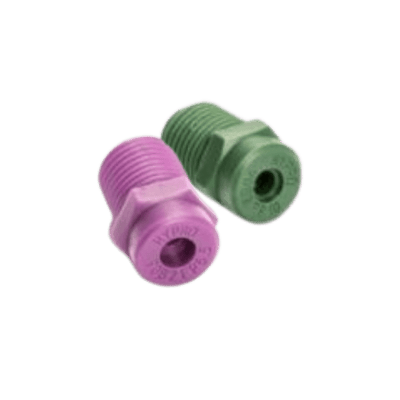
Online content can explain the main components of a softwashing setup, including pumps, hoses, tanks, injectors, nozzles, water-fed poles and chemical-resistant fittings. It can also help you understand why low pressure is central to the process.
Many new contractors make the mistake of thinking softwashing is just pressure washing with chemical added. In practice, controlled flow, even application, correct dwell time and surface-appropriate rinsing are more important than force. The wrong pump, nozzle or application method can waste chemical, create drift, create runoff problems or produce patchy results.
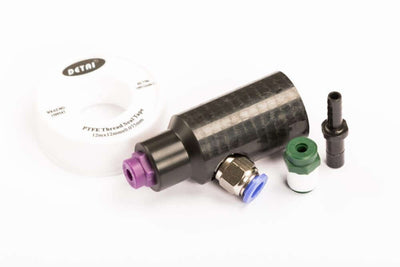
For those comparing setup options, reviewing professional soft washing equipment can help you understand what purpose each component serves before investing in a working system.
4. Site Survey and Risk Assessment
One of the most valuable things you can learn online is how to think before you clean. A proper softwash survey considers:
- The surface type and its condition
- The cause of the staining or contamination
- Nearby plants, lawns, ponds and watercourses
- Drainage, runoff and public access
- Weather conditions, wind direction and temperature
- Access, working at height and exclusion zones
- Customer expectations and aftercare requirements
- Product suitability and safety data sheet requirements
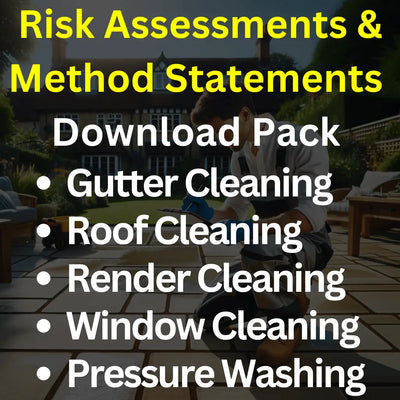
For professional contractors, written documentation matters. A Risk Assessment and Method Statement RAMS pack for exterior cleaning can help structure safer working practices, especially when working on commercial sites, schools, managed properties and public-facing areas.
5. Business Knowledge and Customer Management
Online learning can be particularly strong for business education. Pricing, quoting, customer qualification, insurance, marketing, service packages and recurring maintenance plans can all be taught effectively through digital resources.
If you are planning to offer softwashing commercially, the SoftWash UK softwashing training and business hub is a useful starting point for understanding the wider commercial and operational requirements of running a professional exterior cleaning service.
What You Cannot Fully Learn Online
Online softwash training has real value, but there are limits. Some skills only develop when you handle equipment, assess surfaces in person and see how chemicals behave in changing conditions.
Surface Judgement
Photos and videos help, but they do not always show surface condition accurately. Weathered render, oxidised cladding, friable stone, damaged pointing, failed coatings and porous concrete all behave differently in real life.
An experienced contractor will often spot warning signs before starting work: chalking paint, weak mortar, previous chemical damage, efflorescence, hairline cracking, poor drainage or signs that a stain is mineral rather than organic. These judgements come from seeing many surfaces in the field.
Live Chemical Handling
Chemical safety is not theoretical. You need to understand PPE, mixing procedures, labelling, transport, storage, spill response, first aid, ventilation, safe application and disposal. Online modules can teach the rules, but live handling builds discipline.
UK contractors should work in accordance with product labels, safety data sheets, COSHH principles and site-specific risk assessments. SoftWash UK’s softwash SDS sheets are an important reference for understanding hazards, handling guidance and emergency measures for relevant products.
Application Technique
Even coverage, controlled drift, overspray management, accurate dwell monitoring and safe rinsing are practical skills. They are affected by wind, surface temperature, porosity, surrounding materials and site layout.
A classic beginner mistake is over-applying product because the surface does not change immediately. Softwashing often involves dwell time. More product is not always better; it can increase risk, waste money and cause avoidable damage.
Working Around the Public
Facilities managers and contractors working on commercial sites must think beyond the cleaning result. You may need barriers, signage, pedestrian diversion, tenant communication, out-of-hours working and documented controls.
Online training can explain the process, but managing a live site with customers, residents, staff, deliveries and unexpected weather is something that improves with experience.
Online Softwashing Training vs Practical Training
The best training route depends on your aims. A serious DIY user may need enough knowledge to make a safe decision, including when to call a professional. A contractor needs a stronger blend of technical, legal, commercial and practical skills.
| Training route | Best for | Strengths | Limitations |
|---|---|---|---|
| Online softwashing education | Beginners, contractors researching the trade, facilities teams, refresher learning | Flexible, cost-effective, good for theory, safety awareness, product knowledge and business planning | Does not fully develop hands-on application, surface judgement or live site management |
| Practical softwash training | Contractors, team leaders, professional exterior cleaners | Builds confidence with equipment, chemicals, application technique and real-world problem solving | Requires time away from work and is most effective when supported by prior study |
| Blended learning | Most professional users | Combines theory, safety, commercial knowledge and practical experience | Requires commitment to ongoing learning and documented procedures |
For contractors who want recognised professional development, it is worth understanding CPD certified softwash training and how structured learning can support competence, professionalism and customer confidence.
A Practical Step-by-Step Route to Learning Softwashing Online
If you are starting from scratch, do not begin by buying a van full of chemicals and equipment. Work through a structured learning path first.
Step 1: Learn the Basics of Exterior Surface Cleaning
Start with the difference between organic growth, atmospheric dirt, mineral stains, rust, oil, tannin, carbon staining and paint oxidation. Each type of contamination needs a different diagnosis. Misidentifying the problem is one of the fastest ways to choose the wrong process.
Step 2: Understand Chemical Categories and Safety
Learn the purpose of biocides, surfactants, oxidising cleaners, degreasers and specialist stain removers. More importantly, learn the safety controls around each product type. This includes PPE, product labelling, storage, COSHH assessment, emergency procedures and environmental precautions.
Do not rely on social media recipes or unverified dilution advice. Use manufacturer guidance, safety data sheets and formal training materials. If in doubt, stop and ask before proceeding.
Step 3: Study Equipment Options Before Buying
Understand the difference between downstream injection, dedicated softwash pumps, water-fed pole application, low-pressure nozzles and controlled delivery systems. Think about the work you actually intend to carry out.
A facilities team maintaining low-level cladding and pathways may need a different setup from a contractor cleaning roofs, render, patios and commercial façades. Choosing equipment before defining your services often leads to wasted money.
Step 4: Learn How to Survey a Site
Create a consistent survey checklist. Include surface type, access, water availability, drainage, plant life, adjacent materials, public exposure and weather risk. Photograph defects before work begins.
For commercial work, your survey should also help you plan exclusion zones, working times, communication with occupants and emergency procedures.
Step 5: Complete Professional Training Before Commercial Work
Online learning can prepare you well, but professional work carries responsibility. If you intend to charge customers, clean high-value property, work at height or treat public-facing sites, structured training is a sensible investment.
The Soft Wash Training Course is designed to help contractors understand safe methods, product selection, equipment use and practical application, reducing the risk of costly mistakes when moving from theory to site work.
Step 6: Practise on Low-Risk Surfaces
Before working for paying clients, practise on your own controlled test areas. Start with low-value, low-risk surfaces where runoff, overspray and access are easy to manage. Record what product was used, what conditions were present, dwell time, rinse method and final result.
This builds a reference library of real observations, which is extremely valuable when quoting future jobs.
Step 7: Build a Safe Operating System
Professional softwashing should be repeatable. Create standard operating procedures for quoting, pre-wet protection, application, dwell monitoring, rinsing, waste control, incident response, customer handover and aftercare.
Softwashing is not just the moment you spray. It is the whole process from first enquiry to final sign-off.
Who Can Benefit from Learning Softwashing Online?
Exterior Cleaning Contractors
Contractors can use online softwash education to expand from pressure washing into render cleaning, roof treatment, cladding cleaning, driveway maintenance and commercial exterior cleaning. It is also useful for training office staff to understand enquiries and qualify leads properly.
If your aim is to build a business around this service, read SoftWash UK’s guide on how to become a softwash contractor. It explains the wider steps involved beyond simply buying products.
Property Maintenance Professionals
Maintenance teams responsible for schools, housing associations, retail parks, care homes and industrial units can benefit from online learning because it improves decision-making. Even if the work is outsourced, a better understanding of softwashing helps you specify the job properly and challenge unsafe methods.
Facilities Managers
Facilities managers often need to balance appearance, safety, budget and disruption. Online softwash education helps identify when a surface needs routine biocide maintenance, when specialist stain removal is required and when pressure washing may be inappropriate.
It also helps with compliance discussions, contractor vetting, RAMS review and scheduling work around public access.
Serious DIY Users
Homeowners and DIY users can learn enough online to understand the risks and make sensible decisions. However, DIY softwashing should be approached carefully. Professional chemicals, access equipment and runoff control can present real hazards.
If the job involves roofs, working at height, large areas, delicate render, nearby ponds, public footpaths or uncertain staining, it is usually safer to use a trained professional rather than experimenting.
Common Myths About Learning Softwashing Online
Myth 1: “You Can Learn Everything from Free Videos”
Free videos can be useful, but they rarely show the full process. Many skip risk assessment, PPE, plant protection, chemical storage, customer communication and what went wrong before the finished result. A short clip does not make someone competent.
Myth 2: “Softwashing Is Just Low-Pressure Spraying”
Low pressure is part of the method, but it is not the whole method. Product selection, surface diagnosis, dwell control, agitation, rinsing, protection and aftercare all matter.
Myth 3: “More Chemical Means a Better Clean”
Over-application is one of the most common beginner errors. It can increase risk to plants, metals, coatings, people and the environment. Professional softwashing is about using the right product in the right way, not using the strongest possible solution.
Myth 4: “If It Worked on One Job, It Will Work on Every Job”
Every site is different. The same product may behave differently on porous concrete, painted render, resin-bound stone, limestone, sandstone, timber, uPVC, cladding and roof tiles. Weather, shade, drainage and age of contamination also affect results.
Safety and Best-Practice Notes for UK Users
Any online softwash learning should place safety at the centre. If it does not, be cautious. Responsible softwashing involves planning, control and documentation.
- Always read and follow product labels and safety data sheets.
- Carry out a site-specific risk assessment before work begins.
- Use suitable PPE for the product and task.
- Protect plants, lawns, ponds, metals and sensitive adjacent surfaces.
- Control public access with barriers, signage and clear communication.
- Do not work in unsuitable wind, heavy rain or unsafe temperatures.
- Never mix chemicals unless the manufacturer specifically instructs that it is safe.
- Store and transport chemicals securely and legally.
- Document your method on commercial and managed sites.
Contractors should also make sure their insurance reflects the services they provide. Softwashing may involve chemical application, working at height, public liability, treatment risks and damage claims. The SoftWash UK guide to softwash contractor insurance is a useful resource for understanding the types of cover that may be relevant.
How to Judge the Quality of an Online Softwashing Course
Not all online softwashing content is equal. Before spending money or trusting advice, check whether the training covers the full professional process.
| What to look for | Why it matters |
|---|---|
| Chemical safety and SDS guidance | Helps prevent unsafe handling, incorrect storage and poor emergency response |
| Surface identification | Reduces the risk of damage and incorrect product selection |
| Risk assessment and method statements | Essential for professional, commercial and public-facing work |
| Equipment explanation | Helps users choose appropriate low-pressure application systems |
| Real-world case examples | Shows how theory applies to actual sites and problems |
| Business and insurance awareness | Supports sustainable professional operation rather than one-off cleaning |
| Ongoing support and resources | Softwashing knowledge develops over time, especially as products and regulations change |
Good training should make you more cautious, not overconfident. If a course promises instant expertise with no mention of safety, compliance or surface risk, it is unlikely to be suitable for professional use.
Can Online Learning Help You Start a Softwashing Business?
Yes, online learning can help you plan a softwashing business, but it should be part of a wider preparation process. You need more than technical knowledge. You need appropriate insurance, safe systems of work, pricing, quoting, reliable suppliers, customer education and a clear understanding of what services you will and will not offer.
Online resources are particularly helpful when researching startup costs, product margins, equipment choices and service packages. Many new contractors overspend on equipment they do not need, underprice the work or take on risky surfaces too soon.
Before investing heavily, calculate your likely costs, including training, PPE, equipment, chemicals, signage, insurance, marketing, waste control, documentation and maintenance. SoftWash UK’s guide to the cost to start a softwashing business is useful for understanding the financial side more clearly.
For ongoing learning, the SoftWash UK Podcast is also a practical way to hear industry discussion, contractor insights and business development topics while you are travelling between jobs or planning your next step.
Frequently Asked Questions
Can I learn softwashing online with no previous exterior cleaning experience?
Yes, you can start learning online with no previous experience, but you should not assume you are ready for commercial work after watching videos or reading guides. Beginners should focus first on safety, surface identification, chemical awareness, PPE, equipment basics and risk assessment. Practical training and controlled experience are strongly recommended before cleaning customer properties.
Is online softwash training enough to get insured?
Insurance requirements vary between providers. Some insurers may ask about your training, experience, methods, chemicals used and type of work offered. Online training can support your competence, but you should speak directly with your insurer or broker and make sure softwashing, chemical application and any work at height are properly disclosed.
Can facilities managers use online softwashing training for staff?
Yes, online training can be useful for facilities teams, especially for awareness, contractor management, basic maintenance planning and understanding RAMS. However, if staff are applying chemicals themselves, they still need appropriate practical instruction, PPE, COSHH awareness, supervision and site-specific procedures.
Can I softwash my own house after learning online?
Possibly, but it depends on the property, surface, access and products involved. Low-level, non-delicate areas may be manageable for a competent and cautious DIY user using suitable products and guidance. Roofs, high elevations, delicate render, public-facing areas, large chemical applications or uncertain stains should usually be handled by trained professionals.
What is the biggest mistake beginners make when learning softwashing online?
The biggest mistake is treating softwashing as a simple chemical recipe rather than a controlled cleaning process. Beginners often focus on what to spray, but professionals focus on diagnosis, risk assessment, protection, application method, dwell time, rinsing and aftercare.
Do I need practical training if I have watched lots of softwashing videos?
If you intend to work professionally, yes. Videos can build understanding, but they do not replace hands-on experience with equipment, chemical handling, site control and real surfaces. Practical training helps bridge the gap between knowing the theory and working safely on customer sites.
Conclusion: Online Softwashing Learning Is Valuable, But It Is Not the Whole Journey
You can absolutely learn softwashing online, and for many UK contractors, facilities managers and serious DIY users it is the best place to start. Online education can teach the principles, terminology, safety rules, chemical categories, equipment options, survey process and business considerations.
However, softwashing is a practical trade. The best results come from combining online learning with structured training, safe practice, documented procedures and real site experience. That blended approach helps reduce damage claims, improve cleaning results, protect people and the environment, and build a more professional exterior cleaning service.
If you are serious about learning softwashing properly, SoftWash UK can help you take the next step with professional chemicals, equipment, training and educational resources. Explore the SoftWash UK Knowledge Centre, consider formal training, review your safety documentation and build your skills in a responsible, practical way before taking on higher-risk work.
To develop your knowledge further, visit SoftWash UK for professional softwashing products, equipment and training support designed for UK exterior cleaning professionals.