Why Moss Keeps Coming Back After Roof Cleaning
Moss keeps coming back after roof cleaning because the underlying growth conditions have not been controlled. Removing visible moss is only one part of the job. If spores remain on the tiles, if the roof stays damp and shaded, if gutters are blocked, or if no suitable post-treatment is applied, moss can begin to re-establish within months.
For UK exterior cleaning contractors, facilities managers, property maintenance teams and serious DIY users, the key point is this: roof moss control is not just a cleaning task. It is a process of removal, treatment, moisture management and planned maintenance. A roof can look clean on completion day, but if the biological contamination has not been properly treated, the results may not last.
In practice, most repeat moss problems come down to one or more of the following:
- Only the visible moss was removed, leaving spores and root-like structures behind.
- No biocidal softwash treatment was applied after scraping or cleaning.
- The roof was pressure washed aggressively, opening the tile surface and encouraging faster regrowth.
- The roof sits under trees, in shade, or in a damp microclimate.
- Gutters, valleys and drainage points remain full of debris.
- The wrong product, application rate, dwell time or weather conditions were used.
- No maintenance plan was put in place after cleaning.
This article explains why roof moss returns, how professional contractors can reduce callbacks, and what best practice looks like when cleaning and treating moss-covered roofs responsibly in the UK.
Understanding Why Moss Grows On Roofs In The First Place
Moss thrives where moisture, shade and a suitable surface are present. UK roofs provide ideal conditions, particularly in areas with high rainfall, overhanging trees, north-facing elevations and porous roof materials such as concrete tiles, clay tiles and old natural slate.
Moss does not need deep soil to grow. It can establish in small deposits of organic matter trapped between tiles, laps, gutters, valleys and roof irregularities. Once it takes hold, it acts like a sponge, holding water against the roof surface for longer periods. That retained moisture then encourages more biological growth, including algae, lichen and further moss colonisation.
The Usual Roof Conditions That Encourage Regrowth
- Shade: North-facing roof slopes and roofs under trees dry more slowly.
- Moisture retention: Moss holds rainwater, dew and condensation against the tiles.
- Organic debris: Leaves, twigs and silt provide a growing medium.
- Porous tiles: Weathered concrete and clay can offer a rough surface for spores to grip.
- Poor drainage: Blocked gutters, valleys and outlets keep roof edges damp.
- Airborne spores: Moss spores are constantly carried by wind, birds and nearby vegetation.
This is why a roof that has been cleaned mechanically can still regrow moss quickly if the environment remains favourable and there is no ongoing treatment strategy.
Visible Removal Is Not The Same As Moss Control
One of the most common reasons moss comes back after roof cleaning is that the job focused only on appearance. Scraping or brushing can remove the bulk of the visible moss, but it does not always deal with spores, microscopic growth or fine organic residues sitting in the tile profile.
That is where professional chemical treatment and softwashing principles become important. If you are new to the method, SoftWash UK explains the process in its Knowledge Centre guide to softwashing, including how low-pressure application and appropriate chemistry are used to treat organic contamination rather than simply blasting it away.
On roof work, a good contractor will normally separate the job into two stages:
- Physical removal: Carefully remove heavy moss deposits, usually by controlled scraping, brushing or compatible roof cleaning tools.
- Post-treatment: Apply a suitable biocidal or softwash treatment, following the product label, safety data sheet and environmental controls.
Without the second stage, moss can reappear sooner because spores and biological residues remain active. The roof may look improved in the short term but fail to stay clean for a reasonable period.
Pressure Washing Can Sometimes Make Moss Regrowth Worse
Pressure washing has its place in exterior cleaning, but it must be used carefully on roofs. High-pressure cleaning can remove moss quickly, yet it can also disturb protective tile surfaces, drive water under laps, damage pointing, strip coatings and roughen old concrete tiles.
A roughened tile surface often holds moisture and airborne organic matter more readily. That can create better conditions for moss to return. It is one reason many experienced contractors prefer low-pressure roof cleaning methods, controlled manual removal and post-treatment rather than relying on brute force.
For a deeper comparison, the SoftWash UK Knowledge Centre article on softwashing vs pressure washing explains the difference between mechanical force and chemical treatment. This distinction matters on roofs because the roof covering, age, pitch, access method and surrounding environment all affect the safest approach.
| Method | What It Does Well | Common Limitation | Regrowth Risk |
|---|---|---|---|
| Dry scraping and brushing | Removes bulky moss with less water use | Does not fully treat spores or staining on its own | Moderate to high if no post-treatment is applied |
| High-pressure washing | Fast visual clean on some hard surfaces | Can damage roof materials if used incorrectly | Can be high if surface is roughened or untreated |
| Softwashing post-treatment | Treats organic contamination at a microscopic level | Requires correct product choice, safety controls and dwell time | Lower when specified and maintained correctly |
| Planned maintenance treatment | Helps prevent heavy moss returning | Needs periodic inspection and reapplication when required | Lowest when roof conditions are managed |
The Main Reasons Moss Returns After Roof Cleaning
1. No Biocidal Treatment Was Used
If a roof is only scraped clean, moss spores can remain on and between the tiles. In damp conditions, these spores can develop into new growth. A suitable post-treatment helps control residual biological activity and slows down regrowth.
Professional contractors should understand the difference between cosmetic cleaning and biological treatment. SoftWash UK provides guidance on softwashing chemicals, including the need to choose products appropriately and follow safety information, usage instructions and legal requirements.
For roof moss treatment, products such as Clean Guard Pro roof moss killer and cleaner may be suitable where the job specification calls for a professional roof moss treatment. The important point is not simply the product name, but correct assessment, safe application, environmental protection and realistic customer expectations.
2. The Roof Was Cleaned In The Wrong Weather
Weather conditions make a major difference to treatment performance. Heavy rain can dilute or wash away products too soon. Strong sunlight can dry a treatment before it has had suitable contact time. High winds increase drift risk and make controlled application unsafe.
In the real world, this is where many callbacks are created. A contractor squeezes in a roof treatment between showers, or applies in poor conditions to finish the job, only to find the roof greens up far sooner than expected.
Good practice includes:
- Checking the weather forecast before planned application.
- Avoiding treatment during rain, frost, high winds or extreme heat.
- Allowing the correct dwell period stated by the manufacturer.
- Protecting plants, ponds, watercourses and sensitive surfaces.
- Recording conditions and product use in job notes.
3. The Roof Still Holds Too Much Moisture
Moss is a moisture problem as much as a cleaning problem. If a roof remains wet for long periods, regrowth pressure will always be higher.
Maintenance teams should look beyond the tiles and inspect the full water management system:
- Are gutters blocked with moss and leaf debris?
- Are valleys holding silt?
- Are downpipes flowing properly?
- Are overhanging branches reducing sunlight and airflow?
- Are roof edges, corners and joins staying damp?
Cleaning the roof but leaving half a sack of moss in the gutters is poor practice. On larger sites, such as schools, care homes, retail units and housing blocks, blocked drainage can also create water ingress risks and slip hazards around entrances.
4. The Tiles Are Old, Porous Or Surface-Damaged
Weathered concrete roof tiles become more porous over time. Old tiles may have lost much of their original surface finish, leaving a rougher texture that holds moisture and organic matter. Clay tiles can also develop surface pitting or cracks, particularly on exposed elevations.
On these roofs, moss may return faster even after a competent clean and treatment. It does not necessarily mean the contractor has failed. It may mean the roof has a higher biological load and needs a more realistic maintenance plan.
Before quoting, contractors should explain that roof age, tile type, shade and local environment all affect longevity. SoftWash UK’s guide on how long does softwashing last is a useful supporting resource when discussing expected results with clients.
5. The Treatment Was Under-Applied Or Poorly Distributed
Uneven application is a common reason for patchy regrowth. Roofs are not flat laboratory surfaces. They have laps, ridges, valleys, dormers, chimneys, solar panels, rooflights and different exposure zones. If the treatment does not reach key areas properly, those untreated zones can regrow quickly.
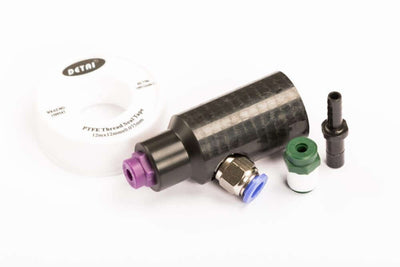
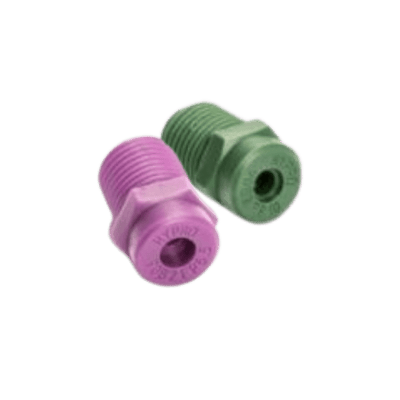
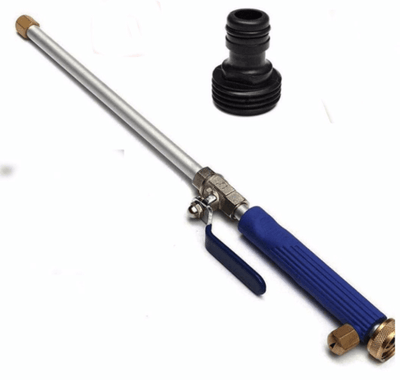
Contractors should use equipment that allows controlled, even delivery from a safe working position. SoftWash UK supplies professional soft washing equipment designed for low-pressure application, including systems that support controlled chemical delivery when used by trained operators.
Common application problems include:
- Spraying too lightly to properly wet the moss-affected profile.
- Missing tile laps and sheltered edges.
- Failing to pre-wet or protect sensitive surrounding materials where required.
- Applying in wind and creating drift rather than coverage.
- Not calibrating equipment or understanding flow rates.
A Professional Process To Reduce Moss Regrowth
There is no single process that fits every roof, but the following approach reflects good practice for many UK roof moss cleaning and treatment jobs. Contractors should always complete a site-specific risk assessment and adapt the method to the property, roof material, access requirements and product instructions.
Step 1: Survey The Roof And Surroundings
Inspect the roof from ground level, ladder access where appropriate, drone imagery, scaffold, MEWP or other safe access methods. Identify the roof type, pitch, tile condition, fragile materials, moss thickness, drainage points, nearby plants, ponds, footpaths, cars, conservatories, solar panels and neighbouring properties.
For commercial properties and facilities management work, document the findings clearly. This helps justify the scope, protect the contractor and manage client expectations.
Step 2: Choose A Safe Access Method
Roof cleaning is high-risk work. Falls from height remain one of the most serious hazards in property maintenance. Do not walk on roofs unless it has been assessed, planned and controlled by competent people using suitable access and fall protection.
Depending on the site, suitable access may include:
- Scaffolding with edge protection.
- Mobile elevating work platforms where suitable.
- Roof ladders and fall arrest systems used by trained operatives.
- Low-level application from gutter line or pole systems where practical.
- Ground-based or tower-based softwash application for selected treatments.
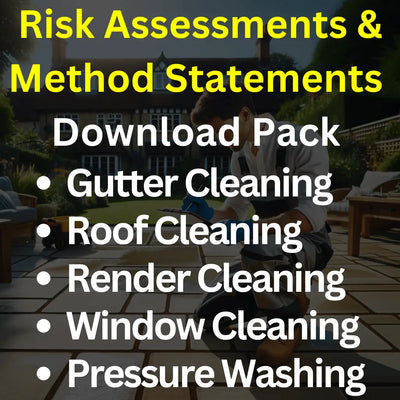
A written method statement, COSHH assessment and emergency plan should be in place before work begins. SoftWash UK offers a Risk Assessment and Method Statement pack for exterior cleaning, which can help contractors build more professional documentation rather than relying on informal site notes.
Step 3: Remove Heavy Moss Carefully
Where heavy moss is present, remove bulk growth before treatment. This reduces organic loading and helps the post-treatment contact the roof surface more effectively.
Use roof-compatible scraping heads, brushes or other tools selected for the tile profile. Avoid damaging tile edges, lifting laps or forcing debris into roof spaces. Collect and bag debris where possible rather than allowing it to block gutters and downpipes.
Step 4: Clear Gutters, Valleys And Outlets
After moss removal, clear gutters, valley channels, outlets and downpipes. Flush and check water flow where appropriate. This step is often overlooked, but it is essential for reducing damp conditions and preventing water-related problems after the clean.
Step 5: Apply A Suitable Post-Treatment
Apply the chosen softwash or biocidal treatment according to the manufacturer’s instructions, safety data sheet and site controls. Pay attention to coverage, dwell time, weather conditions, runoff management and protection of sensitive areas.
For contractors building a professional chemical system, SoftWash UK’s range of professional softwash chemicals includes products for different exterior cleaning tasks. Always select the product based on the surface, contamination, safety requirements and desired outcome, not simply because it worked on a different job.
Step 6: Record The Job And Set A Maintenance Plan
Photograph the roof before and after, record products used, note weather conditions and explain expected results. Some roof treatments continue working over time, and staining or dead organic matter may weather away gradually rather than disappearing instantly.
For commercial estates and managed properties, schedule periodic inspections. A light maintenance treatment at the right interval is usually cheaper and safer than waiting until heavy moss has returned.
Common Mistakes That Lead To Moss Coming Back
Mistake 1: Promising A Permanently Moss-Free Roof
No responsible contractor should guarantee that moss will never return. Spores are airborne and roof environments vary. The professional promise should be controlled treatment, reduced regrowth and a sensible maintenance plan, not permanent prevention.
Mistake 2: Treating Every Roof The Same
A shaded bungalow under trees in Devon will not behave like an exposed warehouse roof in the Midlands. Tile type, age, local rainfall, tree cover and building design all matter. Quoting a fixed “one-size-fits-all” result can lead to unrealistic expectations.
Mistake 3: Using Too Much Pressure
Excessive pressure can damage tiles and create a rougher surface for future growth. If pressure is used at all, it must be evaluated carefully against roof condition, manufacturer guidance and risk. In many cases, softwashing principles offer a more appropriate route than aggressive washing.
Mistake 4: Ignoring Chemical Safety
Softwashing is not just spraying and hoping. Contractors must understand product labels, safety data sheets, PPE, dilution, storage, transport, runoff, spill response and environmental protection. The correct information should be available on site. SoftWash UK provides softwash SDS sheets to support safer chemical handling and documentation.
Mistake 5: Skipping Client Education
If the customer thinks the roof will stay perfectly clean for ten years with no maintenance, problems are likely. Explain that treatment slows regrowth, but shade, trees and moisture still influence future moss development. Clear communication reduces disputes and improves long-term client relationships.
How Long Should A Roof Stay Clean After Moss Treatment?
There is no exact answer because every roof is different. In many cases, a properly cleaned and treated roof may remain visibly cleaner for several years, but shaded or heavily wooded properties may show signs of biological return sooner. Roofs with porous, weathered tiles may also need more frequent maintenance.
| Roof Condition | Likely Regrowth Pressure | Typical Maintenance Approach |
|---|---|---|
| Open, sunny roof with good drainage | Lower | Periodic inspection and treatment only when needed |
| North-facing roof slope | Moderate | Regular inspection and planned light treatment |
| Roof under trees | High | Tree debris management, gutter clearing and more frequent maintenance |
| Old porous concrete tiles | Moderate to high | Careful cleaning, realistic expectations and scheduled aftercare |
| Commercial site with drainage issues | High | Integrated roof, gutter and water management plan |
For contractors, the best approach is to build maintenance into the conversation at quotation stage. Rather than selling roof cleaning as a one-off miracle, frame it as part of the property’s exterior asset care.
Safety And Compliance Notes For Roof Moss Cleaning
Roof moss cleaning involves work at height, chemical use, manual handling, falling debris, public protection, environmental risk and sometimes fragile surfaces. Professional standards matter.
Key safety and compliance considerations include:
- Carry out a site-specific risk assessment before work starts.
- Use suitable access equipment and fall protection.
- Comply with Work at Height Regulations and COSHH requirements.
- Read and follow product labels and safety data sheets.
- Protect operatives, residents, visitors, pets, plants and water features.
- Control runoff and prevent uncontrolled discharge to sensitive areas.
- Set up exclusion zones where debris or spray drift may affect people or property.
- Use appropriate PPE, including eye, skin and respiratory protection where required.
- Do not mix chemicals unless the manufacturer specifically permits it.
- Store and transport chemicals safely and legally.
Training is also important because many roof cleaning problems are caused by small decisions made on site: spraying in the wrong weather, poor access planning, under-treating sheltered laps, or failing to protect runoff routes. The SoftWash UK training course is designed to help contractors understand method, safety, chemistry and professional standards rather than relying on guesswork.
If this is an area you want to understand properly, you can start by accessing the free SoftWash UK course preview. It includes selected lessons from the full training course and is designed to help contractors see whether professional softwashing training is the right next step.
Practical Advice For Contractors Quoting Roof Moss Cleaning
Ask Better Questions Before Pricing
Before giving a price, establish the roof type, access constraints, moss thickness, drainage condition, tree cover and customer expectations. A cheap scrape-only job may look appealing to the client, but it can create disappointment if moss returns quickly.
Useful questions include:
- When was the roof last cleaned or treated?
- Are there known leaks or damaged tiles?
- Are gutters overflowing or frequently blocked?
- Is the roof shaded by trees or nearby buildings?
- Does the client want visual improvement only, or longer-term moss control?
- Are there ponds, planting beds, pets or sensitive areas around the property?
Set Expectations In Writing
Your quotation should clearly state what is included: moss removal, gutter clearing, treatment, waste disposal, access method, limitations and aftercare recommendations. This is especially important for facilities managers and commercial clients who need clear records for maintenance budgets and compliance files.
Offer Maintenance Rather Than Waiting For Failure
A well-timed maintenance treatment can prevent the roof returning to a heavily contaminated state. This is better for the client and often safer for the contractor because less heavy moss removal is required in future.
Myths About Roof Moss Regrowth
Myth: “If You Remove All The Moss, It Cannot Come Back”
Moss spores are airborne. Even if a roof is thoroughly cleaned, new spores can land the next day. The aim is to reduce viable growth, improve conditions and delay re-establishment.
Myth: “Pressure Washing Is Always The Best Roof Cleaning Method”
Pressure washing may create fast visual change, but it is not always appropriate for roofs. Incorrect pressure, poor angles or unsuitable equipment can cause damage and may contribute to faster regrowth on roughened surfaces.
Myth: “More Chemical Means A Better Result”
Using more product than required is not professional and may increase safety, environmental and material risks. Correct product choice, coverage, dwell time and compliance are more important than over-application.
Myth: “A Clean Roof Needs No Aftercare”
Roofs are exposed surfaces. Leaves, spores, rain, shade and seasonal weather continue after the cleaning team leaves. Inspection and light maintenance are part of responsible roof care.
Frequently Asked Questions
Why does moss come back so quickly after roof cleaning?
Moss usually returns quickly when only the visible growth has been removed and no suitable post-treatment has been applied. Spores, fine roots and organic residues can remain on the tiles. Damp, shaded conditions then allow regrowth to establish again.
Does softwashing stop moss coming back permanently?
No method can permanently stop moss because spores are constantly carried by wind, birds and nearby vegetation. However, correct softwashing treatment can significantly slow regrowth compared with scrape-only cleaning, especially when combined with good drainage and planned maintenance.
Is it better to scrape or pressure wash roof moss?
For many UK roofs, careful scraping followed by appropriate treatment is safer than aggressive pressure washing. Pressure washing can damage older tiles or drive water into vulnerable areas if done incorrectly. The best method depends on roof condition, access, tile type and risk assessment.
How often should a roof be treated for moss?
This depends on the property. A sunny, well-drained roof may need less frequent attention, while a shaded roof under trees may require regular inspection and periodic maintenance treatment. Contractors should assess each roof individually rather than offering a fixed universal timescale.
Can blocked gutters make moss worse?
Yes. Blocked gutters and valleys hold water and organic matter around the roof edge. This keeps areas damp and can encourage moss, algae and lichen to return. Gutter clearing should normally be included or recommended as part of a roof moss control plan.
Can serious DIY users treat roof moss themselves?
Some homeowners may be able to carry out limited low-risk maintenance from ground level using suitable products and instructions, but roof work is dangerous. Anything involving height, ladders, walking on roofs, chemical application or runoff control should be approached with extreme caution. In many cases, a trained professional with suitable equipment, PPE and insurance is the safer option.
Conclusion: Moss Returns When The Cause Has Not Been Managed
Moss keeps coming back after roof cleaning because cleaning alone does not change the conditions that allow moss to grow. A roof that remains damp, shaded, porous and untreated will always be prone to regrowth.
The professional solution is a complete process: assess the roof, remove heavy moss carefully, clear drainage routes, apply an appropriate treatment, protect people and the environment, and set realistic maintenance expectations. This approach gives contractors better results, fewer callbacks and more trust from clients.
For UK exterior cleaning professionals who want to improve roof moss treatment standards, SoftWash UK provides specialist chemicals, softwashing equipment, safety resources and training for responsible exterior cleaning. Visit SoftWash UK to explore professional softwashing products, guidance and education designed for contractors who want to clean safely, effectively and with long-term results in mind.