How to Remove Algae From Driveways
The most effective way to remove algae from driveways is to treat the growth with a suitable exterior cleaning solution, allow the correct dwell time, agitate or rinse where needed, and then manage the surface so regrowth is slowed down. Pressure washing alone can make a driveway look clean on the day, but if algae spores and organic staining are not treated properly, the green growth often returns quickly.
For UK exterior cleaning contractors, property maintenance teams, facilities managers and serious DIY users, the best results usually come from combining good surface preparation, controlled chemical application, safe working practice and, where appropriate, low-pressure rinsing or pressure washing. The right method depends on the driveway material, the level of contamination, drainage, surrounding vegetation, customer expectations and site risk.
In practical terms, algae removal from a driveway is not just about making the surface look better. Green algae can make paving slippery, particularly on shaded north-facing areas, block paving, concrete paths, tarmac edges and commercial pedestrian routes. A good cleaning process should improve appearance, reduce slip risk, protect the surface and avoid unnecessary damage.
What Causes Algae on Driveways?
Algae grows where moisture, shade and organic nutrition are present. In the UK, driveways are regularly exposed to damp weather, leaf fall, moss spores, soil splash, vehicle dirt and poor sunlight. That combination creates ideal conditions for algae, especially during autumn, winter and early spring.
Common algae-prone areas include:
- North-facing driveways with limited sunlight.
- Block paving with damp sand-filled joints.
- Concrete and imprinted concrete with porous or worn surfaces.
- Tarmac borders beneath trees or hedges.
- Commercial entrances where foot traffic carries organic matter across the surface.
- Driveways with poor drainage or standing water.
- Areas below leaking gutters, overhanging vegetation or shaded walls.
Algae is often found alongside moss, lichen, black atmospheric staining, tyre marks and oil contamination. This matters because each type of contamination may need a different cleaning approach. For example, algae can usually be treated relatively easily, while oil stains need a degreasing or specialist oil stain remover and lichen may require longer dwell time or follow-up treatment.
Algae, Moss and Lichen: Know What You Are Treating
Before applying chemicals or setting up equipment, identify what is actually on the driveway. Contractors who diagnose the contamination correctly usually get better results and avoid overusing pressure or product.
| Contamination | Typical Appearance | Cleaning Consideration |
|---|---|---|
| Algae | Green, dark green or slimy film, often slippery when wet | Usually responds well to softwashing or algaecidal treatment with correct dwell time |
| Moss | Thicker green growth, often in block paving joints or edges | Remove bulk growth first, then treat remaining spores and staining |
| Lichen | White, grey, black, yellow or crust-like spots attached to the surface | Often needs longer dwell time, repeat treatment or patience after treatment |
| Oil and grease | Dark patches, rainbow sheen when wet, usually where vehicles park | Requires appropriate degreasing or oil stain treatment before general cleaning |
| General dirt | Brown or grey soiling from traffic, soil and dust | May need agitation, rinsing or pressure cleaning as part of the process |
If you are new to the method, it is worth understanding the principles of softwashing before working on customer driveways. Softwashing is not simply “spraying chemical”; it is the controlled use of cleaning solutions, dwell time and rinsing methods to remove and control organic growth with less reliance on high pressure.
Best Methods for Removing Algae From Driveways
There is no single method that is right for every driveway. A heavily contaminated block paved driveway in a shaded domestic street needs a different approach from a light green film on a concrete service yard. The table below compares the most common options used by UK contractors and property teams.
| Method | Best For | Advantages | Limitations |
|---|---|---|---|
| Manual brushing and rinsing | Small areas, light algae, very sensitive sites | Low cost, minimal equipment, useful for spot work | Labour intensive and often does not fully treat spores |
| Pressure washing | Heavy dirt, mud, loose moss, surface soiling | Immediate visual improvement and fast soil removal | Can damage joints, expose aggregate, cause striping and spread contamination if misused |
| Softwashing with sodium hypochlorite-based solution | Green algae, organic staining, many hard surfaces where compatible | Fast results when applied correctly, good for visible cleaning | Requires strict safety, dilution, plant protection and runoff control |
| Quaternary ammonium biocide treatment | Longer-term control, post-treatment, sensitive rinse situations | Can help suppress regrowth over time and may be suitable where immediate rinsing is limited | Results can be slower and product must be used according to label instructions |
| Steam or hot water cleaning | Commercial sites, gum, hygiene-sensitive areas, reduced chemical preference | Can improve cleaning performance and reduce chemical reliance | Requires specialist equipment and can still need post-treatment for regrowth control |
For many professional driveway jobs, the most reliable approach is a combined process: remove loose debris, treat organic growth, allow suitable dwell time, rinse or clean the surface, then apply a post-treatment where appropriate. Understanding softwashing vs pressure washing helps contractors choose the right balance between chemical action and mechanical cleaning.
Step-by-Step: How to Remove Algae From a Driveway
1. Survey the Driveway and Assess the Risks
Start with a simple site survey. On domestic work, this may only take a few minutes, but it prevents many common problems. On schools, retail sites, care homes, industrial premises and managed estates, a more formal risk assessment is normally expected.
Check for:
- Driveway material: concrete, block paving, natural stone, resin bound, tarmac, brick or slabs.
- Surface condition: cracks, loose jointing sand, spalling concrete, failing sealers or damaged edging.
- Drainage routes: surface water drains, foul drains, soakaways, ponds, lawns and flower beds.
- Nearby sensitive materials: aluminium, lead, bare metal, painted surfaces, timber, artificial grass and delicate stone.
- Public access, pedestrians, pets, vehicles and neighbouring property.
- Slip risk during and after the work.
- Weather conditions, especially rain, wind and strong sunlight.
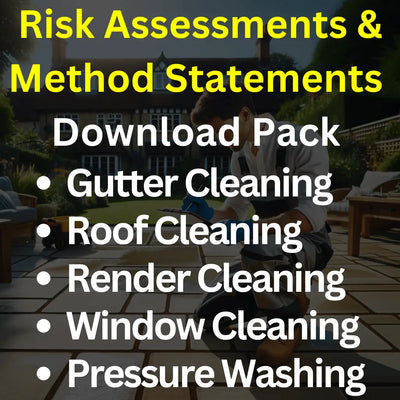
Professional contractors should document the process using a suitable risk assessment and method statement. SoftWash UK supplies a practical Risk Assessment and Method Statement pack for exterior cleaning, which can help businesses build safer, more consistent working procedures.
2. Identify the Surface and Check Chemical Compatibility
Not all driveway materials tolerate the same cleaning method. Concrete and standard block paving are usually more forgiving than natural stone, tarmac, resin bound surfaces or decorative sealed paving. Always test a small, inconspicuous area before full application, especially if the surface is coloured, sealed, new, old or previously treated.
As a general guide:
- Concrete: Usually suitable for carefully controlled softwashing and rinsing, but avoid excessive pressure on weak or spalled areas.
- Block paving: Commonly cleaned using a combination of treatment and controlled pressure washing, but joint sand may need reinstating afterwards.
- Tarmac: Avoid aggressive pressure and strong solutions that may affect the binder or appearance. Test first.
- Natural stone: Requires care. Some stones are sensitive to chemicals, acids or strong oxidisers.
- Resin bound: Follow manufacturer guidance. Avoid harsh treatment without compatibility checks.
- Sealed surfaces: Test carefully because cleaning chemicals and pressure can affect failing sealers.
If you are selecting products for professional use, review the SoftWash UK guidance on softwashing chemicals so you understand the role of sodium hypochlorite, surfactants, biocides and specialist cleaning products before applying them on site.
3. Remove Loose Debris and Bulk Growth
Before applying any treatment, sweep the driveway and remove loose leaves, mud, soil, loose moss and heavy debris. This improves contact between the cleaning solution and the algae. On block paving, scraping out thick moss from the joints before treatment can reduce product demand and give a cleaner finish.
Do not skip this stage. Applying chemical over a thick layer of leaves, mud or dead moss wastes product and gives inconsistent results. A clean surface preparation stage also helps you see oil staining, rust marks, drainage issues and previous surface damage before the main clean begins.
4. Protect Surrounding Areas
Driveways are rarely isolated. There may be lawns, planting, rendered walls, garage doors, metal gates, vehicles, drainage channels, painted kerbs or neighbouring paths nearby. Good protection is one of the clearest differences between an experienced contractor and a rushed operator.
Best-practice protection includes:
- Moving vehicles, bins, pots and loose furniture away from the cleaning area.
- Pre-wetting nearby plants and grass before application where appropriate.
- Using sheeting, bunding or temporary barriers where sensitive areas need protection.
- Controlling overspray in wind.
- Preventing unauthorised access to wet or treated areas.
- Keeping rinse water and chemical runoff away from sensitive drains and watercourses.
Never allow cleaning solutions to enter ponds, streams or watercourses. On commercial sites, drainage control may need to be planned before quoting the job.
5. Apply the Correct Algae Treatment
For many hard driveway surfaces, a professional sodium hypochlorite-based softwash solution can quickly break down green algae and organic staining when used correctly. Products such as Sodium Hypochlorite for Soft Washing 14% to 15% are used by trained professionals as part of properly diluted exterior cleaning solutions. The exact dilution, application method and dwell time must be matched to the surface, conditions and contamination level.
For longer-term biological control, some contractors use a quaternary ammonium compound biocide after cleaning or as a separate treatment where slower action is acceptable. Soft Wash Pro 50 DDAC is an example of a professional biocide used in exterior cleaning when appropriate and in accordance with label directions.
Contractors should only use professional-grade products they understand and should always follow the product label, safety data sheet and relevant UK regulations. Never mix chemicals unless the manufacturer specifically instructs that it is safe to do so. In particular, do not mix sodium hypochlorite with acids, ammonia-based products or unknown cleaners, as dangerous gases can be released.
6. Allow Proper Dwell Time
Dwell time is the period the solution remains wet and active on the algae. Too little dwell time gives poor results. Too much dwell time, especially in hot, dry or windy conditions, can increase risk to nearby materials and reduce effectiveness if the product dries out too quickly.
In practice, dwell time depends on:
- The level of algae contamination.
- The strength and type of cleaning solution.
- Surface porosity.
- Temperature and sunlight.
- Whether a surfactant is used to help wetting and cling.
- Manufacturer instructions.
On a typical green concrete or block paved driveway, you would expect the algae to change colour or visibly break down during treatment. However, do not rely on appearance alone. Keep within safe working limits, monitor runoff and reapply only where necessary.
7. Rinse, Pressure Wash or Leave to Weather In
After treatment, the next step depends on the method used and the desired finish. Some treatments are designed to be left to continue working. Others should be rinsed from the surface once the dwell period is complete. Where a driveway is heavily soiled, pressure washing may still be needed to remove dead algae, dirt, mud and loose material.
If pressure washing after treatment:
- Use the lowest effective pressure for the surface.
- Avoid cutting lines into concrete or block paving.
- Do not blast loose pointing, damaged edges or failing sealers.
- Work methodically with consistent passes.
- Manage slurry and runoff responsibly.
- Re-sand block paving joints once dry if jointing sand has been removed.
Many poor driveway cleans are caused by excessive pressure rather than poor chemical performance. If a surface needs treatment more than force, use treatment. If it needs soil removal, use suitable mechanical cleaning. The best contractors know when to use both.
8. Apply a Post-Treatment Where Appropriate
A post-treatment can help deal with remaining spores and slow regrowth, particularly on shaded driveways. This is useful for maintenance contracts, managed properties and commercial sites where repeat algae growth creates ongoing slip risk.
How long the result lasts depends on surface type, shade, drainage, weather exposure and surrounding vegetation. The SoftWash UK Knowledge Centre guide on how long does softwashing last explains the factors that influence longevity and why some surfaces stay clear longer than others.
Should You Pressure Wash Algae From a Driveway?
Pressure washing can remove algae from the surface, but it does not always treat the biological cause of the problem. On many driveways, pressure washing alone gives a short-term visual result, while microscopic spores and damp conditions allow regrowth.
Pressure washing is useful when there is:
- Heavy soil, mud or loose dirt.
- Thick moss after scraping.
- Surface contamination that needs physical removal.
- A requirement for an immediate clean finish.
However, it can be the wrong tool if:
- The driveway is fragile, flaking, badly laid or poorly jointed.
- The surface is sealed and the sealer is failing.
- There is a high risk of contaminated runoff.
- The operator uses a turbo nozzle aggressively and causes surface damage.
- The job is primarily biological staining rather than dirt removal.
For many jobs, the question is not whether softwashing is softwashing better than pressure washing, but which method should lead the process. If the driveway is green but not heavily dirty, treatment may do most of the work. If it is covered in mud, weeds and compacted debris, mechanical cleaning may be required before or after treatment.
Choosing Chemicals and Equipment for Driveway Algae Removal
Professional algae removal depends on using the correct product for the surface and contamination. A basic domestic patio cleaner may not be suitable for commercial exterior cleaning, and stronger products should never be used casually or without training.
SoftWash UK supplies a range of professional softwash chemicals for exterior cleaning contractors who need predictable performance, product information and supporting education. For driveway work, contractors may use oxidising softwash solutions for visible organic staining, biocides for longer-term control, surfactants to improve contact, and specialist stain removers where oil, rust or other contamination is present.
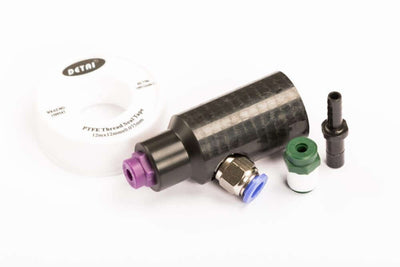
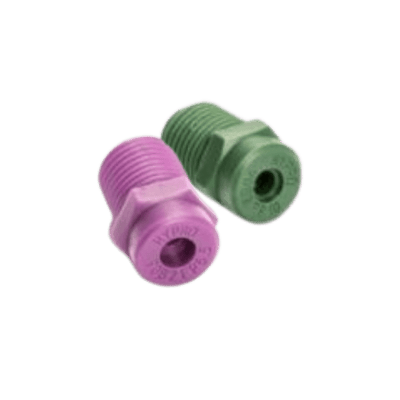
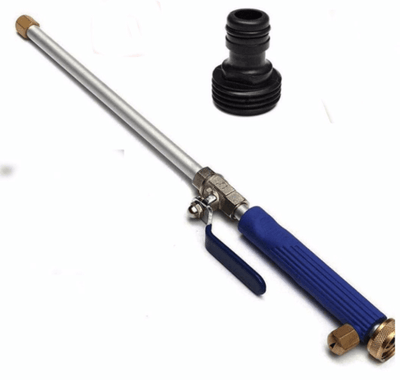
Equipment also matters. Controlled application is safer and more professional than throwing product down with a watering can. Depending on the scale of work, contractors may use low-pressure pumps, chemical-resistant sprayers, softwash systems, dedicated nozzles and rinsing equipment. The SoftWash UK soft washing equipment range is designed for operators who need more controlled application than traditional pressure washing alone can provide.
Safety and UK Best Practice
Algae removal often looks simple, but the risk profile can be significant. You may be working with slippery surfaces, public access, chemical products, pressure equipment, runoff and customer property. Serious DIY users should take the same precautions as professionals, especially when using concentrated products.
PPE and Handling
Use appropriate PPE based on the product safety data sheet and task risk assessment. This may include:
- Chemical-resistant gloves.
- Eye and face protection.
- Suitable footwear with slip-resistant soles.
- Protective clothing or waterproofs.
- Respiratory protection where required by the risk assessment.
Store chemicals securely, keep them away from children and pets, label all containers clearly and never decant products into unmarked bottles. Always have clean water available for rinsing equipment, accidental splashes and plant protection.
COSHH, Labels and Environmental Control
In the UK, contractors must consider COSHH, product labels, safety data sheets, environmental responsibilities and site-specific risks. This is especially important on schools, care homes, retail parks, public sector sites and commercial facilities where documentation may be requested before work starts.
Key best-practice points include:
- Read and follow the manufacturer’s instructions.
- Use the lowest effective concentration for the task.
- Do not allow chemicals to enter watercourses.
- Control public access until the area is safe.
- Use signage and barriers on commercial sites.
- Record the method, products and controls used.
- Dispose of waste water responsibly according to site and regulatory requirements.
Common Mistakes When Removing Algae From Driveways
Using Too Much Pressure
Excessive pressure can scar concrete, remove jointing sand, damage tarmac edges and leave wand marks. If algae is the main issue, chemical treatment often does more useful work than force.
Skipping the Test Patch
A test patch is especially important on coloured concrete, natural stone, resin bound driveways and sealed surfaces. It helps confirm compatibility and manage customer expectations.
Applying Chemicals in Poor Weather
Heavy rain can wash treatment away before it works. Strong wind increases overspray risk. Hot sun can dry the solution too quickly. Choose suitable conditions whenever possible.
Ignoring Drainage
Runoff is one of the biggest professional risks on driveway work. Know where water will go before you start. Do not assume all drains are suitable for wash water or chemical runoff.
Promising the Driveway Will Stay Clean Indefinitely
No exterior cleaning method prevents algae forever. Shaded, damp driveways will need maintenance. Be honest with customers and explain that cleaning removes existing growth while post-treatment and maintenance reduce the speed of regrowth.
Treating Every Stain as Algae
Black spots, oil, rust, tannin and tyre marks are not the same as algae. Using an algae treatment on an oil stain will usually disappoint the customer. Diagnose first, then choose the method.
Maintenance Tips to Reduce Algae Regrowth
After a driveway has been cleaned, proper maintenance helps keep algae away for longer. This advice is useful for contractors offering maintenance plans and for facilities managers responsible for slip prevention.
- Remove leaves and organic debris regularly.
- Trim back overhanging vegetation to improve sunlight and airflow.
- Fix leaking gutters, overflow pipes and drainage problems.
- Keep block paving joints topped up with suitable kiln-dried sand where required.
- Consider periodic biocide treatments in shaded or high-risk areas.
- Clean small patches of algae early before they spread.
- Inspect commercial pedestrian routes during wet winter months.
A maintenance clean is generally easier, quicker and lower risk than restoring a heavily neglected driveway. For commercial clients, scheduled treatment can also support safer access routes and more predictable exterior maintenance budgets.
Professional Training Helps Avoid Expensive Mistakes
Driveway algae removal involves more than choosing a chemical and spraying it on the ground. Professional work requires surface assessment, dilution control, application technique, runoff planning, PPE, customer communication and compliance awareness. This is where structured training can prevent damage, improve results and help contractors quote with confidence.
If you want to see how professional softwashing training is structured before committing to the full programme, you can try selected lessons from the SoftWash UK course for free. It is a useful way to preview the training and understand the standards, safety thinking and practical approach behind professional softwashing.
Frequently Asked Questions
What is the fastest way to remove green algae from a driveway?
The fastest professional method is usually to apply a suitable softwash or algaecidal treatment, allow the correct dwell time, then rinse or pressure wash if surface dirt also needs removing. The exact method depends on the driveway material and site conditions. Always test first and follow product instructions.
Will pressure washing kill algae on a driveway?
Pressure washing can remove visible algae, but it may not fully treat spores embedded in porous surfaces or joints. Without a suitable treatment, algae can return quickly, especially on shaded and damp driveways. A combined treatment and cleaning process usually gives a longer-lasting result.
Can I use bleach to clean algae from a driveway?
Sodium hypochlorite-based products are used in professional exterior cleaning, but they must be diluted, applied and controlled correctly. Household bleach is not a professional cleaning system and may include additives that are unsuitable for exterior surfaces. Contractors should use appropriate professional products, read the safety data sheet and never mix chemicals.
How do I stop algae coming back on block paving?
Improve drainage, remove leaf litter, reduce shade where possible, keep joints maintained and consider a suitable post-treatment after cleaning. Block paving joints hold moisture and organic matter, so regular maintenance is important. In shaded areas, periodic treatment may be needed.
Is algae on driveways dangerous?
Algae can create a slippery surface, particularly when wet. This can be a slip hazard on domestic paths, commercial entrances, ramps, care homes, schools and public access areas. Facilities managers should treat recurring algae as a maintenance and safety issue, not just a cosmetic problem.
Can algae removal damage my driveway?
The wrong method can damage a driveway. Excessive pressure can scar surfaces, remove jointing sand or damage weak concrete. Unsuitable chemicals can affect sensitive stone, metals, plants or sealers. Correct assessment, test patches, proper dilution and controlled application reduce the risk.
Conclusion: Treat the Algae, Protect the Surface and Control Regrowth
Removing algae from a driveway is most effective when you treat it as a biological cleaning task, not just a blasting job. The best results come from identifying the surface and contamination, preparing the area, applying the right treatment safely, allowing sufficient dwell time, rinsing or pressure washing where appropriate, and planning maintenance to slow regrowth.
For contractors and property professionals, this approach produces cleaner driveways, fewer complaints, better safety outcomes and more professional results. It also protects surfaces from unnecessary damage caused by over-aggressive pressure washing.
SoftWash UK supports the exterior cleaning industry with professional chemicals, equipment, training and educational resources for safe, responsible softwashing. If you are developing your driveway cleaning service or improving your maintenance standards, visit SoftWash UK to explore products, guidance and training designed for real-world UK exterior cleaning work.