How to Clean a Patio Properly: A Practical Guide for UK Exterior Cleaning Professionals
To clean a patio properly, start by identifying the surface material, removing loose debris, pre-treating organic growth and stains, then cleaning with the right combination of controlled pressure, softwashing chemistry and thorough rinsing. The best method depends on whether the patio is concrete, natural stone, porcelain, block paving, sandstone, limestone, slate or resin-bound surfacing.
For professional contractors, facilities managers and serious DIY users, proper patio cleaning is not simply a case of blasting the surface with a pressure washer. A good result comes from correct survey work, safe chemical handling, surface-appropriate cleaning, responsible wash water management and aftercare that slows regrowth. Done well, a patio can be cleaned without scarring the surface, blowing out joints, damaging pointing or leaving behind patchy staining.
This guide explains how to clean a patio properly in real-world UK conditions, including algae, black lichen, moss, oil spots, rust marks, slippery paving and weathered stone. It also explains when to use pressure washing, when to use softwashing, and when a combination of both is the most professional approach.
What Does Proper Patio Cleaning Involve?
Proper patio cleaning involves more than removing visible dirt. A professional patio clean should address:
- Loose soil, leaves, sand and debris
- Green algae and slippery biofilm
- Moss in joints and shaded edges
- Black lichen spots on natural stone and concrete
- Oil, grease, rust and tannin staining
- Efflorescence, mineral marks and drainage staining
- Surface sensitivity, including soft stone and aged pointing
- Safe run-off control and protection of nearby plants, lawns and watercourses
In practice, the best patio cleaning method is usually a balanced process: mechanical removal where appropriate, targeted chemistry where needed, and controlled rinsing to leave the surface clean without causing avoidable damage.
Start With a Site Survey Before Cleaning
Every good patio clean starts with a survey. This is where many poor results begin: the operator arrives, unloads the pressure washer and starts cleaning before understanding the surface.
Before cleaning, inspect the patio and record:
- Surface type: concrete slabs, Indian sandstone, limestone, porcelain, slate, granite, block paving or resin-bound surfacing.
- Condition: cracks, loose slabs, failed pointing, loose jointing compound or hollow-sounding paving.
- Contamination: algae, moss, black lichen, oil, rust, barbecue grease, leaf staining or cement residue.
- Drainage: where rinse water will travel and whether it could enter drains, ponds, borders or neighbouring property.
- Access: hoses, water supply, trip hazards, public access, pets, children and working around furniture.
- Previous treatments: sealers, colour enhancers, old coatings or DIY chemical residues.
For contractors, this survey should feed into the quotation, method statement and risk assessment. For commercial and facilities work, it is also important to agree working hours, pedestrian management, signage and drying times before starting.
Patio Surface Types and Cleaning Considerations
Different patio materials respond very differently to water pressure and cleaning chemicals. The table below gives a practical overview.
| Patio Surface | Common Issues | Best Cleaning Approach | Important Caution |
|---|---|---|---|
| Concrete paving slabs | Algae, black lichen, ingrained dirt, rust marks | Pre-treatment, controlled pressure washing, post-treatment where needed | Avoid etching soft or weathered slabs with excessive pressure |
| Indian sandstone | Black lichen, algae, leaf staining, general weathering | Softwash pre-treatment and careful rinsing; pressure only where suitable | Do not over-pressure as it can roughen the stone and open the surface |
| Limestone | Algae, darkening, surface sensitivity | Low-pressure cleaning and carefully selected chemistry | Avoid acidic cleaners unless specifically suitable and tested |
| Porcelain paving | Surface dirt, grout haze, algae on grout lines | Detergent clean, agitation and rinsing | Porcelain is dense; stains often sit on the surface or in grout rather than deep in the tile |
| Block paving | Moss, weeds, sand loss, oil spots | Pre-treatment, pressure washing, re-sanding when dry | Expect jointing sand to be displaced during cleaning |
| Resin-bound surfacing | Algae, moss, tyre marks, staining | Low-pressure cleaning and suitable detergents | High pressure can damage the resin matrix |
Softwashing, Pressure Washing or Both?
One of the most common questions is whether a patio should be pressure washed or softwashed. The honest answer is that many patios benefit from a combined approach.
Pressure washing is useful for removing surface dirt, silt, loose moss and debris. Softwashing is used to treat organic growth such as algae, lichen and biological staining. If you want a deeper explanation of the method, SoftWash UK’s Knowledge Centre guide on softwashing explains how low-pressure chemical cleaning works and where it fits into exterior cleaning.
For patio cleaning, the decision often looks like this:
| Cleaning Method | Best For | Limitations |
|---|---|---|
| Pressure washing only | Loose dirt, mud, silt, recent algae, block paving preparation | Often leaves black lichen behind; can damage soft stone or joints if misused |
| Softwashing only | Algae, biofilm, light organic growth, sensitive stone | May not remove heavy soil, compacted debris or thick moss without agitation or rinsing |
| Combined method | Heavily soiled patios, lichen-covered sandstone, commercial footpaths | Requires more skill, correct dilution, dwell time and rinse control |
If you are comparing methods for client education or specification work, the SoftWash UK guide to softwashing vs pressure washing gives a useful breakdown of where each process performs best.
Equipment Needed to Clean a Patio Properly
Professional patio cleaning equipment will vary depending on the site and surface. A typical set-up may include:
- Commercial pressure washer with suitable flow rate and pressure control
- Flat surface cleaner for even cleaning on compatible paving
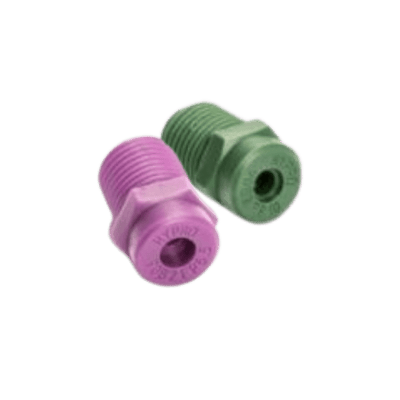
- Fan jet nozzles rather than aggressive turbo nozzles on sensitive surfaces
- Softwash application equipment for low-pressure chemical application
- Measuring jugs, dilution containers and chemical-resistant sprayers
- Stiff brushes and hand tools for edges, corners and joints
- Wet vacuum or containment equipment where run-off needs controlling
- Personal protective equipment, including gloves, eye protection and suitable footwear
- Warning signs and barriers for commercial or public areas
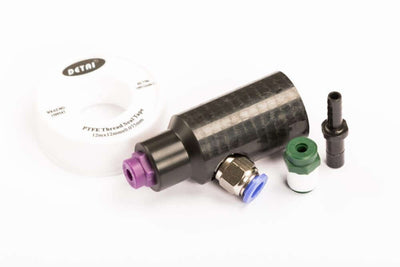
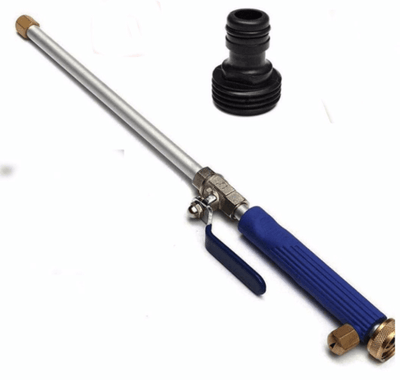
For contractors building a professional set-up, SoftWash UK supplies a range of soft washing equipment suitable for controlled low-pressure application, rinsing support and professional exterior cleaning workflows.
Chemicals Used for Patio Cleaning
The chemicals used for patio cleaning depend on the contamination. For organic growth, softwashing chemistry is commonly used. For oil, rust or specialist staining, targeted stain removers are usually more effective than simply increasing pressure.
SoftWash UK’s Knowledge Centre article on softwashing chemicals explains the main categories used in professional exterior cleaning and why correct selection, dilution and safety controls matter.
Common Patio Cleaning Chemical Categories
- Biocidal treatments: Used to treat algae, lichen spores and biological growth.
- Sodium hypochlorite-based cleaners: Used by trained professionals for oxidising organic staining where appropriate.
- Surfactants: Help cleaning solutions cling, wet out the surface and work more effectively.
- Oil stain removers: Used for barbecue grease, vehicle oil and food-related staining.
- Rust removers: Used for metal furniture marks, fertiliser stains and iron staining.
- pH-specific cleaners: Used where acidic or alkaline chemistry is suitable for a particular deposit and surface.
For contractors, a professional patio cleaning kit should include not only general cleaning chemistry but also a small selection of specialist stain removers. For example, Grenade Driveway Oil Stain Remover can be useful where patios have barbecue oil, grease or vehicle-related contamination, while Rust X Pro Rust Stain Remover is suitable for many rust staining situations when used correctly and tested first.
Always read the label and safety data sheet before use. Never mix chemicals unless you are trained, competent and the product instructions specifically allow it. In particular, never mix sodium hypochlorite with acids, as this can produce dangerous chlorine gas.
Step-by-Step: How to Clean a Patio Properly
Step 1: Clear the Area
Remove furniture, pots, barbecues, toys, mats and loose items. Brush away leaves, soil and loose moss. Check beneath pots and furniture feet for rust rings, tannin marks and trapped damp areas.
On commercial sites, place warning signs and create a safe working zone. Wet paving, hoses and chemical application areas can all create slip and trip risks.
Step 2: Protect Surrounding Areas
Before applying water or chemicals, protect vulnerable surfaces and surroundings. Pre-wet nearby plants and grass where appropriate. Move any delicate planters. Be aware of painted surfaces, timber, metalwork, ponds, drainage channels and natural stone features.
On facilities and managed sites, confirm where wash water will go. If there is a risk of contaminated run-off entering surface water drains, additional controls may be required.
Step 3: Identify Stains Before General Cleaning
Do not assume every mark is algae. Oil, rust, cement residue, efflorescence and tannin staining all require different treatments. If you clean the whole patio first without identifying these issues, you may leave isolated stains that become more obvious after the general dirt has gone.
Test a small area before large-scale treatment, particularly on natural stone, old concrete or previously sealed surfaces.
Step 4: Pre-Treat Organic Growth
Where algae, black lichen or biofilm is present, apply a suitable softwash pre-treatment at the correct dilution. Allow appropriate dwell time, but do not let the chemical dry out on the surface unless the product instructions specifically allow it.
Good dwell time is one of the differences between professional work and rushed cleaning. Many poor results come from applying chemistry and rinsing it away too quickly, before it has had chance to break down the growth.
Step 5: Agitate Where Needed
Edges, corners, steps, textured slabs and grout lines often benefit from brushing. On black lichen-heavy patios, agitation can help break through the outer surface of the growth so the treatment can work more effectively.
Use the right brush for the surface. Very aggressive wire brushing may scratch softer stone and leave visible marks.
Step 6: Pressure Wash Carefully Where Appropriate
Use controlled pressure, an appropriate nozzle and consistent technique. Keep the lance moving and avoid cutting lines into the surface. On suitable surfaces, a flat surface cleaner can produce a more even finish than a lance alone.
Important practical points:
- Start with lower pressure and increase only if needed.
- Avoid holding the nozzle too close to soft stone.
- Do not use a turbo nozzle on delicate paving.
- Clean in logical sections so dirty water does not run over cleaned areas.
- Be careful around failed pointing, loose slabs and drainage covers.
Step 7: Rinse Thoroughly
Rinse from high points to low points and push dirty water towards suitable drainage or collection points. Do not leave chemical residues, slurry or silt sitting in joints, channels or low spots.
On commercial sites, pay particular attention to entrances, thresholds and pedestrian routes. A patio or courtyard may look clean while still being slippery if fine silt has been left behind.
Step 8: Treat Remaining Stains
After the main clean, reassess the surface. Some stains only become clear once the dirt has been removed. Treat oil, rust, tannin or mineral staining with the correct product, following the manufacturer’s instructions and testing first.
Avoid the temptation to keep increasing pressure on stubborn stains. If the stain is chemical or mineral in nature, more pressure may damage the paving without improving the result.
Step 9: Apply a Post-Treatment Where Appropriate
A post-treatment can help deal with remaining organic growth and slow regrowth. This is particularly useful on shaded patios, north-facing areas, damp gardens and commercial courtyards with limited sunlight and airflow.
How long a patio stays clean depends on the surface, drainage, shade, surrounding vegetation and aftercare. The Knowledge Centre guide on how long does softwashing last explains why results vary and what affects regrowth rates.
Step 10: Re-Sand or Re-Point Where Required
Block paving usually needs re-sanding once fully dry. Some patios may also need joint repairs where old pointing has failed. Cleaning can expose existing defects, so it is good practice to make this clear to the client before work begins.
If sealing is being considered, ensure the surface is completely clean, dry and suitable for sealing. Sealing over moisture, remaining algae or staining can create long-term problems.
Common Patio Cleaning Mistakes
Using Too Much Pressure
High pressure is not the same as professional cleaning. Excessive pressure can scar concrete, open up sandstone, remove jointing, damage pointing and create wand marks. Once a surface has been etched, it is difficult to reverse.
Ignoring Black Lichen
Black lichen is not ordinary dirt. Pressure washing may remove the top of the spot while leaving growth in the pores of the stone. This is why lichen often reappears quickly after poor cleaning. Proper treatment, dwell time and sometimes repeated applications are needed.
Using the Wrong Chemical for the Stain
Oil, rust, algae and efflorescence are different problems. A single chemical will not solve every patio issue. Correct diagnosis saves time, reduces damage risk and improves results.
Letting Chemicals Dry on the Surface
Allowing strong cleaning solutions to dry can leave marks, uneven results or residue. Work in manageable sections, especially in warm or windy weather.
Failing to Manage Run-Off
Professional patio cleaning must consider where wash water goes. This is especially important near ponds, planting, watercourses, commercial drainage systems and neighbouring properties.
Safety and Best Practice for Patio Cleaning
Patio cleaning has real risks: chemical exposure, slips, pressure injection injuries, electrical hazards, public access issues and environmental harm. A professional approach should include suitable PPE, a written risk assessment, safe storage and transport of chemicals, clear labelling, and site-specific controls.
For contractors who need structured documentation, the Risk Assessment and Method Statement Pack for Exterior Cleaning can help support safer working practices and more professional site planning.
Best-practice safety points include:
- Wear eye protection, gloves and suitable footwear.
- Keep members of the public, children and pets away from the work area.
- Use signage and barriers where people may walk through the site.
- Store and transport chemicals upright, labelled and secured.
- Do not mix unknown chemicals or combine products casually.
- Keep a clean water supply available for rinsing plants, surfaces and accidental splashes.
- Follow product labels, safety data sheets and UK best practice.
Should You Seal a Patio After Cleaning?
Sealing can help some patios resist staining and make maintenance easier, but it is not always necessary and not every surface is suitable. Natural stone, concrete and block paving may benefit from the right sealer, while porcelain often needs a different approach because it is much less porous.
Before sealing, ask:
- Is the patio completely dry?
- Has all organic growth been treated properly?
- Are any stains still visible?
- Is the surface porous enough to accept the sealer?
- Will the sealer alter colour, slip resistance or appearance?
For contractors, sealing should be quoted and specified separately from cleaning. Poor sealing can cause more complaints than poor cleaning, especially if moisture becomes trapped or the finish becomes patchy.
Maintenance Advice After Patio Cleaning
A cleaned patio will stay looking better for longer if the client understands simple maintenance. This is particularly important for shaded gardens, rental properties, hospitality spaces and commercial courtyards.
- Brush leaves and organic debris regularly.
- Improve airflow by cutting back overhanging vegetation.
- Keep drainage channels clear.
- Clean spills early, especially oil and barbecue grease.
- Avoid leaving metal furniture directly on the surface without protection.
- Schedule periodic biocidal treatment where algae returns quickly.
Facilities managers may benefit from a planned maintenance programme rather than waiting until paving becomes slippery. Preventative treatment is often safer, less disruptive and more cost-effective than heavy restoration cleaning.
When Is Softwashing Better Than Pressure Washing for Patios?
Softwashing is often better than pressure washing where the main issue is biological growth rather than heavy soil. It is particularly useful on sensitive stone, textured paving, shaded patios and surfaces affected by algae or lichen. Pressure washing may still be needed to remove loose material, but softwashing deals with the growth that pressure alone can leave behind.
For a fuller comparison, SoftWash UK’s article on whether softwashing better than pressure washing explains where low-pressure chemical cleaning can provide better long-term results and where pressure washing still has an important role.
Professional Development for Patio Cleaning Contractors
Patio cleaning looks simple from the outside, but professional results rely on understanding surfaces, chemistry, dwell times, dilution, pressure control, safety and client expectations. This is especially true when working on expensive natural stone, commercial premises or public access areas.
If you want to see how professional softwashing training is structured before committing to the full programme, you can try selected lessons from the SoftWash UK course for free. It is a useful way to preview the training and understand the standards, safety thinking and practical approach behind professional softwashing.
Frequently Asked Questions About Cleaning a Patio
What is the best way to clean a patio?
The best way to clean a patio is to identify the surface and staining first, remove loose debris, pre-treat organic growth, clean with controlled pressure where suitable, rinse thoroughly and apply a post-treatment if needed. The correct method depends on whether the patio is concrete, sandstone, limestone, porcelain, block paving or another material.
Can I clean a patio with just a pressure washer?
You can remove loose dirt and surface grime with a pressure washer, but pressure alone often struggles with black lichen, algae roots and ingrained organic staining. On sensitive surfaces, too much pressure can cause permanent damage. A combined softwash and controlled pressure approach is often more effective.
How do you remove black spots from a patio?
Black spots are usually black lichen. They often need a suitable softwash treatment, enough dwell time and sometimes agitation or repeated treatment. Simply blasting them with high pressure can damage the paving and still leave the root structure behind.
Is bleach safe for cleaning patios?
Sodium hypochlorite-based cleaning solutions are used by trained professionals for certain patio cleaning tasks, but they must be diluted, applied and rinsed correctly. Household bleach is not a professional specification and can create safety, surface damage and environmental risks if misused. Always follow product instructions and never mix bleach-based products with acids.
How often should a patio be cleaned?
Most domestic patios benefit from cleaning every 12 to 24 months, depending on shade, drainage, vegetation and foot traffic. Commercial patios, courtyards and hospitality areas may need more frequent maintenance to manage slip risk and customer appearance standards.
Should a patio be cleaned before or after winter?
Both can be appropriate. Cleaning before winter can reduce slippery algae and moss during wet months. Cleaning in spring can remove winter grime and prepare the area for use. For commercial sites, planned maintenance should be based on slip risk rather than season alone.
Conclusion: Clean Patios Properly, Not Aggressively
Proper patio cleaning is about choosing the right process for the surface and the problem. A professional clean should remove contamination without unnecessary damage, manage safety risks, protect surrounding areas and slow down regrowth where possible.
For contractors and property professionals, the difference between average and professional patio cleaning is usually found in the preparation: survey the surface, diagnose the staining, choose the right chemistry, control pressure, manage run-off and communicate clearly with the client.
SoftWash UK supports the exterior cleaning industry with professional soft wash chemicals, specialist equipment, training and practical education for safer, more effective cleaning. If you are building a more professional patio cleaning service, explore SoftWash UK’s resources and choose methods that protect both the surface and your reputation.