How to Improve Dwell Time During Softwashing
Improving dwell time during softwashing means keeping the correct cleaning solution active on the surface for long enough to break down organic growth, staining and contamination without letting it dry out, run off unnecessarily or damage surrounding materials. In practical terms, better dwell time comes from using the right dilution, applying in suitable weather, controlling surface temperature, adding an appropriate surfactant, working in manageable sections and understanding how different surfaces absorb or shed solution.
For UK exterior cleaning contractors, facilities managers, property maintenance teams and serious DIY users, dwell time is one of the biggest differences between a rushed clean and a professional result. Too little dwell time and algae, lichen, black spot or biofilm may survive. Too much, or poorly controlled dwell, can increase risk to plants, metals, painted finishes, glass, drainage systems and the operator.
This guide explains how to improve softwash dwell time safely and professionally, based on real-world exterior cleaning practice rather than theory alone.
What Is Dwell Time In Softwashing?
Dwell time is the period a softwashing solution remains in contact with the surface while it is still active. During this time, the chemistry is working on organic contamination such as algae, mould, mildew, lichen, moss spores, bacterial biofilm and atmospheric staining.
In softwashing, dwell time is not simply “how long the surface stays wet”. A solution can remain visibly damp but lose effectiveness if it has been over-diluted, neutralised by heavy contamination, washed away by rain, dried at the edges or applied incorrectly.
Why Dwell Time Matters
Good dwell time helps you achieve:
- More even cleaning results across render, roofs, paving, cladding and timber.
- Better breakdown of algae, mildew, lichen and organic staining.
- Less reliance on high pressure, reducing surface damage risk.
- Fewer repeat visits caused by patchy results.
- More controlled chemical use and better compliance with safe working practice.
On many jobs, poor results are blamed on the chemical when the real issue is application technique, weather, surface temperature or inadequate dwell control.
Typical Dwell Time Ranges By Surface And Contamination
There is no single dwell time that applies to every job. Always follow the product label, safety data sheet and site-specific risk assessment. The table below gives practical guidance on the factors that influence dwell time, not a replacement for manufacturer instructions.
| Surface or Situation | Typical Dwell Consideration | Practical Notes |
|---|---|---|
| Painted render and K-rend style finishes | Moderate dwell, carefully controlled | Avoid drying, streaking and excessive runoff. Work in sections and rinse where required. |
| Concrete and block paving | Often benefits from longer contact | Porous surfaces can absorb solution quickly. Pre-cleaning heavy soil may improve performance. |
| Roof tiles | Longer biological treatment window | Application method, access, runoff control and weather are critical. Avoid overspray and protect gutters, plants and watercourses. |
| UPVC, cladding and coated panels | Usually shorter controlled dwell | Do not allow solution to dry on sensitive finishes. Test first and rinse appropriately. |
| Timber | Requires extra caution | Timber can absorb product unevenly. Test patches, correct dilution and aftercare are important. |
| Heavy black lichen or established growth | May require repeat treatment rather than one aggressive application | Better to use a controlled process than increase strength beyond safe or recommended limits. |
The Main Factors That Affect Softwash Dwell Time
1. Weather Conditions
Weather is often the biggest dwell time factor on UK jobs. Bright sun, wind and warm surfaces can cause premature drying. Heavy drizzle or rain can dilute the solution before it has worked. Cold weather may slow chemical reaction times.
For better dwell time, aim for:
- Overcast or lightly cloudy conditions where possible.
- Low to moderate wind to reduce overspray and evaporation.
- Dry weather long enough for the treatment to work.
- Surface temperatures that are not excessively hot.
In practice, early morning and late afternoon can be useful for render and cladding because surfaces are often cooler. However, avoid starting when condensation, frost or heavy dew will dilute the product excessively.
2. Surface Temperature
A wall in direct summer sun can be much hotter than the air temperature. This can cause softwash solution to flash dry, leaving uneven results and increasing the risk of residue marks on glass, frames or painted surfaces.
Experienced contractors often check the surface by hand, use an infrared thermometer on sensitive projects or simply plan the job around the movement of the sun. On a south-facing rendered elevation, this may mean treating one side of the property first and returning to the hotter elevation later in the day.
3. Surface Porosity
Porous surfaces such as concrete, clay tile, sandstone and weathered render can pull softwash solution into the surface. This may reduce visible wet dwell time but can still allow the product to work within the pores. Non-porous surfaces such as UPVC, coated metal and some cladding systems shed solution quickly, so surfactant choice and application control become more important.
4. Contamination Load
Heavy moss, soil, bird fouling, grease or thick biofilm can consume or block the cleaning solution. If the product cannot contact the biological growth properly, dwell time becomes less effective.
On heavily contaminated surfaces, mechanical preparation may be needed first. This could include scraping heavy moss, brushing loose matter, clearing gutters or removing thick deposits before applying a softwash treatment.
5. Chemical Strength And Compatibility
Stronger is not always better. Using an overly strong mix can increase risk without improving results, especially if dwell time is poorly managed. Correct dilution, correct product selection and controlled application are usually more important than simply increasing concentration.
SoftWash UK supplies a range of professional soft washing chemicals for different exterior cleaning situations. Contractors should select products according to surface type, contamination, safety requirements and manufacturer guidance rather than using one mix for every job.
How To Improve Dwell Time During Softwashing: Step-By-Step
Step 1: Inspect The Surface Before Mixing Anything
A proper site inspection should come before chemical selection. Look for:
- Algae, lichen, moss, mould, mildew or staining type.
- Porous, painted, delicate, weathered or damaged surfaces.
- Nearby plants, ponds, lawns and watercourses.
- Metals, lead flashing, aluminium frames and decorative fixtures.
- Drainage routes and potential runoff points.
- Access limitations, public areas and overspray risks.
This inspection tells you how much dwell time is realistic and what protection measures are needed. It also helps avoid one of the most common softwashing mistakes: treating every property as if it is the same.
Step 2: Choose The Right Application Window
If possible, avoid applying softwash solution in hot direct sun, strong wind or rain. When the diary is full, it can be tempting to press on regardless, but poor conditions often cost more time later through call-backs, re-treatment or extra rinsing.
A practical contractor’s approach is to sequence the job around the building:
- Treat shaded elevations first.
- Leave hot elevations until cooler parts of the day.
- Work leeward where possible to reduce wind drift.
- Break large elevations into sections instead of applying too much at once.
Step 3: Prepare And Protect The Area
Good dwell time starts with control. Before application, remove movable items, protect sensitive materials and pre-wet vulnerable planting where appropriate. Bagging downpipes, diverting runoff, using gutter controls or rinsing adjacent surfaces may be necessary depending on the site.
For commercial premises, schools, care homes and public-facing properties, this preparation should be documented in a site-specific risk assessment and method statement. SoftWash UK offers a Risk Assessment and Method Statement pack for exterior cleaning, which can help contractors structure their paperwork and think through hazards before the job starts.
Step 4: Use A Suitable Surfactant
A surfactant helps the cleaning solution cling to the surface, spread more evenly and resist running straight off. This is especially useful on vertical render, cladding, roof elevations and smooth non-porous materials.
For many softwashing applications, a professional surfactant such as Clever Wash Surfactant can improve wetting and contact time. The aim is not to create excessive foam for appearance; it is to achieve controlled, even coverage and better dwell.
Use surfactants according to manufacturer guidance. Too much surfactant can create unnecessary residue, increase rinse time or lead to slippery surfaces.
Step 5: Apply Evenly, Not Excessively
More liquid does not automatically mean better dwell time. Flooding a surface can cause runoff, waste product and increase environmental risk. The best application is usually an even wet coat that holds on the surface long enough to work without pouring down the wall or roof.
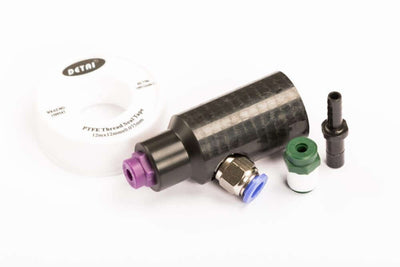
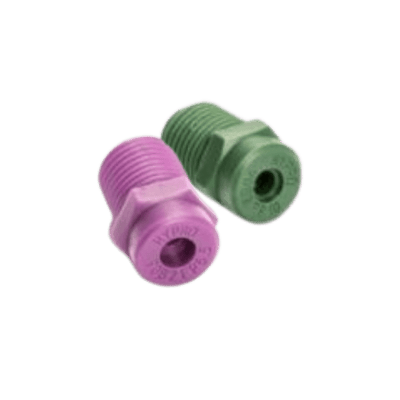
Use the correct nozzle, flow rate and spray pattern. For controlled application from ground level or with water-fed pole systems, a purpose-made tool such as a water fed pole softwash nozzle can help improve placement and reduce waste when used correctly.
Step 6: Work In Manageable Sections
On larger elevations, roofs or commercial cladding, do not apply to the whole area and then hope for the best. Divide the job into sections you can monitor. This allows you to:
- Keep edges wet where necessary.
- Reapply a light mist if the product starts to dry too soon.
- Watch for unexpected reactions on sensitive surfaces.
- Control runoff more effectively.
- Rinse at the right point where rinsing is required.
Section sizes should be smaller in warm, windy weather and larger in cool, calm conditions.
Step 7: Keep The Solution Active Without Over-Applying
If the product begins to dry before the required contact time has been achieved, a light re-mist may restore wet dwell. The aim is to keep the chemistry active, not to drown the surface.
On render, you may see areas drying faster around corners, window reveals and sun-exposed patches. On roofs, ridges and laps can behave differently from shaded sections. Monitoring these areas is part of the skill of softwashing.
Step 8: Rinse, Neutralise Or Leave To Weather Naturally Where Appropriate
Some softwashing tasks require rinsing after the correct dwell period. Others, particularly certain biocidal treatments, may be designed to remain and work over time. Always follow the product instructions and consider the surface, exposure, public access and environmental setting.
Do not assume every job should be rinsed immediately, and do not assume every product should be left indefinitely. The right decision depends on the chemistry, surface and site risk.
Equipment Choices That Help Improve Dwell Time
Equipment affects droplet size, flow rate, coverage and operator control. A contractor using the wrong nozzle or pump set-up may create misty overspray, excessive runoff or patchy coverage even with the correct chemical.
| Equipment Factor | Effect On Dwell Time | Best Practice |
|---|---|---|
| Nozzle selection | Controls spray pattern, droplet size and coverage | Use a pattern that wets the surface evenly without creating excessive mist. |
| Pump flow rate | Too high can cause runoff; too low can create patchy coverage | Match flow to surface, height and section size. |
| Injection systems | Can improve consistency when set up correctly | Calibrate and test output before relying on ratios. |
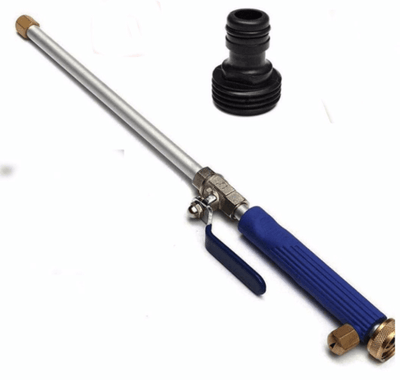
| Water-fed pole application | Improves reach and placement on some elevations | Use suitable nozzles and maintain safe working posture. |
| Access equipment | Poor access leads to uneven coverage | Plan safe access before starting, especially on roofs and commercial buildings. |
For contractors building a professional set-up, SoftWash UK supplies soft washing equipment designed for controlled application, chemical handling and exterior cleaning workflows. Equipment should always be selected around the type of work you carry out, not simply the highest flow rate or longest reach.
Chemical Application Best Practice For Better Dwell
Follow The Label And SDS
Every professional softwashing product has specific use guidance, safety requirements and limitations. Read the label and safety data sheet before use. For contractors, this is not optional; it forms part of responsible chemical handling and COSHH compliance.
Do A Small Test Patch
Test patches are particularly useful on painted render, old brick, timber, decorative stone, coated metal and previously treated surfaces. A test patch helps confirm whether the surface accepts the product, how quickly it dries and whether the dwell time is likely to be sufficient.
Account For Organic Load
Heavy moss, soil and surface debris can reduce chemical effectiveness. Remove loose growth first where practical. On roofs, this often means scraping or brushing heavy moss before applying a post-treatment. On paving, sweeping or rinsing loose mud can improve chemical contact.
Avoid Chasing Instant Results At The Expense Of Safety
Some softwashing treatments continue to work after application, especially when dealing with biological growth. The professional approach is to set client expectations correctly: some results are immediate, while others improve over days, weeks or weather cycles depending on the treatment and surface.
Common Mistakes That Reduce Dwell Time
Mistake 1: Applying In Full Sun Without Adjusting The Method
Direct sun can turn a controlled softwash treatment into a race against evaporation. If you must work in brighter conditions, reduce section size, monitor drying closely and consider working around the sun path.
Mistake 2: Using Too Much Pressure Before Or During Treatment
Softwashing is not pressure washing with chemicals added. Excessive pressure can force contamination deeper, damage fragile surfaces or cause uncontrolled splashback. Use pressure only where appropriate and avoid undermining the surface you are trying to treat.
Mistake 3: Over-Applying Product
Flooding a surface can increase runoff without improving results. Better dwell usually comes from controlled wetting, surfactant use and timing rather than simply applying more liquid.
Mistake 4: Ignoring Wind
Wind increases evaporation and overspray risk. It can also move the product onto vehicles, neighbouring properties, plants or pedestrians. If the wind is wrong, postpone or change the working method.
Mistake 5: Not Calibrating Equipment
If your injector, pump or nozzle is not delivering what you think it is, your dwell time calculations become unreliable. Periodic calibration is good practice, especially when changing products, hose lengths, nozzle sizes or application heights.
Softwashing Dwell Time Myths
Myth: Longer Dwell Time Is Always Better
Not always. Longer dwell can improve results on some biological contamination, but it also increases the chance of drying, staining, runoff issues or damage to sensitive materials. The right dwell time is the correct active contact time for that product, surface and site.
Myth: Stronger Chemical Means Less Need For Dwell Time
A stronger mix used badly can still fail. Correct concentration, even application and controlled dwell are more reliable than excessive strength. Stronger chemical also increases safety and environmental responsibilities.
Myth: Foam Means The Product Is Working Better
Foam can help visibility and cling, but excessive foam is not proof of better cleaning. The important factors are correct chemistry, contact, coverage and safety.
Myth: If It Looks Clean Straight Away, The Job Is Finished
Some organic staining lightens quickly, while deeper growth may continue to break down over time. Equally, a surface can look improved while live growth remains in pores or laps. Dwell time and post-treatment decisions should be based on the process, not just immediate appearance.
Safety, Compliance And Environmental Notes
Softwashing involves chemical handling, working at height in some situations, public risk management and environmental responsibility. Improving dwell time should never mean increasing risk.
Key safety and best-practice points include:
- Carry out a site-specific risk assessment before work starts.
- Follow COSHH requirements and keep safety data sheets available.
- Wear suitable PPE, including eye protection, gloves and appropriate footwear.
- Protect plants, ponds, lawns and watercourses from overspray and runoff.
- Control public access with barriers or signage where needed.
- Never mix chemicals unless the manufacturer specifically states it is safe.
- Store and transport chemicals securely and legally.
- Use access equipment safely and avoid overreaching.
For contractors who want a more structured approach to chemical application, safe working methods and professional standards, the SoftWash UK training course covers the practical thinking behind softwashing, including application methods, site assessment and responsible working practices.
If you want to see how professional softwashing training is structured before committing to the full programme, you can try selected lessons from the SoftWash UK course for free. It is a useful way to preview the training and understand the standards, safety thinking and practical approach behind professional softwashing.
Practical Examples: Improving Dwell Time On Common UK Jobs
Example 1: Green Algae On Render
A north-facing rendered elevation has green algae and light black staining. The contractor chooses an overcast day, pre-wets nearby plants, protects metal fittings and applies a controlled coat with surfactant. Instead of treating the whole side at once, they work in two sections, keeping an eye on window reveals where drying happens faster. The result is more even cleaning and less streaking.
Example 2: Roof Treatment After Moss Removal
After manual moss removal, the tile surface still contains spores and biological staining. The contractor applies a post-treatment in calm weather, controls runoff through the gutters and avoids overspray onto neighbouring gardens. Dwell is improved by choosing the right weather window and applying evenly rather than using unnecessary pressure on the tiles.
Example 3: Commercial Cladding With Patchy Drying
On a warehouse elevation, wind is pushing solution across the panels and causing uneven dwell. The team changes sequence, works from the sheltered side, reduces section size and adjusts nozzle choice to produce better placement. This improves cleaning consistency and reduces chemical waste.
Quick Checklist For Better Softwash Dwell Time
- Inspect the surface and identify contamination before choosing a product.
- Check weather, wind and surface temperature.
- Protect plants, metals, watercourses and sensitive materials.
- Use the correct dilution and follow product instructions.
- Add a suitable surfactant where appropriate.
- Apply an even wet coat without flooding the surface.
- Work in sections you can control.
- Re-mist lightly if required to prevent premature drying.
- Rinse or leave according to the product guidance and job objective.
- Record methods, products and controls for professional accountability.
Frequently Asked Questions About Softwashing Dwell Time
How long should softwash dwell on a surface?
The correct dwell time depends on the product, dilution, surface, contamination level and weather. Some applications may need a short controlled dwell before rinsing, while some biocidal treatments are designed to remain active over a longer period. Always follow the product label and safety data sheet.
How do I stop softwash from drying too quickly?
Work in cooler conditions, avoid direct sun where possible, reduce section size, use an appropriate surfactant and re-mist lightly if the surface starts drying before the required contact time. Also check that you are not applying too fine a mist in windy conditions.
Does adding more surfactant increase dwell time?
A suitable amount of surfactant can improve cling and wetting, but adding too much can cause residue, excessive foaming or longer rinse times. Follow the manufacturer’s guidance and use only what is needed for the surface and job.
Should I pre-wet the surface before softwashing?
It depends on the surface, product and objective. Pre-wetting can cool hot surfaces and protect adjacent materials, but it can also dilute the softwash solution if overdone. Many biological treatments work best when they can contact the contamination effectively, so judge pre-wetting carefully and follow product guidance.
Can I improve dwell time by using a stronger mix?
Not necessarily. A stronger mix may increase risk without solving the real problem, which could be hot weather, poor surfactant choice, incorrect nozzle selection or over-large working sections. Correct method is usually more important than strength alone.
What happens if softwash dries on glass or metal?
Drying on sensitive surfaces can increase the risk of marks, residue or damage depending on the product and material. Protect vulnerable surfaces, rinse where required and do not allow chemical to dry on unsuitable materials.
Conclusion: Better Dwell Time Comes From Better Control
Improving dwell time during softwashing is not about soaking everything for as long as possible. It is about controlled contact: the right product, correct dilution, suitable weather, even application, appropriate surfactant use, good section management and safe working practice.
For contractors and property professionals, mastering dwell time leads to cleaner results, fewer call-backs, better client confidence and safer chemical use. For serious DIY users, it reduces the temptation to over-apply product or use pressure where it is not needed.
SoftWash UK supports the industry with professional softwashing chemicals, equipment, training and educational resources for safe and responsible exterior cleaning. If you are improving your softwashing process, start by reviewing your application method, safety documentation and product selection, then explore the SoftWash UK range and training resources to build a more consistent, professional approach.