How Long Does Roof Cleaning Last?
Roof cleaning typically lasts between 2 and 5 years in UK conditions, depending on the cleaning method, roof material, surrounding trees, shade, moisture levels and whether a professional biocide or softwash treatment is applied after moss removal. A roof that is only scraped may begin showing regrowth within 12 to 24 months, while a properly cleaned and treated roof can often stay cleaner for 3 to 5 years, sometimes longer on open, sunny properties with good airflow.
For exterior cleaning contractors, facilities managers and serious DIY users, the real answer is not simply “how long does roof cleaning last?” but “what has been done to slow down biological regrowth?” Moss, algae, lichen and cyanobacteria are living organisms. If you remove the visible growth but leave spores, root systems and contamination behind, the roof will green up again much faster.
This guide explains realistic roof cleaning life expectancy in the UK, what affects results, which methods last longest, and how to set the right expectations with customers, landlords, commercial property managers and homeowners.
Quick Answer: How Long Should A Clean Roof Stay Clean?
| Roof Cleaning Method | Typical Result Duration | Best Use Case | Key Limitation |
|---|---|---|---|
| Manual moss scrape only | 6 months to 2 years | Removing heavy moss before treatment | Does not properly kill spores or root systems |
| Manual scrape plus biocide treatment | 3 to 5 years | Most domestic and commercial tiled roofs | Results are weather-dependent and gradual |
| Softwashing with suitable chemicals | 2 to 5 years | Algae, lichen staining, light organic growth and post-clean treatment | Requires correct dilution, dwell time, controls and training |
| Pressure washing | 1 to 3 years | Limited situations with robust surfaces and suitable controls | Can damage tiles, remove surface protection or force water into the roof |
| Routine maintenance treatment | Extends cleanliness by several years | Planned property maintenance and facilities management | Needs scheduled inspections and access planning |
In practice, the longest-lasting roof cleaning results usually come from a two-stage process: physically removing heavy moss, then applying a suitable professional treatment to deal with remaining organic matter and spores. This is why understanding softwashing is important for anyone offering roof cleaning professionally.
Why Roof Cleaning Does Not Last The Same On Every Property
Two roofs cleaned on the same day using the same process can age very differently. In the UK, our damp climate, mild winters and frequent rainfall create ideal conditions for moss and algae growth. North-facing elevations, shaded valleys and roofs beneath overhanging trees will usually recontaminate faster than open, south-facing roofs.
Key Factors That Affect How Long Roof Cleaning Lasts
| Factor | Effect On Cleaning Longevity | Practical Contractor Note |
|---|---|---|
| Shade | Speeds up moss and algae regrowth | North-facing and tree-shaded roofs need more regular maintenance |
| Roof pitch | Steeper roofs often shed water and debris better | Low-pitch roofs hold moisture longer and may green up faster |
| Tile type | Porous tiles support more biological growth | Concrete tiles usually retain moisture more than slate or clay |
| Overhanging trees | Add seeds, leaf mulch, shade and moisture | Often the biggest cause of repeated moss build-up |
| Gutter condition | Blocked gutters hold damp debris at roof edges | Clean gutters after roof moss removal as part of the job |
| Quality of treatment | Correct chemical choice improves long-term performance | Application rate, dwell time and coverage matter |
| Local environment | Rural, coastal and high-tree areas vary considerably | Quote and guarantee terms should reflect site conditions |
For contractors, this is important when quoting. Avoid promising a fixed number of years without assessing the roof environment. A detached house in an open estate may stay clean for far longer than a shaded care home roof next to mature trees.
Which Roof Cleaning Method Lasts Longest?
The method used has a direct effect on how long the roof stays clean. The most common professional options are manual moss removal, softwashing, biocide treatment and pressure washing. Each has a place, but they do not produce the same long-term outcome.
Manual Moss Removal Only
Manual roof scraping removes heavy moss mats and is often the safest first stage on roofs with thick growth. Contractors normally use roof ladders, scaffold towers, mobile access equipment, telescopic poles or specialist scraper heads shaped to the tile profile.
However, scraping alone rarely delivers a long-lasting clean. It removes visible moss but does not fully neutralise microscopic spores, algae films or lichen roots. On a damp roof, regrowth can become visible again within a year, especially around laps, valleys, gutters and shaded elevations.
Manual Moss Removal Plus Biocide Treatment
This is one of the most effective roof cleaning systems for UK properties. The heavy moss is removed first, then a professional biocidal wash is applied to treat remaining organic contamination. The roof normally continues to improve over weeks and months as dead growth weathers away naturally.
A product such as Clean Guard Pro roof moss killer and cleaner can be useful where a controlled post-clean biocide treatment is required. As with all professional cleaning chemistry, users must follow the product label, safety data sheet, COSHH assessment and site-specific controls.
In realistic UK conditions, scrape and treat work commonly lasts 3 to 5 years. On favourable roofs, it can last longer. On shaded or tree-covered properties, shorter maintenance intervals should be expected.
Softwashing Roofs
Softwashing uses low-pressure application of cleaning solutions to treat organic staining and biological growth. It is not simply “spraying chemicals”; professional softwashing involves correct identification of the surface, chemical selection, dilution, dwell time, rinse strategy, runoff control and safe working procedures.
If you need a deeper explanation of the method, SoftWash UK’s Knowledge Centre article on softwashing vs pressure washing explains the practical difference between chemical-led cleaning and force-led cleaning.
Softwashing can produce long-lasting results because it targets the cause of discolouration rather than just removing the surface layer. For roof cleaning, it is commonly used as part of a wider process, especially after moss removal or on roofs affected by algae, lichen and black staining.
Pressure Washing Roofs
Pressure washing may make a roof look clean quickly, but it is not always the best or safest approach. High pressure can damage older tiles, strip surface coatings, disturb pointing, force water under laps, and increase the amount of contaminated runoff. In some cases, it can shorten the service life of the roof covering.
There are situations where controlled rinsing or low-pressure washing is useful, but contractors should be cautious about presenting pressure washing as the default roof cleaning method. For many tiled roofs, a low-pressure softwashing approach and appropriate treatment will be safer and longer-lasting. This is one reason many professionals consider whether softwashing better than pressure washing for delicate exterior surfaces.
How Long Does Roof Cleaning Last By Roof Type?
Roof material makes a significant difference. Contractors should always identify the roof covering before choosing a cleaning process.
Concrete Roof Tiles
Concrete roof tiles are common across the UK and often support moss growth because they can become porous and textured over time. A scraped and treated concrete tile roof will typically stay cleaner for 3 to 5 years, although shaded roofs may need attention sooner.
Care is needed with older concrete tiles. Aggressive pressure washing can remove weathered surface material and expose a more absorbent substrate, which may encourage faster future growth.
Clay Roof Tiles
Clay tiles tend to be less porous than older concrete tiles, but they can still develop algae, lichen and moss, particularly around overlaps and sheltered areas. They can also be brittle, so access planning is important. A careful clean and treatment can last several years, often towards the upper end of the 3 to 5 year range if the site has good airflow.
Slate Roofs
Natural slate usually sheds water well, but lichen and algae can still appear, especially on damp elevations. Slate roofs are often fragile under foot traffic, and fixings may be aged. Many slate roof cleaning jobs require careful access strategy and a conservative method. Longevity can be good when the treatment is applied properly and the roof is not constantly shaded.
Commercial And Facilities Management Roofs
Commercial properties, schools, care homes, housing associations and managed estates often need planned maintenance rather than one-off cleaning. The roof may not need to look visually perfect at all times, but gutters, drainage, slip hazards, weight loading from moss and long-term fabric protection matter.
For facilities managers, a sensible cycle might include annual roof and gutter inspection, moss clearance when needed, and retreatment every 2 to 4 years depending on exposure. This is often more cost-effective than waiting until drainage systems are blocked and emergency access is required.
How To Make Roof Cleaning Last Longer
Longer-lasting roof cleaning is about process quality, not just product strength. Over-application or poor control does not equal better performance. The aim is to use the right method, at the right strength, with the right safeguards.
Step-By-Step Best Practice Process
- Survey the roof from the ground first. Look for broken tiles, fragile areas, asbestos-containing materials, roof lights, solar panels, awkward access, public areas, ponds, planting and drainage routes.
- Choose the safest access method. Consider scaffold, MEWP, roof ladder, edge protection or telescopic application from ground or scaffold level. Do not assume walking the roof is acceptable.
- Carry out a risk assessment and method statement. Work at height, manual handling, chemical handling, overspray, public protection and runoff must all be considered.
- Remove heavy moss before treatment where necessary. Thick moss can prevent treatment from reaching the tile surface and can overload gutters during weathering.
- Clear gutters and downpipes. This prevents detached moss and debris causing blockages after the job.
- Apply the correct treatment evenly. Use suitable low-pressure equipment and avoid patchy coverage. Follow manufacturer instructions and safety data sheets.
- Control runoff and protect sensitive areas. Pre-wet plants where appropriate, manage drainage, avoid contamination of ponds and waterways, and prevent uncontrolled discharge.
- Communicate the expected timeline. Some treated roofs improve gradually. Lichen and staining may continue fading for weeks or months.
- Recommend a maintenance interval. A light retreatment before heavy regrowth appears is usually cheaper and more effective than repeating a full moss removal job.
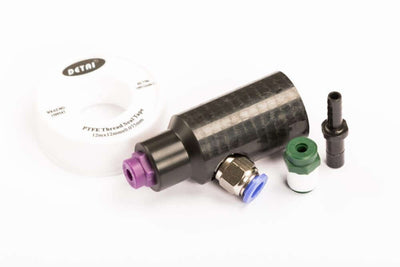
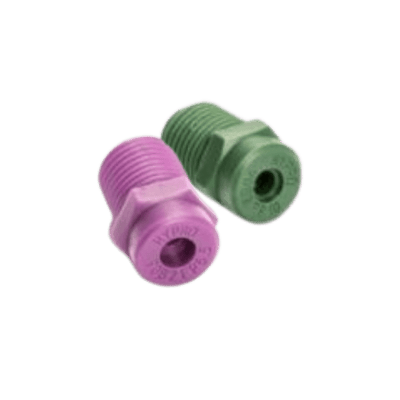
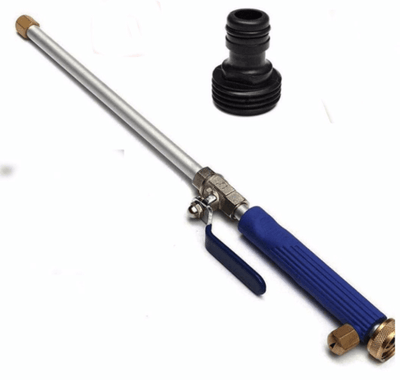
For contractors setting up professionally, the right application equipment also helps consistency. SoftWash UK supplies soft washing equipment suitable for low-pressure chemical application, controlled dosing and professional exterior cleaning workflows.
Chemicals, Treatments And Longevity
The choice of treatment has a major impact on how long roof cleaning lasts. In softwashing and roof biocide work, the chemical is not just there to make the surface look clean on the day. It is used to treat the biological contamination that causes the regrowth.
Different jobs may require different approaches. Some roof treatments are designed for slower residual action, while other softwash methods deliver faster visual cleaning where suitable. If you are comparing products and chemistry types, SoftWash UK’s guide to professional softwash chemicals is a useful educational starting point.
Contractors can explore the wider range of SoftWash UK soft wash chemicals to understand which products are appropriate for roof treatment, render cleaning, hard surface cleaning and other exterior maintenance tasks. Always use products according to the label, safety data sheet and current UK regulations.
Sodium Hypochlorite And Biocides
Sodium hypochlorite-based softwashing is often used for rapid organic stain removal on many exterior surfaces, but roof use requires careful judgement. Overspray, metal fixtures, leadwork, painted surfaces, vegetation, gutters, drainage and public exposure must all be controlled. It is not a product to use casually.
Quaternary ammonium compound biocides are commonly used where longer residual biological control is desired. They are often applied after manual moss removal and left to weather in, depending on the product instructions and the job specification.
The key point is that stronger is not automatically better. Correct mixing, application rate, dwell time, surface suitability and site management are what produce reliable results.
Safety And Compliance: Do Not Let Longevity Override Risk
A roof cleaning job that lasts five years is not a successful job if it damages the roof, harms planting, contaminates drainage, creates public risk or exposes workers to unsafe conditions. UK contractors must treat roof cleaning as a professional work activity, not just an add-on service.
Essential Safety Considerations
- Work at height: Follow the Work at Height Regulations. Use suitable access equipment and avoid unnecessary roof walking.
- COSHH: Assess chemical hazards, exposure routes, storage, mixing, PPE and emergency procedures.
- Runoff control: Protect drains, ponds, watercourses, lawns, borders and neighbouring property.
- Fragile surfaces: Treat old tiles, slate, roof lights and asbestos-containing materials with caution.
- Public protection: Use exclusion zones, signage and spotters where needed.
- Weather conditions: Avoid windy days, heavy rain, frost risk and extreme heat that affects dwell time and control.
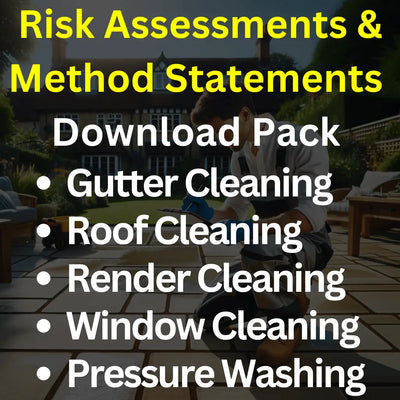
Professional paperwork matters. A suitable Risk Assessment and Method Statement pack for exterior cleaning can help contractors structure safer work, communicate controls and demonstrate professionalism to domestic, commercial and facilities management clients.
Common Mistakes That Reduce How Long Roof Cleaning Lasts
1. Promising A Fixed Five-Year Result On Every Roof
Some roofs may stay clean for five years or more, but not all will. If a roof is shaded, damp and surrounded by trees, regrowth will happen sooner. Good contractors explain the variables rather than giving unrealistic guarantees.
2. Scraping Moss But Skipping Treatment
Removing moss without treating spores is one of the main reasons roof cleaning does not last. It may look acceptable on completion, but biological regrowth can return quickly.
3. Using Too Much Pressure
High pressure can produce an instant visual result, but roof damage may not be obvious immediately. Displaced tiles, stripped surfaces and water ingress can become problems later.
4. Applying Chemicals Without Proper Controls
Poorly controlled chemical application risks plant damage, staining, runoff issues and complaints. It can also reduce customer trust in softwashing as a professional method.
5. Ignoring Gutters And Drainage
If gutters are left full of moss after roof cleaning, the property can suffer overflow, damp walls and blocked downpipes. Gutter clearance should usually be included or clearly specified.
6. Failing To Explain The Weathering Process
Biocide-treated roofs do not always look “finished” the same day. Contractors should explain that dead organic matter may continue breaking down and washing away over time. This avoids unnecessary callbacks and sets realistic expectations.
Myths About How Long Roof Cleaning Lasts
Myth: A Roof Should Look Brand New Immediately
Not always. Some methods give immediate visual change, while others are designed for gradual biological treatment. A roof can be successfully treated even if the final visual improvement develops over several weeks.
Myth: Pressure Washing Always Lasts Longer
Pressure washing removes visible dirt quickly, but it does not necessarily provide better biological control. If spores and organic contamination remain, regrowth can return sooner than expected.
Myth: Chemicals Automatically Damage Roofs
Incorrect chemical use can cause damage, but professional products used at the correct dilution, on suitable surfaces, with proper controls, are a recognised part of exterior cleaning. Training and product knowledge are essential.
Myth: Once A Roof Is Cleaned, It Will Stay Clean Permanently
No exterior surface stays clean forever. Roofs are constantly exposed to moisture, airborne spores, pollution, leaves and weathering. Maintenance is part of responsible property care.
How To Set Customer Expectations When Quoting
For contractors, explaining longevity properly can improve conversion and reduce disputes. Rather than saying “this will last five years”, use a more professional explanation:
- “Based on the shade and surrounding trees, I would expect visible regrowth to be slower, but this roof may need a maintenance treatment in around 2 to 3 years.”
- “After scraping and treatment, the roof will continue improving as rainfall helps weather away dead growth.”
- “The treatment is designed to reduce biological regrowth, but no roof cleaning method permanently prevents moss.”
- “A light maintenance visit before heavy moss returns will be cheaper than allowing the roof to become heavily colonised again.”
This approach is especially useful for facilities managers who need planned maintenance rather than vague promises. It also helps serious DIY users understand that roof cleaning longevity comes from preparation, control and follow-up, not shortcuts.
Recommended Maintenance Schedule
| Property Type | Inspection Frequency | Typical Maintenance Treatment |
|---|---|---|
| Open domestic property with good sunlight | Every 12 to 18 months | Light retreatment every 3 to 5 years if needed |
| Shaded domestic property near trees | Annually | Possible retreatment every 2 to 3 years |
| Commercial premises | Annually or as part of planned maintenance | Site-specific programme based on drainage and risk |
| Care homes, schools and public sites | At least annually | Planned access, gutter clearance and controlled treatment |
| Properties under heavy tree cover | Every 6 to 12 months | More frequent gutter clearance and targeted retreatment |
As a wider comparison, SoftWash UK’s Knowledge Centre also covers how long does softwashing last across different exterior surfaces, which can help contractors explain maintenance cycles for render, roofs, driveways and commercial buildings.
Training Matters If You Want Predictable Results
Roof cleaning longevity depends on judgement: knowing when to scrape, when to treat, when to avoid pressure, how to manage runoff, how to protect surfaces and how to communicate realistic outcomes. This is difficult to learn from product labels alone.
For contractors who want a structured route into professional methods, the SoftWash UK training course covers the practical thinking behind softwashing, chemical safety, application methods and professional standards. Training is particularly valuable if you are adding roof cleaning, render cleaning or biocide treatments to an existing exterior cleaning business.
If you want to see how professional softwashing training is structured before committing to the full programme, you can try selected lessons from the SoftWash UK course for free. It is a useful way to preview the training and understand the standards, safety thinking and practical approach behind professional softwashing.
Frequently Asked Questions
How long does roof cleaning last in the UK?
Most professionally cleaned and treated roofs in the UK stay cleaner for around 3 to 5 years. Roofs that are only scraped may show regrowth within 6 months to 2 years. Shaded, damp or tree-covered roofs usually need maintenance sooner than open, sunny roofs.
Does roof moss come back after cleaning?
Yes, moss can return after roof cleaning because spores are naturally present in the environment. A proper biocide or softwash treatment slows regrowth significantly, but no method permanently prevents moss on an exposed roof.
Is roof cleaning worth it?
Roof cleaning can be worthwhile when moss is blocking gutters, adding weight, holding moisture or affecting the appearance of the property. For commercial and managed properties, roof cleaning can also form part of planned maintenance to reduce drainage issues and emergency callouts.
Is it better to scrape or softwash a roof?
It depends on the roof condition. Heavy moss normally needs physical removal first, followed by a treatment. Softwashing is useful for treating organic staining, algae and remaining biological growth. In many professional jobs, scraping and treatment work together rather than being either-or options.
Can pressure washing damage roof tiles?
Yes, pressure washing can damage roof tiles if carried out aggressively or on unsuitable surfaces. It can remove surface material, disturb laps, damage mortar or force water beneath tiles. Contractors should assess the roof carefully before using any pressure-based method.
How soon will a roof look clean after treatment?
Some softwashing methods produce fast visual improvement, while biocide treatments may work gradually over weeks or months. Dead moss, algae and lichen often weather away through rainfall and natural exposure. Contractors should explain this before starting the job.
How often should a roof be treated after cleaning?
A light maintenance treatment every 2 to 5 years is common, depending on the roof environment. Properties under trees or in shaded locations may benefit from earlier retreatment, while open roofs may remain clean for longer.
Conclusion: Roof Cleaning Longevity Comes From Method, Not Luck
So, how long does roof cleaning last? In most UK settings, a properly cleaned and treated roof should remain noticeably cleaner for 3 to 5 years. The shortest-lasting results usually come from cosmetic cleaning alone, while the best results come from careful moss removal, suitable softwash or biocide treatment, safe access, correct chemical control and planned maintenance.
For contractors and property professionals, the key is to assess each roof honestly. Consider shade, tile type, tree cover, roof pitch, drainage, access and customer expectations before choosing the method. Avoid unsafe shortcuts, avoid unrealistic claims, and make safety documentation part of the job rather than an afterthought.
SoftWash UK supports professional exterior cleaners with specialist chemicals, low-pressure equipment, training and educational resources designed for safe and responsible softwashing. If you are building or improving a roof cleaning service, explore the SoftWash UK Knowledge Centre, professional product range and training options to develop methods that are safer, more consistent and more commercially reliable.