How Professional Contractors Save Time on Site
Professional contractors save time on site by planning the job properly, arriving with the right equipment, using efficient cleaning methods, controlling set-up and pack-down time, and training operatives to work safely without unnecessary delays. In exterior cleaning, the fastest teams are rarely the ones rushing. They are the ones who remove uncertainty before they arrive, use repeatable systems, and choose methods such as softwashing, controlled chemical application and efficient access planning to reduce labour, water use and rework.
For UK exterior cleaning contractors, property maintenance professionals, facilities managers and serious DIY users, time on site is one of the biggest factors affecting profitability, safety and client satisfaction. A job that should take half a day can easily become a full day if access is poor, chemicals are not prepared, staff are unsure of the method, or the wrong equipment has been loaded onto the van.
This guide explains the practical systems used by professional contractors to save time on site without cutting corners. It covers quoting, preparation, equipment selection, softwashing methods, safety documentation, team workflow, common mistakes and best-practice habits that improve efficiency while maintaining professional standards.
Why Saving Time on Site Matters
Time saved on site is not just about finishing earlier. It affects almost every part of a professional exterior cleaning business.
- Profitability: Reduced labour hours improve margins, especially on fixed-price work.
- Scheduling: Efficient teams can complete more work without overloading staff.
- Safety: Planned workflows reduce rushed decisions, unnecessary ladder work and poor chemical handling.
- Client experience: Less disruption is important for homeowners, commercial sites, schools, retail premises and managed buildings.
- Quality control: A structured method reduces missed areas, rework and complaints.
In practice, a contractor who saves 45 minutes on every job through better systems can recover several chargeable hours each week. Over a year, that can represent a significant improvement in productivity without buying another van or hiring more staff.
The Biggest Time Losses on Exterior Cleaning Jobs
Before improving site efficiency, it helps to identify where time is commonly lost. Most delays are predictable and avoidable.
| Time Loss | Common Cause | Professional Solution |
|---|---|---|
| Poor access | Locked gates, blocked driveways, no water access or unclear parking | Confirm access before arrival and include access requirements in client communication |
| Wrong method | Pressure washing when softwashing or chemical treatment would be more efficient | Survey the surface and select the method based on soiling, substrate and risk |
| Unclear chemical preparation | Mixing on site without a plan or missing components | Use labelled containers, known dilution processes and job-specific method statements |
| Equipment delays | Blocked nozzles, flat batteries, missing fittings or damaged hose | Carry out pre-start checks and keep critical spares on the van |
| Rework | Missed areas, streaking, uneven application or poor rinsing | Work in sections, use checklists and understand dwell times |
| Safety stoppages | No RAMS, unclear COSHH information or unplanned public interaction | Prepare documentation, barriers and signage before starting |
Start Saving Time Before You Arrive
The most efficient contractors do not start saving time when they pull up outside the property. They start during the enquiry, survey and quoting stage.
Ask Better Questions at the Enquiry Stage
A short phone call or enquiry form can prevent major delays later. For exterior cleaning and softwashing jobs, useful questions include:
- What surfaces need cleaning?
- Is the issue organic growth, staining, moss, algae, lichen, oil, rust or general dirt?
- Is there clear vehicle access?
- Is water available on site?
- Are there outside taps, electrical points or drainage restrictions?
- Are pets, ponds, planting, coated metals or sensitive surfaces nearby?
- Is the work residential, commercial, educational, healthcare or public-facing?
- Are there access restrictions, opening hours or permit requirements?
These questions help you avoid turning up with the wrong kit, the wrong assumptions or the wrong price.
Use Photos and Video Before Quoting
For smaller domestic jobs, good-quality photographs can often help you identify the likely cleaning method, access challenges and surface type. For larger commercial sites, a proper site visit is usually worthwhile because photographs rarely show drainage, overspray risk, roof pitch, pedestrian routes or water availability accurately.
Ask for wide shots as well as close-ups. A close-up of algae on render may show the staining, but a wide shot may reveal a conservatory, fragile roof tiles, poor access or a busy footpath directly below the work area.
Quote for the Real Job, Not the Ideal Job
Many contractors lose time because they quote based on an ideal version of the job. A professional quote should allow for:
- Set-up and pack-down time
- Surface preparation
- Plant and property protection
- Chemical application and dwell time
- Controlled rinsing where required
- Wastewater considerations
- Access equipment or safe working systems
- Client handover and final checks
If your quote does not include the time needed to work properly, you will either rush the job or reduce your margin.
Choose the Cleaning Method That Reduces Labour
One of the biggest time-saving decisions is choosing the right cleaning method. In exterior cleaning, pressure washing is useful, but it is not always the fastest or safest option. Softwashing can reduce labour significantly on many surfaces because it treats biological growth rather than relying only on mechanical force.
Pressure Washing Versus Softwashing for Time Efficiency
| Method | Best Used For | Time Considerations | Potential Risk |
|---|---|---|---|
| Pressure washing | Hard surfaces such as some concrete, paving and heavily soiled ground areas | Fast visual cleaning, but can be slow on delicate detailing, drainage control and heavy organic growth | Surface damage, water ingress, blown joints, overspray and striping if used incorrectly |
| Softwashing | Render, roofs, cladding, patios, walls, painted surfaces and areas affected by algae, mould or lichen | Can save labour by treating growth chemically and reducing aggressive mechanical cleaning | Requires chemical knowledge, correct dilution, protection, dwell control and compliance |
| Hybrid approach | Jobs needing both chemical treatment and controlled rinsing or mechanical removal | Often the most efficient on mixed-surface properties | Needs good planning to avoid duplication of effort |
On a typical algae-stained render job, for example, a trained softwashing contractor will often spend more time on preparation and controlled application, but far less time fighting the surface with pressure. The result is usually a more controlled process with less risk of damaging the substrate.
Contractors building a professional exterior cleaning setup can explore suitable soft washing equipment to support faster, more controlled application on site. Equipment should always be selected based on the work you actually carry out, not simply because it looks impressive in the van.
Standardise Your Van Set-Up
A well-organised van saves time on every job. A badly organised van wastes time repeatedly throughout the day.
Create a Fixed Place for Essential Items
Professional teams should know exactly where key items are stored. This includes:
- PPE, including gloves, goggles, face protection and suitable footwear
- Hoses, reels, lances, nozzles and spare fittings
- Chemical containers and measuring equipment
- Signage, cones, barrier tape and spill response materials
- RAMS, COSHH information and SDS documents
- Brushes, scrapers, buckets and surface protection materials
- First aid kit and eyewash provisions where appropriate
When every item has a known place, operatives spend less time searching and more time working. It also makes restocking easier at the end of the day.
Use Pre-Start and End-of-Day Checks
A simple checklist can prevent wasted journeys and frustrating breakdowns. Before leaving the yard or home base, check:
- Fuel, batteries and water supply arrangements
- Pump operation and hose condition
- Nozzle condition and flow rate
- Chemical stock and labels
- PPE and signage
- Access equipment and safety gear
- Job sheets, contact details and site notes
At the end of the day, clean down equipment, flush systems where required, restock consumables and note any repairs. This habit saves time the following morning and reduces the risk of arriving on site unprepared.
Use Equipment That Speeds Up Controlled Application
Time-saving equipment is not about gimmicks. It is about reducing repetitive work, improving consistency and helping operatives apply products safely and effectively.
Efficient Application Systems
For contractors regularly applying biocides or softwash solutions, proportioning and injection systems can reduce time spent hand-mixing and improve consistency when used correctly. For example, a system such as the Clever Injector Dosatron may help contractors improve workflow where controlled dilution and repeatable application are important.
The key point is not simply owning an injector. Operatives must understand calibration, compatibility, flushing, flow rates, chemical safety and the limitations of the system. Poorly understood equipment can waste more time than it saves.
Water Fed Pole Adaptations
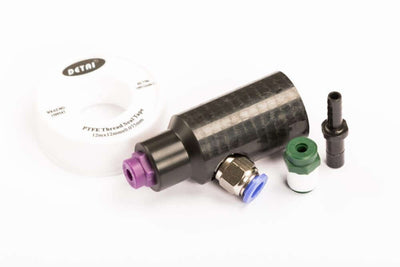
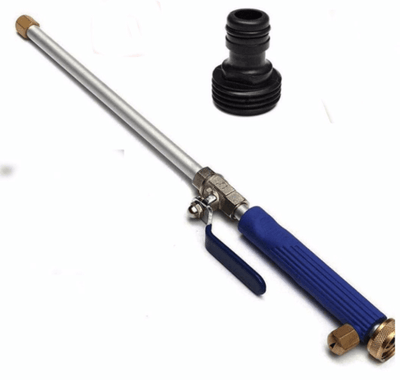
On some jobs, using pole-based application can reduce ladder use and speed up access to awkward areas. A water fed pole softwash nozzle can be useful where controlled application from ground level is suitable and safe.
This does not remove the need for a risk assessment. Contractors still need to consider wind direction, overspray, public access, chemical control, electrical hazards, working height limitations and surface suitability.
Prepare Chemicals and Documentation Properly
Chemicals can save time on site when used professionally, but they can also cause delays, damage and safety issues when handled poorly. Softwashing is not simply “spray and walk away”. It requires knowledge of surfaces, active ingredients, dwell times, rinsing requirements, neutralisation where appropriate, environmental protection and UK safety obligations.
Use the Right Product for the Task
Different exterior cleaning problems require different approaches. Algae on render, moss on roof tiles, oil on block paving and rust staining on stone are not the same problem. Using the wrong product often wastes time and increases the risk of damage.
Contractors can review professional soft wash chemicals to understand the range of treatments available for different exterior cleaning tasks. Always read the label, product guidance and safety data before use, and never mix chemicals unless the manufacturer’s guidance specifically allows it.
Keep Safety Documents Ready
Facilities managers and commercial clients increasingly expect contractors to provide risk assessments, method statements, COSHH assessments and safety data sheets before work begins. Having these ready can save days of back-and-forth emails.
For contractors who need a more structured approach, the Risk Assessment and Method Statement RAMS Pack for Exterior Cleaning can help support professional planning and documentation. Site-specific review is still essential, but starting from a proper framework is far quicker than writing every document from scratch.
A Step-by-Step Workflow for Faster Site Completion
The following workflow is widely applicable to softwashing, pressure washing and mixed exterior cleaning jobs. It should be adapted to the specific surface, site and cleaning method.
- Confirm access before arrival: Check parking, gates, water availability, site contact and working hours.
- Walk the site: Identify hazards, sensitive areas, drainage, public routes, neighbouring properties and weather risks.
- Set up exclusion zones: Use cones, signs or barrier tape where needed, especially on commercial or public-facing sites.
- Protect vulnerable areas: Consider plants, ponds, painted surfaces, metals, electrical fixtures, vents, vehicles and outdoor furniture.
- Prepare equipment in sequence: Lay hoses and tools in the order they will be used to avoid crossing work areas repeatedly.
- Mix or connect products correctly: Follow product guidance, required PPE and safe chemical handling procedures.
- Work in controlled sections: Apply, dwell, agitate or rinse according to the method. Avoid treating more area than you can manage safely.
- Monitor results: Check reaction, drying, runoff and surface behaviour rather than assuming the product is working uniformly.
- Carry out final checks: Inspect from different angles, check edges, clean overspray where needed and ensure the site is safe.
- Record notes: Keep job records, product details, photos and client feedback for future maintenance planning.
This kind of repeatable process helps new staff learn faster and helps experienced contractors avoid small errors that cause delays.
Train the Team So Everyone Works the Same Way
One of the strongest time-saving tools is training. A trained operative should understand not only what to do, but why they are doing it. That makes them faster, safer and more useful on site.
Training Reduces Rework
Common rework issues include missed edges, patchy chemical application, poor rinsing, streaking, untreated shadow areas and accidental contamination of sensitive surfaces. These are usually not caused by laziness. They are caused by unclear standards and inconsistent methods.
Professional training helps contractors standardise:
- Surface identification
- Chemical selection and dilution thinking
- Application technique
- Dwell time management
- PPE and site safety
- Customer communication
- Aftercare advice
For contractors who want structured learning, the SoftWash UK training course is designed to support professional softwashing knowledge, safer working practices and a more systematic approach to exterior cleaning work.
If you want to see how professional softwashing training is structured before committing to the full programme, you can try selected lessons from the SoftWash UK course for free. It is a useful way to preview the training and understand the standards, safety thinking and practical approach behind professional softwashing.
Plan Around Dwell Time Instead of Waiting Around
On softwashing jobs, dwell time is often misunderstood. Less experienced contractors may apply a product and then stand waiting. Professional contractors structure the job so dwell time becomes productive time.
Productive Tasks During Dwell Time
- Prepare the next section of the property
- Check plant protection and wet down where appropriate
- Reposition hoses safely
- Brush or agitate areas that need help
- Photograph progress for records
- Clean lower-level details while upper areas dwell
- Prepare rinsing equipment if rinsing is required
The skill is to avoid getting ahead of yourself. Treating too large an area can create problems if the product dries, weather changes, runoff becomes difficult to manage or public access needs to be controlled.
Communicate Clearly with Clients and Site Contacts
Good communication saves time. Poor communication causes delays, interruptions and disputes.
Before the Job
Send a clear message explaining what the client needs to do before arrival. This might include:
- Move vehicles from the work area
- Unlock gates
- Close windows and doors
- Keep pets indoors
- Move garden furniture, plant pots or fragile items
- Notify neighbours if overspray or access may affect them
- Confirm water access if required
During the Job
On commercial sites, agree a single point of contact. This prevents multiple people interrupting the team with conflicting instructions. For facilities managers, this is particularly important on schools, care homes, retail units and industrial sites where pedestrian movement and operational disruption must be managed.
After the Job
Provide clear aftercare advice. Explain what has been cleaned, what may continue to improve after treatment, what the client should avoid doing immediately afterwards, and when maintenance cleaning might be appropriate. This reduces callbacks and unrealistic expectations.
Use Checklists to Reduce Mental Load
Experienced contractors often carry a lot of knowledge in their heads. That works until the team grows, the diary gets busy or a job becomes complex. Checklists reduce reliance on memory and help maintain consistent standards.
Useful Checklists for Exterior Cleaning Contractors
- Pre-quote survey checklist
- Van loading checklist
- Chemical preparation checklist
- Site safety checklist
- Surface protection checklist
- End-of-job quality control checklist
- Client handover checklist
A checklist should be practical and short enough to use. If it becomes a paperwork exercise that no one follows, it will not save time.
Common Mistakes That Waste Time on Site
Turning Up Without Confirming Access
This is one of the most avoidable time losses. A locked side gate, blocked driveway or absent site contact can ruin the schedule. Always confirm access details before travel, especially for early starts and commercial work.
Using Too Much Pressure
High pressure can appear fast at first, but it may create damage, force water into joints or leave visible cleaning lines. Correct method selection often saves more time than simply increasing pressure.
Mixing Chemicals Without a Plan
On-site guesswork is not professional. It wastes time and increases risk. Contractors should understand the product, target surface, required PPE, dilution approach, dwell time and controls before starting.
Ignoring Weather Conditions
Wind, rain, heat and direct sunlight can affect chemical application, dwell time, drying, runoff and overspray risk. A professional contractor checks the forecast and adapts the method rather than forcing the job to fit the diary.
Not Carrying Spares
Small failures cause big delays. Spare nozzles, O-rings, hose fittings, trigger assemblies and PPE can prevent a wasted journey.
Myths About Saving Time on Site
Myth: Faster Means Cutting Corners
Professional efficiency is not about skipping safety or reducing quality. It is about removing waste from the process. Good planning, safe systems and the right equipment usually make a job both faster and better.
Myth: More Staff Always Means Faster Work
Extra staff can help, but only if everyone has a clear role. Two trained operatives with a good system can outperform three people working without structure.
Myth: The Most Powerful Machine Is Always the Best Choice
Power is useful in the right context, but exterior cleaning is often about control. Surface compatibility, flow, application accuracy, chemical knowledge and access planning usually matter more than raw power.
Myth: Documentation Slows the Job Down
Poorly managed paperwork can slow things down, but proper documentation often speeds up approvals and reduces uncertainty. RAMS, COSHH assessments and method statements are especially useful for commercial and facilities management work.
Safety and Best-Practice Notes
Saving time must never come at the expense of safety. Exterior cleaning contractors work around chemicals, water, height, slippery surfaces, electricity, public access and client property. A rushed decision can quickly become an incident.
- Carry out a site-specific risk assessment before starting work.
- Use PPE suitable for the task and product being used.
- Read product labels and safety data sheets.
- Control public access with signage and barriers where needed.
- Protect plants, ponds, pets and sensitive surfaces.
- Consider runoff, drainage and environmental impact.
- Do not mix chemicals unless approved by the manufacturer.
- Flush equipment correctly after chemical use.
- Stop work if weather conditions make the method unsafe.
Contractors looking to build wider technical knowledge can also use the SoftWash UK Knowledge Hub for further educational resources on softwashing methods, products, safety and best practice.
How Facilities Managers Can Help Contractors Work Faster
Facilities managers and property maintenance teams play a major role in site efficiency. A good contractor will plan well, but the client can also remove obstacles before work begins.
Useful Preparation for Commercial Sites
- Provide accurate site maps or marked work areas.
- Confirm water access, isolation points and drainage restrictions.
- Advise on busy pedestrian periods and delivery times.
- Notify tenants, staff or residents in advance.
- Move vehicles, bins, signage and temporary obstructions.
- Agree safe storage or staging areas for equipment.
- Provide induction requirements before the day of work.
When facilities managers and contractors communicate properly, exterior cleaning can be completed with less disruption and fewer delays.
FAQ: Saving Time on Exterior Cleaning Sites
What is the fastest way for exterior cleaning contractors to save time on site?
The fastest improvement usually comes from better preparation before arrival. Confirm access, choose the correct cleaning method, prepare equipment, carry spares, brief the team and make sure safety documentation is ready. These steps prevent the most common delays.
Does softwashing save time compared with pressure washing?
Softwashing can save time on surfaces affected by algae, mould, lichen and other organic growth because it treats the contamination rather than relying only on mechanical force. However, it must be used correctly, with suitable products, PPE, dwell time, surface checks and environmental controls.
How can contractors reduce time spent setting up and packing away?
Use a standard van layout, keep hoses and fittings organised, assign team roles and follow a repeatable set-up sequence. End-of-day cleaning and restocking also saves time the next morning.
What equipment helps contractors work more efficiently?
Efficient pumps, hose reels, suitable nozzles, water fed pole adaptations, proportioning systems and reliable PPE can all improve workflow. The best equipment depends on the surfaces cleaned, the chemicals used, access requirements and the scale of work.
How can contractors avoid rework?
Rework is reduced by proper surface assessment, correct product choice, even application, controlled dwell time, good rinsing where required and final inspection before leaving site. Training and checklists also help maintain consistent standards.
Is safety documentation really necessary for small exterior cleaning jobs?
Yes, although the level of documentation should be proportionate to the risk. Even small jobs involve hazards such as chemicals, slippery surfaces, water, access and public interaction. For commercial work, RAMS and COSHH documentation are often expected before work can begin.
Conclusion: Faster Sites Come from Better Systems
Professional contractors save time on site by working methodically, not by rushing. The most efficient exterior cleaning teams plan access, survey properly, choose the right method, organise their vans, use suitable equipment, control chemical application, communicate clearly and train operatives to follow consistent systems.
For contractors, this means better margins, smoother schedules and fewer callbacks. For facilities managers and property owners, it means less disruption and a more professional result. For serious DIY users, it is a reminder that preparation, safety and correct method selection matter just as much as the cleaning task itself.
SoftWash UK supports the exterior cleaning industry with professional softwashing chemicals, equipment, training and educational resources designed to help contractors work safely, efficiently and responsibly. If you want to improve your site systems, explore professional methods or build a more capable exterior cleaning setup, visit SoftWash UK for further guidance, products and training resources.