How Long Does Roof Cleaning Last? A Practical UK Guide
Roof cleaning can keep a roof looking noticeably cleaner for around two to five years, but this is a planning estimate, not a guaranteed lifespan. A shaded, tree-covered roof may show fresh growth within 12–24 months, while an open, well-drained roof can remain cleaner for longer. The cleaning method, roof material, local conditions and ongoing maintenance all affect the result.
The important distinction is between removing visible moss and treating the biological growth responsible for discolouration and recolonisation. A roof that looks clean on completion is not necessarily going to stay clean for the longest time.
For UK exterior cleaning contractors, facilities managers and property owners, the sensible approach is to assess the roof, choose a compatible cleaning method and agree a realistic inspection programme. This guide explains what affects roof cleaning longevity, how to extend results and how to avoid promises that site conditions cannot support.
How Long Should a Cleaned Roof Stay Clean?
There is no reliable universal timetable for every roof. Use the following as broad maintenance-planning guidance rather than product performance claims or warranty periods.
| Roof conditions and maintenance | Indicative planning expectation | What to watch for |
|---|---|---|
| Heavily shaded roof beneath or beside trees | New growth may become visible within 12–24 months | Damp patches, accumulated leaves and moss returning around tile overlaps |
| Typical roof, appropriately cleaned and treated where suitable | Often around two to five years before substantial further cleaning is considered | Gradual algae discolouration or isolated moss colonies |
| Open, well-drained roof with limited shade and regular upkeep | May remain acceptably clean for five years or longer | Localised growth around shaded details, valleys or roof furniture |
| Roof with persistent debris, drainage problems or incomplete cleaning | Earlier deterioration is possible, regardless of the initial appearance | Rapid return of damp conditions and biological growth |
These ranges describe possible visible outcomes, not how long a chemical remains active. They also depend on what the customer considers “clean”: faint algae staining and thick moss deposits are very different maintenance thresholds.
For a wider explanation across different exterior surfaces, the SoftWash UK Knowledge Centre guide to how long does softwashing last provides useful supporting context.
What Does “Roof Cleaning Lasts” Actually Mean?
Initial improvement, treatment response and regrowth are different stages
Roof cleaning can involve several separate outcomes:
- Physical removal: taking away moss, leaf litter and other deposits.
- Treatment response: reducing susceptible biological growth using an appropriate, legally permitted product.
- Weathering: gradual changes in appearance after treatment, where the method and product rely on natural weathering.
- Recolonisation: new algae, moss or lichen becoming established later.
Some methods produce a substantial immediate improvement. Others leave visible residues that change over subsequent weeks or months. Neither appearance alone proves long-term effectiveness.
A treatment may control existing growth without forming a permanent protective barrier. New spores and organic debris will continue to reach the roof.
A clean roof is not a new roof
Cleaning cannot reverse worn tile surfaces, failed coatings, frost damage or permanent colour variation. Nor does it repair defective mortar, flashing or underlay.
Before quoting, separate removable contamination from deterioration. Otherwise, a customer may interpret remaining weathering as failed cleaning or assume that colour changes mean moss has already returned.
What Affects How Long Roof Cleaning Lasts?
Shade and drying time
Persistent moisture is one of the strongest practical influences on regrowth. North-facing slopes, roofs beneath tree canopies and areas behind chimneys often dry more slowly than open, sunny slopes.
On the same property, the front roof may remain relatively clear while the shaded rear develops moss sooner. Photographing each elevation separately helps explain why one whole-roof guarantee can be misleading.
Trees, leaves and local surroundings
Nearby trees contribute leaves, twigs and other organic matter. Debris caught in valleys or behind roof features holds moisture and creates sheltered locations for growth.
Carefully managed tree maintenance can help, but check permissions, nesting birds and any tree protection restrictions before pruning. Roof cleaning does not justify indiscriminate removal of vegetation.
Roof material and surface condition
Concrete tiles, clay tiles, natural slate, fibre-cement products and coated roof systems do not respond identically to cleaning.
Older or rougher surfaces can retain deposits and moisture differently from smoother materials. However, age alone does not tell you which cleaning method is suitable. Manufacturer guidance, existing coatings and the actual condition of the roof must take priority.
Cleaning quality and treatment suitability
Thick moss can prevent an applied treatment from reaching underlying surfaces effectively. Where suitable, careful bulk removal before treatment can improve access to the remaining growth.
Coverage also matters. Missing shaded margins, awkward valleys or areas around rooflights can leave obvious patches of surviving contamination. Applying more chemical elsewhere does not compensate for missed areas.
Drainage and ongoing maintenance
Blocked gutters and debris-filled valleys encourage poor drainage and persistent dampness. Leaks and defective roof details need attention from a competent roofer, not another cleaning application.
For facilities managers, a modest inspection and debris-clearance programme is often more useful than waiting until heavy moss has returned across the whole roof.
Does Softwashing Last Longer Than Other Roof Cleaning Methods?
Softwashing uses suitable cleaning chemistry and controlled, low-pressure application to address contamination. On compatible roofs, it can form part of an effective maintenance approach, often after appropriate moss removal.
However, “softwashing” is not a guarantee of a particular result or lifespan. Product choice, preparation, application, weather and roof condition determine whether the process is suitable and effective.
| Approach | Main benefit | Longevity consideration |
|---|---|---|
| Careful manual moss removal | Removes bulky deposits and reduces material entering gutters | Remaining biological growth may need further attention; scraping alone does not prevent recolonisation |
| Compatible treatment after moss removal | Addresses susceptible remaining growth where the product is suitable | Results depend on label-compliant application and subsequent site conditions |
| Pressure washing where expressly suitable | Can remove deposits and staining rapidly | Immediate cleanliness does not guarantee slower regrowth; unsuitable use risks roof damage and water ingress |
| Inspection-led maintenance | Finds localised growth and debris before they become widespread | Can extend the interval between major interventions without unnecessary whole-roof cleaning |
Do not choose pressure simply because it delivers a dramatic before-and-after photograph. Some roof manufacturers advise against pressure washing, and water directed beneath laps can enter the roof structure. The Knowledge Centre comparison of softwashing vs pressure washing explains the underlying differences.
Choosing Chemicals Without Making Longevity Claims You Cannot Support
Different softwashing chemicals have different intended uses, application requirements and treatment profiles. They are not interchangeable simply because they are sold for exterior cleaning.
Some products are intended for relatively rapid cleaning; others are designed for treatment followed by gradual weathering. Select the process around the roof and the product label, rather than choosing a chemical first and trying to make every roof fit it.
When comparing professional softwash chemicals from SoftWash UK, check:
- Whether the product is intended and legally permitted for the proposed use.
- Compatibility with the roof covering, coatings, flashings and adjacent materials.
- Label requirements for dilution, application, weather conditions and any rinsing.
- Controls for people, pets, plants, ponds, watercourses and drainage.
- Any supported claims about treatment performance or residual activity.
Do not assume that a stronger mix provides a proportionately longer-lasting result. It can increase exposure, material damage and environmental risk without delivering a justified benefit.
How to Help Roof Cleaning Results Last: A Step-by-Step Approach
- Survey before selecting the method. Identify the roof covering, condition, previous treatments, access constraints, surrounding vegetation and drainage routes. Refer suspected defects to a roofer.
- Record a baseline. Photograph each slope and note shade, moss coverage, staining and pre-existing damage. Use these records for meaningful comparisons later.
- Remove debris using a suitable method. Where appropriate, carefully remove bulk moss and clear gutters and valleys. Avoid tools or techniques that damage tiles or disturb vulnerable details.
- Select a compatible treatment where justified. Follow the product label and safety data sheet. Establish how overspray, runoff and any collected waste will be controlled before starting.
- Apply consistently within suitable conditions. Respect specified weather windows and application requirements. Avoid drift and conditions that undermine treatment performance.
- Set expectations at handover. Explain which improvements are immediate, which depend on weathering and which marks are unlikely to disappear.
- Inspect after the first year. Review the roof from a safe location and compare photographs. A high-risk site may need an earlier check.
- Maintain according to findings. Remove accumulating debris and address localised problems where suitable. Do not automatically retreat the entire roof on a fixed calendar.
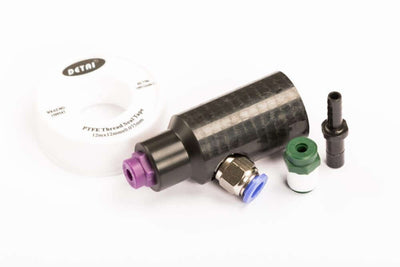
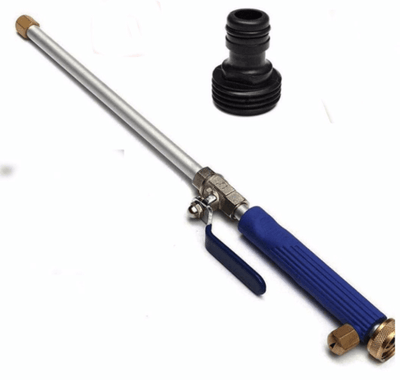
Suitable softwashing equipment helps contractors apply products consistently and control delivery. Select chemically compatible components and an application arrangement suited to the access plan. Longer-reach equipment does not, by itself, make a task safe.
Safety and UK Best Practice
The desire for a longer-lasting finish must never override roof safety or chemical controls.
- Plan work at height: avoid it where reasonably practicable and select suitable access and fall-prevention measures. Never assume a roof is safe to walk on.
- Assess hazardous materials: suspected asbestos-containing roof coverings require a specialist assessment before disturbance. Ordinary cleaning methods may be inappropriate.
- Complete a COSHH assessment: use current product information to identify exposure controls, PPE, first-aid arrangements and emergency procedures.
- Protect drainage and water supplies: identify surface-water drains, ponds, watercourses, rainwater harvesting and private supplies. Do not allow contaminated runoff to enter them; establish appropriate containment and lawful disposal arrangements.
- Keep incompatible chemicals separate: never mix hypochlorite with acids, ammonia or other incompatible products.
- Use biocides lawfully: check applicable UK requirements and follow the authorised label for the intended use.
A risk assessment and method statement resource for exterior cleaning can help structure planning, but templates must be adapted to the actual site. They do not replace competence, a COSHH assessment or an appropriate access assessment.
Serious DIY users should recognise that chemical application from ground level can still expose people, neighbouring property and the environment. Where safe access, material identification or runoff control is uncertain, use a competent professional.
Common Myths About Roof Cleaning Longevity
“A roof treatment guarantees five moss-free years”
Not without clearly defined, supportable terms. A warranty is a contractual promise, not proof that every roof will perform identically. Check what counts as regrowth, required maintenance, exclusions and the proposed remedy.
“Rain washes the treatment away, so apply extra”
Rainfall effects depend on the product and its application requirements. Follow the specified weather window rather than increasing concentration or applying an unplanned second treatment.
“Dead moss means the roof is completely clean”
Dead material may remain visible and can detach into gutters. Explain the expected weathering process and any follow-up clearance requirements.
“Every roof needs annual chemical treatment”
Annual inspection and annual treatment are not the same thing. Reapply only when justified by the roof condition, product instructions and environmental controls.
Setting Realistic Expectations When Quoting
A useful quotation separates the immediate cleaning result from future maintenance. Record the method, likely visual changes, exclusions and recommended inspection interval.
For example, an open south-facing slope and a shaded rear slope beneath mature trees should not automatically receive identical maintenance assumptions. Identify the higher-risk areas and explain that localised regrowth does not necessarily mean the whole roof needs cleaning again.
Facilities managers should retain before-and-after photographs, treatment records, relevant safety documentation and inspection findings. This makes future decisions evidence-led rather than dependent on memory or a fixed retreatment cycle.
For contractors developing this assessment-led approach, you can try selected lessons from the SoftWash UK course for free. The preview offers a low-commitment way to see the teaching style and professional approach before deciding whether full training is appropriate.
Frequently Asked Questions
Can roof cleaning last five years?
Yes, a roof can remain acceptably clean for five years or more under favourable conditions. However, shade, tree cover, drainage and roof condition can shorten that period substantially. Treat five years as a possible outcome, not a universal promise.
How soon can moss return after roof cleaning?
Fresh growth may become noticeable within 12–24 months on damp, shaded roofs, sometimes sooner where conditions are particularly favourable. Distinguish new growth from old material that has not yet weathered away.
How often should a roof be inspected after cleaning?
A yearly visual inspection is a sensible starting point, preferably from ground level or another safe position. Inspect sooner after storms, heavy leaf fall or signs of blocked drainage. Inspection does not automatically mean treatment is needed.
Does roof cleaning stop moss permanently?
No. Cleaning and suitable treatment can remove or control existing growth, but roofs remain exposed to spores, moisture and organic debris. No routine cleaning method makes a roof permanently moss-proof.
Does roof cleaning extend the life of roof tiles?
Removing debris and maintaining drainage can support roof upkeep, but cleaning cannot guarantee a longer tile lifespan. Unsuitable cleaning can cause damage. Roof condition, installation, weather exposure and timely repairs remain critical.
Should a roof be treated again if it still looks stained?
Not automatically. Staining may reflect gradual treatment response, mineral deposits, weathering or permanent surface changes. Assess the cause and the expected product response before considering further application.
Conclusion: Plan for Maintenance, Not Permanent Protection
Roof cleaning commonly supports a cleaner appearance for around two to five years, but the most useful prediction comes from inspecting the individual roof. Shade, moisture, surface condition, cleaning quality and maintenance matter more than a headline lifespan.
Choose a compatible method, control the risks, document the result and inspect before deciding to retreat. That approach gives property managers a clearer maintenance plan and helps contractors make promises they can support.
SoftWash UK supplies professional softwashing chemicals, equipment and education to support informed decisions. If you want to strengthen your surveying, application and safety knowledge, explore the SoftWash UK soft wash training course and build an assessment-led approach to longer-lasting roof cleaning results.