How to Remove Algae From Driveways
To remove algae from a driveway, clear loose debris, identify the paving material, and use a surface-compatible cleaning method. This may involve an approved algae treatment, controlled pressure washing, or a combination of both. Follow the product label, manage contaminated run-off and address the damp conditions that encourage algae to return.
The important point is that removing the green appearance is only part of the job. A successful driveway clean must also protect the surface, joints, surrounding plants and drainage system.
For UK exterior cleaning contractors, property maintenance teams and serious DIY users, the best approach starts with a site assessment—not automatically with the strongest chemical or highest pressure setting.
Why Does Algae Grow on Driveways?
Algae develop where moisture, light and suitable surface conditions allow them to grow. In the UK, shaded paving can remain damp well after exposed areas have dried, particularly through autumn and winter.
Common contributing factors include:
- Shade from trees, hedges, buildings and parked vehicles.
- Poor drainage, sunken paving or standing water.
- Leaking gutters and downpipes discharging onto the driveway.
- Leaves, soil and other debris retaining moisture.
- Textured surfaces that trap dirt and organic material.
A familiar example is a driveway that stays green along a north-facing boundary hedge while the centre remains relatively clean. Treating both areas identically may improve their appearance, but the shaded edge will usually need closer maintenance attention.
Algae can also make paving slippery, especially when wet. At managed properties, treat this as a pedestrian safety issue rather than simply an appearance problem.
Check That the Contamination Is Actually Algae
Green, slippery surface growth is commonly algae, but driveway contamination is often mixed. Moss forms thicker cushions, while lichen can appear as firmly attached spots or crusts. Dark staining may involve biological growth, traffic deposits or other contamination.
Oil, rust and mineral staining need separate diagnosis. An algae treatment will not reliably remove an oil spill, and repeatedly increasing chemical strength is not a substitute for identifying the stain.
What Is the Best Way to Remove Driveway Algae?
The best method depends on the driveway material, its condition, the amount of soiling and the required finish. Softwashing can treat biological growth with low-pressure application, while pressure washing can physically remove accumulated dirt and surface contamination.
For an introduction to the process, see SoftWash UK’s guide to softwashing. Low pressure reduces mechanical force, but it does not make every chemical suitable for every driveway.
| Method | Where it can help | Main limitations |
|---|---|---|
| Brushing and controlled washing | Light growth, small areas and routine debris removal | May not adequately treat established biological growth; aggressive brushing can damage softer materials |
| Surface-compatible algae treatment | Biological growth where an approved product and controlled application are appropriate | Results and rinsing requirements vary; chemical exposure and run-off need managing |
| Controlled pressure washing | Sound, suitable paving with ingrained dirt and removable surface contamination | Can disturb joints, expose aggregate or damage coatings if poorly controlled |
| Combined cleaning and treatment | Heavily soiled paving where both physical cleaning and biological treatment are justified | Requires a planned sequence, compatible products and effective waste-water management |
Our explanation of softwashing vs pressure washing explores why these methods are often complementary rather than interchangeable.
Choose the Method for the Driveway Material
Concrete Block Paving
Block paving often responds well to controlled cleaning, but joint condition matters. Pressure washing can remove jointing sand, particularly where joints are already depleted or the nozzle is held too close.
Inspect for loose blocks, settlement and weak edges before starting. Where cleaning removes sand from conventional sand-filled joints, allow the paving to dry and reinstate the appropriate jointing material in accordance with the paving system’s requirements.
Do not assume every joint should receive kiln-dried sand. Permeable paving and specialist jointing systems require their specified materials and maintenance procedures.
Concrete and Pattern-Imprinted Concrete
Assess the concrete’s condition and whether a sealer or coating is present. Excessive pressure can etch the surface, expose aggregate or leave visible cleaning bands.
Pattern-imprinted concrete requires particular care because the colour and protective finish affect its appearance. Test discreetly and follow the coating manufacturer’s maintenance guidance.
Tarmac and Asphalt
Avoid treating tarmac as though it were robust concrete. High pressure, close-range jets and unsuitable chemicals can damage the binder or loosen aggregate, especially on aged surfaces.
Use a method and product specifically compatible with the surface. If the driveway is crumbling, oxidised or poorly bonded, explain that cleaning cannot repair the underlying deterioration.
Resin-Bound Driveways
Follow the installer’s or manufacturer’s cleaning instructions. Resin systems vary, and both chemical exposure and mechanical force require consideration.
Check for loose aggregate, cracking, previous repairs and drainage problems. Do not assume that a permeable surface makes chemical run-off harmless: liquid passing through the driveway still needs environmental assessment.
Natural Stone
Identify the stone where possible and inspect its joints. Sandstone, limestone and granite do not all respond identically to cleaning.
Do not use acid as a general algae-removal shortcut. Acidic products can attack calcareous materials such as limestone and damage cement-based joints. A successful test patch is essential before wider treatment.
How to Remove Algae From a Driveway: Step by Step
1. Inspect and Record the Starting Condition
Walk the driveway before unloading equipment. Record the material, growth, existing damage, drainage routes and sensitive surroundings.
- Photograph cracks, loose joints, failed sealers and previous repairs.
- Identify gullies, channels, surface-water drains and soakaways.
- Check where water will travel towards neighbouring land or the highway.
- Locate planting, ponds, metalwork, painted surfaces and electrical equipment.
- Plan pedestrian access, vehicle movements and hose routes.
For contractors, confirm whether the quotation includes joint reinstatement, separate stain removal and any follow-up visit. These details prevent disputes when the driveway dries and its underlying condition becomes clearer.
2. Prepare the Site and Remove Loose Debris
Move vehicles, planters and portable items. Sweep away leaves, soil and loose material, collecting waste rather than washing it into drains.
Remove substantial moss deposits carefully where appropriate. This reduces the material that subsequent cleaning must handle and makes defects easier to see.
Establish an exclusion area. At occupied premises, agree an alternative entrance before making the main route wet or temporarily inaccessible.
3. Select the Treatment and Test a Small Area
Choose a product whose current label permits the intended application and whose technical guidance confirms suitability for the substrate. Read both the label and safety data sheet before use.
Test an inconspicuous area using the proposed method. Check the appearance after drying, not just while the paving is wet. Look for colour changes, coating damage, uneven cleaning and joint disturbance.
SoftWash UK’s professional softwash chemicals provide options to assess against the job specification. Product selection should follow the surface, target growth and permitted use—not simply the strongest concentration available.
4. Apply According to the Product Instructions
Follow the specified dilution, application rate, contact time and weather restrictions. There is no single safe mixing ratio for every driveway algae treatment.
Apply evenly with suitable, maintained equipment, controlling spray drift and avoiding unnecessary saturation. Work in manageable sections so that treatment conditions remain consistent.
Do not assume every product must be rinsed, or that every treatment should be left on. Some products require removal after a defined contact period; others are intended to work gradually. Follow the particular label.
5. Remove Soiling Where the Method Requires It
If pressure washing is appropriate, start conservatively. Select suitable pressure, flow, nozzle and working distance for the material.
A correctly operated surface cleaner can improve consistency on suitable paving, but it can still cause damage. Keep it moving and check the first cleaned section before continuing across the driveway.
Avoid using a narrow, aggressive jet to chase every remaining mark. Stubborn marks may need a different treatment, or may be permanent discolouration rather than removable growth.
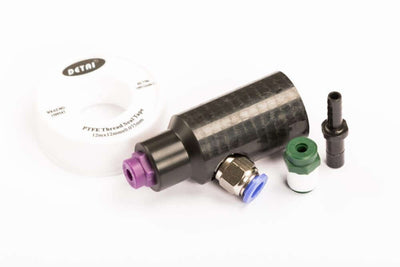
When selecting softwashing equipment, prioritise chemical compatibility, controlled delivery and reliable shut-off. Accurate application is more useful than simply achieving greater output.
6. Contain and Manage Run-off
Plan waste-water management before cleaning begins. Depending on the site, this may require containment, recovery equipment and an agreed disposal route.
Do not allow chemical solution or contaminated wash water to enter surface-water drains, watercourses or neighbouring land. Discharge to a foul sewer is not automatically permitted; check the sewerage undertaker’s requirements and obtain any necessary consent.
Where recovery and off-site disposal are required, use suitable arrangements and comply with applicable waste duties. If you cannot establish a lawful disposal route, change or postpone the method.
7. Inspect, Reinstate and Hand Over
Inspect the driveway once the treatment has completed its intended action and, where practical, after drying. Check for missed areas, remaining slip hazards, disturbed joints and accidental splashes.
Reinstate jointing material where required and explain any delayed treatment results. Tell the customer when people, pets and vehicles can return, following the product instructions rather than a standard assumption.
For facilities managers, record the work completed, products used, defects identified and recommended inspection date.
Chemical Safety and UK Best Practice
Professional chemical use requires a suitable COSHH assessment alongside a site-specific risk assessment. A safety data sheet supports that assessment; it does not replace it.
- Use biocidal products that can lawfully be supplied and used for the intended purpose under the applicable UK regime.
- Check user restrictions: a professional-use product is not automatically suitable for DIY use.
- Select gloves, eye protection, clothing and any respiratory protection according to the assessment and product information.
- Keep chemicals labelled, secured and stored according to their instructions.
- Never mix sodium hypochlorite with acids, ammonia or incompatible chemicals.
- Do not add fragrances, detergents or other additives unless compatibility and use are expressly supported.
Sodium hypochlorite-based cleaners and other biocidal treatments have different properties, hazards and application requirements. Our guide to softwashing chemicals explains the broader categories without replacing product-specific instructions.
Contractors can use the exterior cleaning RAMS pack to help structure their documentation. It must still be adapted to the actual site, equipment, substances and working method.
Common Driveway Algae Removal Mistakes
“More Pressure Always Means a Better Clean”
More pressure can mean more damage. Etching, joint loss and exposed aggregate can be more expensive to put right than the original cleaning job.
“Household Bleach Is the Same as a Professional Treatment”
Household products vary in strength and formulation and may not be labelled for driveway algae control. Do not improvise a treatment from an unverified online recipe.
“A Green-Free Driveway Will Stay Clean Permanently”
Cleaning does not remove shade, repair leaking gutters or correct poor drainage. Avoid promising a fixed algae-free period regardless of site conditions.
“A Stronger Mix Will Remove Every Remaining Mark”
Residual marks may be oil, rust, lichen, wear or failed coating. Diagnose them before repeating treatment. Stronger application can increase risk without improving the result.
How to Reduce Algae Regrowth
The most useful maintenance measures reduce moisture retention and organic build-up:
- Sweep away leaves and soil regularly.
- Repair leaking gutters and downpipes.
- Correct standing-water problems where practicable.
- Trim overhanging vegetation where appropriate.
- Inspect shaded pedestrian routes more frequently during damp weather.
- Arrange maintenance treatment only where justified and permitted by the product instructions.
For larger properties, divide the driveway into maintenance zones. A shaded entrance beside planting may need attention sooner than an open parking area.
There is no universal retreatment interval. SoftWash UK’s guide to how long does softwashing last explains why exposure, substrate and environmental conditions affect results.
Develop Your Driveway Cleaning Knowledge
Professional results depend on diagnosis, controlled application and knowing when not to proceed. Training is particularly valuable when moving from straightforward washing into chemical treatment, mixed substrates and commercial sites.
If you want to explore the training before committing to a full programme, you can try selected lessons from the SoftWash UK course for free. The preview offers a useful introduction to the teaching style and professional approach behind the full course.
Frequently Asked Questions
Can You Remove Driveway Algae Without a Pressure Washer?
Yes. Light contamination may respond to brushing and a suitable algae treatment, provided the product is appropriate for the surface and intended use. Heavy dirt or thick deposits may still need physical removal. Follow the treatment’s rinsing instructions.
What Is the Best Chemical for Green Algae on a Driveway?
There is no single best chemical for every driveway. Choose a product labelled for the intended use and compatible with the paving, coatings and surrounding materials. Consider application controls and disposal requirements as well as cleaning performance.
How Long Does Driveway Algae Treatment Take to Work?
It depends on the formulation, growth and weather. Some processes produce a visible improvement during cleaning; others work progressively. Use the manufacturer’s stated expectations rather than promising immediate results from every treatment.
Is Driveway Algae Dangerous?
The main practical concern is slipperiness, particularly on wet slopes, steps and frequently used access routes. Restrict access where necessary until the surface is suitably safe and any treatment-related re-entry requirements have been met.
Will Cleaning Damage My Block Paving?
It can if the pressure, chemicals or technique are unsuitable. Inspect the blocks and joints, test first and use a controlled method. Reinstate disturbed jointing material according to the paving specification.
Should I Seal the Driveway After Removing Algae?
Not automatically. Sealing is a separate decision based on the material, existing finish, moisture conditions and sealer compatibility. It does not correct drainage problems or guarantee that algae will never return.
Remove the Algae Without Creating Another Problem
Effective driveway algae removal combines accurate identification, a suitable cleaning method and careful site control. Protect the substrate, manage run-off, follow chemical instructions and address the conditions that encourage regrowth.
SoftWash UK supplies professional softwashing chemicals, equipment and training—not driveway cleaning services. Visit SoftWash UK to explore practical educational resources and suitable products for building a safer, more consistent driveway cleaning process.