How Long Does Roof Cleaning Last?
Professional roof cleaning in the UK typically lasts between 2 and 5 years, depending on the cleaning method used, the roof material, surrounding trees, local weather, and whether a biocidal treatment is applied after moss removal. A roof that is scraped only may begin showing regrowth within 6 to 18 months. A roof that is properly cleaned and treated with a suitable biocide will usually stay visibly cleaner for around 2 to 4 years, with good maintenance potentially extending results beyond 5 years.
For exterior cleaning contractors, facilities managers and property maintenance teams, the important point is this: roof cleaning is not a permanent cure. Moss, algae and lichen spores are always present in the environment. The aim of professional roof cleaning is to remove the existing contamination safely, treat the surface to slow regrowth, and then manage the roof with periodic maintenance rather than waiting for heavy moss loading to return.
The lifespan of a roof clean is also heavily influenced by workmanship. A careful roof survey, correct moss removal, appropriate chemical treatment, safe access, gutter clearance and aftercare advice all affect how long the result lasts. Poor methods can give a short-term visual improvement but leave the roof vulnerable to early regrowth or even roof tile damage.
Quick Answer: How Long Should a Roof Stay Clean?
| Roof cleaning method | Typical result duration | Best suited to | Key limitation |
|---|---|---|---|
| Manual moss scraping only | 6 to 18 months | Removing heavy moss before treatment | Does not kill spores or deep biological growth |
| Manual moss removal plus biocide | 2 to 4 years | Most UK tiled roofs | Requires correct application and suitable weather conditions |
| Softwashing with suitable chemistry | 2 to 5 years | Roofs affected by algae, biofilm, organic staining and light moss | Must be carried out safely with proper dilution, control and runoff management |
| Pressure washing only | Often 6 months to 2 years | Occasional suitable hard surfaces, not all roof types | Can be aggressive and may shorten tile life if used incorrectly |
| Maintenance treatment every 12 to 24 months | Can keep roof cleaner for 5 years or more | Commercial buildings, managed estates and high-value properties | Requires planned maintenance rather than one-off cleaning |
These figures are realistic working ranges, not guarantees. Two identical roofs cleaned on the same day can weather differently if one faces north under trees and the other faces south in an open, sunny location.
Why Roof Cleaning Results Vary So Much
When clients ask how long roof cleaning lasts, they often expect a single answer. In practice, the roof is part of a living outdoor environment. Moisture, shade, airborne spores, tile texture and drainage patterns all affect regrowth.
1. Moss, Algae and Lichen Are Environmental Problems
Moss, algae and lichen are not simply “dirt”. They are biological growths that colonise damp surfaces. Moss holds water, lichen bonds tightly to mineral surfaces, and algae often forms dark staining or green biofilm. If the conditions remain favourable, growth will return over time.
Roofs near trees, ponds, woodland, farmland or shaded courtyards commonly show faster regrowth. North-facing roof slopes also tend to stay damp for longer, especially through autumn and winter. For a deeper explanation of the environmental conditions behind moss on roof tiles, SoftWash UK’s Knowledge Centre covers the subject in more detail.
2. Roof Pitch and Aspect Matter
A steep, south-facing roof usually dries faster and receives more sunlight, which helps slow moss and algae growth. A shallow, north-facing roof holds moisture longer and is more likely to develop repeat contamination.
In facilities management, this is why different elevations of the same building often need different maintenance cycles. A retail unit may have a relatively clean front elevation and a heavily contaminated rear elevation because of shade, prevailing wind, tree cover and drainage discharge.
3. Tile Type and Surface Porosity Affect Regrowth
Concrete roof tiles, clay tiles, slate and man-made tiles all behave differently. Older concrete tiles can become porous as the surface weathers, giving moss and lichen more texture to grip. Clay tiles may have delicate surface finishes. Natural slate can be smoother but may be fragile depending on age and fixing condition.
The more textured and absorbent the surface, the easier it is for spores and moisture to settle. This does not mean the roof cannot be cleaned effectively, but it does affect the expected lifespan of the result.
4. The Cleaning Method Makes a Major Difference
A roof that is only scraped may look much better immediately, but scraping alone does not provide long-term biological control. It removes the bulk moss, but spores, roots, biofilm and lichen structures can remain.
In professional practice, the longest-lasting results usually come from combining sensible mechanical removal with an appropriate post-treatment. If you are unsure about the correct process, SoftWash UK’s professional roof cleaning guidance explains the main methods and considerations.
How Long Do Different Roof Cleaning Methods Last?
Manual Moss Removal Only
Manual moss removal, often using roof scrapers or specialist tools matched to tile profiles, is a common first stage. It is especially useful where moss is thick enough to block gutters, weigh down valleys or fall onto patios and paths.
However, manual removal alone is rarely a long-term solution. It can leave behind spores and fine organic material. In shaded areas, green staining and light moss can return within a year. On exposed sunny roofs, the result may last longer, but contractors should not oversell scraping as a complete treatment.
Manual Removal Plus Biocidal Treatment
This is often the most practical approach for UK roof cleaning. The heavy moss is removed first, gutters are cleared, and a biocidal wash is then applied to treat remaining spores, algae and lichen.
When applied correctly, this method commonly gives 2 to 4 years of visibly cleaner results. Lichen may not disappear immediately; it often bleaches, dries and gradually releases over weathering cycles. Clients should be told what to expect so they do not assume the treatment has failed after one week.
Where roof moss is present in volume, the question is not just what to apply, but whether to remove moss before treatment. SoftWash UK has a useful Knowledge Centre article on roof moss removal that explains why preparation affects treatment performance.
Softwashing Roofs
Softwashing uses low-pressure application of cleaning and biocidal solutions to treat organic contamination. It is not simply “spraying chemicals”; it requires correct assessment, dilution, dwell time, runoff control, plant and property protection, and safe working procedures.
For contractors, softwashing can be an efficient and professional method when used responsibly. It is particularly useful for algae, biofilm and organic staining. On roofs with heavy moss, mechanical removal is often still required before treatment.
SoftWash UK supplies professional soft wash chemicals for contractors who understand safe application and compliance. Product choice should always be based on the roof material, target contamination, site risks and manufacturer instructions.
Pressure Washing Roofs
Pressure washing can produce an immediate visual improvement, but it is not automatically the best roof cleaning method. Used incorrectly, it can disturb tiles, force water beneath laps, damage surface coatings, expose aggregate, or create unnecessary mess and runoff.
Some contractors use controlled pressure washing on suitable roofs, but it should never be treated as a one-size-fits-all answer. In many cases, lower-pressure methods and biocidal treatment provide a safer and longer-lasting result.
What Factors Shorten the Life of a Roof Clean?
The following factors commonly reduce how long a roof stays clean:
- Overhanging trees dropping leaves, seeds and organic debris
- North-facing or shaded roof slopes
- Poor ventilation around the property
- Blocked gutters, valleys or downpipes causing damp areas
- Porous, weathered or heavily textured tiles
- Nearby woodland, rivers, fields or high-spore environments
- Insufficient moss removal before treatment
- Weak, incorrect or poorly applied chemical treatment
- Heavy rainfall too soon after application, depending on product requirements
- No maintenance treatment after the initial roof clean
For commercial properties, schools, care homes and managed residential blocks, these factors should be included in the roof cleaning survey and maintenance planning. A realistic maintenance cycle is more useful than promising a fixed lifespan that ignores site conditions.
How to Make Roof Cleaning Last Longer
A roof clean lasts longer when it is treated as a system rather than a single task. The following process reflects good practice used by experienced exterior cleaning professionals.
Step 1: Carry Out a Roof Survey
Before quoting or starting work, inspect the roof from safe vantage points. Look for broken tiles, slipped tiles, fragile areas, failed mortar, blocked valleys, damaged leadwork, skylights, solar panels, asbestos risk on older buildings, and access limitations.
Contractors should also assess where runoff will go, whether nearby plants or ponds need protection, and how the public or occupants will be kept safe during the work.
Step 2: Identify the Contamination
Moss, algae and lichen behave differently. Moss usually needs physical removal when heavy. Algae and biofilm may respond well to softwashing. Lichen can be stubborn and often needs weathering time after treatment.
Understanding the growth helps set client expectations. For example, black or white lichen spots may not vanish instantly, but a correct treatment can kill the organism and allow gradual release. SoftWash UK’s guide to lichen on roof tiles is useful for explaining this to customers and maintenance teams.
Step 3: Remove Heavy Moss Where Required
If a roof has thick moss cushions, remove the bulk before applying treatment. Spraying over heavy moss can waste chemical and reduce contact with the tile surface. It may also leave dead moss sitting on the roof, which can later wash into gutters.
Use tools appropriate to the tile profile and avoid aggressive scraping that damages the surface. On fragile roofs, access method and work positioning are just as important as the cleaning tool itself.
Step 4: Clear Gutters, Valleys and Downpipes
Blocked gutters shorten the lifespan of a roof clean because they keep roof edges damp and allow organic matter to accumulate. After moss removal, gutter clearance is essential. Check downpipes as well, as moss can compact inside bends and outlets.
On commercial sites, record this as part of the job completion documentation. Facilities managers value evidence that drainage has been checked, not just that the roof “looks clean”.
Step 5: Apply a Suitable Treatment
Choose a treatment that is suitable for the target organism, roof material, access method and site risk. Always follow product label instructions and safety data sheets. Correct dilution, even coverage and appropriate dwell time matter.
For ongoing roof moss control, a product such as Clean Guard Pro roof moss killer and cleaner may be appropriate where the site and surface are suitable. For broader professional softwashing applications, contractors may also consider biocidal products such as Soft Wash Pro 50 DDAC, depending on the specification and required outcome.
Step 6: Protect Surrounding Areas
Before applying any chemical, protect plants, lawns, ponds, painted surfaces, metals and sensitive materials as required. Control overspray and runoff. Rinse or pre-wet vulnerable areas where appropriate. Do not apply chemicals in unsuitable wind conditions.
Responsible chemical handling is a mark of a professional contractor. It also reduces complaints, property damage and environmental risk.
Step 7: Recommend a Maintenance Cycle
The best long-term results usually come from light maintenance treatments rather than allowing heavy moss to return. For many UK roofs, a maintenance inspection every 12 to 24 months is sensible. High-risk sites may need more frequent checks.
For facilities managers, this can be incorporated into planned preventative maintenance alongside gutter clearing, roof inspections and external fabric maintenance.
Suggested Maintenance Intervals by Roof Condition
| Roof environment | Typical inspection interval | Likely treatment interval | Notes |
|---|---|---|---|
| Open, sunny, low tree cover | Every 18 to 24 months | Every 3 to 5 years | Usually slower regrowth if drainage is good |
| Average suburban property | Every 12 to 18 months | Every 2 to 4 years | Most domestic roofs fall into this range |
| Shaded or north-facing roof | Every 12 months | Every 18 months to 3 years | Moisture retention accelerates biological growth |
| Heavily wooded or high-spore site | Every 6 to 12 months | Every 12 to 24 months | Often needs a planned maintenance approach |
| Commercial or managed property | Every 6 to 12 months | Based on site risk and appearance standard | Documentation, access planning and compliance are important |
Common Myths About How Long Roof Cleaning Lasts
Myth 1: Roof Cleaning Is Permanent
No exterior clean is permanent. Roofs are exposed to spores, rain, shade, pollution and organic debris every day. A professional clean can significantly slow regrowth, but it cannot stop nature indefinitely.
Myth 2: If Moss Comes Back, the Job Failed
Not necessarily. Light regrowth after several years is normal, especially in shaded areas. A failed job is more likely when heavy moss returns within months because treatment was missed, preparation was poor, or the site conditions were not explained properly.
Myth 3: Stronger Chemical Always Means Longer Results
This is a dangerous assumption. Stronger is not automatically better. Over-application can increase risk to surfaces, plants, metals, drainage systems and operatives. Professional results come from correct product selection, dilution, coverage and safety controls, not simply increasing strength.
Myth 4: Pressure Washing Makes a Roof Cleaner for Longer
Pressure washing may remove visible contamination quickly, but it does not automatically provide longer biological control. Without treatment, spores can recolonise. On some tiles, aggressive pressure can also damage the surface, making future growth easier to establish.
Safety and Best Practice for Roof Cleaning
Roof cleaning carries significant risks. Falls from height remain one of the most serious hazards in exterior cleaning. Chemical handling, public protection, fragile surfaces, electrical hazards, weather and runoff control must also be managed.
At a minimum, professional contractors should consider:
- A site-specific risk assessment and method statement
- Safe access equipment, such as scaffold, towers, MEWPs or suitable temporary edge protection where required
- Working at height regulations and competent operatives
- Manual handling risks when moving hoses, poles and equipment
- Chemical PPE, including eye, skin and respiratory protection where specified
- Protection of occupants, pedestrians, pets and neighbouring properties
- Weather conditions, especially wind, rain, ice and extreme heat
- Safe storage, transport and disposal of chemicals
- Clear communication with the client before, during and after the job
For contractors building professional systems, SoftWash UK’s Risk Assessment and Method Statement pack for exterior cleaning can help standardise documentation and improve site planning. Training is equally important; the Soft Wash Training Course is designed to help contractors understand chemicals, surfaces, application methods and safe working practices.
What Should Contractors Tell Customers?
Clear expectations reduce complaints and improve customer confidence. Rather than saying “this will last five years”, it is better to explain the likely range and the reasons behind it.
A professional explanation might be:
“Based on the shade, tree cover and tile condition, I would expect the roof to stay significantly cleaner for around two to three years after moss removal and treatment. We recommend a light inspection after 12 to 18 months and a maintenance treatment before heavy moss returns.”
This approach is honest, practical and easier to defend. It also helps customers understand the value of maintenance rather than viewing roof cleaning as a one-off miracle cure.
Choosing the Right Equipment for Longer-Lasting Results
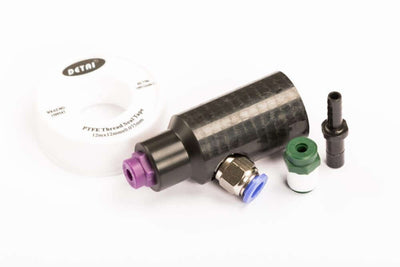
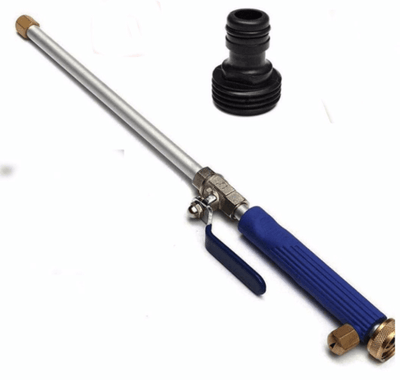
Equipment affects both safety and finish. Long-reach application systems, controlled-flow setups, appropriate nozzles, dedicated chemical-resistant hoses and accurate dosing equipment all help improve consistency.
SoftWash UK supplies professional soft washing equipment for contractors who need controlled application rather than improvised setups. The right equipment can reduce overspray, improve coverage and make roof treatments more repeatable across different site types.
For serious DIY users, equipment choice should be approached carefully. Roof work is hazardous, and many domestic accidents happen when people underestimate access risks. If safe access cannot be achieved, the work should be passed to a competent professional.
How Weather Affects Roof Cleaning Longevity
UK weather plays a major role in both application and long-term performance. Heavy rain can dilute or wash away some treatments before they have had enough contact time. Strong wind increases overspray risk. Frost and ice create access hazards and can affect surface behaviour.
The ideal treatment window is usually a calm, dry period with moderate temperatures, but always follow the specific product instructions. Contractors should avoid rushing applications in marginal conditions simply to keep to a schedule.
Long term, wet winters and mild temperatures often encourage faster biological regrowth. This is why roofs in some parts of the UK, particularly damp coastal, rural or wooded areas, may need more frequent maintenance than roofs in open, drier locations.
FAQ: How Long Does Roof Cleaning Last?
How often should a roof be cleaned in the UK?
Most UK roofs need full cleaning every 3 to 5 years if they have been properly treated and maintained. In shaded, wooded or damp locations, inspection every 12 months and treatment every 1 to 3 years may be more realistic. Roofs should not be cleaned aggressively or unnecessarily; maintenance treatments can often prevent the need for frequent heavy cleaning.
Does roof moss come back after cleaning?
Yes, moss can come back because spores are naturally present in the environment. Proper moss removal and biocidal treatment slow regrowth significantly, but they do not make the roof permanently moss-proof. Tree cover, shade, moisture and tile texture all influence how quickly moss returns.
Is roof cleaning worth it if it does not last forever?
Yes, when carried out safely and correctly. Roof cleaning can improve appearance, reduce moss falling into gutters, help drainage, lower slip hazards around the property, and support planned maintenance. The best value usually comes from cleaning followed by periodic maintenance rather than waiting until the roof is heavily covered again.
How long does biocide last on a roof?
A correctly applied roof biocide often helps control regrowth for 2 to 4 years, depending on site conditions and product choice. It may continue working gradually after application, especially on lichen and algae, where visible improvement can develop over weeks or months.
Can I pressure wash my roof to make it last longer?
Pressure washing does not automatically make a roof clean last longer. On some roofs it can damage tiles, disturb overlaps or remove protective surface layers. If pressure washing is considered, it should only be used after a proper roof assessment and with suitable controls. Lower-pressure cleaning and treatment are often safer and more sustainable.
Should facilities managers schedule roof cleaning or just react when moss appears?
Planned maintenance is usually better. Waiting until moss is heavy can increase gutter blockages, access difficulty, cleaning time and disruption. A scheduled inspection and maintenance treatment programme helps control costs and keeps the building exterior in better condition.
Conclusion: Roof Cleaning Lasts Longer When It Is Done Properly
So, how long does roof cleaning last? As a practical rule, scraping alone may last 6 to 18 months, while professional moss removal followed by suitable treatment commonly lasts 2 to 4 years. With favourable conditions and planned maintenance, results can extend beyond 5 years. In damp, shaded or wooded locations, regrowth will usually appear sooner.
The longest-lasting roof cleaning results come from good assessment, safe access, careful moss removal, correct chemical treatment, gutter clearance, responsible runoff control and honest aftercare advice. For contractors and property professionals, this is also where reputation is built: not by promising permanent results, but by giving clients a realistic maintenance plan that works.
SoftWash UK supports exterior cleaning professionals with specialist chemicals, equipment, training and educational resources for safe and responsible softwashing. To improve your roof cleaning knowledge, explore the SoftWash UK Knowledge Centre, professional roof treatment products and training resources at SoftWash UK.