Understanding Chemical Delivery Systems for Softwashing and Exterior Cleaning
A chemical delivery system is the method used to move, dilute and apply cleaning solution from a container or supply line onto an exterior surface. In softwashing, this usually means controlled application of products such as sodium hypochlorite-based softwash solutions, biocides, surfactants, degreasers or specialist stain removers using pumps, injectors, proportioners, hose reels, water-fed poles or spray equipment.
For UK exterior cleaning contractors, facilities managers and serious DIY users, understanding chemical delivery systems is not just about convenience. It affects cleaning results, chemical usage, safety, compliance, surface protection, operating speed and profitability. The right system helps you apply the correct solution strength evenly, reduce waste, minimise overspray and work safely around people, plants, drainage, buildings and sensitive materials.
In practical terms, a contractor cleaning a rendered commercial unit, a facilities team treating algae on pedestrian paving, and a homeowner maintaining a patio may all use different delivery systems. The principle is the same: match the chemical, dilution rate, flow rate, pressure and application method to the surface and the task.
What Is a Chemical Delivery System?
A chemical delivery system is the complete setup used to store, mix, meter, transport and apply cleaning chemicals. In exterior cleaning, it may include:
- Chemical containers, drums or tanks
- Water supply or onboard water tank
- Dosing or proportioning equipment
- Pumps, injectors or venturi systems
- Hoses, reels, lances, trigger guns and nozzles
- Water-fed poles or softwash application poles
- Personal protective equipment and safety controls
- Rinsing, neutralising and containment procedures where required
A good system does three things well: it delivers the correct chemical strength, it applies the solution consistently, and it allows the operator to work safely and efficiently. A poor system can under-dose, over-apply, cause patchy cleaning, damage surfaces or increase chemical exposure risk.
Why Chemical Delivery Matters in Softwashing
Softwashing depends on controlled chemistry rather than high pressure. The cleaning solution breaks down organic growth, biofilm, staining or contamination so that the surface can be cleaned with low pressure rinsing or left to weather clean where appropriate.
This means chemical delivery is central to the process. If the mix is too weak, growth may remain active and the job may fail prematurely. If it is too strong, you may waste chemical, increase odour, damage sensitive materials or create unnecessary environmental risk.
On real jobs, the difference is noticeable. A well-calibrated delivery system will wet out a north-facing rendered wall evenly, keep the solution active for the correct dwell time and avoid excessive run-off. A poor setup may leave dry patches, tiger-striping, over-spray onto windows and unnecessary chemical pooling at the base of the wall.
Main Types of Chemical Delivery Systems
There is no single best chemical delivery system for every job. The right choice depends on the chemical being used, the surface, access, volume of work, required dilution and whether you need precision dosing or simple batch application.
1. Batch Mixing and Dedicated Softwash Pumps
Batch mixing is one of the most common softwashing methods. The operator mixes a known amount of chemical, water and surfactant in a tank, then applies the solution using a dedicated chemical-resistant pump.
This method is popular because it is simple, flexible and suitable for many softwashing tasks. It allows the operator to prepare a specific solution strength for render, roofs, paving, cladding or general exterior sanitising. However, it does require careful measuring, labelling and operator discipline.
Batch systems are often used with low-pressure diaphragm pumps, chemical-rated hose, trigger guns and fan nozzles. Contractors building or upgrading their setup can explore professional soft washing equipment to understand what components are suitable for exterior chemical application.
2. Proportioning Systems
Proportioning systems allow the operator to adjust the ratio of chemical to water without manually batch mixing every tank. Depending on the setup, a proportioner can draw from separate water, chemical and surfactant feeds and blend them before application.
This is useful for contractors who regularly move between different surfaces. For example, a lower-strength mix may be used on delicate painted render, while a stronger mix may be required for heavy organic growth on concrete or roof tiles, subject to product guidance and site risk assessment.
The main benefit is control. The main risk is assuming the dial or setting is accurate without calibration. Proportioners should be tested using measured containers, especially when new, after maintenance, or when changing chemical viscosity.
3. Venturi and Downstream Injection Systems
A downstream injector uses water flow to create suction, drawing chemical into the line after the pump. This is common in pressure washing systems, especially where the operator wants to apply detergent without running chemical through the pressure washer pump.
Downstreaming can be effective for applying detergents, surfactants and some exterior cleaning solutions, but it has limitations. Injection ratios vary depending on hose length, nozzle size, pressure, flow rate and injector condition. It is not always suitable where high precision is needed.
For softwashing, contractors should confirm chemical compatibility, achievable dilution and whether the system can deliver the required strength at the surface. Many downstream injectors struggle to draw strong enough solutions for certain softwash tasks, particularly with long hose runs or incorrect nozzles.
4. Water-Powered Dosing Injectors
Water-powered dosing injectors use water flow to drive a dosing mechanism that injects a controlled proportion of chemical into the water stream. These can be valuable where accurate dilution is important and where the operator wants repeatable mix ratios without manual batch mixing.
For example, a dosing injector may be used for applying certain biocidal treatments or controlled softwashing solutions, subject to chemical compatibility and manufacturer guidance. SoftWash UK supplies options such as the Clever Injector Dosatron and the Dosatron Biocide Injector, which are designed to help professionals dose compatible products more consistently.
The key point is that dosing equipment is not a shortcut around knowledge. Operators still need to understand dilution, product labels, dwell time, rinsing requirements and safety obligations.
5. Manual Sprayers and Backpack Sprayers
Manual sprayers and backpack sprayers are commonly used for spot treatments, small patios, edging, detail work and low-volume applications. They are affordable and portable, but their limitations must be respected.
Many domestic garden sprayers are not designed for repeated use with stronger exterior cleaning chemicals. Seals, lances and trigger assemblies may fail. Spray pattern control may also be poor, increasing drift and operator exposure.
For serious DIY users and professionals, chemical compatibility is essential. Always check the sprayer is suitable for the product being used and follow the safety data sheet and label instructions.
Chemical Delivery System Comparison
| System Type | Best Used For | Main Benefits | Common Limitations |
|---|---|---|---|
| Batch mix softwash pump | Render, roofs, walls, paving and general softwashing | Flexible, simple, suitable for many chemicals | Requires accurate measuring and careful tank management |
| Proportioner | Contractors switching between different mix strengths | Adjustable ratios, efficient on varied jobs | Needs calibration and operator understanding |
| Downstream injector | Applying detergents through pressure washing systems | Keeps chemical out of pressure washer pump | Variable dilution, limited strength, affected by hose and nozzle choice |
| Water-powered dosing injector | Controlled dosing of compatible chemicals | Repeatable dilution, useful for professional workflows | Needs correct setup, maintenance and compatibility checks |
| Manual or backpack sprayer | Small areas, spot treating and detail work | Low cost, portable, easy to deploy | Limited output, variable coverage, component compatibility issues |
Key Components of an Effective Chemical Delivery Setup
Chemical-Resistant Pumps
Pumps used for softwashing must be compatible with the chemicals being applied. Sodium hypochlorite, surfactants and biocidal products can be aggressive to unsuitable seals, valves and metals. A pump that works well for water may fail quickly if used with softwash solution.
In the field, pump reliability matters. A failed pump halfway through a commercial render clean can cost time, labour and reputation. Choose equipment designed for chemical use, flush it correctly after work, and carry spare seals, fuses and fittings where appropriate.
Hoses and Fittings
Hose material is often overlooked. Chemical-resistant hose helps reduce premature cracking, swelling and leaks. Fittings should also be compatible. Brass may not be suitable for some chemical applications, and stainless or chemical-resistant plastics may be more appropriate depending on the product.
Leaks are not just inconvenient. They create slip hazards, chemical exposure risks and potential damage to lawns, painted surfaces or drainage systems.
Nozzles and Spray Patterns
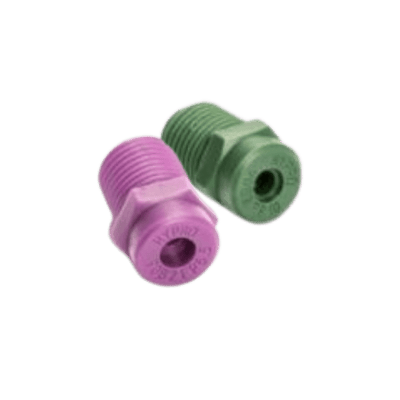
Nozzle choice affects coverage, drift, dwell time and chemical use. A wide fan nozzle may be ideal for large render elevations, while a tighter pattern may be needed for ridge lines, gutter edges or controlled application around windows.
Too fine a mist can increase airborne drift, especially in wind. Too heavy a stream can cause run-off before the chemical has had time to work. In practice, exterior cleaning professionals often carry several nozzles and adjust based on wind, surface texture and access.
Surfactants and Wetting Agents
Surfactants help cleaning solution cling to vertical and textured surfaces. They improve wetting, reduce rapid run-off and can make coverage easier to see. This is particularly useful on render, cladding, roof tiles and heavily colonised surfaces.
Where appropriate, professional soft wash chemicals and compatible surfactants should be selected based on the surface, contamination and manufacturer instructions. Never assume all chemicals can be mixed together. Compatibility matters.
How to Choose the Right Chemical Delivery System
The best system is the one that safely delivers the correct solution for the job in front of you. Use the following step-by-step approach before buying equipment or arriving on site.
Step 1: Identify the Surface and Contamination
Different surfaces react differently to cleaning chemistry. Painted render, K Rend, monocouche render, limestone, sandstone, block paving, concrete, UPVC, timber and roof tiles all need different consideration. The contamination may be algae, lichen, moss, black spot, traffic film, oil, rust, tannin, lead staining or general organic soiling.
A chemical delivery system suitable for applying biocide to a roof may not be suitable for applying a specialist stain remover to delicate stone. Always inspect first.
Step 2: Check the Chemical and Required Dilution
Read the product label and safety data sheet. Understand whether the product is ready to use, diluted on site or dosed through a system. Confirm contact time, rinsing instructions, PPE requirements and surface restrictions.
For regulated or hazardous products, UK contractors should ensure they are working in line with COSHH principles, product labelling and general health and safety duties. Training is particularly valuable here because many problems occur not from the chemical itself, but from poor selection, poor dilution or poor application control.
Step 3: Decide Whether You Need Precision or Flexibility
If you need repeatable dilution across a large estate, dosing equipment may be useful. If you complete mostly varied domestic jobs, a batch mix system may provide more flexibility. If you mainly apply detergents before pressure washing, downstream injection may be enough.
Facilities managers should also consider operator consistency. A dosing system can reduce variation between team members, but only if it is maintained and calibrated.
Step 4: Consider Access, Hose Runs and Height
Long hose runs can reduce draw rates and affect pressure. Working at height may require water-fed pole application, scaffold, MEWP access or other safe access planning. Never choose a chemical delivery method that encourages unsafe ladder work or uncontrolled spraying from poor positions.
Step 5: Plan Rinsing, Containment and Site Protection
Before applying anything, know where the solution will go. Protect plants, sensitive metals, painted surfaces, ponds, drains and public areas. Pre-wet and post-rinse vegetation where appropriate. Use barriers, signage and controlled work zones on commercial sites.
For professional contractors, site-specific risk assessments and method statements are not paperwork for the sake of it. They help you think through the work before a problem occurs. SoftWash UK offers a Risk Assessment and Method Statement pack for exterior cleaning that can support safer planning and more professional documentation.
Common Mistakes with Chemical Delivery Systems
Assuming the Mix at the Tank Is the Mix at the Surface
This is a common error. With injectors, proportioners and long hose runs, the solution reaching the surface may be weaker or stronger than expected. Always test and calibrate the system rather than relying on assumptions.
Using Incompatible Equipment
Not all pumps, hoses, seals and fittings are suitable for softwash chemicals. Incompatible components can fail, leak or contaminate the solution. This is especially important when working with oxidising products or biocides.
Over-Applying Chemical
More chemical is not automatically better. Over-application can cause streaking, unnecessary run-off, plant damage, odour complaints and increased cost. Good cleaning is about correct chemistry, contact time, coverage and rinsing, not simply stronger mixes.
Ignoring Wind and Weather
Wind increases drift. Hot weather can dry solution too quickly. Heavy rain can dilute or wash away treatment before it has had enough dwell time. A capable operator adjusts the delivery method to the day’s conditions or postpones the job when conditions are unsuitable.
Forgetting to Flush the System
Leaving chemical in pumps, hoses, lances or injectors can shorten equipment life and increase the risk of blocked nozzles or seal damage. Flushing procedures should be part of every job, not something done only when convenient.
Safety and Best Practice Notes
Chemical delivery systems must be used safely. Exterior cleaning often happens around homes, workplaces, public footpaths, car parks, schools, healthcare sites and commercial entrances. Poor chemical control can affect people, pets, plants, vehicles and waterways.
- Carry out a site-specific risk assessment before starting work.
- Read and follow product labels and safety data sheets.
- Wear appropriate PPE, including eye protection, gloves and suitable clothing.
- Never mix chemicals unless compatibility is confirmed by the manufacturer.
- Never mix sodium hypochlorite with acids, ammonia-based products or unknown chemicals.
- Control access to the work area with barriers and signage where needed.
- Protect plants, ponds, metals and sensitive surfaces.
- Avoid overspray and drift, especially near roads, neighbours and public areas.
- Store and transport chemicals securely and in line with legal requirements.
- Flush equipment after use according to manufacturer guidance.
Contractors who are new to softwashing should consider formal instruction before taking on paid work. The Soft Wash Training Course is designed to help users understand safe application, chemical selection, equipment setup, dilution, surface assessment and professional working methods.
Practical Examples of Chemical Delivery in Real-World Cleaning
Cleaning Algae from Render
For a typical green algae-contaminated rendered wall, a contractor may use a low-pressure softwash pump with a controlled fan nozzle. A suitable softwash solution and surfactant are applied evenly from bottom to top or in controlled sections, depending on the surface and run-off behaviour. The operator watches for drying, maintains dwell time and rinses where required.
The delivery system must allow gentle, even coverage. High pressure is not the answer on delicate render because it can scar the surface, force water behind finishes or leave wand marks.
Treating Roof Moss and Organic Growth
Roof treatments require careful access planning and controlled application. Depending on the method, contractors may manually remove heavy moss first, then apply a biocidal treatment using a suitable pump, pole system or dosing arrangement. Overspray control is essential around gutters, neighbouring properties, glass, leadwork, plants and watercourses.
Delivery systems for roof work should be chosen with safety first. If the only way to spray the roof is from an unstable ladder position, the system is wrong for the site.
Maintaining Commercial Paving
Facilities teams dealing with recurring algae on shaded pedestrian areas may use a dosing injector or controlled pump system for repeat treatments. Consistency matters because public areas require predictable results, responsible chemical use and clear documentation.
This is where chemical delivery links directly to compliance. Knowing what was applied, at what dilution, where it was used and what controls were in place helps protect both the surface and the organisation.
How to Set Up and Check a Chemical Delivery System
Before using a system on a live job, carry out a controlled setup and test. This reduces mistakes and helps ensure the system is delivering what you expect.
- Inspect all components. Check tanks, hoses, fittings, filters, pumps, seals, nozzles and trigger guns for damage or leaks.
- Confirm chemical compatibility. Make sure the pump, hose and fittings are suitable for the chemical being applied.
- Prepare the work area. Protect sensitive surfaces, plants, drains and people before mixing or applying chemicals.
- Measure accurately. Use clean measuring containers and never guess dilution ratios.
- Test the output. For injectors or proportioners, measure draw rate and confirm the actual dilution at the outlet.
- Check spray pattern. Select a nozzle that gives controlled coverage without excessive misting or run-off.
- Apply a test patch. On sensitive or unfamiliar surfaces, test in a discreet area first.
- Monitor dwell time. Keep the surface wet for the required period, but avoid unnecessary pooling.
- Rinse or neutralise where required. Follow product instructions and site-specific requirements.
- Flush and store equipment. At the end of the job, flush lines, clean filters and store chemicals securely.
Myths About Chemical Delivery Systems
“A Stronger Mix Always Cleans Better”
Not necessarily. Correct dilution, dwell time, wetting and surface preparation are usually more important than simply increasing strength. Stronger mixes can create avoidable risk and cost.
“Any Pump Will Do”
Incorrect. Pumps used with exterior cleaning chemicals need suitable seals, valves and materials. Using the wrong pump can lead to rapid failure and leaks.
“Injectors Are Always Accurate”
Injectors and proportioners must be checked. Flow rate, pressure, hose length and chemical viscosity can all affect dosing.
“Softwashing Means No Rinsing Is Ever Needed”
Some treatments may be left to weather clean, while others require rinsing. The surface, chemical and desired finish determine the process. Always follow product guidance.
Frequently Asked Questions
What is the best chemical delivery system for softwashing?
There is no single best system for every job. Many contractors use a dedicated low-pressure softwash pump for flexibility, while dosing injectors or proportioners can help with repeatable dilution. The best choice depends on the surface, chemical, access, dilution requirements and volume of work.
How do I know if my injector is dosing correctly?
Test it with measured containers. Record how much chemical is drawn over a known amount of water flow, then calculate the ratio. Do this after installation, when changing hoses or nozzles, after maintenance and whenever results seem inconsistent.
Can I run softwash chemicals through a pressure washer?
In most cases, strong chemicals should not be run through a pressure washer pump unless the manufacturer confirms compatibility. Downstream injection applies chemical after the pump, which helps protect the machine, but dilution limits and chemical compatibility still need checking.
Do I need training to use chemical delivery systems?
For professional work, training is strongly recommended. Chemical delivery involves dilution, PPE, COSHH awareness, surface assessment, environmental protection and equipment maintenance. Training reduces mistakes and helps contractors work more safely and professionally.
Why is my softwash solution not drawing through the injector?
Common causes include the wrong nozzle, insufficient water flow, blocked injector, air leaks, excessive hose length, thick chemical, clogged filter or worn internal parts. Start by checking the nozzle size and filter, then test the injector with clean water before reintroducing chemical.
Should I batch mix or use a dosing system?
Batch mixing is simple and flexible, making it popular for varied domestic and commercial work. Dosing systems are useful where repeatability, speed and controlled dilution are priorities. Many professional contractors use more than one method depending on the job.
Conclusion: Control the Chemistry, Control the Result
Understanding chemical delivery systems is one of the most important skills in softwashing and exterior cleaning. The equipment you choose affects dilution, coverage, dwell time, safety, surface protection and the final result. A professional setup is not just a pump and a hose; it is a controlled process built around the chemical, the surface, the site and the operator’s competence.
Whether you are cleaning algae from render, treating roof growth, maintaining commercial paving or improving your exterior cleaning workflow, start with the fundamentals: assess the surface, choose the right chemical, use compatible equipment, calibrate your system, protect the site and work safely.
SoftWash UK supports contractors, facilities teams and serious DIY users with professional chemicals, dosing equipment, softwashing systems and practical education. To build a safer and more effective setup, explore SoftWash UK’s range of professional softwashing products and training resources, or visit SoftWash UK for further guidance on responsible exterior cleaning.