Can Pressure Washing Damage Paving?
Yes, pressure washing can damage paving if the pressure, nozzle, working distance or cleaning method is wrong for the surface. The most common damage includes blown jointing sand, etched concrete, scarring on natural stone, loosened pointing, surface pitting, water ingress and accelerated re-growth of algae or weeds. Used correctly, pressure washing is still a valuable cleaning method for many UK driveways, patios, paths and commercial hardstanding areas. The key is knowing when to use pressure, when to reduce it, and when a softwashing or chemical-assisted approach is safer.
For exterior cleaning contractors, facilities managers and serious DIY users, the question is not simply “does pressure washing damage paving?” It is “what type of paving am I cleaning, what contamination is present, and what is the lowest-risk method that will achieve the result?” Block paving, concrete slabs, Indian sandstone, limestone, porcelain, resin-bound surfaces and tarmac all react differently under pressure.
This guide explains how pressure washing can damage paving, which surfaces are most vulnerable, how professionals reduce the risk, and where softwashing, biocidal treatment and responsible chemical cleaning fit into a safer maintenance programme.
How Pressure Washing Damages Paving
Pressure washing damage usually happens when too much force is concentrated into a small area. A pressure washer does not just remove dirt. It can also remove jointing material, open pores in the surface, strip weak coatings, loosen friable stone and force water into places it should not go.
Common types of paving damage
- Jointing sand loss: Common on block paving when the jet is directed into joints or a turbo nozzle is used too aggressively.
- Surface etching: Concrete and softer natural stone can develop visible wand marks, stripes or “snail trails”.
- Pitting and aggregate exposure: Older concrete slabs may lose surface fines and become rougher after repeated high-pressure cleaning.
- Loosened mortar or pointing: Patios with weak or weathered pointing can be opened up by high-pressure water.
- Scarring of soft stone: Sandstone, limestone and some imported patio slabs can be permanently marked.
- Water forced under paving: Excess water can destabilise bedding, especially where drainage is already poor.
- Damage to adjacent surfaces: Render, timber, door seals, air bricks, electrics and painted surfaces can be affected by overspray.
In professional exterior cleaning, the aim is to clean the contamination, not attack the substrate. If a surface needs extreme pressure to look clean, that is often a sign that the method is wrong or the dirt is biological, oil-based, mineral-based or deeply embedded.
Which Paving Surfaces Are Most at Risk?
Different paving materials tolerate pressure washing differently. In practice, the condition of the surface matters just as much as the material. A new, dense concrete block may cope well with controlled pressure, while an older, weathered slab may mark easily.
| Paving Type | Pressure Washing Risk | Typical Issues | Professional Best Practice |
|---|---|---|---|
| Block paving | Medium | Loss of kiln-dried sand, disturbed joints, weed regrowth | Use controlled pressure, surface cleaner where suitable, avoid blasting joints, re-sand when dry |
| Concrete slabs | Medium to high | Etching, striping, surface pitting on older slabs | Test first, reduce pressure, use fan nozzle, consider chemical pre-treatment |
| Indian sandstone | Medium to high | Scarring, raised grain, damaged pointing | Use lower pressure, wider fan, appropriate dwell time for treatments, rinse carefully |
| Limestone | High | Surface marking, colour change, acid sensitivity | Avoid harsh pressure and unsuitable acids, test carefully, use specialist guidance |
| Porcelain paving | Low to medium | Damage to grout or jointing, overspray issues | Use moderate pressure, correct detergent, avoid damaging joints |
| Resin-bound surfaces | Medium to high | Aggregate loosening, patch damage if pressure is too severe | Follow manufacturer guidance, use low pressure and softwashing where appropriate |
| Tarmac | High | Surface stripping, stone loss, gouging | Avoid aggressive pressure, use specialist treatments and gentle rinsing |
Pressure Washing Versus Softwashing for Paving
Pressure washing is a mechanical cleaning method. It relies on water force to remove dirt. Softwashing uses low-pressure application of cleaning solutions to treat organic growth such as algae, lichen, moss and biofilm. On paving, the best results often come from combining methods carefully rather than relying on pressure alone.
If you are comparing methods, SoftWash UK has a useful Knowledge Centre guide explaining softwashing vs pressure washing. The main takeaway is that pressure removes visible soiling quickly, while softwashing targets the biological contamination that causes green, black or slippery growth to return.
When pressure washing works well
- Removing loose dirt, mud and general surface grime.
- Cleaning robust concrete or block paving in good condition.
- Preparing block paving for re-sanding.
- Cleaning heavily soiled commercial yards where the substrate can tolerate it.
- Rinsing after suitable chemical pre-treatment.
When softwashing or chemical treatment may be safer
- Organic staining from algae, moss, lichen and black spot.
- Delicate or weathered natural stone.
- Areas where excessive water volume may cause problems.
- Surfaces with weak pointing or fragile joints.
- Maintenance cleaning where the surface is not heavily soiled.
For contractors, understanding whether softwashing is better than pressure washing depends on the job. On paving, a well-planned clean may involve pre-treating organic contamination, controlled pressure rinsing, then applying a post-treatment to inhibit regrowth where appropriate.
Why Some Paving Looks Worse After Pressure Washing
A common complaint from property owners is that paving looked clean immediately after pressure washing but became patchy, stripe-marked or green again within weeks. This usually happens for one of four reasons.
1. The surface was cleaned unevenly
Wand marks are often caused by inconsistent distance, angle or speed. A lance held too close creates clean lines that are difficult to blend out. This is particularly visible on concrete slabs and sandstone.
2. Biological growth was not treated
Pressure washing may remove the top layer of algae or moss, but it does not always deal with the remaining spores, roots or biofilm in porous paving. This is why algae can return quickly, especially in shaded, damp or north-facing areas.
3. The surface was opened up
Over-aggressive washing can roughen the paving surface. A rougher surface holds more moisture and dirt, so it can become dirty again faster.
4. Drainage problems were ignored
If water sits on the paving because of low spots, blocked drainage or poor fall, the clean will not last as long. Cleaning should be part of a broader maintenance plan, not a substitute for drainage correction.
Step-by-Step: How to Pressure Wash Paving Without Causing Damage
The following process reflects how experienced exterior cleaning professionals approach paving safely. Exact methods will vary depending on material, contamination, access, discharge routes and site risk assessment.
1. Identify the paving material and condition
Before starting, inspect the surface carefully. Look for loose slabs, failed pointing, open joints, spalled concrete, cracks, previous coatings, drainage issues and delicate adjacent materials. If you do not know what the paving is, treat it cautiously and test first.
2. Carry out a risk assessment
For commercial work, facilities management sites and professional contractors, risk assessment is essential. Consider slips, trips, public access, run-off, chemical handling, overspray, noise, electrical hazards and weather conditions. SoftWash UK supplies a Risk Assessment and Method Statement pack for exterior cleaning, which can help contractors structure safer working procedures and site documentation.
3. Clear loose debris first
Sweep or blow off leaves, grit and loose moss before applying water. This reduces mess, improves visibility and stops loose debris being forced into drains, doorways or planting beds.
4. Pre-treat where appropriate
If the paving is green, slippery or affected by algae, moss or lichen, a suitable pre-treatment can reduce the amount of pressure required. Contractors should use professional products responsibly, follow label guidance, wear appropriate PPE and manage run-off. SoftWash UK’s range of professional soft wash chemicals includes options for exterior cleaning tasks where biological contamination is the main issue.
5. Test a small area
Always test in an inconspicuous area. Start with lower pressure, a wider fan pattern and greater distance. Check for colour change, etching, loosened jointing, surface breakdown or unexpected reaction before continuing.
6. Use the right nozzle and technique
For most paving, a fan nozzle is safer than a pencil jet. Turbo nozzles can be useful on robust surfaces but are also a common cause of damage when used too close. Work consistently, overlap passes and keep the lance moving.
- Do not hold the nozzle too close to the surface.
- Do not dwell in one spot.
- Do not blast directly into joints.
- Use a surface cleaner where appropriate for an even finish.
- Reduce pressure around edges, thresholds, drains, walls and delicate areas.
7. Manage run-off and rinse properly
Run-off can carry silt, organic matter, residues and chemicals. On professional jobs, plan where wash water will go before work begins. Protect ponds, lawns, plants and watercourses. Never allow uncontrolled chemical discharge into sensitive environments.
8. Re-sand block paving once dry
Block paving often needs kiln-dried sand brushed into the joints after cleaning. This should only be done when the surface is properly dry. Re-sanding helps stabilise the blocks and reduces weed establishment in open joints.
9. Consider a post-treatment
Where organic growth is the main problem, a suitable post-treatment can help slow regrowth. This is particularly useful on shaded domestic patios, north-facing commercial walkways, care home paths, school entrances and areas with frequent slip risk. Always follow manufacturer instructions and UK best practice for chemical use.
Pressure Settings: Is There a Safe PSI for Paving?
There is no single safe PSI for all paving. The machine output, nozzle type, flow rate, distance from the surface and operator technique all affect cleaning force. A lower-pressure machine used with a narrow nozzle too close to the surface can still cause damage. A higher-flow professional machine used with the correct nozzle and distance may clean more safely and efficiently.
As a practical rule, start with the least aggressive method that works. If cleaning requires extreme pressure, stop and reassess. The contamination may need pre-treatment, dwell time, stain-specific chemistry or a different process.
Stains on Paving: Pressure Is Not Always the Answer
Professionals often see damage when someone tries to remove a stain using pressure alone. Oil, rust, efflorescence, tannin staining, paint, cement residue and black spot may need specific treatments. Blasting the area can permanently change the texture of the paving while leaving the stain behind.
Oil stains
Driveway oil stains should usually be treated with a suitable degreasing or oil stain product rather than aggressive pressure. For professional driveway cleaning, Grenade Driveway Oil Stain Remover can be useful where oil contamination is the issue. Always test first, manage residues and understand that old oil stains may require repeated treatment or may not fully disappear.
Organic growth
Green algae, moss and lichen are biological problems. Pressure washing can remove visible growth, but treatment is often required to improve longevity. Contractors using biocidal or oxidising products must understand dilution, dwell time, PPE, surface compatibility, plant protection and run-off control.
Rust and mineral stains
Rust and mineral staining require correct identification before treatment. Using the wrong chemical can worsen staining or damage sensitive stone. This is especially important on limestone and natural stone patios.
Common Mistakes That Lead to Paving Damage
- Using a turbo nozzle on delicate stone: Fast, aggressive and often damaging if the surface is not suitable.
- Cleaning too close: The most common cause of etching and wand marks.
- Assuming all slabs are concrete: Natural stone and decorative slabs vary widely in hardness and porosity.
- Ignoring failed pointing: Pressure will exploit weak joints and make them worse.
- Skipping the test patch: A small test can prevent a large claim or expensive repair.
- Using pressure to solve every stain: Some stains need chemistry, not force.
- Not re-sanding block paving: Open joints can lead to instability and rapid weed growth.
- Poor run-off control: Dirty water and chemical residues can create environmental and client complaints.
Myths About Pressure Washing Paving
Myth: More pressure means a better clean
More pressure often means more risk. Flow rate, correct chemistry, dwell time, heat, agitation and technique can matter more than pressure alone.
Myth: Pressure washing kills algae
Pressure washing removes visible growth but does not reliably treat remaining biological contamination. This is why softwashing and post-treatment are often used in professional maintenance plans.
Myth: All paving can be cleaned the same way
A concrete yard, a porcelain patio and a weathered sandstone terrace all require different thinking. Surface identification is a core professional skill.
Myth: Damage always appears immediately
Some damage is visible straight away, such as stripes or scarring. Other problems, such as loosened joints, water ingress or accelerated re-soiling, may appear later.
Safety and Compliance Notes for UK Contractors
Pressure washing paving can create significant site risks. Slippery surfaces, trailing hoses, overspray, noise, flying debris and public access all need managing. If chemicals are used, COSHH assessment, SDS access, PPE, storage and transport requirements also need consideration.
Best practice includes:
- Completing a site-specific risk assessment before work starts.
- Using appropriate PPE, including eye protection, gloves, suitable footwear and waterproof clothing.
- Controlling public access with barriers, signage or exclusion zones.
- Checking drainage routes before releasing wash water.
- Protecting plants, ponds, metals, painted surfaces and sensitive materials.
- Keeping chemical containers labelled and secure.
- Following product labels, SDS information and UK health and safety guidance.
- Training staff properly before allowing them to clean sensitive surfaces unsupervised.
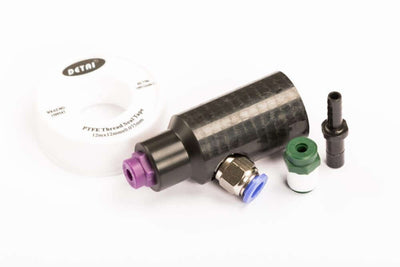
For those building a professional setup, SoftWash UK supplies soft washing equipment as well as chemicals and training resources for contractors who want to move beyond pressure-only cleaning and adopt a more controlled exterior cleaning approach.
When Should You Avoid Pressure Washing Paving?
There are times when pressure washing is not the right first choice. Avoid or significantly reduce pressure when:
- The paving is loose, cracked or unstable.
- Pointing is already failing.
- The surface is soft, flaky or spalling.
- The paving is sealed and the sealer may be damaged.
- The area drains towards ponds, watercourses or sensitive planting.
- The client expects a stain removal result that pressure cannot realistically achieve.
- The paving manufacturer advises against high-pressure cleaning.
In these situations, a softwashing, low-pressure rinse, targeted stain treatment or manual cleaning method may be safer. If in doubt, test, document the condition and explain the limitations clearly to the client before starting.
Commercial and Facilities Management Considerations
For facilities managers, schools, care homes, retail parks and commercial property teams, paving maintenance is not just about appearance. Slip risk, access, public disruption and long-term asset protection all matter.
A practical maintenance plan might include:
- Routine inspections of high-traffic and shaded areas.
- Seasonal treatment for algae-prone walkways.
- Periodic low-pressure cleaning rather than infrequent aggressive washing.
- Drainage checks and removal of leaf litter.
- Clear documentation of products used and areas treated.
- Scheduling work outside peak access times.
For contractors quoting this type of work, it is worth explaining the difference between a one-off visual clean and a planned maintenance programme. Clients often understand value better when you link cleaning outcomes to slip reduction, surface longevity and reduced disruption.
Building Your Knowledge Before Working on Sensitive Paving
Good paving cleaning is a mix of surface knowledge, chemistry, equipment selection and safe working practice. Contractors who only rely on pressure can run into avoidable problems, especially on stone patios, commercial paving and premium residential projects.
If you want a structured route into professional methods, the SoftWash UK training course covers practical softwashing principles, safety thinking and exterior cleaning processes that help contractors make better decisions on site.
For contractors who want to build their knowledge before investing in full training, SoftWash UK offers a free course preview with selected lessons from the full training programme. It gives you a practical look at the teaching style, structure and professional approach used inside the course.
Frequently Asked Questions
Can pressure washing ruin block paving?
Yes, it can damage block paving if used incorrectly. The most common issue is blasting out the kiln-dried jointing sand, which can leave blocks unstable and encourage weed growth. Controlled pressure washing is often suitable for block paving, but joints should not be aggressively blasted and the surface should usually be re-sanded once dry.
Is it safe to pressure wash Indian sandstone?
Indian sandstone can be pressure washed, but it needs care. Some sandstone is relatively robust, while other slabs are softer and can scar easily. Use lower pressure, a wider fan nozzle, sensible distance and a test patch. Organic growth may be better managed with suitable pre-treatment and gentle rinsing rather than forceful blasting.
Why has my patio gone patchy after pressure washing?
Patchiness can be caused by uneven cleaning, wand marks, different levels of porosity, remaining biological growth or old staining becoming more visible after surface dirt is removed. It can also happen when a previous sealer or coating is partially stripped.
Does pressure washing kill weeds between paving?
Pressure washing can remove visible weeds and loosen roots, but it does not provide long-term weed control on its own. Open joints, damp conditions and airborne seeds can all lead to regrowth. Block paving should be re-sanded after cleaning, and any weed treatment should be selected and applied responsibly.
Can softwashing damage paving?
Softwashing can damage paving if the wrong product, dilution or process is used, especially on sensitive stone or poorly managed sites. However, when carried out correctly by trained users, softwashing can reduce the need for aggressive pressure and improve treatment of organic growth. Always test first and follow product instructions.
Should paving be sealed after pressure washing?
Sealing can help some surfaces resist staining and moisture, but it is not always necessary or suitable. The paving must be clean, dry and compatible with the chosen sealer. Poor sealing practice can trap moisture, create patchiness or make future maintenance harder.
Conclusion: Pressure Washing Can Damage Paving, But It Does Not Have To
Pressure washing can damage paving when it is used without proper assessment, technique or surface knowledge. The biggest risks are excessive pressure, narrow nozzles, cleaning too close, weak joints, delicate stone and trying to solve every stain with water force alone.
For UK contractors, facilities managers and serious DIY users, the safest approach is to identify the paving, assess its condition, test first, use the least aggressive effective method and consider softwashing or targeted chemical treatment where biological growth or staining is the real issue. A professional result is not about maximum pressure; it is about controlled cleaning, safe working and long-lasting outcomes.
SoftWash UK supports exterior cleaning professionals with specialist chemicals, softwashing equipment, training and educational resources for safer, more informed cleaning. To continue learning, explore the SoftWash UK Knowledge Centre, compare cleaning methods, or speak to the team about suitable products and training for your paving, driveway and exterior cleaning work.