Can Pressure Washing Damage Paving?
Yes, pressure washing can damage paving if the machine is too powerful, the wrong nozzle is used, the operator works too close to the surface, or the paving is already weak, poorly laid or weathered. The most common forms of damage are surface etching, joint sand loss, exposed aggregate, blown pointing, loose blocks, scarring on natural stone and water being forced where it should not go.
That does not mean pressure washing should never be used. In professional exterior cleaning, pressure washing is a useful tool when it is matched to the surface, contamination and site conditions. The problem is not always the pressure washer itself; it is the combination of excessive pressure, poor technique and unrealistic expectations. For UK contractors, facilities managers and serious DIY users, the key is knowing when pressure washing is suitable, when to reduce pressure, and when a softwashing or chemical-led process is the safer and more effective option.
This guide explains how pressure washing can damage different paving types, what to look for before starting, how to clean paving safely, and where softwashing fits into a professional maintenance programme.
How Pressure Washing Damages Paving
Most paving materials are harder than the dirt sitting on them, but they are not indestructible. High-pressure water can cut, abrade and undermine surfaces, especially when concentrated through a narrow nozzle. In practice, we see damage most often where an operator tries to remove years of black spot, algae, moss, oil or lichen using pressure alone.
Common Types Of Pressure Washing Damage
- Surface etching: visible wand marks, stripes or circular scars caused by working too close or using a turbo nozzle incorrectly.
- Loss of jointing sand: common on block paving when water blasts the kiln-dried sand out from between blocks.
- Exposed aggregate: the top layer of concrete paving is stripped, leaving a rough, patchy finish.
- Blown pointing: mortar joints on patios are dislodged, especially where they were already cracked or weak.
- Stone surface erosion: softer natural stone such as sandstone or limestone becomes roughened or visibly scarred.
- Water ingress: water is forced under slabs, into expansion joints, air bricks, thresholds or vulnerable building details.
- Uneven appearance: over-cleaned areas stand out from less-cleaned areas, leaving tiger stripes or patchy results.
On commercial sites, damage may not be obvious until the surface dries. A contractor may walk away thinking the paving looks clean, only for etched wand marks to appear in strong sunlight the next day. This is why pre-testing, controlled pressure and realistic cleaning expectations are essential.
Which Types Of Paving Are Most At Risk?
Different paving materials respond very differently to pressure washing. A dense concrete service yard will tolerate more mechanical cleaning than a weathered sandstone patio or a resin-bound entrance. Before choosing your method, identify the paving material and its condition.
| Paving Type | Risk From Pressure Washing | Professional Best Practice |
|---|---|---|
| Block paving | Joint sand loss, movement, moss regrowth if joints are left open | Use controlled pressure, avoid blasting joints aggressively, re-sand after cleaning |
| Concrete slabs | Surface etching, exposed aggregate, patchy finish | Pre-test, avoid narrow nozzles, use surface cleaner where appropriate |
| Indian sandstone | Scarring, roughening, loss of natural surface texture | Use lower pressure, wider fan nozzles and consider softwashing for organic growth |
| Limestone | Surface erosion, chemical sensitivity, staining issues | Use cautious pressure and check chemical compatibility before treatment |
| Porcelain paving | Lower risk of etching, but grout and edges can be damaged | Use moderate pressure and suitable detergents for film, algae and residues |
| Resin-bound surfacing | Aggregate loss, binder damage, surface disruption | Use low-pressure cleaning only and follow manufacturer guidance |
| Tarmac | Surface stripping, stone loss, line marking damage | Avoid aggressive pressure; use careful low-pressure washing and suitable treatments |
Pressure, Flow Rate And Nozzles: What Actually Causes The Damage?
Many people focus only on PSI or bar rating, but pressure is only part of the equation. Damage is caused by the total cleaning force applied to the surface, which includes pressure, water flow, nozzle angle, distance from the paving and operator speed.
Pressure Is Not The Only Factor
A small domestic pressure washer with a pencil jet can still damage soft stone if held close enough. Equally, a professional machine can clean safely if used with the correct nozzle, distance and technique. The operator matters as much as the machine.
- Narrow nozzles concentrate force and are more likely to mark paving.
- Turbo nozzles can be aggressive and should be used carefully, especially on natural stone and older concrete.
- Working too close increases cutting action and often causes visible striping.
- Slow wand movement increases dwell force on one area and raises the risk of etching.
- Poor overlap creates cleaning lines that are hard to blend out once dry.
In professional work, it is usually better to let chemistry, dwell time and good rinsing do part of the cleaning rather than trying to force every result using pressure alone. The SoftWash UK Knowledge Centre article on softwashing vs pressure washing explains this difference in more detail.
Pressure Washing Block Paving: The Joint Sand Problem
Block paving is one of the most common surfaces cleaned in the UK, and it is also one of the easiest to disturb. The blocks themselves are generally robust, but the joints are vulnerable. If the jointing sand is blasted out and not replaced, the paving can become unstable, weeds can establish quickly, and ants or water movement can worsen the problem.
What Happens When Joint Sand Is Removed?
- The blocks can move under vehicle loading.
- Edges may spread where restraints are weak.
- Weed seeds and moss spores settle into open joints.
- Rainwater can wash bedding material away over time.
- The surface may look clean initially but deteriorate faster afterwards.
For block paving, cleaning should normally be followed by allowing the surface to dry and then brushing in fresh kiln-dried sand. On commercial car parks and high-traffic domestic driveways, this is not an optional cosmetic step; it is part of restoring the structure of the surface after cleaning.
Natural Stone Paving: Why Extra Care Is Needed
Natural stone is not one uniform material. Indian sandstone, limestone, slate and granite all behave differently. Even slabs from the same patio can vary in density and porosity. Weathering, previous cleaning, sealers and frost damage also affect how the stone responds.
Sandstone patios are particularly prone to visible wand marks when cleaned too aggressively. The surface may already be delaminating or softened by years of moisture and biological growth. If a contractor attacks black lichen spots with high pressure at close range, the result is often a scarred patio with only partial lichen removal.
Practical Advice For Natural Stone
- Always test in a small, discreet area and allow it to dry before committing to the full clean.
- Use the lowest effective pressure rather than the maximum the machine can produce.
- Avoid holding the lance close to the stone to chase individual black spots.
- Check whether the stone is sealed, stained, cracked or flaking before quoting.
- Use appropriate chemical treatments where suitable, following label instructions and site controls.
Where the main issue is algae, lichen or other organic staining, a softwashing approach may be more suitable than pressure alone. For a broader comparison, the article Is Softwashing Better Than Pressure Washing explains when a chemical-led method can reduce unnecessary surface abrasion.
When Is Pressure Washing The Right Choice?
Pressure washing is still valuable for many paving cleaning jobs. It is particularly useful where there is heavy soil, mud, loose debris, chewing gum residues, construction dirt or compacted grime. The key is to use it as part of a method, not as a blunt instrument.
Pressure Washing Is Often Suitable For:
- Concrete yards and service areas where the surface is sound.
- Block paving that will be re-sanded after cleaning.
- Porcelain paving with dirty grout lines or surface contamination.
- Commercial walkways requiring removal of loose grime and slip hazards.
- Pre-rinsing or post-rinsing after suitable detergent or biocide application.
Pressure Washing May Be The Wrong First Choice For:
- Weathered sandstone with black spot and surface delamination.
- Old concrete slabs already showing exposed aggregate.
- Resin-bound surfaces unless manufacturer guidance allows it.
- Areas close to vulnerable doors, thresholds, air bricks or electrical fixtures.
- Paving with failed pointing, loose slabs or poor falls.
Softwashing And Paving: Where It Fits
Softwashing uses controlled chemical application, dwell time and low-pressure rinsing to treat organic contamination such as algae, moss, mould and lichen. On paving, it can be used as a standalone process in some situations or as part of a combined clean with pressure washing.
For example, on a mossy block paved driveway, a contractor may remove heavy debris first, pressure clean carefully, re-sand once dry, and then apply a suitable biocidal treatment to slow regrowth. On a delicate sandstone patio, the safer approach may be to use a lower-pressure wash combined with carefully selected chemistry rather than aggressively blasting the surface.
SoftWash UK supplies professional softwashing chemicals for trained and competent users who understand dilution, compatibility, dwell time, rinse requirements and site protection. Chemical selection should always be based on the surface, contamination and environmental controls required on the job.
Step-By-Step: How To Clean Paving Without Causing Damage
The following process is suitable as a professional framework. It should be adapted to the paving type, contamination, drainage, access, client requirements and site-specific risk assessment.
1. Identify The Surface
Confirm whether you are dealing with concrete, block paving, natural stone, porcelain, resin-bound surfacing, tarmac or a mixed area. If you do not know the material, do not guess. The wrong method can cause permanent damage.
2. Inspect Condition And Drainage
Look for loose slabs, failed pointing, dips, cracks, open joints, poor falls, blocked drains and nearby sensitive surfaces. Take photos before starting, especially where there is existing damage. This protects both the client and the contractor.
3. Choose The Least Aggressive Effective Method
Start with the gentlest method likely to achieve the required result. That may include sweeping, scraping, pre-treatment, controlled pressure washing, softwashing or spot treatment for stains. For oil contamination on driveways, a dedicated product such as Grenade Driveway Oil Stain Remover may be more appropriate than repeated high-pressure blasting.
4. Carry Out A Test Patch
Test pressure, nozzle, chemical compatibility and finish in a discreet area. Let the area dry where possible. Wet paving often hides etching and colour variation.
5. Control Pressure, Distance And Angle
Use a fan nozzle or suitable surface cleaner where appropriate. Keep the lance moving and avoid close-range cutting. Work methodically so the finish is even across the whole area.
6. Manage Run-Off And Site Safety
Plan where dirty water, chemical residues and dislodged debris will go. Protect ponds, planting, drains, doorways and neighbouring property. Use barriers or signage where the public, residents or staff may walk across wet areas.
7. Rinse, Neutralise Or Re-Treat As Required
Follow the product label and method statement. Some jobs require a thorough rinse; others may involve leaving a suitable biocide to continue working, where appropriate and compliant. Never mix chemicals unless the product system specifically permits it.
8. Reinstate Joints And Finish The Job Properly
For block paving, allow the surface to dry before re-sanding with kiln-dried sand. For patios, check pointing and discuss repairs where required. Leave the site safe, tidy and free from avoidable residues.
Pressure Washing Versus Softwashing For Paving
| Method | Best For | Main Risks | Professional Notes |
|---|---|---|---|
| Pressure washing | Loose dirt, mud, surface grime, hardstanding, block paving before re-sanding | Etching, joint loss, pointing damage, water ingress | Use controlled pressure and correct nozzles; do not rely on pressure alone for biological staining |
| Softwashing | Algae, moss, lichen, organic staining and regrowth control | Chemical misuse, plant damage, staining if incompatible products are used | Requires training, correct dilution, PPE, COSHH awareness and surface knowledge |
| Combined method | Most professional paving maintenance where both soiling and organic growth are present | Poor sequencing or over-treatment | Often gives the best balance of clean appearance, reduced abrasion and longer-lasting results |
Common Mistakes That Lead To Paving Damage
Using A Turbo Nozzle On Everything
Turbo nozzles have their place, but they can be too aggressive for many patios and decorative surfaces. They are a common cause of circular scarring, especially on concrete slabs and sandstone.
Trying To Remove Black Spot With Pressure Alone
Black lichen spots are rooted into the surface. Chasing them with close-range pressure often damages the paving before it removes the staining. A more considered chemical-led process is usually required.
Not Pricing For Re-Sanding
On block paving, re-sanding takes time and materials. If it is not included in the quote, the job may be left structurally incomplete. Make it clear to the client why re-sanding matters.
Cleaning Without A Risk Assessment
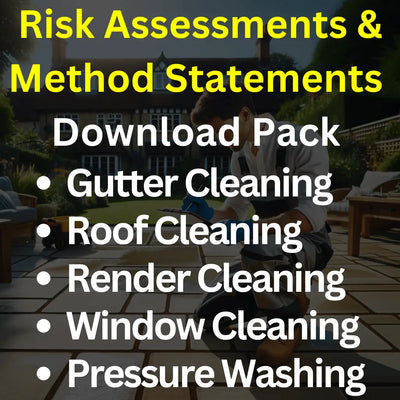
Wet paving, hoses, electrical equipment, chemicals, public access and run-off all create hazards. Contractors should use suitable risk assessments, method statements and COSHH documentation. SoftWash UK offers a practical Risk Assessment and Method Statement pack for exterior cleaning to help professional users build safer, more consistent systems.
Assuming All Paving Can Be Restored To New
Some paving is permanently stained, worn, poorly installed or previously damaged. A realistic survey and clear client communication are more professional than promising a perfect finish.
Safety And UK Best Practice For Paving Cleaning
Exterior cleaning carries real safety responsibilities. Whether you are maintaining a retail entrance, school courtyard, residential driveway or facilities management site, your method should account for people, property and the environment.
- Carry out a site-specific risk assessment before work starts.
- Use appropriate PPE, including eye protection, gloves and suitable footwear.
- Control public access with cones, barriers or signage where required.
- Be aware of slip hazards during and after cleaning.
- Protect plants, lawns, ponds and watercourses from run-off.
- Follow product labels, safety data sheets and COSHH requirements.
- Do not allow contaminated wash water to enter unsuitable drainage routes.
- Check for air bricks, door seals, electrical outlets and basement lightwells before washing.
Contractors looking to improve consistency should invest in proper training and suitable equipment rather than learning by trial and error on clients’ surfaces. The SoftWash UK training course is designed to help exterior cleaning professionals understand safe methods, chemical handling, surface assessment and practical job planning.
Equipment Choices That Reduce Damage Risk
The right equipment makes controlled cleaning easier. Professional paving cleaning is not just about buying the most powerful pressure washer. It is about choosing tools that give consistent results with less risk.
Useful Equipment Considerations
- Surface cleaners: help achieve an even finish and reduce wand marks on suitable flat surfaces.
- Adjustable pressure control: allows the operator to reduce force on delicate areas.
- Correct nozzles: fan nozzles are often safer than concentrated jets.
- Softwash application equipment: allows controlled chemical application without relying on high pressure.
- Water management tools: help control run-off and keep the working area safer.
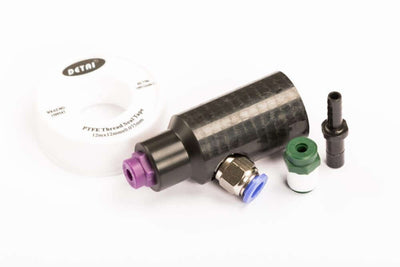
For contractors building a more rounded exterior cleaning setup, SoftWash UK supplies professional soft washing equipment that can support lower-pressure chemical application alongside conventional rinsing and washing systems.
How To Explain Damage Risk To Clients
Client education is part of professional exterior cleaning. Many customers believe pressure washing is always simple: arrive, blast the paving, leave it looking new. A good contractor explains the limits before the job starts.
Useful Points To Cover In A Quote
- The current condition of the paving and any existing defects.
- Whether the surface is likely to tolerate pressure washing.
- Whether re-sanding, re-pointing or stain treatment is included.
- What level of stain removal is realistic.
- How run-off, access and safety will be managed.
- Whether an ongoing maintenance treatment is recommended.
This approach reduces disputes and positions you as a professional rather than someone simply selling a cheap clean. It also helps facilities managers justify planned maintenance budgets, especially where slip risk, appearance and asset protection are all priorities.
Myths About Pressure Washing Paving
Myth 1: More Pressure Always Means A Better Clean
More pressure often means more risk. Many contaminants are better treated with the correct chemistry, dwell time and rinsing rather than maximum mechanical force.
Myth 2: If The Paving Looks Fine Wet, It Has Not Been Damaged
Wet paving hides etching, striping and colour variation. Always assess test patches after drying where possible.
Myth 3: Block Paving Does Not Need Re-Sanding
If jointing sand has been displaced, it should be replaced. Leaving open joints can lead to movement, weed growth and long-term deterioration.
Myth 4: Softwashing Is Just For Roofs And Render
Softwashing is widely used for organic growth on many exterior surfaces, including suitable paving. The method must be adapted to the surface and contamination. It is not a one-product-fits-all approach.
Want To Build Your Knowledge Before Taking On Higher-Risk Jobs?
If this is an area you want to understand properly, you can start by accessing the free SoftWash UK course preview. It includes selected lessons from the full training course and is designed to help contractors see whether professional softwashing training is the right next step.
Frequently Asked Questions
Can pressure washing ruin block paving?
Pressure washing can damage block paving if it removes too much jointing sand, disturbs the bedding layer or is used too aggressively on the block surface. The blocks are usually durable, but the joints need care. After cleaning, the paving should normally be allowed to dry and then re-sanded with kiln-dried sand.
Is it safe to pressure wash Indian sandstone?
Indian sandstone can be pressure washed, but it requires caution. Some sandstone is soft, weathered or prone to surface scarring. Use low to moderate pressure, a suitable fan nozzle, good distance and a test patch. For black spot, algae and lichen, a chemical-led approach may reduce the need for aggressive pressure.
What PSI is safe for paving?
There is no single safe PSI for all paving because material, condition, nozzle type and working distance all matter. A lower pressure used correctly may be safer than a high-pressure machine used close to the surface. Contractors should test first and use the least aggressive effective method.
Can pressure washing damage pointing between slabs?
Yes. Old, cracked or weak pointing can be blown out by pressure washing. Before cleaning, inspect the joints and warn the client if re-pointing may be needed. Avoid directing high-pressure water straight into vulnerable joints.
Is softwashing better than pressure washing for patios?
It depends on the patio and the contamination. Pressure washing is useful for removing loose dirt and grime, while softwashing is often better for treating algae, moss and lichen. Many professional patio cleans use a combined approach, with controlled pressure and appropriate chemical treatment.
How often should paving be cleaned?
Most domestic paving benefits from cleaning every one to three years, depending on shade, drainage, tree cover and use. Commercial sites may need more frequent maintenance where slip risk, appearance or footfall is a concern. Preventative treatments can help slow organic regrowth when used correctly.
Conclusion: Pressure Washing Can Damage Paving, But Good Method Prevents Most Problems
Pressure washing can damage paving when it is used without surface knowledge, pressure control or a proper plan. The main risks are etching, joint loss, pointing damage, exposed aggregate and water being forced into vulnerable areas. These problems are avoidable when the operator assesses the surface, tests first, uses the correct equipment and chooses the least aggressive effective method.
For professional contractors and facilities managers, the best results often come from combining controlled pressure washing with softwashing knowledge, suitable chemicals, safe working procedures and honest client communication. It is not about avoiding pressure washing altogether; it is about knowing when to use it, when to back off, and when a chemical-led approach will protect the surface while improving the result.
SoftWash UK supports exterior cleaning professionals with specialist chemicals, equipment, training and educational resources for safe and responsible softwashing. To continue learning, explore the SoftWash UK Knowledge Hub or speak to SoftWash UK about building a more professional, compliant and surface-safe cleaning system for your business.