How to Price Softwashing Jobs: A Practical Guide for UK Contractors
To price softwashing jobs properly, you need to calculate the true cost of labour, chemicals, equipment, travel, access, risk, preparation, dwell time, rinsing, waste control and profit. Most professional UK softwashing jobs are priced using a combination of square metre rates, minimum call-out charges, difficulty factors and site-specific risk. As a simple starting point, many contractors use a minimum charge for small domestic work, then adjust the price per square metre depending on the surface, organic growth level, access, chemical consumption and required finish.
The biggest mistake is pricing softwashing as if it is only “spray and leave”. In real work, a job may involve surveying the surface, selecting the right chemical system, protecting plants and metals, setting up safe access, controlling runoff, managing public areas, completing RAMS, applying product correctly, monitoring dwell time and returning for a post-treatment check if needed. Your price has to cover all of that.
This guide is written for UK exterior cleaning contractors, property maintenance professionals, facilities managers and serious DIY users who want to understand how softwashing pricing works in real-world conditions. It covers pricing models, example rates, quoting steps, cost factors, common mistakes and best practice for professional softwashing businesses.
What Is Softwashing Pricing Based On?
Softwashing pricing is based on the cost and difficulty of safely treating exterior surfaces using low-pressure application and suitable cleaning or biocidal products. The price should reflect the result you are being asked to achieve, not just the time spent on site.
In practice, a good softwashing quote usually considers:
- The surface type, such as render, roof tiles, cladding, paving, decking, stone, brick or painted masonry.
- The total cleanable area in square metres.
- The amount and type of contamination, including algae, lichen, black spot, moss, mould, traffic film or staining.
- The access requirements, such as ladders, towers, scaffold, MEWP, water-fed pole work or rope access.
- The chemical system required and how much product will be consumed.
- Plant, metal, glass, paint and surface sensitivity.
- Water availability and drainage arrangements.
- Labour time, including preparation, application, monitoring, rinsing and site clean-up.
- Business overheads, insurance, fuel, training, PPE, equipment wear and administration.
- The level of documentation required, especially for commercial or facilities management work.
For a useful supporting overview, SoftWash UK’s Knowledge Centre article on softwashing pricing is a good reference point when building your own quoting structure.
Common Softwashing Pricing Models
There is no single correct way to price every softwashing job. Most experienced contractors use several pricing methods together. The key is knowing when each method is appropriate.
| Pricing Method | Best Used For | Advantages | Limitations |
|---|---|---|---|
| Minimum charge | Small domestic jobs, local call-outs, minor treatments | Protects profitability on small work | Can look expensive if not explained clearly |
| Price per square metre | Render, roofs, cladding, paving, large elevations | Simple, scalable and easy to compare | Must be adjusted for access, risk and contamination |
| Day rate plus materials | Commercial sites, uncertain scope, facilities work | Useful when the job may change on site | Less attractive to clients wanting a fixed price |
| Fixed project price | Large domestic properties, schools, offices, care homes | Clear for the client and allows strong margin control | Requires accurate survey and costing |
| Maintenance contract | Facilities managers, housing associations, business parks | Creates recurring revenue and predictable upkeep | Requires careful scheduling and service specification |
Typical UK Softwashing Price Ranges
Prices vary by region, job size, surface, access and contractor experience. The figures below are not fixed recommendations, but they show how contractors often think about softwashing price bands in the UK market.
| Job Type | Typical Pricing Approach | Common Price Influences |
|---|---|---|
| Small render treatment | Minimum charge or m² rate | Access, staining level, plant protection, rinsing requirement |
| Full house render clean | Fixed project price plus m² calculation | Height, elevations, windows, conservatories, neighbouring property risk |
| Roof biocide treatment | m² rate or fixed project price | Roof pitch, moss load, access, gutter clearance, safety controls |
| Commercial cladding | Surveyed project price or day rate plus materials | MEWP use, public access, RAMS, out-of-hours work, water control |
| Patios and hard surfaces | m² rate, sometimes combined with pressure washing | Black spot, drainage, re-sanding, oil stains, delicate stone |
| Planned maintenance | Annual or seasonal contract | Frequency, site size, reporting, compliance requirements |
For small domestic work, a minimum charge is often essential. If you travel to site, unload equipment, mix or connect product safely, protect surrounding areas, carry out the treatment, tidy down and complete paperwork, a very small job still consumes part of a working day. Pricing only by minutes on the surface is a quick route to undercharging.
Step-by-Step: How to Price a Softwashing Job
1. Survey the Site Properly
Good pricing starts with a good survey. Photographs can help with an initial estimate, but they rarely show the full picture. On site, look for:
- Surface material and condition.
- Cracks, blown render, failing paint or porous stone.
- Nearby plants, ponds, lawns and planted borders.
- Metals such as lead, aluminium, copper, zinc and painted fittings.
- Drainage routes and potential runoff issues.
- Access restrictions, parked vehicles and public footpaths.
- Water source availability.
- Working at height requirements.
A contractor who prices from a single front elevation photo may win the job but lose profit on the day. A professional survey allows you to explain why the job costs what it costs.
2. Measure the Treatable Area
Measure the area as accurately as reasonably possible. For walls and render, multiply height by width for each elevation and deduct large openings if appropriate. For roofs, allow for pitch rather than using only the building footprint. For hard surfaces, measure length by width and adjust for steps, edges, planters and awkward sections.
Always separate areas with different cleaning requirements. A north-facing rendered wall with heavy green algae is not the same as a lightly affected south-facing elevation. A shaded patio with black spot is not the same as a lightly soiled path.
3. Decide the Cleaning Method and Product System
Your price depends heavily on the method. Some jobs require a detergent-based wash, some require a sodium hypochlorite softwash approach, some require a DDAC-based biocide treatment, and others may need specialist stain removal. The correct choice depends on the surface, contamination and desired outcome.
SoftWash UK supplies a range of professional softwashing chemicals, but product selection should always be based on training, label guidance, SDS information, surface testing and site risk. For example, a contractor treating organic growth on external surfaces may use different chemistry from a contractor dealing with rust staining, oil contamination or timber brightening.
Never price chemicals as an afterthought. Chemical cost includes the product itself, correct dilution, wastage, plant protection, PPE, containers, labels, transport, storage and disposal considerations.
4. Calculate Labour Time Realistically
Labour is often underestimated. A softwashing job may include:
- Loading and travel time.
- Client communication and site induction.
- Setting up exclusion zones or warning signage.
- Mixing, filling or connecting equipment safely.
- Pre-wetting and protecting sensitive areas.
- Applying the product in controlled sections.
- Monitoring dwell time.
- Rinsing where required.
- Checking results and carrying out touch-ups.
- Cleaning equipment and packing away.
- Updating job records, photos and compliance documents.
If a job looks like “three hours of spraying”, it may still be a full-day commitment once everything else is included.
5. Add Access and Risk Factors
Access can completely change the price. Ground-level application to a boundary wall is very different from treating a three-storey rendered townhouse above a conservatory and a public pavement.
Price should increase where the job involves:
- Working at height.
- Fragile roof areas or steep pitches.
- MEWP hire, scaffold or temporary access equipment.
- Traffic or pedestrian management.
- Out-of-hours working.
- Additional operatives for safety or productivity.
- Complex plant and property protection.
- Sensitive environments such as schools, care homes, hotels or public buildings.
For commercial and facilities management clients, documentation often matters as much as the cleaning itself. A suitable Risk Assessment and Method Statement pack for exterior cleaning can help contractors build more professional systems, but it must still be adapted to the actual job and site conditions.
6. Include Overheads and Profit
Your quote must cover more than wages and chemicals. Professional contractors need to recover business overheads, including:
- Insurance.
- Vehicle costs and fuel.
- Equipment purchase, repair and replacement.
- Training and competence development.
- PPE and safety equipment.
- Waste handling and environmental controls.
- Marketing, quoting time and administration.
- Accounting, tax and payment processing.
- Bad weather delays and cancellations.
Profit is not greed. It is what allows you to invest in safer equipment, better training, reliable products and a sustainable service. Contractors who price too cheaply often end up cutting corners, rushing jobs or leaving the industry.
Example Softwashing Pricing Calculation
Here is a simplified example for a domestic render softwash. Actual figures will vary, but the structure is useful.
| Pricing Element | Example Allowance | Notes |
|---|---|---|
| Surveyed area | 120 m² | Two elevations with moderate algae growth |
| Base treatment rate | £3.50 per m² | Illustrative only; adjust for your business and region |
| Base cleaning price | £420 | 120 m² x £3.50 |
| Plant protection and preparation | £60 | Pre-wetting, sheeting where appropriate, post-rinse |
| Access adjustment | £90 | Awkward side elevation and work above extension roof |
| Chemical and consumables | £45 | Product, PPE wear, containers, sundries |
| Admin and compliance | £35 | Quote, RAMS, photos, client communication |
| Total before VAT if applicable | £650 | Example project price |
This is only an example, not a universal rate card. The important point is that the quote includes the real cost of delivering the job safely and professionally.
Softwashing Minimum Charges
A minimum charge protects your business from unprofitable work. Without one, contractors can fill their diary with small jobs that barely cover fuel, chemical use and admin.
A sensible minimum charge should reflect:
- Your local travel radius.
- The cost of sending one or two trained operatives.
- Set-up and pack-down time.
- Chemical and PPE costs.
- Insurance, admin and payment handling.
- The value of the result to the customer.
For serious contractors, the minimum charge should be clearly communicated. Instead of apologising for it, explain that it covers safe set-up, correct chemical handling, surface assessment, protection of surrounding areas and professional completion of the work.
Pricing Domestic Versus Commercial Softwashing
Domestic and commercial clients often buy the same technical service for different reasons. Domestic customers usually care about kerb appeal, appearance, property value and avoiding damage. Commercial and facilities clients may be more focused on planned maintenance, health and safety, brand standards, tenant complaints and asset protection.
| Factor | Domestic Softwashing | Commercial Softwashing |
|---|---|---|
| Decision maker | Homeowner or landlord | Facilities manager, property manager or procurement team |
| Quote style | Clear fixed price with simple explanation | Detailed scope, RAMS, insurance and scheduling |
| Access | Often ladders, poles or small access equipment | May include MEWPs, scaffold, permits or out-of-hours work |
| Risk level | Plants, pets, neighbours, delicate surfaces | Public areas, staff, vehicles, drainage, compliance |
| Pricing opportunity | One-off clean or periodic maintenance | Maintenance contracts, multi-site work, annual programmes |
Commercial work should not simply be priced as a larger domestic job. Allow time for meetings, induction, method statements, permits, traffic management, reporting and sometimes slower working conditions.
How Surface Type Affects Price
Render
Render softwashing often involves algae, mould and atmospheric soiling. Pricing depends on height, staining level, surface condition, access around the building and whether rinsing is required. Always check for cracks, blown render and poorly sealed fixtures before quoting.
Roofs
Roof work carries additional risk. Even where the treatment is applied from a pole or access platform, you must consider roof pitch, moss load, tile condition, gutter condition, working at height controls and runoff. Roof pricing should include time for safe access planning and protection of the surrounding property.
Cladding
Commercial cladding can be profitable but needs careful quoting. Consider height, panel type, oxidation, staining, access, water supply, public exclusion zones and expectations around finish. Some cladding may require detergent cleaning rather than aggressive chemical treatment.
Hard Surfaces
Patios, driveways and hard surfaces may involve softwashing alone or a combined process with pressure washing. Black spot, lichen and oil staining can increase labour and chemical requirements. Specialist stains should be priced separately rather than absorbed into a basic clean.
Chemicals, Equipment and Consumables in Your Price
Softwashing chemicals and equipment should be treated as professional cost centres, not casual expenses. If you use better kit, maintain it properly and follow safe systems, your pricing needs to support that.
Contractors commonly build pricing around the cost of:
- Cleaning agents, biocides, surfactants and stain removers.
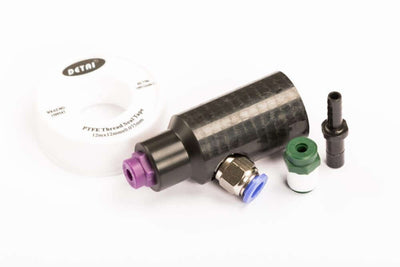
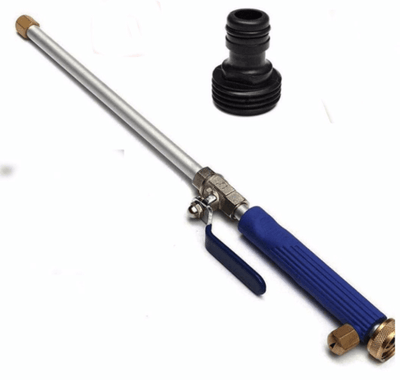
- Application pumps, hoses, tanks, reels, nozzles and dosing systems.
- PPE, including gloves, eye protection, suitable clothing and respiratory protection where required by the risk assessment and product information.
- Water, fuel, waste control and rinsing equipment.
- SDS files, labels and chemical storage arrangements.
If you are building or upgrading a professional setup, SoftWash UK’s soft washing equipment range is useful for understanding the types of pumps, injectors, nozzles and application tools used in trade work. Where sodium hypochlorite is appropriate for a job, contractors should only use it with proper training, correct handling and reference to the relevant SDS; SoftWash UK provides professional-grade sodium hypochlorite for soft washing for suitable applications.
Safety, Compliance and Professional Best Practice
Safe working is part of your price. If your quote does not allow enough time for safety controls, the job has been underpriced.
For UK softwashing work, contractors should consider:
- COSHH assessment for chemicals used.
- Manufacturer instructions, product label guidance and SDS information.
- Working at height regulations.
- Manual handling of containers and equipment.
- Protection of plants, ponds, pets and wildlife.
- Protection of metals, painted surfaces, glass and sensitive materials.
- Runoff control and drainage awareness.
- Public liability and employer’s liability insurance where applicable.
- Client communication before, during and after the work.
For chemical documentation, professional contractors should keep relevant softwash SDS sheets accessible and up to date. This is particularly important when working on commercial sites, schools, healthcare premises, managed residential blocks or anywhere a facilities manager may request evidence of safe systems.
Common Mistakes When Pricing Softwashing Jobs
Underpricing to Win the Job
Cheap pricing may win work quickly, but it rarely builds a strong business. If you underprice, you may rush preparation, use inadequate protection, avoid proper access equipment or fail to allow for callbacks. Professional clients notice this.
Ignoring Travel and Admin Time
A job that takes two hours on site may consume half a day once travel, quoting, invoicing, messages, loading and cleaning down are included. Build these costs into your minimum charge or day rate.
Using One Square Metre Rate for Everything
A flat m² rate can be dangerous if used without judgement. Ten square metres around a fragile planted courtyard may take longer than fifty square metres of open wall with easy access.
Not Charging for Access
Access is not a minor detail. Ladders, towers, MEWPs, harness planning, exclusion zones and extra operatives all change the risk and cost of the work.
Forgetting About Chemical Consumption
Heavy organic growth, porous surfaces and repeat applications can use more product than expected. If your price assumes ideal conditions every time, your margin will disappear.
Failing to Set Expectations
Softwashing results can vary depending on surface condition, staining depth, weather, contamination type and whether a treatment continues to work over time. Explain what the client should expect and include it in the quote.
Myths About Softwashing Prices
“Softwashing Is Cheaper Because It Is Low Pressure”
Low pressure does not mean low skill. Softwashing involves chemical knowledge, surface understanding, risk assessment and controlled application. The price reflects professional judgement as well as labour.
“The Chemical Cost Is the Main Cost”
Chemicals matter, but labour, access, travel, insurance, equipment, safety controls and overheads often make up most of the real cost.
“A Competitor’s Price Proves the Market Rate”
A competitor may be cheaper because they have lower overheads, less experience, fewer safety controls or a different finish standard. Price your work based on your costs, competence and service level.
“Every Green Wall Needs the Same Treatment”
Organic growth may look similar from a distance, but surfaces, coatings, staining and environmental risks differ. Correct diagnosis prevents damage and improves pricing accuracy.
How to Present Your Softwashing Quote Professionally
A clear quote builds confidence and reduces disputes. Instead of sending a vague text message, provide a written quotation that includes:
- The areas to be cleaned or treated.
- The method, described in plain English.
- Any exclusions, such as pre-existing staining, damaged render or inaccessible areas.
- Access requirements and client responsibilities.
- Plant, pet and vehicle instructions where relevant.
- Expected results and timescales.
- Price, VAT status and payment terms.
- Weather limitations and rescheduling conditions.
This approach is especially valuable for facilities managers and property maintenance clients, who often need to justify supplier selection internally. A professional quote can win work even when you are not the cheapest contractor.
When to Recommend Training Before Taking on Larger Jobs
If you are new to softwashing, do not learn pricing, chemical handling and risk management the hard way on a client’s property. Training helps you understand surfaces, product selection, application methods, plant protection, health and safety, and how to quote with confidence.
The full Soft Wash Training Course is designed for contractors who want a structured professional approach rather than relying on guesswork from social media groups. Better training often leads to better pricing because you understand what the job actually involves.
For contractors who want to build their knowledge before investing in full training, SoftWash UK offers a free course preview with selected lessons from the full training programme. It gives you a practical look at the teaching style, structure and professional approach used inside the course.
Frequently Asked Questions About Pricing Softwashing Jobs
How much should I charge for softwashing in the UK?
There is no universal rate because pricing depends on the surface, access, contamination, chemical system, location, risk and business costs. Many contractors use a minimum charge for small jobs and a square metre rate for larger areas, then adjust for difficulty, access and preparation. The correct price is the one that safely covers your labour, materials, overheads and profit.
Should I price softwashing by the hour or by the job?
For most professional work, pricing by the job is better because the client is buying a result, not just your time. However, day rates or hourly rates can be useful for uncertain commercial work, trials, maintenance visits or jobs where the scope may change. Even with fixed prices, you should calculate your expected hours internally.
Do I need a minimum charge for softwashing?
Yes, most contractors should have a minimum charge. Small jobs still involve travel, set-up, chemical handling, protection, equipment cleaning, insurance and administration. Without a minimum charge, small jobs can become unprofitable very quickly.
How do I price roof softwashing?
Roof softwashing should be priced using the roof area, access requirements, moss or organic growth level, treatment method, safety controls and runoff considerations. Working at height risk must be included. Roof work often requires more planning than wall cleaning, so do not price it using a basic ground-level square metre rate.
Should chemical cost be shown separately on the quote?
Usually, domestic clients prefer a clear total price rather than a detailed chemical breakdown. Commercial clients may request more detail, especially where RAMS, COSHH and SDS information is required. You should understand your chemical cost internally even if it is not itemised externally.
How do I deal with customers who say the price is too high?
Explain what is included: survey, preparation, safe application, plant protection, correct equipment, insurance, training, compliance, clean-up and aftercare advice. If the customer only compares the final number, they may not understand the risk and skill involved. Avoid cutting price unless you also reduce the scope in a clear and safe way.
Conclusion: Price for Safety, Skill and a Sustainable Business
Pricing softwashing jobs properly is about more than choosing a square metre rate. A professional quote should reflect the survey, surface type, contamination, access, chemical system, labour time, safety controls, compliance needs, overheads and profit required to deliver the work responsibly.
The contractors who build long-term businesses are rarely the cheapest. They are the ones who understand their costs, explain their methods clearly, manage risk properly and price with confidence. Whether you are quoting domestic render cleans, roof treatments, commercial cladding or planned maintenance work, your pricing should protect both the client’s property and your business.
SoftWash UK supports contractors with professional softwashing chemicals, equipment, training and industry education. If you want to improve your quoting, refine your methods or build a safer and more profitable exterior cleaning service, explore the SoftWash UK Knowledge Hub, training resources and product range for practical guidance developed around real UK softwashing work.