Using Sodium Hypochlorite Safely: A Practical Guide for UK Exterior Cleaning Professionals
Sodium hypochlorite can be used safely for softwashing and exterior cleaning when it is assessed, diluted, applied, controlled and rinsed correctly. The key is to treat it as a professional cleaning chemical rather than a general-purpose household bleach. That means using the correct PPE, following the Safety Data Sheet, carrying out a site-specific risk assessment, protecting people, pets, plants and watercourses, and never mixing it with incompatible chemicals.
For UK exterior cleaning contractors, property maintenance teams, facilities managers and serious DIY users, sodium hypochlorite is one of the most effective treatments for organic staining such as algae, lichen, mould, mildew and black biological growth on suitable exterior surfaces. It is also one of the products most likely to cause problems when used casually, over-strength, without surfactant control, or without proper site management.
This guide explains how to use sodium hypochlorite safely in real-world exterior cleaning, including PPE, dilution control, application methods, plant protection, legal considerations, storage, transport, common mistakes and best practice. If you are new to the chemistry, SoftWash UK’s Knowledge Centre article on What Is Sodium Hypochlorite is a useful starting point.
What Is Sodium Hypochlorite Used For in Exterior Cleaning?
Sodium hypochlorite, often shortened to “hypo” in the trade, is an oxidising cleaning agent used to break down organic contamination. In softwashing, it is commonly used on suitable exterior surfaces affected by:
- Green algae on render, walls, paths, roofs and cladding
- Black mould and mildew on masonry and painted surfaces
- Lichen spotting on stone, concrete, roof tiles and paving
- Organic staining on driveways, patios and commercial hardstanding
- Biofilm on gutters, fascias, signage and external fixtures
It is not a universal cleaner. It will not remove every stain, and it should not be treated as a substitute for rust removers, oil stain removers, acid cleaners or detergents designed for specialist soiling. It should also not be used on incompatible or sensitive materials without testing and proper judgement.
For a deeper explanation of the chemistry and why it is so effective on biological growth, read SoftWash UK’s guide to how sodium hypochlorite works.
Is Sodium Hypochlorite Safe?
Sodium hypochlorite is safe to use only when managed correctly. It is a hazardous chemical and can cause skin irritation, serious eye damage, respiratory irritation, surface damage, plant damage and harmful reactions if mixed with incompatible products. The difference between a professional result and a dangerous incident usually comes down to preparation, control and respect for the product.
In practical terms, safe use means:
- Reading and following the product label and Safety Data Sheet before use
- Completing a COSHH assessment and site-specific risk assessment
- Using appropriate personal protective equipment
- Diluting accurately and using the lowest effective concentration
- Preventing overspray, runoff and access by the public or animals
- Protecting plants, lawns, ponds, metals and sensitive surfaces
- Never mixing sodium hypochlorite with acids, ammonia or unknown chemicals
- Storing and transporting it securely in compatible containers
UK contractors should also understand the legal and compliance position. SoftWash UK’s Knowledge Centre page on sodium hypochlorite softwashing UK law explains the subject in more detail and is worth reading before using hypo commercially.
Key Hazards When Using Sodium Hypochlorite
Most sodium hypochlorite incidents in exterior cleaning are avoidable. In our experience, they usually happen because the operator rushed the job, used too strong a mix, failed to isolate the area, ignored nearby plants or mixed chemicals without understanding compatibility.
| Hazard | What Can Go Wrong | Best-Practice Control |
|---|---|---|
| Skin and eye contact | Burning, irritation or serious eye injury | Wear gloves, eye protection or face shield, suitable clothing and have clean water available |
| Inhalation | Respiratory irritation, coughing or exposure to chlorine gas if mixed incorrectly | Work in ventilated areas, avoid misting, never mix with acids or ammonia |
| Plant damage | Leaf scorch, grass yellowing, root stress or plant death | Pre-wet, cover where appropriate, control runoff and rinse thoroughly |
| Surface damage | Discolouration, streaking, corrosion or damage to sensitive coatings | Survey first, test patch, use correct dilution and avoid unsuitable materials |
| Environmental release | Contamination of drains, ponds, watercourses or soil | Block drains if needed, manage runoff and follow environmental guidance |
| Chemical incompatibility | Release of toxic gas or violent reaction | Never mix with acid cleaners, descalers, rust removers, ammonia or unknown products |
Essential PPE for Sodium Hypochlorite Softwashing
PPE should be selected from your risk assessment and the product Safety Data Sheet. For most exterior cleaning work involving sodium hypochlorite, the minimum practical PPE normally includes:
- Chemical-resistant gloves suitable for sodium hypochlorite
- Eye protection, goggles or a face shield where splashing is possible
- Long sleeves and chemical-resistant workwear or coveralls
- Waterproof boots with good grip
- Respiratory protection where mist, poor ventilation or spray drift presents a risk
- Access to clean water for emergency rinsing
Do not rely on ordinary work gloves, sunglasses or short-sleeved clothing. Sodium hypochlorite can wick into clothing, degrade fabrics and cause irritation if left in contact with the skin. Contractors should also carry spare gloves, emergency eyewash and a clean water supply on the vehicle.
Before You Start: Site Assessment and Planning
A safe sodium hypochlorite job starts before the chemical is mixed. A proper site survey will save time, reduce complaints and prevent damage. On commercial premises, schools, care homes, retail parks and managed blocks, this stage is particularly important because public access, drainage and duty of care are more complex.
Check the Surface and the Staining
Identify whether the contamination is organic before choosing sodium hypochlorite. Green algae, black mould and lichen usually respond well. Rust, oil, efflorescence, tannin staining, paint oxidisation and mineral deposits need different chemistry.
This is where many less experienced operators go wrong. They see a stain, reach for hypo, and then wonder why the mark remains. If the stain is iron, oil or mineral-based, sodium hypochlorite is unlikely to be the right solution and may make the job more difficult.
Identify Sensitive Materials
Always inspect for materials that could be damaged or discoloured, including:
- Untreated timber
- Lead, zinc, copper and aluminium
- Natural stone with unknown composition
- Painted finishes and powder-coated surfaces
- Textiles, awnings and outdoor furniture
- Artificial grass and decorative planting
- Ponds, water features and aquatic life
Carry out a test patch in an inconspicuous area and allow enough dwell time to judge the result properly. On older buildings, heritage surfaces or high-value properties, testing and documentation are essential.
Plan Access, Exclusion and Signage
Set up the work area before applying chemical. Use cones, barriers and signs to keep people away from wet surfaces and treated areas. On domestic jobs, speak to the homeowner about pets, children, windows, laundry, cars and garden furniture. On commercial jobs, agree a work window that reduces public exposure and avoids peak footfall.
For contractors who want a structured compliance starting point, SoftWash UK supplies a Risk Assessment and Method Statement pack for exterior cleaning, which can help standardise documentation and improve consistency across jobs.
Dilution: Use the Lowest Effective Strength
Professional sodium hypochlorite is commonly supplied at higher strength and diluted before application. For example, SoftWash UK supplies Sodium Hypochlorite for Soft Washing 14% to 15% for professional users who understand dilution, handling and site safety.
The correct working strength depends on the surface, level of growth, application method, dwell time, temperature and whether a surfactant is used. Do not guess. Do not assume that a roof mix is suitable for painted render or that a driveway mix is suitable for timber.
As a general softwashing principle, use the weakest solution that will do the job effectively. Stronger is not automatically better. Over-strength mixes increase risk to surfaces, plants, metals, operators and the environment.
Practical Dilution Considerations
- Calculate from the actual strength of the product, not what you hope it is.
- Remember that sodium hypochlorite degrades over time, especially when stored warm or in sunlight.
- Use clean water and compatible containers.
- Measure accurately rather than “glugging” chemical into a tank.
- Label mixed solutions clearly and do not leave unidentified chemical on site.
- Do not store mixed solutions longer than necessary.
SoftWash UK’s Knowledge Centre article on sodium hypochlorite 14/15 explains why professional-grade stock strength matters and why users need to understand available chlorine before mixing.
Why Surfactants Improve Safety and Control
A good surfactant helps sodium hypochlorite cling to the surface, wet the contamination more evenly and reduce rapid runoff. This can make the clean more controlled, especially on vertical render, cladding, roof tiles and textured masonry.
Surfactant is not just about foam. In practice, it can reduce waste, improve dwell time and help operators avoid repeatedly reapplying chemical because the first pass ran straight off the surface. SoftWash UK’s Clever Wash Surfactant is designed for softwashing applications where controlled adhesion and wetting are useful.
However, surfactant does not remove the need for plant protection, runoff control or correct dilution. A clinging mix can remain active for longer, so rinse planning and surface compatibility still matter.
Step-by-Step: Safe Sodium Hypochlorite Application
The exact method will vary by site, surface and product instructions, but the following process reflects a safe professional workflow for many exterior softwashing tasks.
- Survey the site. Identify the surface, type of staining, access issues, drainage, plants, pets, public access, electrical points and sensitive materials.
- Complete your risk assessment and COSHH checks. Review the Safety Data Sheet and confirm PPE, exclusion zones and emergency procedures.
- Prepare the area. Move vehicles, cover or relocate furniture, isolate access and protect vulnerable fixtures.
- Pre-wet plants and surrounding surfaces. Saturated foliage and soil are less likely to draw in chemical residues. Consider covering delicate planting where practical.
- Mix accurately. Use clean, compatible containers and measure the product. Avoid splashing and never mix with incompatible chemicals.
- Apply in a controlled manner. Use low-pressure softwash equipment, avoiding unnecessary airborne mist and overspray.
- Allow appropriate dwell time. Keep the surface wet enough for the chemistry to work, but do not allow uncontrolled drying on sensitive materials.
- Monitor runoff. Watch where the solution travels. Protect drains, lawns, borders, ponds and neighbouring property.
- Rinse where required. Rinse plants, metals, glass, painted surfaces and any areas where residue could cause damage.
- Inspect the result. Some organic staining lightens over time. Avoid unnecessary repeat applications if the treatment is still working.
- Clean down equipment. Flush pumps, hoses, lances and fittings according to manufacturer guidance to reduce corrosion and premature failure.
- Record the job. Note chemical used, dilution approach, site controls, weather conditions and any client advice given.
Application Methods: What to Use and When
Sodium hypochlorite should normally be applied at low pressure for softwashing. High-pressure spraying can create unnecessary mist, increase drift and force chemical into areas where it is not wanted.
| Method | Suitable Use | Safety Notes |
|---|---|---|
| Pump sprayer | Small areas, spot treatment, serious DIY use | Use compatible seals, avoid over-pressurising and rinse after use |
| Softwash pump system | Professional walls, roofs, paving and commercial sites | Control flow, minimise drift and flush equipment after use |
| Water-fed pole application | Controlled application to higher areas where suitable | Watch for runback, overspray and operator exposure |
| Injector system | Consistent dosing and repeatable professional application | Calibrate correctly and understand the final delivered strength |
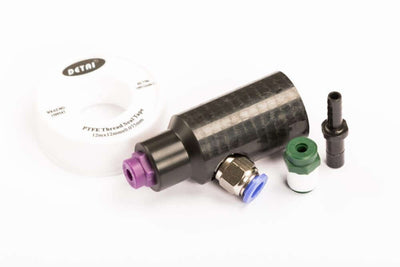
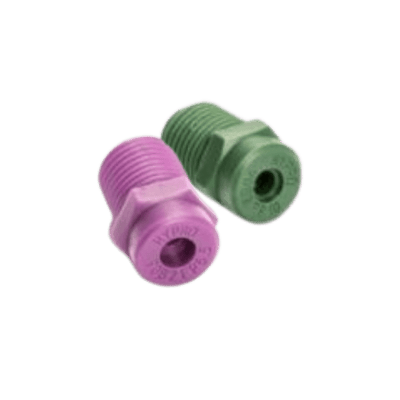
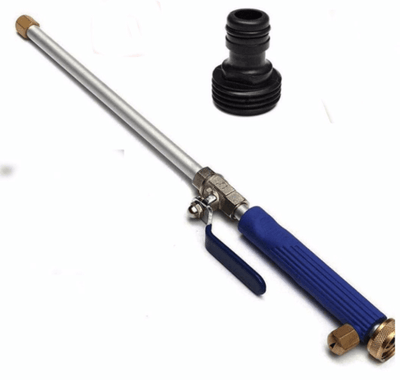
Contractors who are setting up professionally should explore suitable soft washing equipment rather than adapting unsuitable pressure washing kit. Correct equipment improves control, reduces waste and helps protect the operator.
Plant, Lawn and Environmental Protection
Plant protection is one of the biggest differences between an amateur and a professional softwashing job. Many complaints are not about the cleaned surface; they are about scorched borders, browned lawns or damaged shrubs two days later.
Practical Plant Protection Measures
- Water plants thoroughly before application.
- Use temporary covers for delicate plants, but do not leave them covered too long in hot weather.
- Assign a second person to rinse vegetation on larger jobs.
- Control runoff from roofs, render and walls into borders.
- Rinse leaves, stems and surrounding soil after treatment.
- Avoid applying during windy conditions where drift cannot be controlled.
- Never allow sodium hypochlorite to enter ponds or watercourses.
On sites with ornamental planting, fish ponds, vegetable beds or protected habitats, the method may need to change. Sometimes that means a different chemical approach, additional sheeting, temporary drainage control or postponing the job.
Sodium Hypochlorite Versus Biocide
Sodium hypochlorite and biocides are often discussed together, but they are not the same thing. Sodium hypochlorite typically gives quicker visible results on organic staining because it oxidises contamination. Certain biocides, such as DDAC-based products, are often used for longer-term residual control or on surfaces where a different approach is preferred.
| Product Type | Main Strength | Typical Limitation |
|---|---|---|
| Sodium hypochlorite | Fast visible action on organic staining | Needs careful surface, plant and runoff management |
| Biocide | Useful for ongoing biological control and slower weathering-in treatments | Results may take longer and depend on conditions |
Choosing between the two depends on the surface, client expectations, access, weather, environmental risk and the type of biological growth. For a more detailed comparison, see SoftWash UK’s guide to sodium hypochlorite vs biocide.
Common Mistakes and Myths
Myth 1: “Stronger Always Cleans Better”
Over-strength sodium hypochlorite can damage surfaces, increase corrosion risk, harm plants and create stronger fumes. A properly chosen weaker mix with good dwell time and surfactant control often performs better than a harsh, uncontrolled application.
Myth 2: “If It Smells Strong, It Must Be Working”
A strong chlorine smell is not a measure of cleaning performance. It may indicate poor control, excessive concentration, poor ventilation or reaction with contaminants. Professional users rely on correct dilution, dwell time and results, not smell.
Myth 3: “Household Bleach Is the Same as Professional Hypo”
Household bleach is normally much weaker and may contain additives not intended for exterior softwashing. Professional sodium hypochlorite must still be diluted and handled carefully, but it allows contractors to work with known stock strength and proper documentation.
Myth 4: “You Can Mix It With Other Cleaners for Extra Power”
This is dangerous. Sodium hypochlorite must never be mixed with acids, descalers, rust removers, ammonia-based products or unknown chemicals. Mixing incompatible chemicals can release toxic chlorine gas.
Myth 5: “Rain Will Rinse Everything Safely”
Rain is not a method statement. Weather can dilute, move or concentrate residues in unpredictable ways. Contractors must control the process, manage runoff and rinse where required.
Storage, Transport and Shelf Life
Sodium hypochlorite degrades over time, particularly when exposed to heat, sunlight and contamination. Old hypo can become weaker, which leads some operators to compensate by using more product. That is poor practice because the true strength becomes uncertain.
Store sodium hypochlorite:
- In original or compatible chemical containers
- Clearly labelled and upright
- Away from acids and incompatible chemicals
- Out of direct sunlight and excessive heat
- In a secure area away from children, pets and unauthorised users
- With suitable bunding or spill containment where appropriate
When transporting chemicals, secure containers properly and carry spill control materials. Contractors should understand their duties around chemical transport, storage, labelling and emergency response.
Documentation, Training and Professional Standards
If you use sodium hypochlorite commercially, documentation is not optional in practice. Clients, insurers, facilities managers and principal contractors may ask for evidence that you understand what you are using and how you control the risks.
Useful documents include:
- Safety Data Sheets
- COSHH assessments
- Risk assessments
- Method statements
- Training records
- Product labels and dilution records
- Emergency procedures
SoftWash UK provides Softwash SDS sheets to support safe chemical handling and product understanding. Contractors who want more structured professional development can also consider the Soft Wash Training Course, which covers safe methods, chemical selection, softwash systems and real-world application principles.
When Not to Use Sodium Hypochlorite
A professional knows when to walk away from a chemical approach or choose a different product. Sodium hypochlorite may not be suitable where:
- The staining is not organic
- There are unprotected ponds, streams or sensitive habitats nearby
- The surface is known to be incompatible or highly delicate
- Weather conditions make drift or runoff impossible to control
- The operator cannot safely access the area
- The client will not allow proper preparation, exclusion or plant protection
- You do not have the correct PPE, documentation or training
In these cases, reassess the method. That might mean a biocide treatment, manual removal, compatible detergent, specialist stain remover, postponed work or referral to a more experienced contractor.
Frequently Asked Questions
Can sodium hypochlorite be used for softwashing in the UK?
Yes, sodium hypochlorite can be used for softwashing in the UK when it is used responsibly, in accordance with relevant regulations, product instructions, Safety Data Sheets and site-specific risk assessment. Commercial users should understand COSHH, environmental protection and safe chemical handling requirements.
What PPE should I wear when using sodium hypochlorite?
At minimum, wear chemical-resistant gloves, suitable eye protection, protective clothing and waterproof footwear. Depending on the site and application method, respiratory protection may also be required. Always check the Safety Data Sheet and complete a risk assessment before use.
Can I mix sodium hypochlorite with other cleaning chemicals?
No, not unless you are following a manufacturer-approved system and fully understand chemical compatibility. Never mix sodium hypochlorite with acids, rust removers, descalers, ammonia or unknown products. Dangerous chlorine gas can be released.
Will sodium hypochlorite damage plants?
It can damage plants if overspray or runoff is not controlled. Pre-wet plants, cover delicate areas where appropriate, prevent concentrated runoff into borders and rinse thoroughly after treatment. Sensitive planting, ponds and lawns require extra care.
Is sodium hypochlorite suitable for all exterior surfaces?
No. It is effective on many suitable hard exterior surfaces affected by organic growth, but it can discolour or damage sensitive materials. Always survey the surface, check compatibility, test patch and use the lowest effective strength.
Does sodium hypochlorite remove black spots from patios?
Black spots caused by lichen often respond to sodium hypochlorite, but results depend on the surface, age of growth, porosity and dwell time. Some marks may need more than one controlled treatment or a different process. Avoid excessive strength or aggressive pressure that damages the surface.
Conclusion: Safe Hypo Use Is About Control, Not Guesswork
Sodium hypochlorite is a powerful and useful exterior cleaning chemical, but it must be treated with respect. Safe use depends on understanding the product, assessing the site, selecting the right dilution, protecting people and the environment, using suitable PPE and documenting your method.
The most professional contractors are not the ones using the strongest mix. They are the ones who can explain why they chose a method, how they controlled the risk and what steps they took to protect the client’s property.
If you want to improve your softwashing knowledge, select professional-grade products and work to safer standards, SoftWash UK can help. Explore our range of professional softwash chemicals, equipment and training resources, or visit the Softwashing Knowledge Hub for further practical guidance on responsible exterior cleaning.