Softwashing vs Pressure Washing Roof Tiles: Which Method Is Best?
For most UK roof tile cleaning projects, softwashing is usually the safer and more professional method than pressure washing. Softwashing uses controlled low-pressure application, suitable cleaning chemistry and dwell time to treat organic growth such as moss, algae, lichen and biofilm. Pressure washing relies on mechanical force, which can clean quickly but may damage roof tiles, strip protective surfaces, force water beneath laps and create unnecessary working-at-height risks.
That does not mean pressure washing has no place. On some robust surfaces and carefully selected roof types, a controlled rinse or specialist low-pressure washing approach may be appropriate. However, for clay tiles, concrete tiles, older roofs, listed buildings, fragile ridges, porous surfaces and commercial maintenance programmes, softwashing is generally the better long-term option when carried out correctly.
This guide is written for UK exterior cleaning contractors, property maintenance professionals, facilities managers and serious DIY users who want to understand the practical differences between softwashing and pressure washing roof tiles. It covers safety, surface protection, chemicals, equipment, workflow, common mistakes and when each method may or may not be suitable.
Quick Answer: Softwashing vs Pressure Washing Roof Tiles
| Factor | Softwashing Roof Tiles | Pressure Washing Roof Tiles |
|---|---|---|
| Cleaning method | Low-pressure application of cleaning solution to treat moss, algae, lichen and staining | High-pressure water force removes visible soiling and organic growth |
| Risk to roof tiles | Lower when products, dilution and process are correct | Higher, especially on older, porous, cracked or weathered tiles |
| Water ingress risk | Lower because pressure is controlled | Higher if water is driven beneath laps, flashings, vents or ridge details |
| Effect on organic growth | Treats the biological source and helps slow regrowth | Removes visible growth but may leave spores and roots in pores |
| Best suited to | Most domestic and commercial roof maintenance where safe access and correct chemistry are used | Selected robust surfaces where pressure is carefully controlled and the roof construction allows it |
| Professional preference | Often preferred for roof tiles due to lower mechanical impact | Used cautiously, usually as part of a broader cleaning system rather than the default method |
What Is Softwashing?
Softwashing is a controlled exterior cleaning method that uses low-pressure equipment and specialist cleaning solutions to treat biological growth and staining. Rather than blasting the surface, the process relies on chemistry, dwell time and proper rinsing or natural weathering to achieve a cleaner result.
On roof tiles, softwashing is commonly used after heavy moss has been removed by hand scraping or other low-impact mechanical methods. The softwash treatment then deals with remaining spores, algae, lichen and microscopic organic matter that pressure washing can leave behind.
In practical terms, a professional roof softwash may involve:
- Surveying the roof condition from the ground and, where safe, from access equipment.
- Identifying tile type, age, porosity, pitch and fragile areas.
- Clearing heavy moss deposits manually before chemical treatment.
- Protecting gutters, downpipes, vegetation, ponds, painted surfaces and sensitive materials.
- Applying a suitable roof cleaning product at low pressure.
- Allowing the correct dwell time without letting the surface dry too quickly where that would affect performance.
- Rinsing where required, or allowing approved treatments to continue working over time in line with product guidance.
What Is Pressure Washing?
Pressure washing uses a pump to deliver water at high pressure through a lance, nozzle or rotary cleaning head. It can be effective on hard surfaces such as concrete yards, some paving, plant rooms, loading areas and heavily soiled industrial surfaces. On roof tiles, however, the risk profile changes significantly.
Roof tiles are not designed to be blasted upwards or sideways at close range. Many roofs rely on overlapping tile courses, underfelt, flashings, verges and ridges working together as a weathering system. High-pressure water can disturb that system if used incorrectly.
For a broader overview of the general comparison, SoftWash UK’s Knowledge Centre article on softwashing vs pressure washing explains how the two methods differ across exterior surfaces.
Why Roof Tiles Need a Different Approach
Roof cleaning is not the same as cleaning a patio. Roofs are elevated, pitched, exposed to weather and part of the building’s waterproofing envelope. A mistake can cause water ingress, broken tiles, damaged pointing, blocked gutters, stained elevations or safety incidents.
Common UK roof tile types
Before choosing a cleaning method, identify the roof covering. Common UK roof materials include:
- Concrete roof tiles: Common on post-war and modern properties. They can become porous and weathered with age.
- Clay roof tiles: Often found on older homes and heritage-style properties. Some are brittle and can crack under foot traffic or aggressive washing.
- Slate: Natural slate and fibre cement slate require particular care. Pressure washing can lift edges, damage fixings and force water beneath laps.
- Stone tiles: Found in some regions and heritage buildings. Usually require specialist assessment.
- Artificial or coated tiles: Some have surface coatings that may be affected by pressure or unsuitable chemicals.
A contractor should never assume a roof is safe to clean simply because it “looks solid” from the ground. Missing nibs, cracked tiles, degraded underfelt, loose ridge tiles and blocked valleys are common findings during roof surveys.
Softwashing Roof Tiles: Practical Advantages
Lower mechanical impact
The biggest advantage of softwashing roof tiles is that it avoids unnecessary force. Low-pressure application reduces the risk of dislodging tiles, opening up joints, removing surface layers or driving water into the roof structure.
Better treatment of organic growth
Moss and algae are biological problems. Pressure washing removes what you can see, but the roots, spores and staining often remain in the pores and overlaps. Professional softwashing targets the biology more effectively, which is why results often continue improving after the treatment.
If clients ask how long does softwashing last, the honest answer depends on roof aspect, tree cover, tile porosity, local climate, air pollution and maintenance frequency. North-facing roof slopes under trees will usually regrow faster than open, south-facing elevations. A realistic maintenance plan is better than promising a roof will stay clean indefinitely.
Less water volume and less mess
Pressure washing roofs can generate a large amount of contaminated runoff, dislodged moss and dirty overspray. This can stain walls, windows, conservatories, neighbouring properties and garden features. Softwashing still requires runoff control, but the process is generally more controlled when planned correctly.
Useful for planned maintenance
Facilities managers often prefer softwashing because it suits planned building maintenance. Rather than waiting until moss is falling into gutters and drains, a softwashing programme can keep biological growth under control with less disruption.
Pressure Washing Roof Tiles: Where the Risks Increase
Pressure washing roof tiles is not automatically wrong, but it is often overused by inexperienced operators. The problem is not just the machine; it is the combination of high pressure, poor technique, wrong nozzle selection, unsafe access and failure to understand roof construction.
Damage to tile surfaces
Concrete tiles often have a weathered surface, and aggressive pressure washing can remove more than dirt. It may strip away the top layer, increase porosity and make the tile more prone to absorbing moisture and dirt in future.
Water ingress
High-pressure water can be forced beneath tile laps, into vents, around flashings and through weak points. This is particularly problematic where underfelt is torn, degraded or absent in older properties.
Broken tiles and disturbed pointing
Roof tiles may already be cracked or poorly fixed. Walking on the roof with heavy equipment, dragging hoses over ridges and using lance pressure at awkward angles can worsen existing defects. Ridge pointing, mortar verges and leadwork can also be disturbed.
Short-lived cosmetic results
A pressure washed roof can look dramatic on the day. However, if the biological contamination has not been treated, green algae and black staining may return sooner than expected. That can lead to disputes when the client expected a longer-lasting result.
When Softwashing Is Usually the Better Choice
Softwashing is generally preferred for roof tiles when:
- The roof is older, weathered or visibly porous.
- The client wants treatment of algae, lichen and moss spores, not just surface removal.
- There is a risk of water being driven under tiles by pressure washing.
- The property has delicate details such as leadwork, timber cladding, painted render or heritage features.
- The site requires controlled runoff management.
- The job forms part of a planned facilities maintenance programme.
- The contractor wants to reduce mechanical damage risk and work to a more professional specification.
For many contractors, the question is not whether softwashing better than pressure washing in every situation. The better question is: which method gives the required clean while causing the least risk to the roof, the property, the occupants and the environment?
When Pressure Washing May Be Considered
Pressure washing may be considered in limited circumstances, but only after a proper roof inspection and method statement. For example, there may be some robust commercial roof surfaces or specific tile types where a very controlled pressure rinse is acceptable as part of a broader process.
If pressure washing is used on roof tiles, best practice includes:
- Using the lowest effective pressure, not the highest available setting.
- Avoiding upward spray angles beneath tile laps.
- Keeping the nozzle at a safe distance from the surface.
- Avoiding damaged, loose, cracked or friable tiles.
- Protecting gutters, valleys, roof windows, vents and electrical equipment.
- Using safe access systems rather than standing on fragile or wet roof areas.
- Following up with a suitable biocidal treatment where appropriate.
In practice, many professional contractors now use pressure washing sparingly on roofs and rely more heavily on manual moss removal, low-pressure application systems and specialist cleaning chemistry.
Roof Softwashing Step-by-Step: A Practical Workflow
The exact method depends on the roof, product and site conditions, but the following workflow reflects a professional approach used by experienced exterior cleaners.
1. Survey the roof and surrounding site
Start with a visual inspection. Use binoculars, drone imagery where appropriate, roof plans or safe access inspection. Look for cracked tiles, loose ridges, degraded mortar, blocked valleys, fragile rooflights, overhead cables, solar panels, conservatories, ponds and sensitive planting.
For commercial sites, also consider pedestrian management, tenant communication, car parking, exclusion zones, opening hours and water access.
2. Choose the correct access method
Working at height is one of the biggest risks in roof cleaning. Ladders may be suitable for inspection or short-duration access, but they are not automatically suitable for cleaning work. Depending on the site, you may need scaffold, a mobile elevated work platform, tower access, roof ladder systems or rope access specialists.
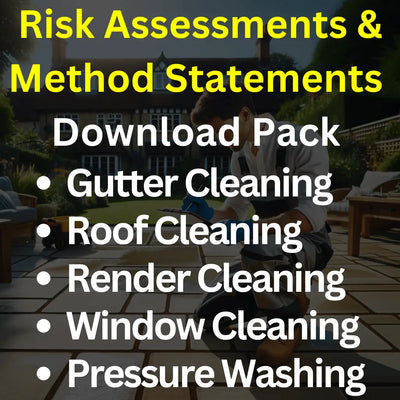
Always follow the Work at Height Regulations and produce a site-specific risk assessment. SoftWash UK supplies professional support resources such as the Risk Assessment and Method Statement pack for exterior cleaning, which can help contractors structure safer documentation rather than relying on generic paperwork.
3. Remove heavy moss safely
Heavy moss should usually be removed before applying a treatment. This can be done with appropriate scraping tools, brushes or roof-specific removal systems that match the tile profile. Avoid aggressive scraping that chips tile edges or damages coatings.
Collect waste wherever practical. Do not simply push large amounts of moss into gutters and downpipes. Blocked drainage can cause water damage and client complaints.
4. Protect sensitive areas
Before applying any cleaning solution, consider what could be affected by overspray or runoff. Protect plants, lawns, ponds, painted surfaces, metals, leadwork, timber, glass, garden furniture, vehicles and neighbouring property.
Good practice may include pre-wetting vegetation, diverting downpipes, using gutter socks or containment, sheeting delicate areas, rinsing after application and having clean water available at all times.
5. Apply the softwash treatment at low pressure
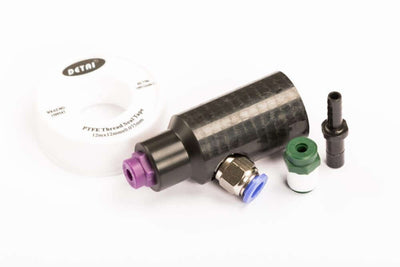
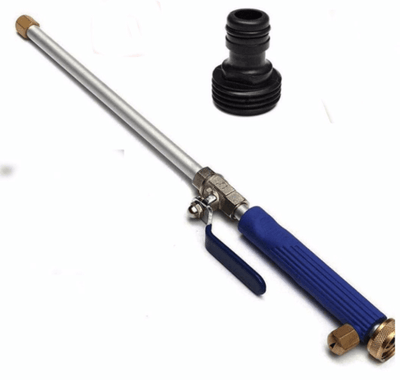
Use equipment designed for controlled application rather than trying to improvise with unsuitable pressure washing attachments. SoftWash UK’s range of soft washing equipment includes options for low-pressure delivery, controlled dosing and safer application.
The product choice should be based on the roof condition, target contamination and manufacturer guidance. For roof moss and organic staining, a product such as Clean Guard Pro roof moss killer and cleaner may be relevant where the specification and site conditions suit. Always read the label, safety data sheet and application guidance before use.
6. Allow suitable dwell time
Dwell time matters. If a product is rinsed too quickly, it may not work properly. If it dries too fast in hot sun or windy conditions, results may be inconsistent. Plan roof treatments around weather, temperature, wind direction and rainfall risk.
7. Rinse or leave according to the product specification
Some treatments require rinsing; others continue working over time. Do not guess. Follow the product instructions and your method statement. Where rinsing is required, use controlled low pressure and avoid forcing water beneath tiles.
8. Final inspection and client handover
Photograph the completed areas, note any pre-existing roof defects and explain what the client should expect. With softwashing, results can improve over days, weeks or months as dead organic matter weathers away. Setting expectations is part of professional service delivery.
Chemicals Used for Roof Softwashing
Roof softwashing chemistry should always be selected responsibly. The correct product, dilution, application method and control measures matter more than simply choosing the strongest chemical available.
SoftWash UK’s Knowledge Centre guide to softwashing chemicals explains the main types of products used in professional softwashing and how they relate to different cleaning tasks.
For contractors, the key points are:
- Use professional products designed for exterior cleaning applications.
- Follow the manufacturer’s instructions and Safety Data Sheets.
- Never mix chemicals unless the manufacturer specifically states it is safe to do so.
- Consider nearby watercourses, drains, ponds and vegetation.
- Wear appropriate PPE including eye protection, gloves and suitable clothing.
- Store, transport and dispose of chemicals in line with UK regulations and supplier guidance.
SoftWash UK supplies a range of professional softwash chemicals for contractors who need products supported by industry guidance, application knowledge and safety documentation.
Softwashing vs Pressure Washing Roof Tiles: Cost, Time and Client Expectations
| Consideration | Softwashing | Pressure Washing |
|---|---|---|
| Initial visual impact | Can be immediate, but some results improve gradually | Often gives an immediate dramatic clean |
| Time on site | May require careful preparation, protection and dwell time | Can be quick on simple surfaces but slower when access and damage control are considered |
| Long-term results | Often better for treating organic regrowth when correctly specified | Can be short-lived if spores and biofilm are not treated |
| Risk allowance in quote | Focused on access, protection, chemical control and treatment process | Must allow for higher risk of water ingress, breakage and cleanup |
| Client education required | Important because results may continue developing after treatment | Important because immediate appearance may not mean long-term biological control |
When quoting, avoid selling roof cleaning purely by square metre rate. A small terraced roof over a conservatory with limited access may be more complex than a larger but straightforward commercial elevation. Price the job based on risk, access, preparation, waste handling, treatment specification, insurance, training and time.
Common Mistakes When Cleaning Roof Tiles
Using pressure as the first answer
Many roof cleaning problems are biological, not just dirt-related. Reaching straight for a high-powered pressure washer may create a clean-looking surface while leaving the underlying growth problem untreated.
Ignoring roof condition
A roof that looks acceptable from the pavement may have cracked tiles, weak mortar and fragile sections. Document defects before work begins and communicate them to the client.
Poor runoff control
Chemical runoff and dirty water must be managed. Gutters, downpipes, drains, gardens and neighbouring properties need attention. This is especially important on commercial sites and properties with public access.
Overpromising instant results
Softwashing often delivers a progressive clean. Lichen and black staining may take time to weather away. Contractors should explain this before the job starts, not after the client questions the result.
Working without proper documentation
Risk assessments, method statements, COSHH assessments, SDS sheets, insurance and training records are not just paperwork. They protect workers, clients and businesses. Facilities managers will often ask for these documents before allowing work to proceed.
Roof Cleaning Myths Contractors Still Hear
Myth 1: “Pressure washing is fine if the tiles are concrete”
Concrete tiles can still be damaged. Age, porosity, surface condition and fixing method all matter. Some older concrete tiles are far more vulnerable than they appear.
Myth 2: “Softwashing is just spraying chemicals”
Professional softwashing is a controlled cleaning system. It involves survey, access planning, chemistry selection, dilution, dwell time, protection, runoff control, PPE, documentation and client management.
Myth 3: “A roof must look perfect on the same day”
Some roof treatments continue working over time. A professionally explained gradual result is better than damaging the roof to achieve an instant but short-lived cosmetic clean.
Myth 4: “If moss is removed, the job is finished”
Removing moss is only part of the job. Spores, algae and lichen can remain. Treatment helps reduce regrowth and improves the longevity of the clean.
Safety and Compliance Notes for UK Roof Cleaning
Roof cleaning combines working at height, chemical handling, manual work, public protection and environmental responsibility. Contractors should take safety seriously on every job, even small domestic projects.
- Carry out a site-specific risk assessment before starting work.
- Use suitable access equipment and avoid unsafe ladder work.
- Consider exclusion zones for pedestrians, tenants, residents and vehicles.
- Check wind conditions before spraying any solution.
- Use appropriate PPE for the task and product.
- Follow COSHH requirements when using cleaning chemicals.
- Keep Safety Data Sheets available on site.
- Prevent contamination of ponds, streams, surface water drains and sensitive planting.
- Document pre-existing roof defects with photographs.
For contractors who want to build their knowledge before investing in full training, SoftWash UK offers a free course preview with selected lessons from the full training programme. It gives you a practical look at the teaching style, structure and professional approach used inside the course.
Choosing the Right Method for a Roof Tile Cleaning Job
Use the following decision process before recommending softwashing or pressure washing.
- Identify the roof material: Concrete, clay, slate, stone, coated tile or another surface.
- Assess condition: Look for cracks, loose tiles, friable surfaces, damaged ridges and signs of water ingress.
- Identify contamination: Moss, algae, lichen, soot, dirt, bird fouling, staining or a mixture.
- Review access: Decide whether the job can be done safely from scaffold, MEWP, tower, roof ladder or other suitable system.
- Consider surroundings: Gardens, ponds, conservatories, public paths, neighbouring houses and fragile materials.
- Select the lowest-risk effective method: In many cases this will be manual moss removal followed by softwashing.
- Prepare documentation: RAMS, COSHH, SDS, insurance details and client sign-off where appropriate.
- Set expectations: Explain whether results will be immediate, progressive or require follow-up maintenance.
Contractors who regularly quote roof cleaning work may also benefit from structured training. The SoftWash UK training course is designed to help exterior cleaners understand professional softwashing systems, safer working practices, product selection and business processes.
Frequently Asked Questions
Is softwashing safe for roof tiles?
Softwashing can be safe for many roof tiles when carried out by a trained person using the correct product, dilution, application method and protection measures. The roof must be surveyed first, and fragile or damaged tiles should be identified before work begins. Softwashing is generally lower risk than high-pressure washing because it uses controlled low pressure rather than force.
Can pressure washing damage roof tiles?
Yes. Pressure washing can damage roof tiles, especially older concrete tiles, clay tiles, slate, weathered surfaces and roofs with weak mortar or hidden defects. It can strip the surface, force water underneath tiles, disturb pointing and create unnecessary water ingress risk if used incorrectly.
Do you need to scrape moss before softwashing?
Heavy moss is usually removed before softwashing. The treatment is then used to deal with remaining spores, algae, lichen and biofilm. Applying a roof treatment over thick moss without removal can reduce effectiveness and leave too much organic waste to wash into gutters.
How long does roof softwashing take to work?
Some results are visible quickly, especially on algae and green staining. Lichen and black staining may take longer and can continue to improve over several weeks or months as weather helps the dead growth release from the tile surface. Contractors should explain this clearly before starting work.
Is roof softwashing suitable for commercial properties?
Yes, softwashing is often suitable for commercial roof maintenance where access, safety, runoff control and documentation are properly managed. Facilities managers usually require RAMS, COSHH information, insurance, safe systems of work and clear scheduling to minimise disruption.
Can serious DIY users softwash their own roof?
Some serious DIY users may be capable of low-level exterior cleaning, but roof work is high risk. Working at height, chemical handling and runoff control all require competence. If there is any doubt, use a trained contractor. DIY users should never walk on fragile roofs or use chemicals without understanding the safety data and legal responsibilities.
Conclusion: For Roof Tiles, Softwashing Is Usually the Smarter Professional Choice
When comparing softwashing vs pressure washing roof tiles, the best method is the one that cleans effectively while protecting the roof system. For most UK roof tile cleaning work, that points towards a softwashing-led approach: careful survey, safe access, manual moss removal where needed, controlled chemical treatment, proper protection and clear client communication.
Pressure washing can appear faster and more dramatic, but on roof tiles it often carries higher risks. It can damage surfaces, force water into the building and give short-lived results if the biological contamination is not properly treated. Experienced contractors know that roof cleaning is not about using the most force; it is about using the right method for the surface, the building and the client’s expectations.
SoftWash UK supports contractors, maintenance professionals and serious learners with professional softwashing chemicals, equipment, training and educational resources. If you are developing a roof cleaning service or improving your existing process, explore the SoftWash UK Knowledge Centre, product range and training options to build safer, more consistent and more professional roof softwashing systems.