The Biggest Mistakes New Softwash Contractors Make
The biggest mistakes new softwash contractors make are usually not caused by a lack of ambition. They are caused by poor chemical understanding, weak risk assessment, under-priced jobs, unsuitable equipment, rushed application, poor customer communication and not investing in proper training before taking on live work.
Softwashing is not simply “spray and walk away”. Done properly, it is a controlled exterior cleaning process that uses the correct cleaning solution, dwell time, application method and safety controls to treat organic growth, staining and contamination on roofs, render, stone, paving, cladding, timber and other exterior surfaces. Done badly, it can damage property, kill plants, create health and safety issues, upset customers and cost a contractor far more than the job was worth.
This guide explains the most common softwashing mistakes we see new UK contractors make, why they happen, and how to avoid them. It is written for exterior cleaners, property maintenance professionals, facilities managers and serious DIY users who want to work safely, quote properly and deliver consistent results.
Quick Summary: The Most Common Softwashing Mistakes
| Mistake | What Usually Goes Wrong | Professional Approach |
|---|---|---|
| Using chemicals without understanding them | Surface damage, plant damage, poor results or unsafe working | Understand dilution, dwell time, compatibility, SDS information and COSHH requirements |
| Skipping risk assessments | Uncontrolled hazards, insurance issues and unsafe site practice | Use proper RAMS, site checks, PPE planning and method statements |
| Quoting too cheaply | Jobs become unprofitable and corners get cut | Price for time, chemicals, access, protection, travel, insurance and risk |
| Using the wrong equipment | Uneven coverage, wasted chemical, unsafe application or breakdowns | Use professional softwashing equipment matched to the work |
| Over-promising results | Customer complaints when stains, lichen spots or weathering remain | Explain the difference between organic growth, staining, oxidation and permanent damage |
| Not getting trained | Trial-and-error learning on customers’ properties | Build practical knowledge before taking on complex or high-risk jobs |
1. Treating Softwashing Like Pressure Washing With Chemicals
One of the first mistakes new contractors make is assuming softwashing is just pressure washing with a chemical pre-treatment. It is not. Softwashing is a chemical-led cleaning process, while pressure washing is a mechanical cleaning process.
Pressure washing relies mainly on force. Softwashing relies on chemistry, contact time, surface knowledge and controlled rinsing. There are times when both methods can be used together, but they are not interchangeable.
Why this matters on real jobs
On a painted render elevation, too much pressure can mark the coating or force water behind defects. On a roof, aggressive pressure washing can dislodge tiles, damage pointing and disturb the surface. On delicate stone, high pressure can open the surface and make future contamination worse.
Softwashing allows the contractor to treat organic growth such as algae, mould, mildew, lichen and biofilm with less mechanical force. However, the result depends on using the right product, at the right strength, with the right dwell time and controls.
| Method | Main Cleaning Action | Best Used For | Key Risk |
|---|---|---|---|
| Softwashing | Chemical treatment and controlled rinsing | Organic growth on render, roofs, stone, cladding and exterior surfaces | Poor chemical control or insufficient surface protection |
| Pressure washing | Mechanical force | Hard surfaces such as some paving, concrete and heavily soiled areas | Surface damage from excessive pressure |
| Combined approach | Chemical treatment plus controlled mechanical cleaning | Driveways, patios, some commercial surfaces and heavy contamination | Using both methods without a plan |
2. Poor Chemical Knowledge
Chemical misunderstanding is probably the most serious softwashing mistake. New contractors often focus on “what strength should I use?” without understanding what they are treating, what surface they are working on, what the weather is doing, and what the risks are nearby.
A professional contractor should understand the difference between oxidising biocidal cleaners, quaternary ammonium-based treatments, surfactants, stain removers, degreasers and specialist products. Not every mark on a building is algae, and not every stain should be treated with the same product.
Common chemical mistakes
- Using sodium hypochlorite too strong because “stronger must be better”.
- Applying chemicals in direct sunlight and allowing them to dry on the surface.
- Failing to pre-wet and protect plants, lawns, metals and sensitive finishes.
- Mixing products without understanding compatibility and safety implications.
- Ignoring Safety Data Sheets and label instructions.
- Using the same solution on render, timber, natural stone, roofs and painted surfaces without assessment.
SoftWash UK supplies a range of professional soft wash chemicals, but product choice should always be based on the surface, contamination type, risk level and manufacturer guidance. For example, a biocidal treatment may be suitable for long-term control of organic growth, while a specialist stain remover may be required for rust, oil, lead staining or timber discolouration.
Best-practice chemical checks before application
- Identify the surface material and any coating present.
- Identify the contamination: algae, lichen, moss, carbon staining, rust, oil, tannin, efflorescence or weathering.
- Check surrounding risks, including plants, watercourses, pets, pedestrians, vehicles and nearby metals.
- Read the Safety Data Sheet and product guidance before use.
- Carry out a small test patch in an inconspicuous area.
- Control dilution, dwell time and rinsing rather than guessing.
3. Skipping Risk Assessment, COSHH and Documentation
New contractors sometimes see paperwork as an inconvenience. In reality, good documentation protects you, your customer, your staff and the public. On commercial sites, facilities managers will often expect to see RAMS, COSHH assessments, insurance documents and product data before work begins.
Even on domestic work, a basic risk assessment helps you spot hazards such as slippery surfaces, poor access, fragile roofs, open drains, ponds, neighbouring property, electrical fittings, public footpaths and vulnerable planting.
For contractors who want a practical starting point, the Risk Assessment and Method Statement pack for exterior cleaning can help structure site-specific planning and professional documentation. It does not replace your responsibility to assess each job properly, but it gives a useful framework for working more professionally.
Safety documentation new contractors should understand
- Risk assessment: identifies hazards, who may be harmed and how risks will be controlled.
- Method statement: explains how the work will be carried out safely.
- COSHH assessment: covers the control of substances hazardous to health.
- Safety Data Sheets: provide product hazards, PPE guidance, first aid, transport and storage information.
- Emergency plan: covers spills, accidental exposure, plant damage, public contact and wash-off issues.
Contractors should also keep suitable softwash SDS sheets available and make sure operatives understand them. It is not enough to store documents in a van folder if nobody on site knows what they mean.
4. Underestimating Plant, Metal and Surface Protection
Many complaints in softwashing come from preventable protection failures. New contractors are often so focused on the wall, roof or paving that they forget what is underneath, beside or behind the work area.
Plants, lawns, ponds, powder-coated aluminium, lead flashing, untreated timber, electrical fittings, painted details and decorative metals all need careful consideration. A good contractor plans protection before any chemical is mixed.
Practical protection steps
- Walk the site and identify sensitive areas before unloading equipment.
- Move garden furniture, pots and vehicles where possible.
- Pre-wet nearby plants and lawns thoroughly.
- Use sheeting, gutter bagging or controlled collection where appropriate.
- Apply cleaning solution carefully, avoiding overspray.
- Keep a water supply ready for immediate rinse-down.
- Rinse vulnerable areas again after treatment.
Protection is not just about avoiding damage. It also gives the customer confidence that you know what you are doing. Facilities managers and property owners notice when a contractor turns up with a controlled process rather than just a drum and a sprayer.
5. Buying Cheap or Unsuitable Equipment
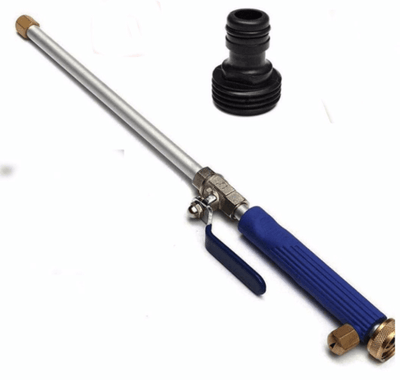
Softwashing equipment does not need to be over-complicated, but it does need to be fit for purpose. A common mistake is building a system from random parts without considering chemical compatibility, flow rate, reach, operator control or maintenance.
Some new contractors start with garden sprayers or low-quality pumps and quickly discover they are slow, inconsistent and unreliable on professional work. Others go too far the other way and buy complex equipment before they understand their market.
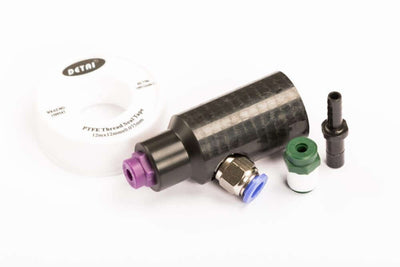
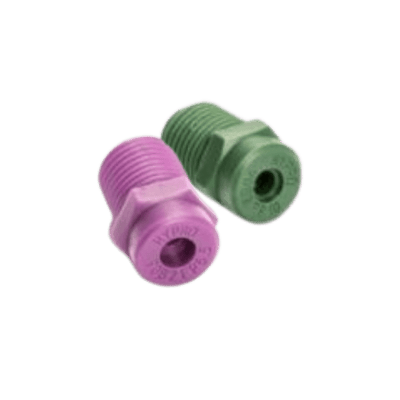
The right setup depends on the type of work you do. A contractor cleaning domestic render may need a different arrangement from a team treating large commercial cladding or roof areas. SoftWash UK’s range of soft washing equipment is useful for comparing application options, pumps, nozzles and accessories designed for exterior cleaning work.
Equipment points new contractors often miss
- Chemical compatibility of pumps, seals, hoses and fittings.
- Ability to control spray pattern and avoid drift.
- Safe access and reach from ground level where possible.
- Accurate dosing and mixing where controlled dilution is required.
- Clean water availability for rinsing and emergency use.
- Maintenance routines after using corrosive or reactive products.
6. Quoting Jobs Without Understanding the True Cost
New softwash contractors often under-price work to win jobs. This can be tempting when building a customer base, but it quickly becomes a problem. If the job is priced too low, there is no room for proper preparation, protection, dwell time, rinsing, travel, insurance, waste management or unexpected issues.
Under-pricing also attracts the wrong type of customer. If you sell only on being cheap, you encourage price shoppers rather than customers who value safe, professional work.
What should be included in a softwashing quote?
- Site survey time and access assessment.
- Surface type, condition and contamination level.
- Chemical cost and expected usage.
- Labour time, including protection and clean-down.
- Equipment wear, PPE and maintenance.
- Travel, parking and water access.
- Insurance, training, admin and business overheads.
- Risk level, including working near the public or sensitive areas.
- Follow-up visits or delayed results where relevant.
A professional quote should also manage expectations. For example, black lichen on paving may lighten over time after treatment but may not disappear instantly. Render staining may include oxidation, mineral staining or paint failure, not just organic growth. Roof moss treatment may involve a staged process rather than a perfect same-day visual result.
7. Over-Promising and Under-Explaining Results
Softwashing can deliver excellent results, but it is not magic. New contractors sometimes promise “like new” outcomes on surfaces that are weathered, stained, oxidised, damaged or poorly maintained.
This creates disputes because the customer expected restoration, while the contractor was actually providing cleaning or biocidal treatment.
Explain these differences clearly
- Organic growth: algae, mould, moss and lichen that can often be treated effectively.
- Staining: marks from rust, lead, tannins, oil, pollution or minerals that may need specialist treatment.
- Weathering: natural ageing, UV damage or surface erosion that cleaning cannot reverse.
- Coating failure: peeling paint, blown render or failed sealers that need repair rather than cleaning.
- Etching or damage: permanent marks caused by previous cleaning, chemicals or environmental exposure.
Before and after photos are valuable, but so are “before and realistic expectation” conversations. Tell the customer what should improve, what may remain, and what might take days or weeks to fully change after treatment.
8. Not Testing Before Treating the Whole Surface
Test patches are one of the simplest ways to avoid costly mistakes. Yet many new contractors skip them because they are in a hurry or feel confident after watching videos online.
A test patch can reveal whether a surface is sensitive, whether a coating reacts poorly, whether staining is organic or non-organic, and whether the chosen dilution is appropriate. This is especially important on coloured render, painted masonry, soft stone, timber, metals and any surface where the history is unknown.
How to carry out a practical test patch
- Choose a small, discreet area that represents the surface condition.
- Photograph the area before treatment.
- Apply the proposed solution at the intended dilution.
- Control dwell time and keep the area from drying out where required.
- Rinse or neutralise according to the product guidance.
- Allow sufficient time to assess the result, especially with biocidal treatments.
- Record what was used, at what strength, and the outcome.
9. Poor Weather Judgement
Weather affects softwashing more than many beginners realise. Wind increases drift risk. Sun and heat can dry chemicals too quickly. Heavy rain can dilute or wash away treatment before it has worked. Cold conditions can slow down reactions and make surfaces stay wet and slippery for longer.
Good contractors check the weather before the job and continue assessing conditions on site. If conditions change, the method may need to change too.
Weather-related mistakes to avoid
- Spraying near roads, cars or neighbouring gardens in windy conditions.
- Applying solution to hot render in direct sunshine.
- Treating roofs when rain is due before the product has had suitable contact time.
- Ignoring runoff routes during heavy showers.
- Working on slippery surfaces without suitable access controls.
10. Ignoring Training and Learning by Trial and Error
The most expensive way to learn softwashing is by making mistakes on customers’ properties. Online videos and social media groups can be useful, but they are not a substitute for structured training, product knowledge and safe working practice.
Professional training helps new contractors understand chemical handling, surface identification, application methods, equipment setup, risk assessment, quoting and customer communication. It also gives a framework for making decisions on site rather than guessing.
SoftWash UK provides a dedicated soft wash training course for contractors who want to build a more professional foundation. Training is particularly valuable if you are moving from window cleaning, pressure washing, roof cleaning, grounds maintenance or general property maintenance into chemical-led exterior cleaning.
11. Failing to Build a Repeatable Job Process
Good softwashing businesses do not rely on memory or improvisation. They use a repeatable process that can be followed on domestic and commercial jobs. This reduces risk, improves consistency and makes it easier to train staff as the business grows.
A simple professional softwashing workflow
- Initial enquiry: collect photos, location, surface type and customer expectations.
- Site survey: assess access, hazards, drainage, plants, public areas and surface condition.
- Method selection: choose suitable product, equipment, dilution, dwell time and rinsing method.
- Quote: provide clear scope, exclusions, realistic outcome and payment terms.
- Documentation: prepare RAMS, COSHH and product information where needed.
- Pre-start checks: inspect weather, water supply, PPE, equipment and protection measures.
- Application: apply carefully, monitor dwell time and prevent drying or overspray.
- Rinse or leave-on treatment: follow product guidance and site requirements.
- Final inspection: check surfaces, plants, windows, gutters, drains and surrounding areas.
- Customer handover: explain results, aftercare and any delayed action.
For further educational resources, contractors can also explore the SoftWash UK Knowledge Hub, which is designed to support safer, better-informed exterior cleaning decisions.
Common Softwashing Myths That Cause Problems
Myth 1: Stronger chemical always gives a better clean
Stronger chemical can increase risk without improving the final result. Surface type, contact time, temperature, contamination and rinsing all matter. Correct application is more important than simply increasing strength.
Myth 2: If it does not clean instantly, it has failed
Some treatments continue working after application, especially biocidal treatments on organic growth. Contractors must explain expected timeframes clearly so customers understand what should happen.
Myth 3: Softwashing is always safe because it is low pressure
Low pressure reduces mechanical damage, but chemicals still require control. Chemical exposure, runoff, overspray, plant protection and public safety must be managed properly.
Myth 4: One product can clean every exterior surface
Different surfaces and stains need different approaches. A product suitable for algae on render may not be suitable for rust staining, oily driveways, timber brightening or delicate natural stone.
Want To Preview Professional Softwashing Training?
If this is an area you want to understand properly, you can start by accessing the free SoftWash UK course preview. It includes selected lessons from the full training course and is designed to help contractors see whether professional softwashing training is the right next step.
Frequently Asked Questions
What is the biggest mistake new softwash contractors make?
The biggest mistake is starting paid work without enough chemical, safety and surface knowledge. This often leads to poor results, damaged surfaces, plant damage, unsafe working practices and unhappy customers. Training, test patches, proper documentation and controlled application reduce these risks significantly.
Do I need training to start a softwashing business in the UK?
There is no single licence that covers all softwashing work, but contractors still have legal duties under health and safety, COSHH, environmental and insurance requirements. Professional training is strongly recommended because softwashing involves chemical handling, risk assessment, surface knowledge, PPE and safe application methods.
Can softwashing damage render, roofs or paving?
Yes, if the wrong product, dilution, dwell time or application method is used. Softwashing is generally gentler than high-pressure cleaning, but poor chemical control can still cause bleaching, staining, corrosion, plant damage or surface issues. Always assess the surface, test first and follow product guidance.
How should a beginner choose softwashing chemicals?
Start by identifying the surface and the type of contamination. Organic growth, rust, oil, tannin staining and mineral deposits all require different approaches. Read the Safety Data Sheet, product instructions and compatibility information. If you are unsure, seek training or technical advice before applying chemicals to a customer’s property.
Why do new contractors under-price softwashing work?
Many beginners price only for spraying time and forget preparation, protection, travel, equipment, PPE, documentation, insurance, chemical cost, rinsing and clean-down. Proper pricing should reflect the full job, the risk involved and the level of professionalism required.
Should softwashing results be instant?
Sometimes results are visible immediately, especially when treating green algae on certain surfaces. Other treatments may continue working over days, weeks or even months, particularly on moss, lichen and some biocidal applications. The key is to explain expected results before the job begins.
Conclusion: Professional Softwashing Is a Skill, Not a Shortcut
Most softwashing mistakes are avoidable. New contractors get into trouble when they guess chemical strengths, skip testing, ignore documentation, buy unsuitable equipment, under-price jobs or promise results they cannot control.
The contractors who build lasting businesses take a different approach. They learn the chemistry, understand surfaces, protect surrounding areas, communicate clearly, price properly and follow a repeatable method. They treat safety and compliance as part of the job, not as an afterthought.
SoftWash UK supports contractors with professional chemicals, equipment, training and educational resources for safer and more effective exterior cleaning. If you are serious about softwashing, take time to build your knowledge before scaling up. Explore the resources, training and products available from SoftWash UK and develop your process before the job is in front of you.
The right preparation will help you avoid expensive mistakes, protect your customers’ properties and build a more professional exterior cleaning business.