What Equipment Do You Need to Start Softwashing?
To start softwashing properly, you need more than a bottle of chemical and a cheap sprayer. A safe, practical starter setup should include a low-pressure application system, chemical-resistant hoses and fittings, suitable nozzles, softwashing chemicals, surfactant, personal protective equipment, measuring and mixing equipment, water supply and rinse equipment, access equipment, signage, spill control, and basic compliance documents such as COSHH assessments, SDS sheets, risk assessments and method statements.
For UK exterior cleaning contractors, property maintenance teams, facilities managers and serious DIY users, the right equipment depends on the type of work you intend to carry out. Cleaning a small patio, treating render on a domestic property and carrying out planned maintenance on a commercial building all require different levels of kit, control and training.
This guide explains the essential equipment you need to start softwashing, what can wait until later, how to choose between different systems, and the common mistakes that lead to poor results, wasted chemical or unsafe working practices.
What Is Softwashing Equipment Used For?
Softwashing equipment is used to apply cleaning and biocidal solutions at low pressure to exterior surfaces affected by organic growth such as algae, lichen, moss, mould and biofilm. Unlike pressure washing, softwashing relies primarily on the chemistry, dwell time and correct application method rather than force.
Typical UK softwashing applications include:
- K-render, silicone render and painted render cleaning
- Roof moss treatment and biocide application
- Patio, paving and driveway cleaning support
- Cladding, fascias, soffits and commercial building exteriors
- Timber, fencing and decking maintenance where appropriate
- Preventative maintenance for facilities and property managers
If you are new to the process, SoftWash UK’s softwashing chemistry and equipment hub is a useful supporting resource for understanding how cleaning chemistry, equipment choice and application methods work together.
The Core Equipment Needed to Start Softwashing
A professional softwashing setup can be as simple or as advanced as the work requires. However, every safe setup should cover the same core functions: applying the solution accurately, controlling run-off, protecting people and property, rinsing where needed, and documenting the work.
1. A Low-Pressure Chemical Application System
The application system is the heart of your softwashing setup. It must be suitable for chemical use and capable of delivering solution at controlled low pressure.
Common options include:
- Pump-up sprayer: Suitable for very small areas, test patches and occasional DIY work.
- Battery backpack sprayer: Useful for small domestic jobs, spot treatments and limited access areas.
- Trolley-mounted softwash system: Good for contractors starting out who need portability without a full van system.
- 12V pump system: A common professional choice for render, roofs, cladding and larger residential work.
- Proportioning or injection systems: Useful when you want improved control over dilution and chemical use.
For contractors building a reliable entry-level setup, the SoftWash UK soft washing equipment range is a sensible place to compare chemical-resistant equipment designed for professional exterior cleaning rather than general garden spraying.
2. Chemical-Resistant Pump, Hoses and Fittings
Not all pumps, seals, hose reels or fittings are suitable for softwashing chemistry. One of the most common early mistakes is using standard water-fed pole, pressure washing or agricultural parts that are not compatible with the chosen chemical.
Look for:
- Chemical-resistant pump materials
- EPDM, Viton or other suitable seals depending on the chemical used
- Hose rated for the solution being applied
- Fittings that will not corrode quickly
- Easy-to-flush plumbing so the system can be rinsed after use
In practice, cheap incompatible fittings rarely save money. They leak, seize, split, contaminate the job area or fail mid-job. On a commercial site, that can mean stopping work, re-booking access equipment and explaining preventable delays to a facilities manager.
3. Nozzles, Lances and Application Tools
Nozzle choice affects coverage, overspray, chemical consumption and safety. A wide fan may be ideal for even render application, while a more controlled pattern is better near windows, vegetation, vents and neighbouring boundaries.
Useful application tools include:
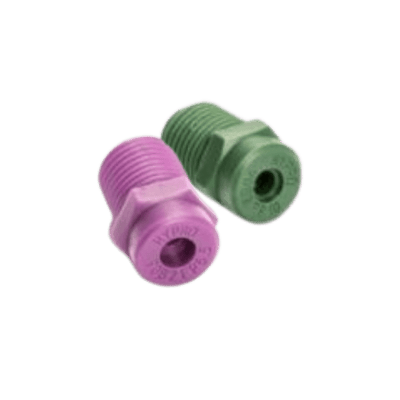
- Adjustable chemical-resistant nozzles
- Fan nozzles for even wall coverage
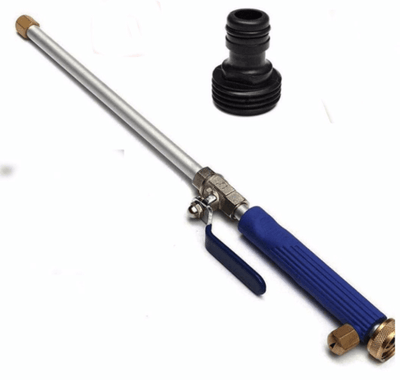
- Long reach lances for low-level extension work
- Water-fed pole adapters for controlled reach
- Trigger controls and shut-off valves close to the operator
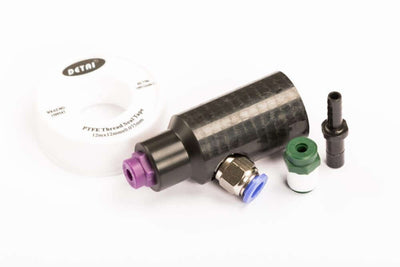
For contractors already using pole systems, a purpose-designed water fed pole softwash nozzle can help apply product more accurately than improvising with unsuitable fittings.
4. Tanks, Containers and Measuring Equipment
You need a safe way to store, transport, measure and mix solutions. This is not an area to improvise with unlabelled containers or old drums of unknown origin.
At minimum, consider:
- Chemical-resistant containers with secure lids
- Clearly labelled containers
- Measuring jugs or dosing equipment
- Graduated mixing buckets where appropriate
- Secondary containment for transport and storage
- A clean water container for flushing equipment
Always follow the product label and safety data sheet. Never mix chemicals unless the manufacturer’s instructions specifically confirm that it is safe to do so. In particular, never mix sodium hypochlorite with acids, as this can release dangerous chlorine gas.
Choosing the Right Softwashing System
The best starter system depends on your target market, budget, transport and level of experience. A serious DIY user cleaning one property does not need the same setup as a contractor maintaining multiple commercial buildings.
| Setup Type | Best For | Advantages | Limitations |
|---|---|---|---|
| Pump-up sprayer | Small test areas, very occasional DIY use | Low cost, simple, portable | Slow, limited output, tiring, not ideal for professional work |
| Battery backpack sprayer | Small patios, spot treatments, low-level walls | Portable, controlled application, useful for tight access | Limited capacity, frequent refilling, operator exposure if misused |
| Trolley system | Starter contractors, domestic work, sites with awkward access | More professional output, portable, easier than carrying drums | Still limited compared with a van-mounted system |
| 12V van or skid system | Professional domestic and light commercial work | Good flow, larger capacity, efficient for regular work | Requires good system design, maintenance and safe transport |
| Proportioning or injector system | Contractors wanting improved control and repeatability | Better dilution control, less manual mixing, efficient on repeat work | Higher initial cost and requires proper understanding |
In the real world, many contractors start with a portable or compact 12V setup, then upgrade once they understand their most profitable work type. Buying the biggest system first is not always the best move. It is better to have a system you understand, maintain and use safely than a large setup that introduces unnecessary risk.
Softwashing Chemicals and Why Equipment Choice Matters
Your equipment and chemical choice must be considered together. The pump, hose, seals, nozzles, PPE and documentation should all match the chemistry being used.
Sodium Hypochlorite-Based Softwashing
Sodium hypochlorite is widely used in professional softwashing because it is effective on many forms of organic staining when used correctly. It works by oxidising organic matter, helping break down algae, mould and biofilm on suitable exterior surfaces.
However, sodium hypochlorite is not a casual-use product. It requires proper dilution, surface assessment, plant protection, PPE, storage control and operator competence. It can damage sensitive surfaces, discolour materials, affect metals, harm plants and create health risks if misused.
If you are using hypochlorite-based products, your starter equipment should include:
- Chemical-resistant gloves and eye protection
- Suitable respiratory protection where risk assessment requires it
- Controlled application nozzles to reduce misting
- Plenty of clean water for pre-wetting and rinsing
- Plant protection equipment and neutralisation plan where appropriate
- Clear exclusion zones for residents, staff, customers and pets
For deeper technical understanding, SoftWash UK also explains how sodium hypochlorite works in softwashing applications.
Surfactants
A surfactant helps the softwash solution wet the surface, cling for longer and spread more evenly. On vertical render, cladding or textured surfaces, this can improve contact time and reduce wasteful run-off.
Understanding the role of a softwash surfactant is important because more foam or more smell does not automatically mean better cleaning. The aim is controlled wetting, dwell and rinse behaviour, not simply visible suds.
Biocides and DDAC-Based Treatments
Some jobs call for a biocidal treatment rather than, or after, an immediate clean. Products based on quaternary ammonium compounds are often used for longer-term control of organic growth on suitable surfaces.
DDAC is one such biocidal active used in exterior cleaning and surface treatment. It is commonly discussed in relation to ongoing organic growth control. As with any professional chemical, it should be used according to label instructions, risk assessment and UK best practice.
SoftWash UK supplies a range of professional softwash chemicals, but the most important point is to choose the correct product for the surface, staining and intended outcome rather than using one chemical for every job.
PPE and Safety Equipment You Should Not Start Without
Softwashing involves chemical handling, working outdoors, variable weather, public interface and often working near glass, metals, plants, drainage and access routes. PPE is not optional.
Essential PPE
- Chemical-resistant gloves suitable for the product being used
- Eye protection or face shield
- Chemical-resistant footwear
- Protective coveralls or waterproof outerwear
- Respiratory protection where required by COSHH assessment
- High-visibility clothing for commercial, roadside or public-facing sites
Site Safety Equipment
- Warning signs and barrier tape
- Spill kit suitable for the products carried
- Clean water for emergency rinsing
- First aid kit
- Plant protection sheets or controlled watering equipment
- Drain covers where run-off control is required
- Weather monitoring for wind and rain conditions
From experience, good site control is often what separates a professional job from a risky one. On domestic work, that might mean keeping children and pets indoors until the area is safe. On commercial work, it may involve scheduling around staff entrances, deliveries, public walkways and drainage points.
Access Equipment for Softwashing
Many softwashing jobs involve working at height or applying solution to elevated surfaces. The safest method is usually to work from the ground where possible, using appropriate poles, lances or controlled application tools. However, ground-based work has limits.
Depending on the site, access equipment may include:
- Water-fed poles or extension poles
- Step platforms for low-level work
- Ladders for inspection only where justified by risk assessment
- Scaffold towers
- MEWPs for commercial or high-level work
- Roof access systems where specialist work requires them
Working at height must be planned properly. Softwashing from a ladder while handling chemical hose, managing overspray and trying to control a trigger is often poor practice. If the work cannot be completed safely from the ground, use appropriate access equipment and trained operators.
Documentation and Compliance Equipment
Professional softwashing is not just about physical kit. You also need the right paperwork and systems. For contractors and facilities managers, documentation protects the client, the public, the operator and the business.
Useful documentation includes:
- Risk assessments
- Method statements
- COSHH assessments
- Safety data sheets
- Product labels and technical guidance
- Training records
- Insurance documents
- Site survey forms
- Before and after photo records
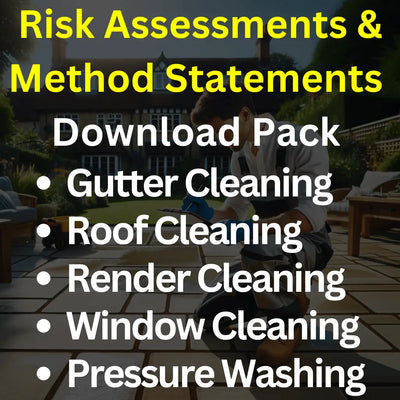
A structured Risk Assessment and Method Statement pack for exterior cleaning can help contractors avoid starting from a blank page, especially when working for commercial clients, managing agents or facilities teams that expect formal RAMS before work begins.
Step-by-Step: How to Build Your First Softwashing Setup
If you are starting from scratch, it is tempting to buy individual parts randomly. A better approach is to design the setup around the jobs you intend to do.
Step 1: Decide What Surfaces You Will Clean
Render cleaning, patio treatment, roof moss management and commercial cladding all have different requirements. Make a list of the work you plan to offer first. Do not build a roof treatment setup if most of your enquiries are low-level render.
Step 2: Choose the Application Method
For occasional small jobs, a quality sprayer may be enough. For regular contractor work, a chemical-resistant 12V or trolley system is normally more efficient. Consider portability, flow rate, reach and how you will flush the system.
Step 3: Select Compatible Chemicals
Choose products based on the surface, contamination and required result. Read the label and SDS before buying equipment so you know the material compatibility, PPE and storage requirements.
Step 4: Plan Water Supply and Rinsing
Softwashing often involves pre-wetting plants, dampening sensitive surfaces, rinsing windows and controlling residues. Make sure your setup includes enough water access or carry capacity for the job.
Step 5: Add PPE, Signage and Spill Control
Do not leave safety equipment until later. It should be part of the original setup, not an optional upgrade. If you cannot manage people, pets, plants, run-off and accidental spills, you are not ready to apply chemical on a live site.
Step 6: Create a Maintenance Routine
Flush pumps, hoses, lances and nozzles after use. Check seals, fittings and hose condition regularly. Keep records of chemical stock and dispose of waste responsibly. Small maintenance habits prevent expensive failures.
Step 7: Practise on Controlled Areas
Before taking on paid or high-risk work, practise on suitable test areas. Learn how the equipment sprays, how far mist travels in wind, how different surfaces react and how long products need to dwell.
Starter Equipment Checklist
The checklist below gives a practical overview for a new contractor or serious DIY user.
| Category | Starter Items | Why It Matters |
|---|---|---|
| Application | Chemical-resistant sprayer, trolley or 12V pump system | Applies solution safely and evenly at low pressure |
| Control | Nozzles, trigger, shut-off valves, lance or pole | Helps reduce overspray and improve coverage |
| Chemical handling | Labelled containers, measuring jugs, secondary containment | Supports accurate dilution and safer transport |
| PPE | Gloves, eye protection, footwear, coveralls, RPE where required | Protects the operator from exposure |
| Site protection | Signage, barriers, plant watering equipment, drain covers | Protects people, plants, property and drains |
| Water and rinsing | Water supply, hose, rinse nozzle, clean water container | Essential for pre-wetting, rinsing and emergency control |
| Compliance | RAMS, COSHH, SDS, insurance, training records | Required for professional working and client confidence |
Common Mistakes When Buying Softwashing Equipment
Buying Pressure Washing Gear and Calling It Softwashing
Pressure washing and softwashing are different processes. A pressure washer may be useful on some exterior cleaning jobs, but softwashing requires controlled chemical application at low pressure. High pressure can damage render, force water behind surfaces and increase risk on delicate materials.
Using Incompatible Pumps and Hoses
General-purpose pumps, garden sprayers and cheap hose reels may not tolerate softwashing chemicals. Compatibility matters. If seals fail on site, you may end up with leaks, exposure risk and damaged surfaces.
Ignoring Wind and Overspray
Even good equipment becomes unsafe in the wrong conditions. Wind can carry mist onto cars, plants, neighbouring property, people or open windows. If conditions are wrong, postpone or change the method.
Thinking Stronger Chemical Means Better Results
Many poor softwashing jobs come from over-application, not under-application. Correct dilution, dwell time, surface preparation and rinse procedure usually matter more than simply increasing strength. More chemical can mean more risk, more staining, more plant damage and more complaints.
Forgetting About Waste and Run-Off
Run-off must be considered before work starts. On some sites, especially commercial areas, drainage routes may connect to sensitive areas. Plan where the solution will go, how it will be controlled and whether drains need protection.
Best-Practice Notes for UK Contractors and Facilities Teams
Before applying any softwash product, carry out a site survey. Look for surface type, previous coatings, delicate metals, lead flashing, natural stone, timber, ponds, planting, ventilation points, poor drainage, public access and weather exposure.
Good practice includes:
- Complete a small test patch where surface sensitivity is uncertain
- Explain likely results and limitations to the client before work begins
- Use the weakest effective solution for the task
- Keep people, pets and non-essential staff away from the work area
- Pre-wet and protect vulnerable plants
- Control dwell time rather than leaving chemical unmanaged
- Rinse glass, metals and sensitive detailing where required
- Record batch, dilution, weather and site conditions on professional jobs
For contractors who want structured learning before investing heavily in equipment, the SoftWash UK training course covers the practical method, safety thinking and professional standards behind softwashing. Training is especially valuable if you plan to work on render, roofs, commercial sites or properties where chemical misuse could be costly.
If you want to see how professional softwashing training is structured before committing to the full programme, you can try selected lessons from the SoftWash UK course for free. It is a useful way to preview the training and understand the standards, safety thinking and practical approach behind professional softwashing.
Frequently Asked Questions
Can I start softwashing with a backpack sprayer?
Yes, for small, low-level work a suitable chemical-resistant backpack sprayer can be used. However, it is limited in capacity and reach, and it is not ideal for larger render, roof or commercial work. Make sure the sprayer is compatible with the chemical, and always use suitable PPE.
Do I need a pressure washer for softwashing?
Not necessarily. Softwashing is based on low-pressure chemical application. A pressure washer may be useful for separate tasks such as rinsing, surface preparation or cleaning hard surfaces, but it is not the main softwashing tool. On delicate render or coated surfaces, excessive pressure can cause damage.
What chemicals do I need to start softwashing?
This depends on the surface and contamination. Many professional systems use sodium hypochlorite-based cleaning solutions, surfactants and biocidal treatments where appropriate. You should choose chemicals based on the job, read the SDS and label, and never use products without understanding dilution, precautions and compatibility.
Do I need training before offering softwashing commercially?
Training is strongly recommended. Softwashing involves chemical handling, surface assessment, public safety, plant protection, run-off control and compliance. Professional training helps reduce mistakes and gives contractors a more structured method for quoting, cleaning and managing risk.
How much should I spend on my first softwashing setup?
There is no single correct figure. A small DIY setup may be relatively modest, while a professional contractor setup requires investment in reliable application equipment, PPE, documentation, chemicals, access equipment and training. Focus on buying safe, compatible equipment for the work you will actually do rather than overspending on unnecessary capacity.
Can softwashing damage surfaces?
Yes, if the wrong chemical, concentration, dwell time or method is used. Sensitive metals, plants, certain coatings, natural stone, timber and older surfaces need careful assessment. Always test first where needed and follow manufacturer guidance.
Conclusion: Start Simple, But Start Properly
The equipment you need to start softwashing should be chosen around safety, chemical compatibility, surface suitability and the type of work you intend to carry out. At a minimum, you need a low-pressure application system, compatible hose and fittings, suitable nozzles, correct chemicals, PPE, clean water, site protection equipment and proper documentation.
For serious DIY users, that may mean a small controlled setup for one property. For contractors and facilities professionals, it means building a system that is repeatable, compliant and safe on real sites with real risks.
Softwashing can be an excellent addition to an exterior cleaning or property maintenance business, but it rewards knowledge and preparation. The best operators are not the ones using the strongest mix or the biggest pump; they are the ones who understand surfaces, chemistry, dwell time, weather, access, safety and client expectations.
SoftWash UK supports contractors with professional softwashing chemicals, equipment, training and educational resources. If you are building your first setup or upgrading from improvised kit, explore the SoftWash UK equipment and Knowledge Centre resources to make better, safer decisions before your next job.