How to Build Confidence as a New Softwash Contractor
Building confidence as a new softwash contractor comes from three things: proper training, a repeatable working process and enough supervised or lower-risk practice to prove that your method works. Confidence is not about guessing stronger mixes, saying yes to every job or copying what someone did in a video. It is built by understanding surfaces, chemicals, application methods, safety controls, customer expectations and your own limits.
For UK exterior cleaning contractors, facilities managers, property maintenance professionals and serious DIY users, softwashing can be a highly effective method for cleaning organic growth from render, roofs, paving, cladding and other external surfaces. But it must be approached professionally. New contractors often feel nervous because they are dealing with live customer properties, chemical handling, overspray risk, plant protection, access issues, insurance, pricing and aftercare. That is normal.
The good news is that softwashing confidence can be developed in a structured way. Start with education, learn the legal and practical safety requirements, practise on controlled areas, document your process, use professional-grade products responsibly and build up to more complex projects gradually. This article explains how to do that without cutting corners.
Why New Softwash Contractors Often Lack Confidence
Most new contractors are not short of motivation. They are short of proven experience. Softwashing is different from pressure washing because the results depend on chemical selection, surface understanding, dwell time, dilution, weather conditions, rinsing strategy and safe site management.
Common confidence issues include:
- Not knowing which surfaces are suitable for softwashing.
- Worrying about damaging render, paint, plants, metals or sensitive finishes.
- Uncertainty around sodium hypochlorite, biocides, surfactants and specialist stain removers.
- Fear of overspray or runoff causing complaints.
- Lack of experience pricing jobs accurately.
- Not knowing how to explain softwashing to customers.
- Concern about insurance, risk assessments and compliance.
- Not having a consistent method from survey to completion.
These concerns are valid. In fact, the contractors who ask these questions early are usually the ones who develop into safer, more professional operators. Overconfidence is far more dangerous than caution in this industry.
Confidence Starts With Knowing What Softwashing Is and Is Not
Softwashing is a low-pressure cleaning method that uses specialist cleaning solutions to treat organic growth and staining on exterior surfaces. Instead of relying mainly on high pressure, the cleaning solution does the work. This makes it useful for delicate or textured surfaces where pressure washing could cause damage.
However, softwashing is not a magic spray-and-walk-away method for every cleaning problem. It requires accurate diagnosis. Green algae, black lichen, moss, atmospheric soiling, rust staining, oil staining, tannin marks and lead staining may all require different approaches. Some staining will lighten rather than disappear immediately. Some surfaces need pre-wetting, controlled application, agitation, rinsing or post-treatment.
New contractors build confidence when they stop thinking in terms of “one chemical for everything” and start thinking like surveyors. What is the surface? What is the contaminant? What is the safest treatment? What could go wrong? What result is realistic?
Step-by-Step: A Practical Confidence-Building Plan for New Softwash Contractors
Step 1: Get Educated Before Taking on Customer Work
Training is one of the fastest ways to reduce uncertainty. A good softwashing course should explain chemical handling, surface compatibility, dilution, application, rinsing, health and safety, plant protection, pricing, quoting and customer communication. It should also teach you what not to clean and when to walk away.
If you are exploring the trade as a business opportunity, the SoftWash UK Knowledge Centre article on How Do You Become A Softwash Contractor is a useful starting point. It explains the practical steps involved in entering the industry professionally rather than treating softwashing as an add-on with no preparation.
For contractors who want structured development, CPD certified softwash training can help demonstrate that you have invested in recognised learning and professional standards. That matters when speaking to commercial clients, facilities managers and property professionals.
Step 2: Practise on Controlled Surfaces First
Do not make your first softwash job a large rendered house, listed building, commercial facade or expensive patio with unknown sealers. Start with controlled practice areas where the risk is lower and permission is clear.
Good practice areas may include:
- Your own patio, driveway, boundary wall or outbuilding.
- A family member’s property with written permission and clear expectations.
- Small test patches on non-critical areas.
- Heavily soiled but low-value hard surfaces where improvement can be observed safely.
Use these practice jobs to learn how solutions behave, how quickly organic growth reacts, how surfactants improve cling, how weather affects dwell time and how much water you need for rinsing and plant protection. Photograph before, during and after. Keep notes on dilution, weather, surface and outcome. This becomes your own field reference library.
Step 3: Learn to Survey Before You Quote
Confident contractors survey properly. They do not quote large exterior cleaning jobs from one blurry photograph and a postcode. A good survey protects you, the customer and the property.
During a softwash survey, assess:
- Surface type: render, brick, stone, concrete, tiles, cladding, timber, uPVC or painted finish.
- Type of contamination: algae, moss, lichen, mould, carbon staining, rust, oil or mineral staining.
- Access: ladders, scaffold, MEWP, water-fed pole, ground conditions and exclusion zones.
- Drainage: where rinse water and runoff will go.
- Plants, lawns, ponds, pets and neighbouring property.
- Metals, lead flashing, uncoated aluminium, bronze, copper and other sensitive materials.
- Customer expectations and required finish.
- Weather exposure, wind direction and forecast conditions.
When you survey properly, you stop guessing. That alone gives you a major confidence boost.
Step 4: Use a Repeatable Risk Assessment and Method Statement
Risk assessment is not just paperwork for commercial jobs. It is how you think through the job before something goes wrong. Softwashing involves chemical storage, transport, mixing, application, access, public safety, environmental controls and surface risk. A clear RAMS process helps you manage those risks consistently.
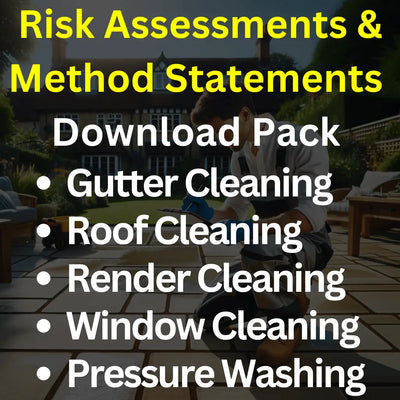
SoftWash UK has a useful Knowledge Centre article explaining why contractors need a softwash risk assessment. For practical documentation, the Risk Assessment and Method Statement Pack for Exterior Cleaning can help new contractors create a more professional system for site planning and client communication.
A simple pre-start checklist should include:
- Correct PPE available and worn.
- Chemicals labelled, stored and transported safely.
- Safety data sheets accessible.
- Customer and neighbours informed where necessary.
- Plants and sensitive areas pre-wetted and protected.
- Weather conditions suitable, especially wind speed and rain forecast.
- Runoff controlled and drainage considered.
- Emergency water supply available.
- Access equipment inspected and used correctly.
Step 5: Start With Smaller, Simpler Jobs
One of the best ways to build confidence is to stack small wins. Early jobs should let you practise the full process without excessive complexity.
| Job Type | Confidence Level Needed | Why It Helps or Challenges New Contractors |
|---|---|---|
| Small patio or path with algae | Beginner-friendly with correct precautions | Good for learning dwell time, rinsing, plant protection and customer communication. |
| Residential render test panel | Moderate | Useful for learning surface sensitivity, streaking risk and realistic results. |
| Driveway with oil staining | Moderate to advanced | Oil requires specialist treatment and expectation management; it is not a standard algae clean. |
| Roof moss treatment | Advanced | Requires access planning, fall protection, runoff control, neighbour awareness and careful application. |
| Commercial cladding or facade | Advanced | Often requires RAMS, insurance documentation, access planning, out-of-hours work and higher client scrutiny. |
There is no shame in saying, “This job is not suitable for me yet.” Professional judgement is part of confidence.
Build Confidence With the Right Chemicals, Not Stronger Chemicals
New contractors sometimes assume confidence comes from using a stronger mix. In reality, confidence comes from knowing the correct product, dilution, dwell time and process for the surface and contamination.
The SoftWash UK soft wash chemicals range includes products for different exterior cleaning tasks, from biocidal treatments to surfactants and specialist stain removers. The important point is not simply buying chemicals; it is understanding when and how each type should be used safely.
Common Chemical Confidence Issues
- Thinking all staining is organic: Rust, oil, tannin and lead staining need different chemistry from algae or moss.
- Over-applying product: More chemical does not automatically mean a better result and can increase risk.
- Ignoring dwell time: Removing a solution too early can reduce effectiveness; leaving it too long can create problems.
- Failing to protect plants: Pre-wetting, covering where appropriate and thorough rinsing are essential.
- Mixing without understanding: Never mix chemicals unless the product guidance and safety information confirms it is safe to do so.
Always read the label, safety data sheet and product guidance. Store and transport chemicals securely. Use suitable PPE. Keep incompatible products apart. If you are unsure, stop and get advice before applying anything to a customer’s property.
Equipment Confidence: Keep Your Setup Simple and Reliable
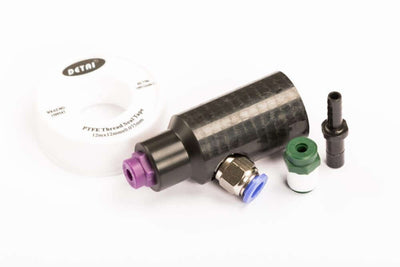
You do not need the most complicated setup on day one. You need equipment that applies product accurately, safely and consistently. A reliable system helps you focus on the job instead of fighting leaks, blocked nozzles, poor flow or uncontrolled overspray.
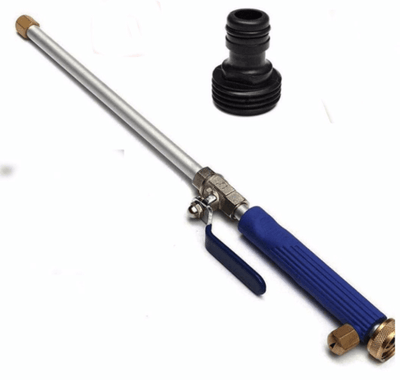
The SoftWash UK soft washing equipment collection includes professional equipment options for contractors developing their setup. For new operators, the priority should be control, chemical compatibility, accurate application and ease of maintenance.
What a New Contractor Should Look for in Equipment
- Chemical-compatible hoses, pumps, seals and fittings.
- Controlled low-pressure application rather than excessive force.
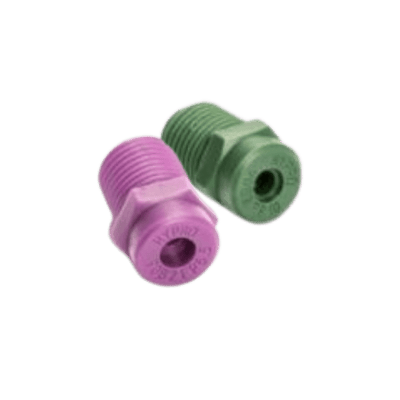
- Nozzles suitable for the working height and application pattern.
- Clear separation between clean water and chemical systems where required.
- Easy flushing and maintenance after each job.
- Safe storage and transport in the vehicle.
Before arriving at site, test your system with water. Check flow, spray pattern, leaks, batteries, connectors and shut-off valves. A five-minute equipment check can prevent an embarrassing or unsafe start to a job.
How to Speak Confidently to Customers
Many new softwash contractors know more than they realise but struggle to explain it. Customer confidence comes from clear communication, not technical overload.
Explain softwashing in simple terms:
- “This is a low-pressure cleaning method that treats the organic growth rather than blasting the surface.”
- “Some results are immediate, while some biological staining continues to improve after treatment.”
- “We will protect plants, manage runoff and avoid working in unsuitable wind conditions.”
- “This staining appears to be rust/oil/lead rather than algae, so it needs a different treatment.”
- “I will test a discreet area first before treating the full surface.”
A confident contractor sets expectations honestly. If black lichen on old concrete may take more than one treatment, say so. If heavily weathered render may clean but not look newly painted, explain that before the work starts. If a stain is permanent or outside your current competence, do not promise removal.
Pricing Confidence: Charge for Process, Risk and Skill
Underquoting is a common new contractor mistake. It can happen because the contractor lacks confidence and wants to win the job at any price. The result is rushed work, reduced safety time, poor profitability and unnecessary stress.
Your price should reflect:
- Survey time and advice.
- Travel, setup and pack-down.
- Chemicals and water use.
- Plant and property protection.
- Access requirements.
- Risk level and site complexity.
- Insurance, training, PPE and business overheads.
- Aftercare guidance and customer communication.
Do not price softwashing as if it is only “spraying a wall”. Professional exterior cleaning involves judgement, compliance and responsibility. Facilities managers and commercial clients will often respect a well-explained quote more than a vague low price.
Insurance and Compliance: Confidence Comes From Being Covered
No contractor should build a softwashing business without understanding insurance. Standard public liability insurance may not automatically cover chemical application, roof work, render cleaning, treatments, working at height or damage caused by specialist cleaning processes. Always speak to your insurer or broker and describe exactly what you do.
The SoftWash UK Knowledge Centre article on softwash contractor insurance explains the types of cover contractors should consider. This is especially important if you want to work for landlords, managing agents, schools, commercial premises or facilities management companies.
Compliance is not there to slow you down. It protects your business. When a customer asks for insurance, RAMS, COSHH information or product safety data, being able to provide it calmly is a major confidence builder.
Common Mistakes That Damage New Contractor Confidence
Mistake 1: Taking on Jobs Beyond Your Current Ability
It is tempting to accept every enquiry, especially when starting out. But a complex roof, high-value rendered property or sensitive heritage surface can quickly expose a lack of experience. Build up gradually.
Mistake 2: Copying Dilutions From Social Media
A dilution used by another contractor may not be right for your product strength, surface, weather, equipment or contamination. Understand the principles rather than copying numbers without context.
Mistake 3: Skipping Test Patches
Test patches are not a sign of uncertainty; they are a professional control measure. They help confirm surface reaction, cleaning potential and customer expectations.
Mistake 4: Working in Poor Weather
Wind increases overspray risk. Heavy rain can reduce dwell time or cause uncontrolled runoff. Hot sun can dry product too quickly. Confident contractors know when to postpone.
Mistake 5: Not Documenting the Job
Photos, survey notes, chemical records, weather notes and customer approvals can protect you if there is a query later. They also help you learn from each job.
Myths About Confidence in Softwashing
| Myth | Reality |
|---|---|
| “You need years of experience before you can start.” | You need proper training, controlled practice and the discipline to start with suitable jobs. |
| “Stronger chemical means better cleaning.” | Correct product choice, dwell time, surface knowledge and safe application matter more than strength alone. |
| “A pressure washing background is enough.” | It helps, but softwashing introduces different chemical, safety and surface considerations. |
| “Customers only care about the cheapest price.” | Many customers, especially commercial clients, value safety, professionalism, documentation and clear communication. |
| “Training is only for beginners.” | Good contractors keep learning as they move into larger, higher-risk or more specialist work. |
A Simple Softwash Confidence Checklist
Before taking on a job, ask yourself these questions. If you cannot answer them, you need more information before proceeding.
- What surface am I treating?
- What contamination or staining is present?
- Is softwashing the correct method?
- What product and dilution are suitable?
- What PPE and safety controls are required?
- What plants, metals, glass, coatings or neighbouring areas need protection?
- Where will runoff go?
- Is the weather suitable?
- Have I explained realistic results to the customer?
- Do I have suitable insurance and documentation?
- Have I taken before photos and agreed the work scope?
- Do I know when to stop if something unexpected happens?
If you can answer these confidently, the job is likely to be within your control. If not, pause, research, ask an experienced professional or choose a smaller project first.
Use Training and Ongoing Education to Accelerate Confidence
Confidence grows faster when you learn from experienced contractors rather than relying only on trial and error. The SoftWash UK Training Course is designed to help contractors understand professional softwashing methods, safety thinking and business considerations in a structured way. The softwashing training and business hub also provides educational resources for contractors who want to keep improving their knowledge.
If you want to see how professional softwashing training is structured before committing to the full programme, you can try selected lessons from the SoftWash UK course for free. It is a useful way to preview the training and understand the standards, safety thinking and practical approach behind professional softwashing.
For ongoing learning while you are on the road or between jobs, the SoftWash UK Podcast is another useful resource for hearing discussions around exterior cleaning, softwashing, business development and professional practice.
Real-World Example: From Nervous First Job to Repeatable Process
A typical new contractor might start with pressure washing experience but limited softwashing knowledge. Their first enquiry is a green north-facing rendered wall. Instead of quoting immediately, they inspect the wall, identify algae and possible atmospheric staining, check nearby plants, look for damaged render, assess drainage and explain that a test patch is required.
They choose a calm day, pre-wet the plants, apply a suitable softwash solution at low pressure, monitor dwell time, prevent drying where needed, rinse appropriately and take after photos. The customer sees improvement, the contractor records the process and the next similar job feels less intimidating.
After five or six controlled jobs, the contractor has learned more than they would from watching dozens of videos. They have observed real surfaces, real weather, real customers and real outcomes. That is how practical confidence develops.
When Should a New Contractor Say No?
Saying no is sometimes the most professional decision. You should consider declining or postponing a job if:
- You cannot identify the surface or staining.
- The customer demands a guaranteed result you cannot honestly promise.
- There is unsafe access or no suitable working-at-height plan.
- Wind or weather makes chemical application unsafe.
- There are sensitive plants, ponds or neighbouring areas you cannot protect.
- Your insurance does not cover the work.
- The surface appears damaged, unstable or inappropriate for treatment.
- You do not have the correct product, equipment or knowledge.
Turning down one unsuitable job can save your reputation. It also reinforces professional judgement, which is a key part of genuine confidence.
Frequently Asked Questions
How long does it take to become confident as a softwash contractor?
It depends on your background, training and the type of work you take on. A contractor with exterior cleaning experience may become confident with simple softwashing jobs after training and several controlled projects. More complex work, such as roofs, commercial facades or sensitive surfaces, takes longer and should be approached gradually.
Do I need softwash training if I already pressure wash?
Yes, training is strongly recommended. Pressure washing experience helps with water control, site setup and customer work, but softwashing involves chemical handling, surface compatibility, dwell time, runoff control and different safety considerations. Training reduces the risk of costly mistakes.
What is the safest type of softwashing job for a beginner?
Small ground-level hard surfaces with clear access, good drainage and limited sensitive surroundings are generally better starting points. Avoid high access work, fragile surfaces, complicated drainage, expensive finishes and jobs involving unknown stains until you have more experience.
How do I stop worrying about damaging a customer’s property?
You reduce that worry by surveying properly, using test patches, following product guidance, protecting sensitive areas, working in suitable weather, documenting your process and staying within your competence. You should also ensure your insurance accurately covers the work you undertake.
Should I buy professional softwashing equipment from the start?
You should use equipment that is suitable, chemical-compatible and controllable. That does not always mean the largest or most expensive setup on day one. A simple, reliable professional system is better than improvised equipment that leaks, over-applies product or cannot be flushed properly.
How can I look more professional when quoting softwash work?
Use a clear survey process, provide written quotes, explain the method, include limitations, outline safety controls and be ready to provide insurance details, RAMS and product safety information where appropriate. Professional communication builds trust before you even start cleaning.
Conclusion: Confidence Is Built by Process, Not Guesswork
New softwash contractors become confident by developing a professional process and repeating it on suitable jobs. Learn the method properly, understand your chemicals, use reliable equipment, carry out risk assessments, protect the site, communicate clearly and document your work. Start small, build evidence, review every job and keep improving.
Confidence does not mean never feeling cautious. It means knowing how to manage risk, when to ask for advice and when to walk away. The best contractors are not reckless; they are prepared.
SoftWash UK supports contractors with professional softwashing chemicals, equipment, training and educational resources designed for safe and responsible exterior cleaning. If you are serious about building a confident softwashing business, visit SoftWash UK to explore practical products, training options and Knowledge Centre guidance that can help you take the next step professionally.