How to Improve Dwell Time During Softwashing
To improve dwell time during softwashing, you need to keep the cleaning solution active on the surface for long enough to break down organic growth, staining and biofilm without allowing it to dry out, run off too quickly or become over-diluted. In practice, that means controlling five things: surface preparation, chemical choice, application method, weather conditions and re-wetting where needed.
For UK exterior cleaning contractors, facilities managers and serious DIY users, dwell time is one of the biggest differences between a softwash that works properly and one that leaves patchy results. Too little dwell time often means algae, lichen, black staining and green growth are only partially treated. Too much dwell time, especially with the wrong chemistry or poor rinsing control, can increase the risk of surface damage, plant stress, staining or unnecessary chemical exposure.
This guide explains how professional softwashing contractors improve dwell time safely and consistently on roofs, render, patios, driveways, cladding and other exterior surfaces.
What Is Dwell Time in Softwashing?
Dwell time is the period between applying a softwash solution and rinsing, neutralising, reapplying or allowing the product to complete its treatment cycle. It is the contact time required for the chemistry to do its job.
In simple terms, dwell time is how long the product stays wet and active on the surface.
Different softwashing chemicals require different dwell times. Sodium hypochlorite-based mixes generally work quickly on organic staining, while some biocidal treatments, such as DDAC-based products, may be designed for residual treatment and slower ongoing action. Specialist stain removers for rust, oil, wood tannins or lead staining may have their own contact time requirements and should always be used according to the product label and safety data sheet.
Why Dwell Time Matters
Softwashing is not pressure washing with chemicals added. It is a controlled cleaning process where chemistry, contact time and rinsing discipline matter more than brute force.
Good dwell time helps to:
- Improve cleaning results on algae, moss staining, lichen and biofilm.
- Reduce the need for aggressive pressure washing.
- Improve consistency across large areas such as render, roofs and cladding.
- Reduce wasted chemical from over-application.
- Lower the risk of repeat call-backs caused by under-treatment.
- Allow safer, more methodical working on sensitive surfaces.
Poor dwell time often shows up as uneven cleaning, shadowing, tiger striping, premature drying marks, surviving algae, or areas that clean well at the bottom of a wall but poorly at the top because the solution dried too quickly.
The Main Factors That Affect Softwash Dwell Time
| Factor | How It Affects Dwell Time | Professional Best Practice |
|---|---|---|
| Surface temperature | Hot surfaces cause the solution to dry too quickly. | Work in cooler parts of the day and pre-wet suitable surfaces where appropriate. |
| Wind | Wind increases drift and evaporation. | Avoid spraying in windy conditions and use controlled application equipment. |
| Porosity | Porous surfaces absorb solution quickly, reducing active surface contact. | Apply evenly and consider a second light application rather than flooding. |
| Soiling level | Heavy organic matter consumes active chemistry faster. | Remove loose debris first and allow realistic contact time. |
| Surfactant use | A good surfactant helps the mix cling and spread evenly. | Use an appropriate softwash surfactant at the correct dilution. |
| Application rate | Too little product dries fast; too much runs off. | Apply to achieve wet, even coverage without excessive run-off. |
| Rain or over-wetting | Dilutes or removes the active ingredient. | Check the forecast and avoid treating surfaces immediately before heavy rain. |
Step-by-Step: How to Improve Dwell Time on Site
1. Inspect the Surface Before You Mix or Spray
Before thinking about dilution rates or spray patterns, inspect the material. A painted render wall, old slate roof, tarmac drive, Indian sandstone patio and powder-coated cladding panel will all behave differently.
Look for:
- Porosity and absorbency.
- Failing paint, blown render or friable surfaces.
- Heavy moss, soil, leaf matter or bird fouling.
- Previous chemical damage or staining.
- Nearby plants, lawns, ponds and watercourses.
- Metal fixtures, lead flashing, timber, glass and sensitive finishes.
Good dwell time starts with knowing what you are treating. If the surface is already unstable, letting a strong solution sit for longer is rarely the answer. You may need a lower-strength mix, staged applications, targeted treatment or a different product entirely.
2. Remove Loose Organic Matter First
One of the most common reasons softwash solutions appear to “stop working” is that they are being wasted on loose dirt, moss and debris rather than the actual staining on the surface.
On roofs, heavy moss may need manual removal before chemical treatment. On patios and driveways, sweeping or a controlled rinse can remove loose contamination. On walls, remove cobwebs, loose algae and surface dirt where practical.
This improves dwell time because the active chemistry is not being consumed immediately by heavy surface contamination.
3. Choose the Right Chemical for the Job
Dwell time only works if the chemistry is suitable for the contamination. For organic growth such as algae, mould, mildew and black biological staining, sodium hypochlorite is commonly used by trained professionals because it works quickly when correctly diluted and applied. SoftWash UK supplies professional soft washing chemicals for different exterior cleaning tasks, including organic growth treatment and specialist stain removal.
However, stronger is not automatically better. Over-strength mixes can increase risk, create unnecessary odour, damage sensitive materials and still fail if they dry too quickly. The correct product, dilution and dwell time must be considered together.
If using sodium hypochlorite for soft washing, contractors should understand dilution, compatibility, PPE requirements, safe storage, plant protection, run-off control and legal responsibilities. Always read the label and safety data sheet before use.
4. Use a Suitable Surfactant to Help the Mix Cling
A surfactant can make a major difference to dwell time, especially on vertical surfaces, render, cladding, roof tiles and areas where fast run-off is a problem. It helps the solution wet the surface evenly rather than beading up and sliding off.
In practical terms, a good surfactant helps with:
- Better surface wetting.
- Improved cling on vertical or sloped surfaces.
- More even chemical distribution.
- Reduced streaking caused by rapid run-off.
- Longer active contact time before drying.
For professional softwashing, a product such as Clever Wash Surfactant can be useful where controlled cling and visible coverage are important. It should still be used at the correct dose. Too much surfactant can create excessive foam, increase rinsing time and make run-off management more difficult.
5. Apply Evenly Rather Than Heavily
A common mistake is assuming that more solution equals better dwell time. In reality, over-application often causes run-off, waste and increased risk around plants, drains and sensitive materials.
Your aim is a wet, even film across the target surface. The surface should stay active, but it should not be pouring chemical down the wall, roof or paving.
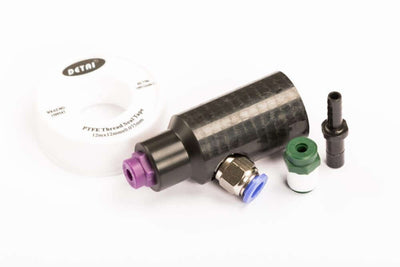
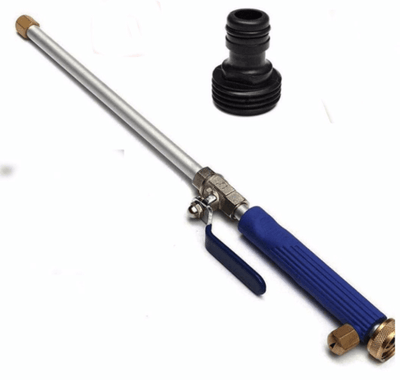
Professional application is about control. Use the right nozzle, pressure, flow rate and spray pattern for the surface. For higher or awkward areas, controlled softwash application through suitable equipment is usually safer and more efficient than trying to blast product from too far away. A tool such as a water fed pole softwash nozzle can help improve application control in certain situations, especially where accurate placement matters.
6. Work in Manageable Sections
Large walls, long driveways and commercial elevations should normally be divided into sections. If you treat too much area at once, the first area may dry before you return to inspect or rinse it.
On a warm day, a contractor might divide a rendered elevation into bays and treat from bottom to top or top to bottom depending on run-off management, access and staining pattern. The key is to maintain control over contact time.
For example:
- Pre-check plants, drains, glass and metalwork.
- Apply solution to a manageable section.
- Allow the correct dwell period while monitoring drying.
- Re-wet lightly if the solution starts to dry before the reaction is complete.
- Rinse or move to the next stage according to the product and surface.
- Inspect before leaving the section.
7. Prevent Premature Drying
Premature drying is one of the biggest dwell time problems in UK softwashing, particularly during spring and summer when surfaces may be warm even if the air temperature feels mild.
To prevent premature drying:
- Avoid applying to hot surfaces in full sun where possible.
- Start earlier in the morning or later in the afternoon during warm weather.
- Work on shaded elevations first.
- Use a compatible surfactant to improve cling.
- Apply a second light mist if the product begins to dry too quickly.
- Avoid treating in strong wind.
- Do not leave strong chemical residues to dry on sensitive surfaces.
If a softwash solution dries out, its cleaning action is reduced and residue marks can appear. Re-wetting can help in some cases, but it is better to manage the job so the solution remains active throughout the intended dwell period.
8. Reapply Lightly When Needed
On heavy algae, black lichen or deep organic staining, one heavy application is usually less effective than a controlled first application followed by a second light application where required.
A second application can refresh the active chemistry without flooding the surface. This is particularly useful where the first application has been consumed quickly by heavy organic matter.
Do not reapply automatically. Inspect the surface first. Look for colour change, visible breakdown of growth, fading staining and areas that have dried too quickly. Reapply only where needed and within safe working limits.
Recommended Dwell Time by Surface Type
The correct dwell time depends on the product, dilution, surface and contamination level. The table below gives practical guidance, not a substitute for product instructions or site-specific risk assessment.
| Surface | Common Dwell Time Challenge | Professional Approach |
|---|---|---|
| Render | Streaking, fast drying and uneven absorption. | Use even application, suitable surfactant and controlled sectioning. |
| Roof tiles | Steep pitch, run-off and heavy moss residues. | Remove moss first, apply carefully and manage gutters/downpipes. |
| Patios | Porous stone absorbing the mix quickly. | Apply evenly and avoid over-strength mixes on sensitive stone. |
| Block paving | Joint sand, weeds and uneven contamination. | Clear debris first and manage run-off carefully. |
| Cladding | Rapid run-off and risk to coatings. | Use low pressure, test patches and short controlled dwell periods. |
| Timber | Sensitivity to strong oxidisers and staining risk. | Use appropriate wood-safe processes and specialist products where needed. |
Weather: The Hidden Dwell Time Problem
In the UK, contractors often plan around rain but underestimate wind, sun and surface temperature. A cloudy day can still dry a south-facing wall quickly if there is a breeze. A patio can hold heat from earlier sunshine and cause the solution to flash dry.
Best Conditions for Controlled Dwell Time
- Dry or lightly overcast weather.
- Low to moderate temperatures.
- Low wind speed.
- No heavy rain forecast during the treatment window.
- Surface temperature cool enough to prevent rapid evaporation.
Conditions That Usually Need Extra Caution
- Direct summer sun on dark roof tiles, render or tarmac.
- Strong wind causing drift and evaporation.
- Heavy rain that will dilute or wash away treatment.
- Freezing or near-freezing conditions.
- Very dry, highly absorbent porous surfaces.
Experienced contractors do not just look at the weather forecast; they read the surface. If the solution is drying before it has time to react, the dwell time is too short regardless of what the clock says.
Safety and Best Practice When Extending Dwell Time
Improving dwell time must never mean leaving hazardous chemicals unmanaged. Longer contact time increases the importance of site control, PPE, public safety and environmental protection.
Before any softwashing work, complete a suitable risk assessment and method statement. This is especially important on commercial sites, schools, care homes, retail parks, apartment blocks and facilities management contracts. SoftWash UK offers a Risk Assessment and Method Statement pack for exterior cleaning that can help contractors structure their safety documentation professionally.
Key Safety Checks
- Wear appropriate PPE including gloves, eye protection and respiratory protection where required by the product SDS.
- Protect plants by pre-wetting, covering where suitable, controlling run-off and rinsing afterwards.
- Prevent chemical entry into ponds, watercourses and sensitive drainage systems.
- Check compatibility with metals, lead, painted surfaces, timber, glass seals and coatings.
- Use signage, exclusion zones and controlled access on public or commercial sites.
- Never mix chemicals unless you are trained and the combination is known to be safe.
- Store and transport chemicals in line with UK regulations and manufacturer guidance.
When working at height, dwell time planning must also include access safety. Do not rush rinsing or reapplication because the access method is poor. Use suitable equipment, trained operatives and a safe system of work.
Common Dwell Time Mistakes
Mistake 1: Applying Too Strong a Mix to Compensate for Poor Dwell
If the solution is drying too quickly or running off the surface, increasing chemical strength is not the best fix. It can increase risk without improving cleaning. Focus first on coverage, surface temperature, surfactant, section size and re-wetting technique.
Mistake 2: Treating Too Large an Area at Once
This is common on render and commercial cladding. The operator applies a large area, then cannot inspect and manage it before sections dry. Smaller working zones usually produce more consistent results.
Mistake 3: Ignoring Surface Temperature
Air temperature can be misleading. A dark tiled roof or south-facing wall may be much hotter than the surrounding air. If the solution dries rapidly, dwell time is compromised.
Mistake 4: Using No Surfactant on Vertical Surfaces
On many walls and sloped surfaces, a plain mix can run off before adequate contact time is achieved. A suitable surfactant helps the solution stay where it needs to work.
Mistake 5: Letting Chemical Dry on Sensitive Surfaces
Dwell time is not the same as leaving product to dry. Some products are designed to remain, but others require rinsing or close management. Always follow the product guidance and understand the surface you are treating.
Softwashing Dwell Time Myths
Myth: Longer Dwell Time Always Gives Better Results
Not always. Once the chemical reaction has done its job, leaving a product longer may add no benefit and can increase risk. The correct dwell time is the time needed for the product to work safely, not simply the longest possible time.
Myth: If It Foams, It Is Working Better
Foam can help visibility and cling, but excessive foam is not proof of better cleaning. Too much surfactant can make rinsing harder and increase mess. The goal is controlled wetting and contact, not unnecessary foam.
Myth: Rain After Application Always Ruins the Job
It depends on the product and timing. Heavy rain shortly after application may dilute or remove the treatment. Light rain after an adequate dwell period may be less of an issue for some processes. Always plan around the specific product and desired outcome.
Myth: Dwell Time Can Replace Proper Preparation
Chemical contact time cannot make up for poor preparation. Heavy moss, soil, leaves and debris should be removed where appropriate before treatment.
How to Troubleshoot Poor Dwell Time
| Problem | Likely Cause | Practical Fix |
|---|---|---|
| Solution dries almost immediately | Hot surface, direct sun or wind | Work in shade, change timing, reduce section size and re-wet lightly. |
| Solution runs off vertical surface | No surfactant or too much volume | Add suitable surfactant and apply a lighter, more even coat. |
| Patchy cleaning on render | Uneven application or absorption | Use consistent spray pattern and work in smaller sections. |
| Organic staining remains after treatment | Insufficient active contact time or heavy contamination | Remove debris first and consider a second controlled application. |
| Plants show stress after treatment | Poor run-off control or inadequate rinsing | Improve plant protection, pre-wet, rinse and reassess method. |
| Excessive residue or streaking | Product dried on the surface or uneven rinsing | Prevent drying and rinse according to product instructions. |
Professional Tips for Better Dwell Time
- Carry out a test patch on unfamiliar or sensitive surfaces.
- Use the weakest effective mix for the job rather than defaulting to high strength.
- Keep a site log of dilution, weather, dwell time and results for repeat commercial work.
- Train staff to watch the surface, not just the clock.
- Use controlled spray equipment rather than relying on excessive pressure.
- Plan plant protection before spraying, not after run-off starts.
- Keep rinse water and neutralising strategy available before application begins.
- Review each job afterwards to refine dwell time for similar surfaces.
For contractors who want a deeper understanding of safe chemical application, surface assessment and professional working methods, the SoftWash UK training course provides structured education designed specifically for exterior cleaning professionals.
Want to Preview Professional Softwashing Training?
If this is an area you want to understand properly, you can start by accessing the free SoftWash UK course preview. It includes selected lessons from the full training course and is designed to help contractors see whether professional softwashing training is the right next step.
Frequently Asked Questions About Softwashing Dwell Time
How long should softwash dwell before rinsing?
There is no single dwell time for every job. It depends on the product, dilution, surface, weather and level of organic growth. Many sodium hypochlorite-based cleaning applications work within minutes, while some biocidal treatments are designed for longer residual action. Always follow the product label and monitor the surface during treatment.
How do I stop softwash drying too quickly?
Work in cooler conditions, avoid direct sun, use manageable sections, apply an appropriate surfactant and re-wet lightly if the surface starts drying before the solution has completed its action. Strong wind and hot surfaces are the two most common causes of premature drying.
Does surfactant increase dwell time?
Yes, a suitable surfactant can improve dwell time by helping the solution cling to the surface, spread evenly and resist rapid run-off. It is particularly useful on render, cladding, roof tiles and other vertical or sloped surfaces. It must be used at the correct dose to avoid excessive foam and rinsing issues.
Can I leave softwash on overnight?
Only if the product is designed for that type of application and it is safe for the surface and surrounding environment. Some biocidal treatments are intended to remain on the surface, while other cleaning mixes should be rinsed or closely managed. Never leave chemicals unattended on sensitive surfaces without understanding the product instructions, safety data sheet and site risks.
Why is my softwash not working even after a long dwell time?
Possible causes include using the wrong chemical, applying to heavy debris, over-dilution, expired or degraded active ingredient, very cold conditions, poor coverage or the solution drying before it can react. Longer dwell time will not fix the wrong method.
Is stronger softwash better for dwell time?
No. Strength and dwell time are separate factors. A stronger mix may work faster in some situations, but it can also increase risk to surfaces, plants, operatives and the environment. Professional softwashing is about the correct mix, correct contact time and controlled application.
Conclusion: Better Dwell Time Means Better Control
Improving dwell time during softwashing is not about leaving chemicals on surfaces for as long as possible. It is about keeping the right product active for the right amount of time, on the right surface, under controlled conditions.
The most reliable improvements come from good preparation, suitable chemistry, correct surfactant use, controlled application, smaller working sections and careful weather judgement. Contractors who master dwell time achieve more consistent results, reduce rework and operate more safely.
SoftWash UK supports exterior cleaning professionals with specialist chemicals, equipment, safety resources and training for responsible softwashing. If you want to improve your results, reduce mistakes and build a more professional process, explore the products, equipment and education available from SoftWash UK.