How to Mix Softwash Solutions Correctly
Mixing softwash solutions correctly means calculating the required strength for the surface, measuring each component accurately, adding chemicals in the safe order, using compatible equipment, and applying the finished mix responsibly. In practical terms, most professional softwashing mixes are built from three core parts: clean water, the active cleaning ingredient, and a suitable surfactant. The exact ratio depends on the surface, the contamination, the chemical being used and the manufacturer’s label instructions.
For UK exterior cleaning contractors, facilities managers, property maintenance teams and serious DIY users, correct mixing is not just about cleaning performance. It affects safety, plant protection, dwell time, stain removal, run-off management, legal compliance and customer results. A mix that is too weak may waste time and fail to treat organic growth. A mix that is too strong may damage sensitive surfaces, increase risk, create unnecessary odour and reduce profitability.
This guide explains how to mix softwash solutions professionally, how to avoid common mistakes, and how to build a safer, repeatable process for roofs, render, patios, cladding and other exterior surfaces.
What Is a Softwash Solution?
A softwash solution is a low-pressure exterior cleaning mix designed to treat biological growth, staining and surface contamination without relying on aggressive pressure washing. Depending on the job, the solution may include sodium hypochlorite, quaternary ammonium biocides such as DDAC, surfactants, masking scents, specialist stain removers or pH-specific cleaning products.
In day-to-day UK exterior cleaning, the term “softwash mix” is often used to describe a diluted sodium hypochlorite-based cleaning solution with a surfactant. However, not every softwashing job uses sodium hypochlorite. Long-term biocidal treatments, sensitive surfaces and maintenance programmes may call for different chemistry.
The Main Components of a Softwash Mix
- Water: The carrier that dilutes the active chemical to the correct working strength.
- Active chemical: The ingredient that does the main cleaning or biocidal work, such as sodium hypochlorite or DDAC.
- Surfactant: Helps the mix cling, spread and wet the surface rather than running straight off.
- Specialist additives: May include masking scent, stain removers or surface-specific cleaning aids where appropriate.
For contractors mixing sodium hypochlorite-based solutions, SoftWash UK supplies professional-grade sodium hypochlorite for soft washing, designed for exterior cleaning use. Always follow the label, Safety Data Sheet and COSHH requirements before handling or diluting any chemical.
The Golden Rule: Mix for the Surface, Not the Habit
One of the biggest mistakes in softwashing is using the same mix strength for every job. A heavy black algae stain on old concrete is not the same as light green algae on painted render. A porous clay tile roof is not the same as uPVC cladding. The correct mix depends on the surface, the level of organic growth, the weather and the risk around the work area.
In professional work, your aim is to use the weakest effective solution, applied correctly, with enough dwell time to do the job. Stronger is not automatically better. A controlled, well-surfacted mix often outperforms a stronger but poorly applied solution.
Typical Softwash Mixing Strengths by Application
The table below gives general guidance only. It is not a substitute for product label instructions, site-specific risk assessment, training or manufacturer guidance. Always check the chemical concentration you are starting with and calculate the finished working strength accurately.
| Application | Typical Requirement | Practical Mixing Approach | Important Notes |
|---|---|---|---|
| Light algae on render or painted masonry | Low working strength | Use a mild mix, good surfactant and controlled dwell time | Pre-wet sensitive areas and avoid over-application |
| Patios, concrete and block paving with organic growth | Moderate working strength | Increase strength gradually if needed rather than starting too strong | Manage run-off and protect lawns, metals and planting |
| Roof tiles with lichen, algae or moss residue | Surface and contamination dependent | Often requires careful pre-cleaning, controlled application and longer dwell | Access, fall prevention and overspray control are critical |
| Cladding and uPVC | Usually low strength or specialist detergent | Test first and avoid aggressive mixes | Rinse fixings and metal trims thoroughly |
| Post-clean biocidal treatment | Product-specific | Use a compatible biocide at the correct dilution | Follow label instructions for application rate and dwell |
How to Calculate a Softwash Mix
Professional mixing starts with a simple calculation: how much active chemical is needed to reach the target working strength in the final tank volume?
The basic formula is:
Amount of product needed = final volume × desired working strength ÷ starting product strength
For example, if you are using a sodium hypochlorite product at a known starting strength and you want a lower finished working strength, you calculate the portion of product required and make up the rest with water. The key point is that you must know the actual strength of the chemical you are using. Sodium hypochlorite degrades over time, especially when stored warm, exposed to sunlight or kept for long periods.
Why Starting Strength Matters
If two contractors both say they are using a “4% mix”, that only describes the finished target strength, not the recipe. The quantity needed will differ depending on whether the starting product is 10%, 12%, 14% or has degraded below its original strength.
This is why professional contractors:
- Buy from reputable suppliers with clear product information.
- Rotate stock and avoid using old chemical where strength is unknown.
- Store sodium hypochlorite correctly in a cool, ventilated place away from sunlight.
- Label containers clearly and avoid decanting into unmarked vessels.
- Record mixing ratios used on larger or repeatable commercial jobs.
The Correct Order for Mixing Softwash Solutions
The safest and most consistent method is to add clean water first, then add the measured chemical, then add the surfactant or other approved additive last. This reduces splash risk, helps dilution and prevents over-foaming in the tank.
Step-by-Step Mixing Process
- Read the label and SDS: Confirm the product, concentration, recommended dilution, PPE and prohibited mixtures.
- Complete your site risk assessment: Identify plants, ponds, painted surfaces, metals, drainage, public access and overspray risks.
- Wear suitable PPE: Use chemical-resistant gloves, eye and face protection, appropriate clothing and respiratory protection where required by assessment.
- Add water first: Fill the tank or mixing container with part of the required clean water volume.
- Measure the chemical accurately: Use a dedicated measuring jug, dosing system or calibrated container.
- Add the chemical slowly: Pour or dose carefully to minimise splash and vapour exposure.
- Top up with water: Bring the mix to the final volume required for the job.
- Add surfactant last: Use the correct amount for cling and wetting without excessive foam.
- Agitate gently: Mix without violent shaking or aeration.
- Label and use responsibly: Do not leave unlabelled mixes on site or store unknown mixed chemicals for later use.
A professional surfactant such as Clever Wash Surfactant can improve cling on vertical surfaces, help the solution wet the surface evenly and reduce the temptation to over-apply stronger chemical. The aim is better contact time, not simply more foam.
Batch Mixing Versus Injection Systems
There are two common ways to create a working softwash solution: batch mixing and chemical injection. Both have a place in professional exterior cleaning.
| Method | How It Works | Advantages | Limitations |
|---|---|---|---|
| Batch mixing | You manually mix water, chemical and surfactant in a tank before application | Simple, low-cost and easy to understand | More handling, greater need for measuring accuracy and less flexibility on site |
| Proportioning or injection | Equipment draws and dilutes chemical at a controlled ratio during application | Reduces manual mixing, allows faster adjustment and can improve consistency | Requires correct calibration, compatible equipment and operator knowledge |
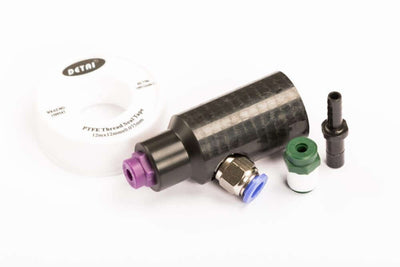
For contractors working regularly on roofs, render and commercial properties, proportioning equipment can improve control and reduce manual handling. A system such as the Clever Injector is designed to help dose softwash chemicals more consistently, but it still needs proper calibration and understanding. Injection equipment does not remove the need for chemical knowledge or safety procedures.
Choosing the Right Chemical for the Job
Correct mixing also means choosing the correct product. Not all exterior staining is the same, and one chemical will not solve every problem.
Sodium Hypochlorite-Based Cleaning
Sodium hypochlorite is widely used for treating algae, organic staining, black spot on hard surfaces and general exterior biological soiling. It works quickly but needs careful handling, dilution and surface protection. It can affect plants, metals, fabrics and some coatings if misused.
DDAC and Quaternary Biocides
For longer-term biocidal treatment, a DDAC-based product may be more appropriate. These products are often used where ongoing biological control is required rather than instant bleaching action. SoftWash UK’s Soft Wash Pro 50 DDAC is an example of a professional-grade biocide where correct dilution, application rate and label compliance are especially important.
Surfactants and Additives
Surfactants help the solution work more efficiently by breaking surface tension. They can increase dwell time on vertical surfaces and help achieve more even coverage. However, too much surfactant can cause over-foaming, increase rinsing time and make run-off harder to manage.
Safety and Compliance When Mixing Softwash Chemicals
Softwash chemicals can be extremely effective, but they must be handled with respect. UK contractors should consider COSHH, PPE, storage, transport, labelling, environmental protection and site-specific RAMS. Facilities managers should also ensure that any contractor working on their property can demonstrate safe systems of work.
Essential Safety Checks Before Mixing
- Check the product label and Safety Data Sheet before use.
- Never mix sodium hypochlorite with acids, ammonia, vinegar, toilet cleaners or unknown chemicals.
- Use chemical-resistant containers and compatible hoses, seals and pumps.
- Keep children, pets, staff and the public away from the mixing area.
- Mix in a well-ventilated area and avoid inhaling vapour or mist.
- Keep clean water available for rinsing skin, eyes, plants and accidental overspray.
- Do not allow uncontrolled run-off into ponds, watercourses or sensitive drainage.
- Transport chemicals securely and in line with relevant requirements.
For contractors building professional systems, the Risk Assessment and Method Statement Pack for Exterior Cleaning can help structure safer working practices and demonstrate professionalism to commercial clients, local authorities and facilities managers.
Practical Mixing Examples from Site Work
The following examples show how experienced contractors think through mixing decisions. They are not fixed recipes; they are practical decision-making examples.
Example 1: Green Algae on Painted Render
Painted render can be sensitive, especially if the coating is old, chalky or poorly bonded. A professional would normally inspect first, carry out a small test patch and use a lower-strength solution with a quality surfactant. The objective is controlled dwell and an even clean, not aggressive bleaching.
Best practice includes pre-wetting surrounding planting, protecting metal fixtures, avoiding application in direct hot sun and rinsing where appropriate based on the product and surface.
Example 2: Black Spot on Concrete Patio
Black spot lichen on concrete or stone can be stubborn. A stronger working solution may be needed compared with render, but the contractor should still build up carefully. Application technique matters: an even coat, adequate dwell, re-wetting stubborn areas and preventing premature drying often produce better results than simply increasing strength.
Example 3: Roof Cleaning After Moss Removal
After manual moss removal or low-impact roof cleaning, a softwash treatment may be applied to treat remaining spores and organic staining. Mixing must account for pitch, porosity, overspray, gutters, downpipes, neighbouring property, access and weather. Roof work also brings significant working-at-height risk, so chemical knowledge must sit alongside proper access planning and fall prevention.
How Weather Affects Your Mix
Weather has a major effect on the performance of a softwash solution. The same mix can behave very differently in January shade compared with July sunshine.
- Hot sun: Solutions can dry too quickly, reducing dwell time and increasing surface risk.
- Cold conditions: Chemical reactions may slow down, increasing dwell time requirements.
- Wind: Overspray risk increases, especially near vehicles, glass, plants and neighbouring property.
- Rain: Can dilute the solution, reduce dwell time and create uncontrolled run-off.
- Frost: Avoid treatment where surfaces may freeze or become unsafe underfoot.
Professional operators often adjust timing rather than simply changing chemical strength. Working earlier in the morning, choosing overcast days, controlling sections and keeping surfaces damp can all improve results.
Common Softwash Mixing Mistakes
Using Guesswork Instead of Measuring
“A splash in the tank” is not a professional method. Guesswork leads to inconsistent results, damage claims and poor cost control. Use calibrated containers, dosing pumps or proportioning equipment.
Assuming Stronger Means Better
Over-strength solutions can damage surfaces, increase fumes, kill plants and waste money. In many cases, improved surfactant use, longer dwell time and better preparation deliver a cleaner result than increasing chemical strength.
Adding Surfactant Too Early
Adding surfactant before the main dilution is complete can create excessive foam and make accurate filling harder. Add it last and mix gently.
Mixing Incompatible Chemicals
This is one of the most dangerous mistakes. Sodium hypochlorite must never be mixed with acids or ammonia-based products. Chlorine gas can be produced, creating a serious health risk. If you are unsure whether products are compatible, do not mix them.
Ignoring Surface Testing
Always test an inconspicuous area when working on coated render, natural stone, timber, coloured paving, metalwork or aged surfaces. Some materials react unpredictably, especially where previous sealers or coatings have been applied.
Storing Mixed Solution for Too Long
Many working mixes lose strength and reliability over time. Mixed solution may also create storage and labelling issues. Mix what you need for the job, use it responsibly and follow disposal guidance.
Best Practice for Plant and Property Protection
Plant protection is one of the clearest signs of a professional softwashing operation. Most complaints in exterior cleaning come from preventable overspray, run-off or poor preparation.
- Pre-wet plants, lawns and surrounding vegetation before application.
- Use covers carefully, but avoid suffocating plants in hot weather.
- Rinse plants again after treatment where necessary.
- Divert or capture run-off where there is a risk to sensitive areas.
- Protect metals, especially bare aluminium, lead, copper and some powder-coated finishes.
- Keep vehicles well away from the work zone.
- Brief customers or site contacts before starting.
Mixing Records and Professional Quality Control
On domestic jobs, many contractors rely on experience and job notes. On commercial, facilities management and repeat maintenance work, written records are far more valuable. Recording your mix, dwell time, weather conditions, surface type and result helps you improve consistency and protect your business if a question is raised later.
A simple job record might include:
- Date, site and operative name.
- Product used and batch information where relevant.
- Starting strength and working dilution.
- Surface type and contamination level.
- PPE and control measures used.
- Weather and temperature.
- Dwell time and rinsing method.
- Photos before, during and after.
For contractors who want to build their knowledge before investing in full training, SoftWash UK offers a free course preview with selected lessons from the full training programme. It gives you a practical look at the teaching style, structure and professional approach used inside the course.
Softwash Mixing Myths to Avoid
Myth: You Can Use One Mix for Every Surface
Different surfaces have different tolerances. A mix suitable for concrete may be too aggressive for painted render, timber, natural stone or delicate cladding.
Myth: Foam Means the Mix Is Strong
Foam usually indicates surfactant behaviour, not chemical strength. A foamy mix can still be weak, and a low-foam mix can still be powerful.
Myth: If It Smells Strong, It Will Clean Better
Odour is not a reliable measure of performance. Correct dilution, fresh product, dwell time and application technique matter more.
Myth: Pressure Washing and Softwashing Are the Same Job
Pressure washing relies mainly on mechanical force. Softwashing relies on chemistry, dwell time and low-pressure application. Mixing knowledge is therefore central to softwashing results.
FAQ: Mixing Softwash Solutions
What order should I mix softwash chemicals in?
Add clean water first, then the measured active chemical, then top up with water and add surfactant last. This reduces splash risk, improves dilution and helps prevent excessive foaming. Always follow the product label and Safety Data Sheet.
How strong should my softwash mix be?
The right strength depends on the surface, contamination, weather and chemical being used. Use the weakest effective mix that achieves the required result. Always calculate from the known starting strength of the product and carry out a suitable test patch.
Can I mix sodium hypochlorite with other cleaners?
Only mix sodium hypochlorite with products specifically approved as compatible. Never mix it with acids, vinegar, ammonia, toilet cleaner, rust remover or unknown detergents. Dangerous gases can be released when incompatible chemicals are combined.
Do I need a surfactant in my softwash mix?
A surfactant is often useful because it helps the solution cling and wet the surface evenly, especially on render, roofs and vertical surfaces. However, it must be compatible with the main chemical and used at the correct dose.
Can I store mixed softwash solution for another job?
It is usually best to mix only what you need. Working mixes can lose strength, become less predictable and create labelling or storage issues. If storage is unavoidable, follow all label, SDS and legal requirements.
What PPE do I need when mixing softwash chemicals?
At minimum, you should assess the need for chemical-resistant gloves, eye and face protection, suitable clothing and respiratory protection where vapour or mist exposure may occur. PPE must be selected based on the product SDS and your site-specific risk assessment.
Conclusion: Correct Mixing Is the Foundation of Professional Softwashing
Correctly mixed softwash solutions deliver better results, safer working conditions and more predictable outcomes. The process starts with understanding the surface and contamination, selecting the right chemical, calculating the correct dilution, adding components in the safe order and applying the mix with suitable equipment and controls.
The most professional contractors do not rely on guesswork. They measure, record, test, protect surrounding areas and keep learning. Whether you are cleaning domestic render, treating roofs, maintaining commercial cladding or managing exterior cleaning programmes across multiple sites, correct mixing is one of the most important skills in softwashing.
SoftWash UK supplies professional softwashing chemicals, equipment, safety resources and training for UK exterior cleaning businesses and property professionals. If you want to improve your chemical knowledge, upgrade your mixing process or build a safer softwashing system, explore the SoftWash UK range of professional products and training resources before your next project.