Why Application Methods Matter in Professional Exterior Cleaning
Application methods matter because the way a cleaning solution is applied directly affects safety, cleaning performance, chemical consumption, surface protection, dwell time and the final result. In softwashing and exterior cleaning, the product is only one part of the process. The nozzle, flow rate, pressure, dilution, spray pattern, weather conditions and operator technique all influence whether a job is efficient, compliant and professionally finished.
For UK exterior cleaning contractors, property maintenance teams, facilities managers and serious DIY users, understanding application methods helps avoid common problems such as patchy results, chemical waste, plant damage, overspray, staining, poor moss or algae control and unnecessary risk to people, pets and surrounding surfaces.
In practical terms, choosing the right application method means matching the cleaning solution, equipment and technique to the material being cleaned. A rendered wall, block paving driveway, tiled roof, timber decking area and commercial cladding elevation should not all be approached in the same way. Professional results come from controlled application, not simply using a stronger mix or more pressure.
What Do We Mean by Application Method?
An application method is the controlled way a cleaning product or water is delivered to a surface. In exterior cleaning, this may include low-pressure softwashing, pump-up sprayers, dedicated softwash pumps, downstream injection, Dosatron-style proportioning, water-fed pole application, brush application, surface cleaners, pressure washing, rinsing or post-treatment.
The application method determines:
- How evenly the product reaches the surface
- How much chemical is used per square metre
- Whether the surface is saturated, misted or flooded
- How long the product remains active before drying
- How much overspray or run-off is created
- Whether the operator can keep a safe working distance
- How much rinsing or neutralisation may be needed afterwards
This is why experienced softwashing professionals pay close attention to equipment set-up, nozzle selection and delivery technique. They are not just “spraying chemical”. They are applying a measured treatment to a specific surface under specific site conditions.
Why Application Method Is Just as Important as Product Choice
Many cleaning failures are blamed on the chemical when the real issue is application. A quality softwashing chemical applied badly can perform poorly. A weaker, correctly applied solution can often outperform a stronger mix that has been sprayed unevenly, allowed to dry too quickly or delivered at the wrong pressure.
1. It Controls Coverage
Coverage is one of the most overlooked parts of exterior cleaning. If a biocide, surfactant or cleaning solution is not applied evenly, you are likely to see streaks, missed patches or inconsistent regrowth control.
On porous surfaces such as render, sandstone or concrete, uneven coverage can be especially noticeable. Areas that receive too much product may clean faster or dry differently, while under-treated sections may remain green, black or stained.
2. It Affects Dwell Time
Dwell time is the period a product remains wet and active on the surface. Good dwell time allows the chemistry to do the work. Poor dwell time often forces operators to reapply, scrub aggressively or increase chemical strength unnecessarily.
Application methods influence dwell time by controlling droplet size, saturation and run-off. A fine mist on a hot, windy day may dry before it has had time to work. A controlled low-pressure fan spray with the right surfactant may cling better and remain active for longer.
Where suitable, a surfactant such as Clever Wash Surfactant can help improve cling, wetting and visibility, particularly on vertical surfaces. The key is to use surfactants responsibly and in line with the product guidance, site risk assessment and surface requirements.
3. It Reduces Chemical Waste
Poor application wastes money. Overspray, excessive run-off, poor nozzle choice and over-application can dramatically increase chemical consumption without improving results.
For contractors quoting commercial jobs, this matters. If your application method uses twice as much product as necessary, your margin suffers. For facilities managers, waste increases project cost and environmental burden. For serious DIY users, poor technique can turn a manageable cleaning job into an expensive and frustrating exercise.
4. It Improves Safety
Application method has a major effect on safety. High-pressure atomisation, spraying in windy conditions, working too close to people or traffic, and uncontrolled run-off all increase risk.
A professional softwashing approach should include site assessment, weather checks, appropriate PPE, exclusion zones, plant and surface protection, controlled application and emergency planning. Contractors should work from a written risk assessment and method statement where appropriate. SoftWash UK provides a practical Risk Assessment and Method Statement pack for exterior cleaning, which can help businesses improve documentation and standardise safe working procedures.
5. It Protects Sensitive Surfaces
Not every surface can tolerate pressure, strong chemistry or heavy saturation. Application method helps protect fragile or sensitive materials such as:
- Painted render and monocouche render
- Natural stone and limestone
- Leadwork and metal flashings
- Timber cladding and decking
- Older roof tiles
- Powder-coated aluminium
- Decorative paving and resin-bound surfaces
The wrong delivery method can cause etching, water ingress, blown render, streaking, oxidation marks or premature surface wear. This is one reason professional contractors test small areas and adjust their method before treating large elevations.
Common Exterior Cleaning Application Methods Compared
There is no single “best” method for every job. The right method depends on the surface, contamination, access, weather, product and site risk. The table below compares common application approaches used in UK exterior cleaning.
| Application Method | Typical Use | Main Advantages | Key Considerations |
|---|---|---|---|
| Low-pressure softwash pump | Render, roofs, cladding, walls, patios and general biocide application | Controlled application, good reach, suitable for chemical delivery | Requires training, correct dilution, PPE and overspray control |
| Pump-up or backpack sprayer | Small areas, spot treatments, low-level surfaces | Simple, affordable and useful for detail work | Can be slow and inconsistent on larger jobs |
| Water-fed pole application | Higher elevations, facades, cladding and controlled softwash application | Helps improve reach from ground level and reduces ladder use | Requires suitable flow, nozzle choice and operator control |
| Downstream injection | Some pressure washing and rinsing workflows | Can be efficient for certain cleaning setups | Dilution must be verified; not suitable for every chemical or surface |
| Proportioning injector | Controlled chemical dosing for professional systems | Improves consistency and reduces manual mixing errors | Needs correct calibration and maintenance |
| Brush application | Timber, delicate details, agitation of specific areas | Good physical contact and control | Labour intensive and may not suit fragile surfaces |
| Pressure washing | Hard surfaces, paving, concrete and some pre-cleaning tasks | Fast removal of loose soiling and debris | Can damage surfaces if pressure, distance or nozzle choice is wrong |
Real-World Examples: Where Application Method Changes the Result
Render Cleaning
Render cleaning is a good example of why application method matters. Green algae and red staining on render often respond well to softwashing, but aggressive pressure washing can scar the finish, force water behind the render system or leave visible wand marks.
A professional approach usually involves applying the correct softwash solution at low pressure, allowing suitable dwell time, monitoring the surface and rinsing only where appropriate. Even application is essential. Overlapping passes, working from bottom to top where needed to manage streaking, and avoiding application in strong wind all make a noticeable difference.
Roof Treatment
Roof cleaning requires particularly careful method selection. Walking on roofs, blasting tiles with pressure or allowing uncontrolled chemical run-off into gutters and drainage can create safety, surface and environmental issues.
For many roof maintenance projects, the safest and most appropriate approach may involve manual moss removal followed by a carefully controlled biocide treatment. Products such as Clean Guard Pro are commonly considered for professional roof moss treatment workflows, but correct application, weather timing and site protection remain essential.
Cladding and Commercial Buildings
Facilities managers often need cladding and facades cleaned with minimal disruption to building users. Application method becomes critical because overspray, access restrictions, public areas, glazing, signage and nearby vehicles all need managing.
A controlled water-fed pole method, low-pressure delivery or professionally set-up softwash system may reduce disruption compared with traditional access-heavy methods. SoftWash UK supplies professional soft washing equipment that can help contractors build safer and more consistent application workflows when used with suitable training and risk assessment.
Driveways and Hard Surfaces
On block paving, concrete and stone driveways, poor application can leave striping, missed joints and uneven clean-down. Pressure alone may remove surface dirt but fail to manage organic regrowth in joints and pores.
A common professional workflow may include mechanical cleaning, rinsing and then a suitable post-treatment. The application method for post-treatment should be even and controlled rather than heavy-handed. Over-application can increase run-off without improving long-term performance.
The Role of Nozzles, Flow Rate and Spray Pattern
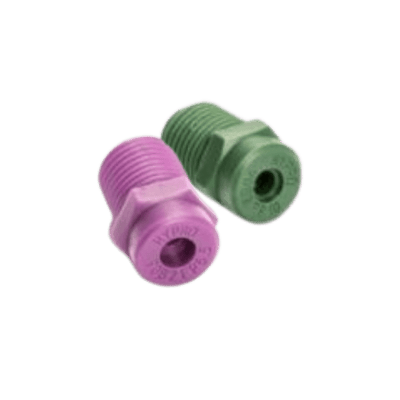
Nozzle choice is one of the most practical ways to improve application. A nozzle determines droplet size, width of spray, reach, volume and impact on the surface.
Fan Spray
A fan spray is useful for even coverage across render, walls, paving and cladding. It helps the operator create consistent overlapping passes. However, too wide a fan can lead to drift in windy conditions.
Cone Spray
A cone spray can be useful for some controlled applications, but it may create more mist depending on pressure and nozzle size. More mist can mean increased drift, so operators need to consider wind direction and surrounding risks.
Jet Stream
A jet stream provides reach but can lead to splashback, uneven application and surface impact. It should be used carefully and is not a substitute for proper access planning.
Water-Fed Pole Nozzles
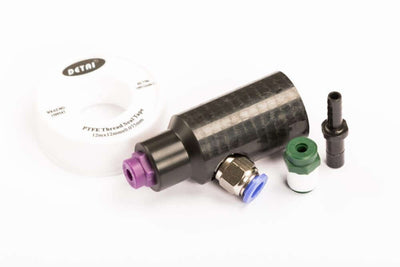
For controlled application at height, a dedicated water-fed pole softwash nozzle can help improve reach and application accuracy. This can be particularly useful where the aim is to reduce ladder use and maintain a safer working position from ground level, subject to site conditions and risk assessment.
Step-by-Step: Choosing the Right Application Method
The following process is a practical way to select an application method before starting an exterior cleaning job.
- Identify the surface. Check whether it is render, brick, tile, timber, metal, concrete, stone, uPVC, cladding or a coated surface.
- Identify the contamination. Decide whether you are dealing with algae, lichen, moss, general soiling, carbon staining, oil, rust, tannin, lead staining or another issue.
- Assess sensitivity. Consider porosity, age, previous coatings, water ingress risks, fragile pointing, sealants and nearby materials.
- Check the site environment. Look for planting, ponds, drains, public access, neighbouring properties, vehicles, electrical points and ventilation intakes.
- Review weather conditions. Avoid unsuitable wind, heavy rain, hot direct sun or freezing conditions. Weather affects drift, dwell time and drying.
- Select the product and dilution. Choose the correct chemical for the surface and contamination. Follow label guidance and safety data sheets.
- Choose the delivery method. Decide whether the job needs low-pressure softwashing, water-fed pole application, pump sprayer, injector, brush or pressure washing.
- Test a small area. Confirm compatibility, dwell time, visual result and any unexpected reaction before treating the full area.
- Apply evenly and monitor. Use controlled overlapping passes and watch for drying, run-off, streaking or over-application.
- Rinse, neutralise or leave as required. Follow product guidance and site requirements. Not every treatment is handled the same way.
Application Method and Chemical Dilution
Dilution and application method must be considered together. A solution mixed correctly in the tank may not be the same strength when it reaches the surface if an injector, proportioner or downstream system is involved. Contractors should verify actual output rather than guessing.
For sodium hypochlorite-based softwashing, biocides and surfactants, accuracy matters. Too weak and the treatment may underperform. Too strong and you increase the risk of surface damage, plant damage, odour, unnecessary chemical use and compliance concerns.
If you are selecting professional cleaning chemistry, SoftWash UK’s range of soft wash chemicals includes specialist products for different exterior cleaning tasks. The important point is to match the product to the surface and then apply it using a method that delivers predictable coverage and controlled dwell time.
Common Mistakes and Myths About Application Methods
Myth 1: Stronger Chemical Always Gives a Better Result
Stronger is not always better. Many poor results come from weak technique rather than weak chemistry. Improving coverage, dwell time and surface preparation often delivers better results than simply increasing concentration.
Myth 2: Pressure Washing Is the Fastest Solution for Everything
Pressure washing has its place, especially on hard surfaces, but it is not suitable for every exterior cleaning job. On render, roofs, soft stone and aged materials, pressure can cause avoidable damage. Softwashing often relies on controlled chemical action rather than mechanical force.
Myth 3: If the Surface Looks Wet, It Has Been Treated Properly
A wet surface is not always an evenly treated surface. Streaks, missed overlaps and poor penetration into textured areas can still occur. The operator needs to watch coverage carefully, particularly on roughcast render, textured cladding and porous stone.
Myth 4: Any Sprayer Will Do
Cheap or unsuitable sprayers can give inconsistent flow, poor chemical resistance, uneven spray patterns and unreliable seals. For professional contractors, application equipment should be selected for chemical compatibility, durability and the type of work being carried out.
Myth 5: Application Method Does Not Affect Compliance
It absolutely does. Overspray, drift, run-off and poor storage or handling can all create compliance and safety problems. A responsible contractor must consider COSHH, PPE, environmental protection, public safety and manufacturer guidance as part of the method, not as an afterthought.
Best-Practice Notes for Safer Application
Safe application is not just about protecting the operator. It is about protecting the client’s property, the public, pets, plants, drainage systems and the wider environment.
- Carry out a site-specific risk assessment before starting work.
- Use suitable PPE based on the product safety data sheet and task risk.
- Read and follow product labels and SDS documents.
- Check wind direction before spraying and stop if drift cannot be controlled.
- Protect sensitive plants, metals, painted surfaces and water features.
- Pre-wet and rinse surrounding areas where required.
- Control public access with barriers, signage or exclusion zones where appropriate.
- Never spray towards people, pets, open windows, ventilation intakes or traffic.
- Confirm chemical compatibility with seals, pumps, hoses and fittings.
- Store, transport and dispose of chemicals responsibly in line with UK requirements.
For contractors who want a deeper understanding of compliant softwashing practice, SoftWash UK’s Soft Wash Training Course covers practical application, safety thinking and professional methods in more detail. Training is especially valuable where staff need to complete work consistently across different property types and site conditions.
How Application Method Affects Quoting and Profitability
Application method can also affect how you quote exterior cleaning jobs. A contractor using the wrong method may underestimate product use, time on site, access requirements and labour. This leads to squeezed margins or rushed work.
When quoting, consider:
- How many square metres must be treated
- Whether one application or multiple applications may be required
- How porous the surface is likely to be
- How much access equipment is needed
- Whether plant and surface protection will add time
- How long the dwell and rinse stages will take
- Whether runoff control or public safety measures are required
- How weather may affect scheduling
A more efficient application method can reduce product waste, labour time and rework. However, efficiency should never come at the expense of safety or surface care. The best method is not always the fastest one; it is the one that achieves the required result safely, consistently and profitably.
When to Use Equipment That Improves Application Control
Professional contractors often move beyond basic sprayers once they start handling larger or more varied work. Better equipment can improve consistency, especially when treating commercial buildings, large render elevations, roofs and repeat maintenance contracts.
Useful equipment considerations include:
- Chemical-resistant pumps, hoses and seals
- Correctly sized nozzles for the required flow and spray pattern
- Water-fed pole systems for safer reach from ground level
- Proportioning systems where accurate dosing is needed
- Clear labelling and separation of chemical and rinse equipment
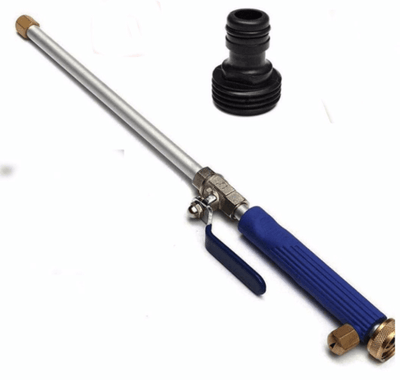
- Reliable valves, lances and fittings to control stop-start application
For more consistent dosing, the Clever Injector Dosatron can be useful in professional setups where controlled chemical proportioning is required. As with any dosing equipment, it should be set up, tested and maintained correctly so the operator knows what is actually being applied to the surface.
Application Method Checklist Before Starting a Job
Before applying any exterior cleaning product, use this quick checklist to reduce preventable mistakes.
- Have you identified the surface and contamination correctly?
- Have you checked the product label and safety data sheet?
- Have you selected an appropriate dilution and confirmed output strength?
- Have you chosen the correct nozzle and spray pattern?
- Have you assessed wind, temperature, rain and direct sunlight?
- Have you protected plants, drains, metals, glass and neighbouring property?
- Have you planned safe access and exclusion zones?
- Have you completed a test patch?
- Have you planned rinsing, run-off control and aftercare?
- Have you briefed staff on the method and safety controls?
If this is an area you want to understand properly, you can start by accessing the free SoftWash UK course preview. It includes selected lessons from the full training course and is designed to help contractors see whether professional softwashing training is the right next step.
Frequently Asked Questions
Why does application method matter in softwashing?
Application method matters because softwashing relies on controlled chemical contact, dwell time and even coverage. If the solution is applied unevenly, too heavily, too lightly or in poor weather conditions, the result may be patchy, wasteful or unsafe. Correct application improves cleaning performance while reducing surface damage and chemical waste.
Is low-pressure application better than pressure washing?
Low-pressure application is often better for delicate surfaces such as render, roofs, cladding and soft stone because it reduces the risk of mechanical damage. Pressure washing is still useful for many hard surfaces, but it should be selected based on the material, contamination and risk of damage. Professional exterior cleaning often uses both methods at different stages.
How do I know which nozzle to use?
Choose a nozzle based on the required flow rate, spray width, droplet size, reach and surface type. A fan nozzle is commonly used for even coverage, while specialist water-fed pole nozzles can help with controlled application at height. Always test the spray pattern and coverage before applying product across the whole area.
Can poor application damage surfaces?
Yes. Poor application can cause streaking, staining, etching, water ingress, plant damage, oxidation marks and uneven cleaning. Damage is more likely when operators use excessive pressure, overly strong chemicals, unsuitable dwell times or uncontrolled overspray.
Does weather affect application method?
Yes. Wind increases drift and overspray risk. Hot sun can dry chemicals too quickly and reduce dwell time. Heavy rain can dilute or wash away the product before it works. Cold or freezing conditions may affect performance and safety. Weather should always be considered before exterior cleaning work begins.
Should contractors complete training before offering softwashing?
Professional training is strongly recommended. Softwashing involves chemical handling, surface assessment, dilution, access planning, PPE, environmental controls and safe application methods. Training helps contractors reduce mistakes, improve consistency and work more responsibly on domestic and commercial properties.
Conclusion: Better Application Creates Better Results
Application methods matter because exterior cleaning is not just about what product you use; it is about how, where, when and why you apply it. The correct method improves coverage, dwell time, safety, surface protection, chemical efficiency and long-term results.
For contractors and property professionals, better application methods also support more accurate quoting, fewer complaints, stronger repeat business and a more professional reputation. For serious DIY users, understanding application helps prevent avoidable damage and wasted product.
SoftWash UK supports the industry with professional softwashing chemicals, equipment, training and educational resources for safer, more consistent exterior cleaning. If you want to improve your methods, explore the SoftWash UK Knowledge Hub, review suitable chemicals and equipment, and consider structured training before taking on more complex work.
The best exterior cleaners do not rely on guesswork. They assess the surface, choose the right method, apply products responsibly and keep learning. That is what separates a basic clean from a professional result.