Why Moss Keeps Coming Back After Roof Cleaning
Moss keeps coming back after roof cleaning because the job has usually removed the visible growth, but not the conditions or microscopic spores that allow moss, algae and lichen to re-establish. In many cases, the roof has been scraped or pressure washed, but not treated with a suitable residual biocide. If the roof remains damp, shaded, nutrient-rich and untreated, regrowth is only a matter of time.
For UK exterior cleaning contractors, facilities managers, property maintenance teams and serious DIY users, the key point is this: roof cleaning is not just about making tiles look clean on the day. A long-lasting result depends on correct diagnosis, safe access, controlled moss removal, appropriate chemical treatment, runoff management and a realistic maintenance plan.
In practice, most “moss has come back” complaints are not caused by one failure. They are usually the result of several factors working together: shaded elevations, blocked gutters, poor airflow, porous concrete tiles, incomplete removal, weak treatment, poor dwell time or no post-treatment at all.
The Short Answer: Roof Moss Returns When Spores, Moisture And Nutrients Remain
Moss reproduces by releasing spores. These spores are tiny, travel easily on the wind and settle into tile laps, surface pits, cracks, ridges, valleys and gutter lines. Even after a roof looks clean, spores and organic residue can remain in areas that are difficult to reach.
Moss is most likely to return when:
- The roof is shaded by trees, chimneys, dormers or neighbouring buildings.
- Tiles stay damp for long periods after rain.
- Organic debris such as leaves, needles and soil gathers on the roof.
- Gutters and valleys are blocked or overflowing.
- The roof was pressure washed but not treated afterwards.
- The chemical treatment was too weak, applied poorly or rinsed off too soon.
- No maintenance treatment was scheduled after the initial clean.
This is why professional roof cleaning should be approached as a biological control process, not simply a visual cleaning job. If you are new to the method, SoftWash UK’s guide to softwashing explains how low-pressure cleaning and appropriate treatment are used to deal with organic growth more effectively than aggressive washing alone.
Visible Moss Removal Is Not The Same As Moss Control
One of the most common misunderstandings in roof cleaning is assuming that once the moss has been scraped off, the problem has been solved. Scraping removes bulk growth, and it is often an important first stage, but it rarely addresses the underlying biological contamination.
On a typical UK roof, especially concrete interlocking tiles, moss roots and spores can remain in surface pores and between tile overlaps. If the roof is only dry-scraped and left untreated, the appearance may improve immediately, but the biological cycle continues.
What Happens After A Basic Scrape?
After a basic scrape, the roof may look much better from the ground. However, small fragments of moss, spores and biofilm often remain. Rain then rehydrates these residues. In shaded or north-facing areas, small green patches can reappear within months, especially during autumn and winter.
Contractors often see this on:
- North-facing roof slopes.
- Garage and extension roofs under tree cover.
- Low-pitched roofs with slow water runoff.
- Older concrete tiles with a rough, weathered surface.
- Tiles beneath television aerials, solar panels and roof projections.
For a longer-lasting result, a post-clean biocidal treatment is usually required. This does not create a permanently moss-proof roof, but it does help suppress remaining spores and slow regrowth when correctly applied.
Pressure Washing Can Sometimes Make Moss Regrowth Worse
Pressure washing is often used because it gives an immediate visual result. However, on many roofs it is not the most appropriate method. High pressure can drive water beneath laps, disturb fragile tiles, strip surface coatings, expose more porous material and spread moss fragments across the roofline and surrounding surfaces.
That does not mean pressure washing has no place in exterior cleaning. It means the method must be selected carefully based on the surface, condition, access, drainage and risk. For many roof cleaning jobs, controlled manual removal followed by low-pressure treatment is a more suitable approach.
If you are comparing methods, SoftWash UK’s article on softwashing vs pressure washing explains the practical differences between mechanical force and chemical-led cleaning.
| Method | Main Benefit | Main Limitation | Risk Of Moss Returning |
|---|---|---|---|
| Dry scraping only | Removes heavy moss with minimal water | Does not fully treat spores or biofilm | Moderate to high if no biocide is applied |
| Pressure washing only | Fast visual improvement | Can damage tiles and may not give lasting biological control | Moderate if no post-treatment is used |
| Scrape and biocide treatment | Removes bulk growth and treats residual contamination | Requires correct product choice, application and dwell time | Lower when maintained properly |
| Planned maintenance treatment | Controls regrowth before it becomes heavy | Requires client education and scheduling | Lowest over the long term |
The Main Reasons Moss Returns After Roof Cleaning
1. The Roof Was Cleaned But Not Treated
This is the most common reason moss returns quickly. Removing the visible moss improves appearance, but without a suitable biocidal treatment, remaining spores and organic films can keep growing.
Professional contractors often apply a roof-safe biocide after mechanical removal. For example, products such as Clean Guard Pro roof moss killer and cleaner are designed for treating organic growth on exterior surfaces when used responsibly and in accordance with the label and safety data sheet.
Product selection matters. Not every chemical is suitable for every surface, and contractors must understand dilution, coverage, dwell time, runoff, weather conditions and surrounding risks. SoftWash UK’s guide to professional softwash chemicals is a useful starting point for understanding the main categories used in softwashing.
2. The Chemical Was Too Weak Or Applied Poorly
A common field issue is under-application. The contractor may use the right type of product but not apply enough solution to contact the contaminated areas properly. Roof surfaces are uneven. Tile laps, ridges and porous sections hold contamination. A light mist over the high points is rarely enough.
Common application errors include:
- Applying treatment too lightly to heavily contaminated areas.
- Using poor spray coverage on ridges, valleys and tile overlaps.
- Applying immediately before heavy rain.
- Failing to allow adequate dwell time.
- Using the wrong dilution for the level of contamination.
- Applying in unsuitable wind conditions, causing drift and uneven coverage.
Good softwashing is controlled, measured and documented. Serious contractors should know how much solution was applied, what dilution was used, what weather conditions were present and what site protections were in place.
3. The Roof Environment Still Favours Moss Growth
Even the best clean will not permanently change the site environment. Moss thrives where surfaces stay damp and shaded. If a roof is beneath overhanging trees or surrounded by tall buildings, regrowth pressure will always be higher.
High-risk conditions include:
- North-facing slopes with limited sunlight.
- Tree canopies dropping leaves, pollen, sap and needles.
- Poor ventilation around roof surfaces.
- Clogged gutters causing moisture retention at the eaves.
- Low roof pitches that drain slowly.
- Porous tiles that hold moisture after rainfall.
Facilities managers should be especially aware of this on schools, care homes, retail units and managed residential blocks. Two identical buildings can behave very differently if one has overhanging trees and poor drainage while the other has full sun and clear gutters.
4. Gutters, Valleys And Drainage Channels Were Ignored
Roof moss rarely acts alone. When moss breaks away, it travels into gutters, hoppers, downpipes and valleys. If these areas are not cleared, water backs up and increases moisture exposure along the roof edges. That damp strip becomes a perfect regrowth zone.
A professional roof clean should include inspection of:
- Gutters and downpipes.
- Valleys and leadwork channels.
- Flat roof outlets.
- Lower roof sections beneath main roof slopes.
- Drainage routes around the property.
For property maintenance teams, the mistake is often separating “roof cleaning” and “gutter clearance” into different schedules. In reality, they affect each other. If the gutters stay blocked, the roof will remain wetter for longer.
5. The Wrong Promise Was Made To The Client
No responsible contractor should promise that moss will never return. A roof is an external surface exposed to moisture, airborne spores and organic debris. The realistic promise is improved appearance, reduced contamination and slower regrowth when the correct process and maintenance plan are followed.
This is where contractors can improve their customer communication. Instead of saying “this will stop moss permanently”, explain:
- Why moss grows on that particular roof.
- What the cleaning and treatment process will achieve.
- How long results typically last in that environment.
- Why maintenance treatments are recommended.
For more detail on realistic expectations, read SoftWash UK’s guide on how long does softwashing last.
A Practical Roof Moss Control Process
The exact method depends on the roof type, access, contamination level and site risks. However, the following process reflects good professional practice for many UK roof moss jobs.
Step 1: Survey The Roof And Identify The Cause
Before quoting or starting work, inspect the roof from ground level and, where safe, from suitable access equipment. Look for shading, tile condition, loose ridge tiles, cracked tiles, fragile surfaces, blocked drainage, solar panels, conservatories, ponds, planting and public access routes.
Contractors should also check whether the roof material is suitable for the proposed method. Clay tiles, concrete tiles, slate, asbestos-containing materials, coated metal and delicate heritage surfaces all require different consideration.
Step 2: Prepare Risk Assessments, Method Statements And COSHH Controls
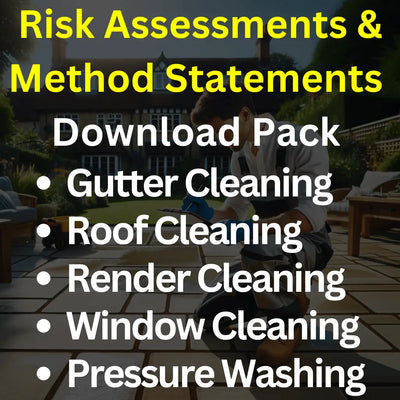
Roof cleaning carries significant risks, including falls from height, chemical exposure, public safety, overspray, weather changes and contaminated runoff. A written RAMS document is not just paperwork; it is a practical plan for how the job will be controlled.
For businesses wanting a more structured approach, the Risk Assessment and Method Statement Pack for exterior cleaning can help contractors build safer, more consistent documentation for exterior cleaning work.
At minimum, consider:
- Working at height controls and suitable access equipment.
- Exclusion zones for pedestrians, vehicles and customers.
- PPE appropriate to the chemical and task.
- COSHH assessment and access to safety data sheets.
- Runoff collection, dilution or diversion where needed.
- Protection of plants, lawns, ponds, metals and sensitive surfaces.
- Weather conditions, especially wind, rain and frost.
Step 3: Remove The Bulk Moss Safely
Heavy moss is often removed mechanically using roof scrapers, brushes or pole systems selected to match the tile profile. The aim is to remove the mass of growth without unnecessarily damaging the tile surface.
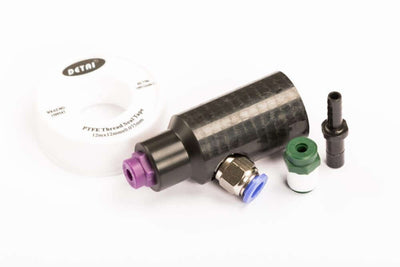
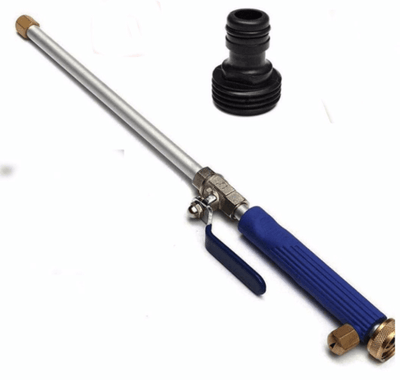
Low-pressure pole-based equipment can reduce the need to walk on roofs, although it does not remove the requirement for a proper working-at-height assessment. SoftWash UK supplies professional soft washing equipment for controlled application and exterior cleaning workflows, but equipment must always be matched to the risk and the operator’s competence.
Step 4: Clear Debris From Gutters And Ground Areas
Once the loose moss is removed, clear gutters, valleys and surrounding areas. Leaving piles of moss in gutters undermines the job and can cause drainage issues. Bag and dispose of waste responsibly in line with site requirements.
Step 5: Apply A Suitable Biocidal Treatment
Apply the selected treatment according to the manufacturer’s instructions, safety data sheet and relevant UK best practice. Ensure even coverage and avoid application during unsuitable weather. The aim is to contact remaining spores, algae and organic films left after mechanical removal.
Contractors should choose products from a reputable supplier and understand their limitations. SoftWash UK’s soft wash chemicals range includes professional exterior cleaning products for different surfaces and contamination types, but safe use depends on correct training, dilution, PPE and site controls.
Step 6: Set A Maintenance Schedule
A treated roof should be inspected periodically. In shaded or high-risk environments, a light maintenance treatment before heavy regrowth develops is usually more cost-effective than waiting for the roof to become heavily covered again.
For domestic properties, this may mean a visual inspection every year and a maintenance treatment every few years depending on exposure. For commercial and managed properties, roof and gutter inspections can be built into planned preventative maintenance schedules.
Common Myths About Roof Moss Coming Back
Myth 1: “If The Roof Was Cleaned Properly, Moss Should Never Return”
This is unrealistic. Moss spores are airborne and external surfaces are constantly exposed to moisture and organic matter. A proper clean can reduce contamination and slow regrowth, but it cannot permanently change the local environment.
Myth 2: “Pressure Washing Is Always The Best Roof Cleaning Method”
Pressure washing can produce a dramatic immediate result, but it is not always suitable for roof surfaces. It may increase surface porosity, disturb tiles and fail to provide long-term biological control unless accompanied by appropriate treatment.
Myth 3: “A Stronger Chemical Mix Always Works Better”
Incorrect and unsafe. Stronger is not automatically better. Over-strong mixes can increase risk to operators, surrounding surfaces, plants, metals and drainage systems. Products must be used in line with label instructions, COSHH assessments and professional training.
Myth 4: “A Roof That Looks Clean Does Not Need Maintenance”
By the time moss is visible from the ground, it may already be well established. Planned inspections and preventative treatments help keep contamination under control and reduce the need for aggressive cleaning later.
How To Explain Moss Regrowth To Customers Or Site Managers
Good communication prevents disputes. Contractors should explain the difference between immediate appearance and biological control before work begins. Facilities managers should also understand that moss regrowth is affected by site conditions, not just cleaning quality.
A clear customer explanation might sound like this:
“We will remove the heavy moss and apply a suitable treatment to help control remaining spores and organic growth. Because this roof is shaded and close to trees, moss pressure will remain higher than on an open south-facing roof. We recommend periodic inspection and maintenance treatment to keep regrowth under control.”
This kind of explanation is honest, professional and easier to defend than a vague promise of a permanent cure.
Safety And Best-Practice Notes For Roof Moss Treatment
Roof cleaning should never be treated as a casual add-on service. The risks are significant, especially when working at height and handling professional exterior cleaning chemicals.
- Do not walk on fragile or unsafe roofs without suitable access planning and fall protection.
- Do not apply chemicals in high wind where drift cannot be controlled.
- Do not allow uncontrolled runoff into ponds, watercourses or sensitive drainage areas.
- Do not mix chemicals unless the product instructions explicitly permit it and you are trained to do so.
- Do not use unlabelled containers or work without safety data sheets.
- Always complete a site-specific risk assessment and COSHH assessment.
- Always protect the public, occupants, pets, plants and neighbouring properties.
Contractors who want to build competence should consider structured training rather than learning by trial and error. The SoftWash UK training course covers professional softwashing knowledge, method selection, safety thinking and practical standards that help reduce costly mistakes.
When Moss Regrowth Is A Sign Of A Bigger Building Issue
Sometimes moss returning quickly is not simply a cleaning issue. It can indicate broader moisture or maintenance problems around the property.
Look for:
- Blocked downpipes causing water to overflow onto roof sections.
- Damaged gutters dripping onto lower roofs.
- Tree limbs holding moisture against roof surfaces.
- Roof valleys that do not drain properly.
- Damaged tiles creating water traps.
- Excessive shade caused by unmanaged vegetation.
For facilities managers, this is important because repeated cleaning without solving drainage or vegetation issues can waste budget. In some cases, pruning, gutter repairs or roof maintenance will do more to slow moss regrowth than cleaning alone.
Want To Preview Professional Softwashing Training?
If this is an area you want to understand properly, you can start by accessing the free SoftWash UK course preview. It includes selected lessons from the full training course and is designed to help contractors see whether professional softwashing training is the right next step.
FAQ: Why Moss Keeps Coming Back After Roof Cleaning
How quickly can moss come back after roof cleaning?
In high-risk conditions, small signs of regrowth can appear within months, especially if the roof was scraped or pressure washed without a biocidal treatment. On a correctly cleaned and treated roof with good sunlight and drainage, visible regrowth usually takes much longer. The exact timescale depends on shade, moisture, tile porosity, surrounding trees and maintenance.
Does roof moss always need to be removed before treatment?
Heavy moss should normally be removed before treatment because thick growth can prevent the product from reaching the tile surface and underlying contamination. Light green algae or early-stage moss may sometimes be treated directly, depending on the product and surface, but heavy moss blankets usually need mechanical removal first.
Is softwashing better than pressure washing for roof moss?
In many roof cleaning situations, a softwashing-led approach is more suitable because it focuses on controlled treatment of organic growth rather than relying only on force. However, the right method depends on the roof material, condition, access and contamination. SoftWash UK’s guide on whether softwashing better than pressure washing gives a broader comparison of the two approaches.
Can I stop moss from returning permanently?
No external roof can be guaranteed permanently moss-free. Spores are airborne and the UK climate provides regular moisture. The aim is to reduce contamination, slow regrowth and maintain the roof before moss becomes heavy again. Regular gutter clearance, vegetation management and periodic treatment all help.
Why does moss return more on one side of the roof?
Moss usually returns faster on shaded, damp elevations. In the UK, north-facing slopes often dry more slowly because they receive less direct sunlight. Roof sections under trees, behind chimneys or near taller buildings are also more likely to retain moisture and support regrowth.
Should gutters be cleaned at the same time as roof moss removal?
Yes. Moss debris often ends up in gutters and valleys during cleaning. If it is not removed, it can block drainage and keep the roof edge damp, which encourages further moss growth. Gutter clearance should be treated as part of the overall roof maintenance process.
Conclusion: Moss Returns When Roof Cleaning Is Treated As A One-Off Cosmetic Job
Moss keeps coming back after roof cleaning because the roof environment still supports growth, spores remain present and the original clean may not have included effective biological treatment or maintenance planning. Scraping or pressure washing can improve appearance, but long-term control requires a more considered process.
For contractors and property professionals, the best results come from diagnosing why the roof is growing moss, removing bulk contamination safely, treating residual biological growth, clearing drainage routes and setting realistic maintenance expectations. This is what separates a quick clean from a professional roof moss control service.
SoftWash UK supports the exterior cleaning industry with professional chemicals, equipment, training and educational resources for safe and responsible softwashing. If you want to improve your roof cleaning knowledge, explore suitable products or build a more professional service, visit SoftWash UK for further guidance and practical resources.