Removing Algae From Render: Why Soft Washing Is the Best Method ✅

If you're struggling with green or black algae stains on your rendered walls, you're not alone. In damp and shaded areas, it's a common problem—but one with a powerful and safe solution: soft washing. In this blog, we'll break down why soft washing is the best way to clean render and permanently remove algae without damaging your property. 🌿
🎯 Problem: Algae and Stains Are Ruining Your Rendered Walls
Render, whether it's K rend, monocouche, or silicone-based, is designed to give buildings a modern and clean finish. But its porous nature can attract unwanted guests—like algae, mildew, and mould. These biological contaminants do more than just look bad—they also degrade the surface over time, leading to expensive repairs or re-rendering. 😬
🔍 Why Not Just Power Wash It?
Many homeowners turn to pressure washing for a quick fix. But here’s what professional cleaners know:
- 💥 Pressure washing damages delicate render by eroding its surface.
- 🧼 It only removes surface algae—leaving spores embedded in the render to grow back fast.
That’s why professional exterior cleaning companies and trained applicators now prefer soft washing for rendered walls.
✅ Solution: Why Soft Washing is the Superior Method
Soft washing uses specialist cleaning solutions to eliminate algae, spores, and organic growth at the root—without scraping, blasting, or damaging surfaces. It’s the method SoftWash UK has perfected through years of industry experience.
How Soft Washing Works 🧪
Soft washing employs a mixture of water, surfactants, and biocides or sodium hypochlorite to deeply penetrate render and destroy algae cells at a molecular level.
Common soft washing components include:
- Clever Wash Surfactant – breaks surface tension for better chemical contact
- Soft Wash Pro 50 Biocide – provides long-term algae prevention
- Sodium Hypochlorite – for instant kill of organics and brightening the surface
Want to learn more about how to make your own soft wash mix? 🎧 Listen to our Podcast Episode on Mixing Ratios.
🛠️ Equipment You’ll Need for Soft Washing Render
To safely and effectively soft wash render, using the right tools is essential:
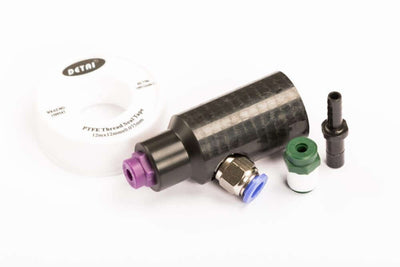
- Clever Injector (Dosatron) – Makes accurate chemical dosing easy
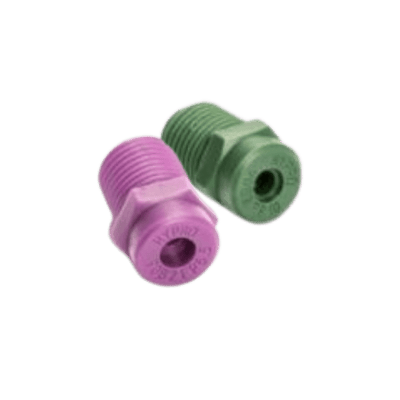
- Water Fed Pole Nozzle – Ideal for applying soft wash mix to tall walls
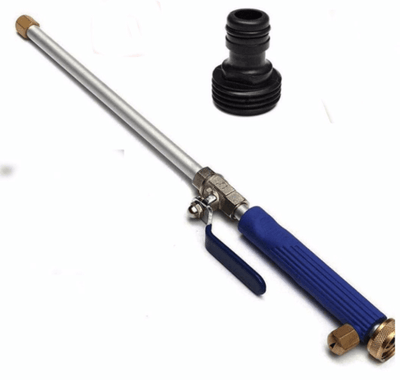
- More Soft Washing Equipment – For all job sizes and budgets
Using quality gear ensures you get pro results without the risk of property damage or plant kill 🌼.
⚠️ What About Safety and Legal Issues?
Good question! Sodium hypochlorite is a powerful chemical. Applying it incorrectly can lead to:
- 🌱 Harm to plants
- 💨 Harsh fumes
- ⚖️ Legal consequences if used irresponsibly
That’s why chemical handling training is vital. Start with this self-study online course to stay safe and legal: Softwash Chemical Handling Online Course.
💡 Pro Tip: Use a Residual Biocide
For long-lasting protection against algae regrowth, we recommend applying a second biocide treatment after soft washing. Products like Pro 50 DDAC Biocide provide residual protection.
Learn more on the Do Biocides Have Residual Power? episode of the SoftWash Podcast with Mark Cave 🎙️.
🌟 Expert Application vs. DIY
Some homeowners do soft washing themselves with great success. But for bigger jobs or commercial properties, hiring a trained applicator is highly recommended. They’ll have:
- ✅ Insurance
- ✅ Safety gear and PPE
- ✅ Top-grade professional chemicals
Want to learn how to soft wash like a pro? Enrol in our SoftWash Training Course today! 🎓
📌 Summary: Why Choose Soft Washing for Render?
Here's why soft washing is your best bet for algae on render:
- ✅ Kills algae at the root—not just surface level
- ✅ Gentle on render—no high-pressure damage
- ✅ Long-lasting results with residual biocides
- ✅ Eco-conscious and efficient
👉 Ready to Restore Your Render?
Whether you're a homeowner or a cleaning professional, SoftWash UK has the tools, training, and chemicals you need to transform your property. Don't let algae ruin your exterior—visit us today to browse industry-leading products and start your journey to a cleaner, greener home. 🧼🏠
——
Also Check Out: