The Secret to Longer Lasting Patio Cleaning Results
The secret to longer lasting patio cleaning results is to do more than remove visible dirt. Identify what is growing on the paving, choose a cleaning method that suits the surface, use an appropriate treatment where needed, and address the damp conditions and debris that encourage regrowth.
Pressure washing can transform a patio in an afternoon. However, if organic contamination is not adequately addressed, joints are damaged or standing water remains, the clean appearance may not last as long as the customer expects.
For UK exterior cleaning contractors, property maintenance teams and serious DIY users, the best approach combines effective cleaning, surface protection and planned maintenance. It is not simply a case of using more pressure or stronger chemicals.
Why Do Patios Turn Green Again After Cleaning?
Patios are exposed to airborne spores, soil, rainfall, fallen leaves and regular foot traffic. Cleaning does not make an outdoor surface sterile, and fresh contamination begins accumulating as soon as the work is finished.
The speed of visible regrowth depends on several connected factors:
- Moisture: shaded paving and poorly drained areas stay wet for longer.
- Organic debris: leaves, soil and grass cuttings trap moisture and provide conditions that favour growth.
- Surface texture: rough or porous paving can retain dirt and moisture more readily than smoother materials.
- Existing contamination: algae, moss and established lichen do not all respond to the same cleaning process.
- Surroundings: trees, overflowing gutters, irrigation and adjoining lawns can continually recontaminate a patio.
- Maintenance: a neglected patio generally deteriorates faster than one that is swept and inspected regularly.
A familiar example is a patio with an open, sunny seating area and a narrow strip beside a shaded wall. Both sections receive the same clean, but the wall-side paving turns green first. The difference is often drying time, not inconsistent workmanship.
Clean Appearance and Longer-Term Control Are Different Goals
A patio can look clean while still having contamination within its surface texture or joints. Equally, a treatment may act on biological growth without immediately removing all the dead material, embedded dirt or staining.
This distinction matters when selecting a method and explaining the result to a customer.
What pressure washing does well
Pressure washing is useful for removing accumulated soil, loose organic matter and surface contamination from suitable paving. Correctly selected equipment can clean large areas efficiently.
However, excessive pressure, unsuitable nozzles or working too close can erode vulnerable surfaces, expose aggregate and remove jointing material. A damaged, roughened surface may become harder to maintain afterwards.
Where softwashing fits
Softwashing uses suitable cleaning chemistry and low-pressure application to address contamination rather than relying primarily on mechanical force.
On patios, a chemical-led method may be appropriate on its own or as part of a controlled cleaning process. The right choice depends on the paving, contamination, drainage, surrounding materials and product instructions.
The practical question is not which method always wins. It is which method, or combination of methods, produces an effective result without unnecessary damage. SoftWash UK’s guide to softwashing vs pressure washing explains the distinction in more detail.
Match the Cleaning Method to the Patio Material
Identify the paving before choosing chemicals or setting up the pressure washer. “Natural stone” is not a sufficient specification: sandstone, limestone, slate and granite can behave differently.
| Patio material | Key consideration | Practical approach |
|---|---|---|
| Concrete paving slabs | Aged or weathered surfaces may be vulnerable to erosion. | Test first, use controlled pressure where appropriate, and check chemical compatibility. |
| Sandstone | Porosity, mineral content and surface condition vary. | Use a discreet test area and avoid assuming that one successful method suits every sandstone patio. |
| Limestone | Acidic products can etch the stone; some treatments can affect its appearance. | Use only a confirmed compatible process and test for colour or finish changes. |
| Porcelain paving | Textured finishes can retain deposits, while joints may be less resistant than the tiles. | Follow the paving manufacturer’s advice and protect the jointing system. |
| Block paving | Cleaning can displace jointing sand and reveal existing movement. | Assess stability and plan any necessary re-sanding after cleaning and drying. |
| Sealed or coated paving | Chemicals or pressure may affect the coating. | Identify the coating and follow its maintenance requirements before proceeding. |
Check the joints as carefully as the paving. Loose mortar, resin jointing and kiln-dried sand require different handling. A clean slab surrounded by failed joints is not a complete maintenance outcome.
A Step-by-Step Process for Longer Lasting Patio Cleaning
1. Inspect the patio and record existing defects
Look for loose slabs, cracks, failed pointing, surface erosion, drainage problems and previous coatings. Photograph existing defects before work starts.
Identify the contamination too. Green algae, moss, black lichen spots, rust, oil and efflorescence are different problems. Trying to remove every mark with one chemical often leads to unnecessary repeat applications.
For contractors, this inspection should inform both the quotation and the method statement. Make clear whether joint repairs, stain removal or drainage improvements are included.
2. Remove loose debris and investigate water retention
Sweep up leaves, soil and loose moss before wet cleaning. Clear accessible drainage channels and check whether pots, furniture or stored materials are trapping debris.
Look beyond the paving itself. A leaking downpipe or an irrigation head spraying the patio can undermine an otherwise effective clean.
Standing water caused by incorrect falls or failed construction usually needs a paving or drainage repair. Cleaning cannot correct the underlying defect.
3. Test the proposed method
Choose an inconspicuous area that represents the actual paving and contamination. Test the intended chemical process, agitation and rinsing or pressure-washing method.
Assess the area after it has dried where practical. Wet stone can hide colour changes, patchiness and surface damage.
A useful test confirms more than cleaning power: it checks whether the method is acceptable for the stone, joints, coatings and adjacent materials.
4. Remove contamination without unnecessary damage
If pressure washing is appropriate, select the nozzle, flow, working distance and pressure for the surface. Start conservatively and adjust only as necessary.
A surface cleaner can improve consistency on suitable paving, but it is not automatically safe at every machine setting. Watch for striping, exposed aggregate and displaced jointing.
Where chemicals are required, use a product intended for the task and follow its label. Depending on the process, treatment may come before mechanical cleaning, afterwards, or form the main cleaning method. There is no universal sequence suitable for every product.
5. Apply any follow-up treatment correctly
A suitable biocidal treatment may help address biological contamination, but it should not be presented as a permanent barrier against regrowth. Whether follow-up treatment is appropriate depends on what has already been used, the remaining growth and the product’s authorised uses.
SoftWash UK supplies professional softwashing chemicals for different cleaning requirements. Selection should be based on the surface, target contamination and application instructions, not simply the strongest available concentrate.
Observe the specified dilution, coverage, contact time, weather restrictions and rinsing requirements. Do not layer different products without establishing compatibility and following the required separation or rinsing procedure.
6. Restore joints where necessary
Inspect the joints after cleaning. Block paving may need re-sanding once sufficiently dry, while damaged mortar or failed jointing compounds may require repair.
Follow the relevant manufacturer’s requirements for preparation, installation and curing. Poorly filled or failing joints collect debris and can allow vegetation to establish.
7. Provide a maintenance plan
Give the customer or maintenance team a short, usable handover:
- Sweep away leaves, soil and grass cuttings regularly.
- Keep drainage channels clear.
- Check shaded edges and areas beneath furniture for early regrowth.
- Deal with spills promptly using a surface-compatible method.
- Arrange inspections according to site conditions rather than waiting for heavy contamination.
For facilities managers, add these checks to the planned maintenance schedule and record recurring wet or slippery areas.
Choosing Chemicals and Equipment Responsibly
Different chemical groups perform different jobs. An oxidising cleaner, a biocidal treatment and a specialist mineral stain remover are not interchangeable.
Sodium hypochlorite-based products are used professionally for suitable organic contamination, while some other biocidal products are intended to act over a different timescale. Neither should be assumed suitable for every patio. The Knowledge Centre guide to softwashing chemicals provides useful background.
Never mix hypochlorite with acids, ammonia or other chemicals unless an explicitly approved formulation and procedure permits it. Dangerous gases can be released. A surfactant or fragrance does not make an otherwise unsafe mixture acceptable.
For biocidal products, check that the product can lawfully be supplied and used for the intended purpose in your jurisdiction. Requirements can differ between Great Britain and Northern Ireland. Read the label and safety data sheet; a safety data sheet alone is not evidence of product authorisation.
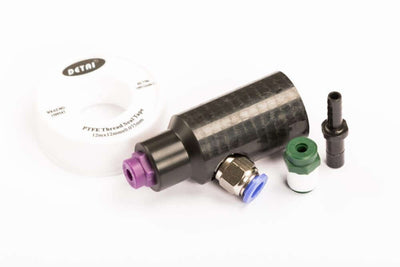
Equipment choice matters just as much. Reliable, chemically compatible softwashing equipment helps deliver controlled application and consistent coverage. Check seals, hoses and fittings, calibrate dosing equipment, and inspect for leaks before starting.
Safety and Environmental Controls Are Part of the Result
A successful patio clean must protect people, planting, buildings and watercourses as well as improve appearance.
- Assess exposure: complete a suitable COSHH assessment and select controls and PPE for the actual product and task.
- Control access: keep pedestrians, children and pets away from the work area for the period specified by the risk assessment and product instructions.
- Check the weather: wind, rain, frost and hot surfaces can affect application and increase risk.
- Protect adjacent materials: assess risks to metals, painted finishes, timber, glass and planting.
- Plan runoff management: identify drains before work. Do not allow chemicals or contaminated wash water to enter surface-water drains or watercourses. Check the applicable requirements for collection and lawful disposal.
- Manage slips: wet paving, loosened algae and cleaning residues can create temporary hazards.
SoftWash UK’s exterior cleaning RAMS pack can support job planning, but documentation must be adapted to the site, products, equipment and people involved.
If you want to understand the professional approach before committing to full training, you can try selected lessons from the SoftWash UK course for free. The preview is a useful next step for exploring the teaching style and approach behind professional softwashing.
Common Mistakes That Shorten Patio Cleaning Results
Using more pressure instead of diagnosing the stain
Persistent black spots may be established lichen, while orange marks may be mineral staining. Repeatedly increasing pressure can damage the paving without resolving the cause.
Assuming stronger chemical means longer protection
Increasing concentration beyond the label is not a reliable way to extend results. It can increase exposure, damage surfaces and create environmental risks.
Leaving dead material and dirty water behind
Killing growth and removing its remains are separate tasks. Where the method calls for rinsing or physical removal, carry it out properly and manage the resulting wash water.
Sealing before solving moisture or contamination problems
A compatible sealer may improve resistance to certain stains, but it does not replace cleaning or drainage maintenance. Incorrect application can cause patchiness, trapped moisture or changes in slip resistance.
Promising a fixed algae-free period
Exposure varies too much for a universal guarantee. Explain the factors affecting durability and distinguish expected performance from a contractual warranty.
How Long Should a Clean Patio Stay Clean?
There is no single reliable timeframe. A sheltered, well-drained patio with regular sweeping may retain its appearance far longer than damp paving beneath trees.
Inspect after cleaning and review performance over the following seasons. Record where regrowth starts, whether drainage remains effective and how well the maintenance plan is being followed.
For contractors, consistent photographs and site notes provide a stronger basis for future recommendations than broad claims about years of protection. SoftWash UK’s explanation of how long does softwashing last explores the factors behind different outcomes.
Frequently Asked Questions
What keeps a patio clean for longer?
A surface-appropriate clean, suitable treatment where needed, sound joints, good drainage and regular debris removal work together to extend the result. No single product compensates for persistent damp or neglected maintenance.
Should I apply a biocide after pressure washing?
Sometimes, but not automatically. Consider the remaining contamination, previous chemical use, paving material and product label. A follow-up treatment should have a clear purpose and be compatible with the cleaning process.
Is softwashing better than pressure washing for patios?
Neither is universally better. Pressure washing removes physical deposits efficiently on suitable paving, while softwashing can address biological contamination with less reliance on force. Some patios benefit from a carefully planned combination.
Does patio sealing stop algae?
No sealer should be assumed to prevent algae entirely. Some sealers can alter absorbency or make certain cleaning tasks easier, but moisture, debris and environmental exposure still influence growth.
How often should a patio be cleaned?
Base cleaning on condition rather than a fixed calendar alone. Inspect shaded and high-use areas regularly, especially during wetter periods. Timely maintenance may avoid the need for another intensive restoration clean.
Can DIY users achieve lasting results?
Yes, particularly on straightforward patios using suitable consumer products exactly as directed. Unknown stone, extensive lichen, drainage risks or damaged paving are good reasons to seek competent professional advice.
Better Preparation Produces Longer Lasting Results
Longer lasting patio cleaning comes from a complete process: identify the surface and contamination, clean without unnecessary damage, use chemicals responsibly, restore joints where needed and reduce the conditions that encourage regrowth.
For contractors, that approach supports clearer quotations, better handovers and more useful maintenance agreements. For property managers and homeowners, it means understanding what cleaning can achieve and what needs ongoing attention.
SoftWash UK supplies professional softwashing chemicals, equipment and education to help users make informed decisions. Explore the resources linked above or consider the SoftWash UK softwashing training course to develop a more structured approach to surface assessment, application and safe working. The aim is not simply a brighter patio on completion day, but a result that is easier to maintain afterwards.