How to Remove Algae From Driveways
To remove algae from driveways properly, first identify the surface type, clear loose debris, protect nearby plants and drainage, then treat the affected area with a suitable professional exterior cleaning solution before rinsing or lightly pressure washing where appropriate. For long-lasting results, algae needs to be killed at the root rather than simply blasted off the surface with high pressure water.
For UK exterior cleaning contractors, facilities managers and serious DIY users, the best method usually combines controlled softwashing chemistry, sensible agitation, careful rinsing and good site safety. Pressure washing alone can make a green driveway look clean on the day, but if the biological growth is not treated properly, algae often returns quickly, especially on shaded, north-facing or poorly drained areas.
This guide explains how to remove algae from concrete, block paving, tarmac, resin-bound and natural stone driveways using professional best practice. It also covers when to use softwashing, when pressure washing is appropriate, common mistakes, safety considerations and how to reduce regrowth.
Why Algae Grows on Driveways
Algae thrives where there is moisture, shade and organic matter. Driveways often provide all three. The growth usually appears as green, black-green or slippery staining across the surface, especially in corners, under parked vehicles, near walls, beneath overhanging trees and along north-facing elevations.
The most common causes include:
- Poor sunlight exposure and shaded areas.
- Standing water or slow drainage.
- Organic debris from trees, hedges and soil run-off.
- Porous paving that holds moisture.
- Frequent vehicle parking that traps damp beneath tyres.
- Previous cleaning that removed visible algae but did not treat the spores.
From a contractor’s point of view, algae on a driveway is not only a cosmetic issue. It can create a slip risk, particularly on smooth concrete, sealed block paving, clay pavers and resin surfaces. For facilities managers, this can become a duty-of-care concern if the area is used by staff, visitors or residents.
Algae, Moss and Lichen: Why Identification Matters
Before choosing a cleaning method, identify what you are dealing with. Algae is usually a thin green film or staining. Moss is thicker and often forms cushions or clumps in joints. Lichen tends to appear as small black, white, grey or orange spots that bond tightly to the surface.
| Growth Type | Typical Appearance | Common Location | Cleaning Consideration |
|---|---|---|---|
| Algae | Green film, slippery surface, light staining | Shaded and damp areas | Usually responds well to controlled chemical treatment and rinse down |
| Moss | Raised green clumps or cushions | Block paving joints, cracks, edges | Often needs mechanical removal before treatment |
| Lichen | Black, white, grey or orange spots | Concrete, stone, slabs and older paving | May require longer dwell time and repeat treatment |
Misidentification is one of the reasons driveway cleaning jobs fail. A light algae bloom on concrete may clean quickly. Heavy lichen on porous stone is a different task entirely. Always survey the surface, test a small area and explain realistic expectations to the client before quoting.
Softwashing vs Pressure Washing for Algae on Driveways
Both softwashing and pressure washing have a place in driveway cleaning, but they solve different parts of the problem. Pressure washing removes surface contamination by force. Softwashing uses cleaning chemistry to treat organic growth at a biological level.
If you are unsure about the difference, SoftWash UK’s Knowledge Centre guide to softwashing vs pressure washing explains the two methods in more detail.
| Method | Best For | Limitations | Professional Use |
|---|---|---|---|
| Pressure washing | Removing mud, surface dirt, loose moss and heavy debris | Can damage joints, disturb sand, scar soft surfaces and leave live spores behind | Useful as part of preparation or rinse down when used carefully |
| Softwashing | Killing algae, organic staining and biological growth | Requires chemical knowledge, PPE, dwell time and surface suitability checks | Ideal for treating algae and reducing rapid regrowth |
| Combined approach | Heavily soiled driveways with algae, moss and general dirt | Requires good sequencing and site management | Often the most effective professional method |
In practice, many professional driveway algae removal jobs use a combined approach: pre-clear debris, apply a suitable cleaning solution, allow controlled dwell time, lightly agitate as needed, then rinse or pressure wash at appropriate pressure for the surface.
Can You Remove Driveway Algae Without Pressure Washing?
Yes, in many cases algae can be removed from driveways without aggressive pressure washing, especially when the contamination is mainly green surface growth rather than compacted dirt. A properly selected softwashing treatment can break down and kill algae so it can be rinsed away or allowed to weather off, depending on the surface, product and client expectations.
This is particularly useful where high pressure could cause damage, such as:
- Older block paving with weak joints.
- Decorative concrete with surface wear.
- Natural stone that may be soft or layered.
- Resin-bound driveways where manufacturer guidance must be followed.
- Areas with poor drainage where wash water must be controlled.
For contractors, knowing when not to use pressure is just as important as knowing when to use it. The question is not “softwash or pressure wash?” but “what is the safest and most effective process for this surface?” For a broader overview, the SoftWash UK guide on softwashing is a useful starting point.
Best Chemicals for Removing Algae from Driveways
Professional driveway algae removal typically involves exterior cleaning chemicals designed to treat organic growth. The exact product choice depends on the surface, level of contamination, required speed of result, environmental controls and operator competence.
SoftWash UK supplies a range of professional softwash chemicals for contractors and property maintenance teams. The important point is to select the correct product for the task, not simply the strongest chemical available.
Sodium Hypochlorite-Based Cleaning
Sodium hypochlorite for soft washing is commonly used by trained professionals to treat algae, mould and organic staining on suitable exterior surfaces. It works quickly and can be very effective on green algae when applied correctly.
However, sodium hypochlorite must be handled responsibly. It can damage plants, discolour sensitive materials, corrode metals, affect clothing and create dangerous reactions if mixed with incompatible chemicals. Operators should understand dilution, dwell time, PPE, run-off control, storage, transport and emergency procedures.
Surfactants for Better Contact Time
On sloped drives, vertical edges and textured paving, cleaning solution can run off too quickly. A surfactant helps the solution cling to the surface and wet out the algae more evenly. Products such as Clever Wash Surfactant can improve contact time when used as part of a suitable softwash mix and method.
In real-world terms, better cling often means fewer missed patches, more consistent results and less waste, particularly on uneven block paving or decorative concrete.
Biocidal Treatments for Longer-Term Control
Some projects benefit from a biocidal treatment designed to keep working after application. These are often used where the goal is longer-term suppression of regrowth rather than an instant brightening effect. Always check the product label, surface compatibility and any relevant legal requirements before use.
For more detail on the types of products used professionally, read SoftWash UK’s Knowledge Centre guide to softwashing chemicals.
Surface-Specific Advice for Driveway Algae Removal
Not all driveway materials should be treated the same way. A process that works well on cast concrete may be unsuitable for resin-bound aggregate or soft natural stone. Always inspect first and complete a test patch in an inconspicuous area.
| Driveway Surface | Recommended Approach | Key Cautions |
|---|---|---|
| Concrete | Softwash treatment followed by controlled rinse or pressure wash if needed | Watch for existing surface wear, cracks and previous sealers |
| Block paving | Remove loose moss, treat algae, rinse carefully, consider re-sanding joints after washing | High pressure can remove jointing sand and destabilise blocks |
| Tarmac/asphalt | Use caution, low pressure and surface-compatible treatment only | Strong chemicals and pressure can affect aged or fragile surfaces |
| Resin-bound | Follow manufacturer guidance, use gentle methods and avoid excessive pressure | Always test first; avoid damaging binder or loosening aggregate |
| Natural stone | Identify stone type, test patch, use controlled softwashing where suitable | Some stone is sensitive to chemicals, staining, acid products or aggressive washing |
| Porcelain paving | Usually responds to cleaning solution, agitation and rinse | Can become very slippery during treatment; control pedestrian access |
Step-by-Step: How to Remove Algae From a Driveway
The following process is suitable as a professional framework. It must be adapted to the site, surface, product instructions and risk assessment.
1. Survey the Driveway
Start with a proper inspection. Look for surface type, drainage, nearby plants, metal features, painted edges, garage doors, public footpaths, air bricks, drains, oil stains and previous sealers. Check whether the green staining is algae alone or mixed with moss, lichen, soil and tyre marks.
For contractors, this is also the stage to manage expectations. A driveway with years of black spot lichen, oil staining and failed sealer will not behave like a lightly green concrete drive.
2. Complete a Risk Assessment
Before applying any chemical, assess risks to people, pets, vehicles, plants, watercourses and surrounding property. Consider slip risk, overspray, chemical storage, public access and wash water management.
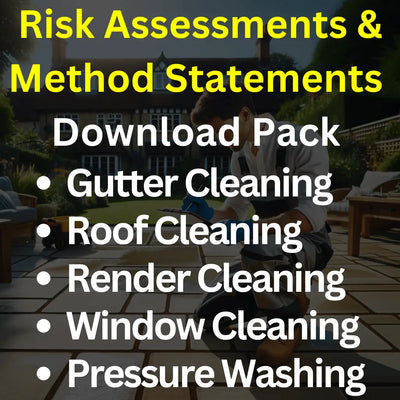
For professional operators, written documentation is part of good practice. SoftWash UK offers a Risk Assessment and Method Statement pack for exterior cleaning, which can help contractors build safer, more consistent site procedures.
3. Clear Loose Debris
Brush or blow away leaves, soil, grit and loose moss. Heavy debris prevents the cleaning solution from reaching the algae properly. On block paving, scrape out thick moss from joints where needed, but avoid damaging the blocks or pulling out more jointing material than necessary.
4. Protect Surrounding Areas
Pre-wet nearby plants and grass, move vehicles, protect sensitive metals and control access. If the driveway falls towards a public path, road drain or planted border, plan how you will manage run-off before you start.
Simple site discipline makes a big difference. Keep hoses tidy, cone off working areas and never leave a treated surface open to pedestrians while it is wet and slippery.
5. Prepare the Cleaning Solution Safely
Follow the manufacturer’s instructions and safety data sheet for the chosen product. Wear suitable PPE, which may include chemical-resistant gloves, eye protection, boots and appropriate workwear. Never mix sodium hypochlorite with acids, ammonia-based cleaners, descalers or unknown products. Dangerous gases can be produced.
Use clean measuring equipment and clearly labelled containers. On commercial work, ensure COSHH information is available and that staff are trained in safe handling.
6. Apply Evenly and Allow Dwell Time
Apply the cleaning solution evenly to the algae-affected areas using suitable soft washing equipment. Work methodically from one section to the next and avoid excessive overspray.
Dwell time is where many results are won or lost. The product needs time to work, but it should not be allowed to dry out where the product instructions advise against it. On warm, windy days, smaller sections are often easier to control.
7. Agitate Stubborn Areas
Use a suitable brush on stubborn patches, textured pavers or edges. Agitation helps break the surface tension and exposes algae that may be sitting in pores, grooves and joints.
Do not use aggressive wire brushing on decorative surfaces, tarmac or soft stone. The aim is to assist the chemistry, not damage the substrate.
8. Rinse or Pressure Wash Appropriately
After the correct dwell time, rinse according to the product guidance and the job specification. On some surfaces, a low-pressure rinse may be enough. On heavily soiled concrete or block paving, a controlled pressure wash may be suitable after treatment.
If using pressure, keep the lance angle sensible, avoid cutting lines into the surface and take care around joints, edges, expansion gaps and drainage channels.
9. Re-Sand Block Paving if Required
If pressure washing has removed jointing sand from block paving, allow the surface to dry and re-sand with kiln-dried sand where appropriate. This helps stabilise the blocks and improves the finished appearance.
10. Consider a Maintenance Treatment
For shaded driveways that repeatedly turn green, discuss a maintenance schedule with the client. A light periodic treatment is often more cost-effective than waiting until the surface becomes heavily contaminated again.
Softwashing is not a permanent forcefield, but a properly treated driveway usually stays cleaner for longer than one cleaned with water pressure alone. If you want to understand expected timescales, see the Knowledge Centre guide on how long does softwashing last.
Dealing With Oil Stains Before Algae Treatment
Many driveways have algae and oil staining in the same area, especially where vehicles park regularly. Oil and grease can interfere with cleaning because they repel water-based treatments and trap dirt.
Where oil staining is present, treat it separately with a suitable degreasing product before the algae process. For professional driveway work, Grenade Driveway Oil Stain Remover may be useful as part of the preparation stage. Always test first and follow the product instructions, especially on sensitive or sealed surfaces.
Common Mistakes When Removing Algae From Driveways
Using Too Much Pressure
High pressure can blast algae away, but it can also scar concrete, remove jointing sand, damage tarmac and force water into places it should not go. The visible result may look good initially, but the algae often returns because spores remain in the surface.
Using Household Bleach Without Understanding the Risks
Household bleach is not the same as a controlled professional softwashing process. Strength, surfactants, dwell time, surface compatibility, run-off control and safety documentation all matter. Uncontrolled bleach use can damage property and harm plants.
Mixing Chemicals
Never mix cleaning chemicals unless the product manufacturer specifically instructs you to do so. Mixing sodium hypochlorite with acids, vinegar, toilet cleaner or descalers can produce toxic chlorine gas. This is not a minor risk; it is potentially life-threatening.
Ignoring Drainage and Run-Off
Driveways often drain towards roads, public footpaths, surface water drains or planting beds. Plan your wash water control before you apply product. Facilities managers and contractors should be especially careful around commercial premises, schools, care homes and shared access areas.
Skipping the Test Patch
Even experienced contractors should test uncertain surfaces. Previous sealers, weak concrete, unusual stone, coloured tarmac and resin-bound systems can react differently. A small test patch can prevent a costly complaint.
Safety and Best Practice for Professional Results
Removing algae from driveways involves slip hazards, chemical handling and public access risks. Good operators work safely and systematically, not just quickly.
- Wear appropriate PPE for the chemical and task.
- Read the product label and safety data sheet before use.
- Keep people and pets away from the work area.
- Do not spray in windy conditions where drift cannot be controlled.
- Pre-wet and rinse vulnerable plants where appropriate.
- Protect metals, painted finishes and sensitive materials.
- Use signs or cones where pedestrian access is possible.
- Manage run-off responsibly and avoid contamination of watercourses.
- Store and transport chemicals securely and legally.
- Train staff before allowing them to apply chemicals on site.
For contractors who want to build their knowledge before investing in full training, SoftWash UK offers a free course preview with selected lessons from the full training programme. It gives you a practical look at the teaching style, structure and professional approach used inside the course.
How to Stop Algae Coming Back on a Driveway
You cannot permanently stop algae growing on an outdoor surface, but you can significantly reduce how quickly it returns. The key is to reduce moisture, remove organic matter and use an appropriate maintenance regime.
Practical ways to reduce regrowth include:
- Trim back overhanging vegetation to improve airflow and sunlight.
- Clear leaves and debris regularly.
- Improve drainage where water sits on the surface.
- Clean gutters and downpipes that discharge onto the driveway.
- Use maintenance softwashing treatments before algae becomes established.
- Avoid leaving vehicles parked for long periods over damp, shaded areas.
For commercial premises, a planned maintenance schedule is often better than reactive cleaning. A light treatment before winter or early spring can help manage slip risk and keep the site presentable.
When Should You Recommend Professional Training?
Anyone applying softwashing chemicals professionally should understand more than just “what to spray”. They should know how to survey, quote, assess risk, protect surfaces, choose chemicals, calculate coverage, manage dwell time, prevent damage and comply with UK health and safety expectations.
SoftWash UK’s Soft Wash Training Course is designed for contractors who want a structured way to learn professional methods rather than relying on guesswork or advice from social media. For property maintenance teams and facilities managers, training also helps create consistent internal standards and safer working procedures.
FAQ: Removing Algae From Driveways
What is the fastest way to remove algae from a driveway?
The fastest professional method is usually a suitable softwash treatment followed by controlled rinsing or pressure washing where the surface can tolerate it. The chemical treatment kills the algae, while rinsing or washing removes dead growth and loosened dirt. Always follow product guidance and complete a test patch first.
Will pressure washing alone remove algae?
Pressure washing can remove visible green algae from the surface, but it may not kill spores within pores, joints and textured areas. This is why algae often returns quickly after pressure washing alone. A properly applied softwashing treatment usually gives a longer-lasting result.
Can algae make a driveway slippery?
Yes. Algae can create a slippery film, especially when wet. This is a common issue on shaded concrete, porcelain, block paving and resin-bound surfaces. For commercial and shared access areas, algae should be treated as a potential slip hazard.
Is sodium hypochlorite safe to use on driveways?
Sodium hypochlorite can be effective on suitable driveway surfaces when used by trained and competent operators following the correct safety procedures. It must be diluted, applied and rinsed responsibly. It should not be used casually, mixed with other chemicals or allowed to damage plants, metals, clothing or sensitive surfaces.
How often should a driveway be treated for algae?
It depends on shade, drainage, surface porosity and surrounding vegetation. Some driveways may need treatment every 12 to 24 months, while heavily shaded or damp sites may need lighter maintenance more often. Planned maintenance normally gives better results than waiting for heavy regrowth.
Can I remove algae from block paving without removing the jointing sand?
Yes, if the contamination is mainly algae and the joints are stable, a controlled softwash process and gentle rinse may reduce the need for heavy pressure washing. However, if you do pressure wash block paving, some jointing sand loss is common and re-sanding may be required once the surface is dry.
Conclusion: The Best Way to Remove Algae From Driveways
The best way to remove algae from driveways is to treat it as biological growth, not just surface dirt. A professional process should include inspection, surface identification, risk assessment, plant and property protection, suitable cleaning chemistry, controlled dwell time and appropriate rinsing or pressure washing.
Pressure washing has its place, but it is not always the complete answer. Softwashing helps kill algae more effectively and can reduce rapid regrowth when used correctly. The safest and most reliable results come from understanding the surface, the chemical, the weather conditions and the risks on site.
SoftWash UK supports UK contractors, property maintenance professionals and facilities teams with specialist softwashing chemicals, equipment, training and educational resources. If you are looking to improve your driveway algae removal process, explore the SoftWash UK Knowledge Centre, review suitable professional products and consider structured training so your methods are safe, consistent and commercially effective.
To learn more about professional softwashing supplies and education, visit SoftWash UK for practical resources, equipment and training built around responsible exterior cleaning.