The Biggest Driveway Cleaning Mistakes
The biggest driveway cleaning mistakes are usually caused by treating every surface the same, relying on pressure alone, using the wrong chemical for the stain, ignoring drainage and run-off, and failing to protect surrounding materials. For UK exterior cleaning contractors, facilities managers, property maintenance teams and serious DIY users, these mistakes can lead to damaged paving, poor results, dissatisfied clients, safety issues and unnecessary re-cleans.
A good driveway clean is not just a matter of turning up with a pressure washer and blasting the surface. The best results come from identifying the driveway material, understanding the contamination, choosing the correct cleaning method, managing risk, and setting realistic expectations before work starts.
This guide explains the most common driveway cleaning mistakes we see in the field, why they happen, and how to avoid them using safe, professional and practical working methods.
Why Driveway Cleaning Goes Wrong
Driveway cleaning looks straightforward from the outside, but it involves a lot of judgement. Block paving, concrete, resin bound stone, tarmac, natural stone and clay pavers all behave differently under pressure, chemistry and agitation.
Most problems happen when contractors or property owners skip the survey stage and assume the same process will work on every surface. That approach often causes:
- Joint sand loss and unstable block paving
- Etching or surface damage on concrete and natural stone
- Striping, wand marks and uneven cleaning
- Unremoved oil, rust, algae or lichen stains
- Chemical damage to lawns, plants, metals or drains
- Premature organic regrowth
- Customer disputes caused by poor expectation setting
Professionals need to understand both mechanical cleaning and chemical cleaning. If you are unsure where softwashing fits into exterior cleaning, the SoftWash UK Knowledge Centre guide on softwashing is a useful starting point.
Mistake 1: Using Too Much Pressure On Every Driveway
High pressure is useful, but it is also one of the easiest ways to damage a driveway. Many new contractors assume more pressure equals a better clean. In practice, excess pressure often removes the top layer of the surface, opens the pores, damages joints and leaves visible lines.
Common pressure-related damage
- Block paving: blown-out kiln-dried sand, loose blocks and damaged edges.
- Concrete: etched lines, exposed aggregate and uneven patches.
- Natural stone: surface scarring, colour variation and increased porosity.
- Tarmac: dislodged binder, loose stones and patchy appearance.
- Resin bound surfaces: damaged resin matrix if pressure and nozzle distance are wrong.
Pressure should be controlled by adjusting flow rate, nozzle choice, distance from the surface and machine power. A flat surface cleaner is often safer and more consistent than using a lance alone, but even a surface cleaner can cause damage if the pressure is too high or the operator moves too slowly.
The professional approach is to clean with the least aggressive method that achieves the result. That may involve pre-treatment, dwell time and controlled rinsing rather than aggressive blasting.
Mistake 2: Not Knowing The Difference Between Pressure Washing And Softwashing
Pressure washing and softwashing are not the same job. Pressure washing uses mechanical force to remove dirt and surface contamination. Softwashing uses controlled chemical application to treat organic growth such as algae, lichen, moss and biofilm, often with low-pressure rinsing where appropriate.
For many driveway cleans, the best result comes from combining methods. Pressure may remove surface soil and debris, while softwashing can help treat remaining organic staining and reduce rapid regrowth. If you want a clear breakdown, read SoftWash UK’s guide to softwashing vs pressure washing.
| Cleaning Method | Best For | Main Risk If Used Incorrectly |
|---|---|---|
| Pressure washing | Removing loose dirt, mud, weeds, surface grime and debris | Surface damage, joint sand loss, striping and water ingress |
| Softwashing | Treating algae, lichen, black spotting and biological staining | Chemical misuse, plant damage or staining if not applied responsibly |
| Specialist stain treatment | Oil, rust, tannin, fertiliser marks and specific mineral staining | Using the wrong product and making the stain worse |
One of the biggest professional mistakes is treating softwashing as “just spraying chemicals”. Correct softwashing involves surface assessment, dilution control, dwell management, safe application, awareness of run-off, and clean-up procedures.
Mistake 3: Cleaning Without Identifying The Surface First
Before any driveway clean, identify the surface. This should be part of your survey, quotation and method statement. If you do not know the material, you cannot choose the right pressure, chemical, dwell time or rinse method.
Driveway surface checks before cleaning
- Is it block paving, concrete, tarmac, resin bound, resin bonded, porcelain, sandstone, limestone or clay?
- Is the surface sealed, coated or previously treated?
- Are there loose areas, cracks, failed pointing or sunken blocks?
- Is drainage adequate, blocked or connected to sensitive areas?
- Are there nearby lawns, planted borders, ponds, metals, painted surfaces or timber?
- Is the customer expecting “like new” results from an old or damaged surface?
A small test patch is good practice, especially on natural stone, coloured concrete, sealed paving and surfaces with unknown history. It helps confirm the cleaning method and gives the customer a realistic view of the likely finish.
Mistake 4: Ignoring Oil Stains Until The End
Oil stains are one of the most common driveway cleaning complaints. A frequent mistake is pressure washing the whole driveway first, then trying to remove oil afterwards. This can spread the contamination, push oil deeper into porous surfaces and make complete removal harder.
Oil needs targeted treatment. On block paving or concrete, it is usually best to pre-treat oil spots before the main clean, allow suitable dwell time, agitate where appropriate, and rinse carefully. For professional oil contamination, a dedicated product such as Grenade Driveway Oil Stain Remover may be more suitable than general detergent.
Practical oil stain advice
- Ask how long the stain has been present before quoting.
- Explain that old oil stains may improve significantly but may not disappear completely.
- Pre-treat before general washing where possible.
- Do not promise full removal without testing.
- Manage contaminated rinse water responsibly.
Oil, hydraulic fluid and fuel contamination can be a commercial site issue as well as an aesthetic issue. Facilities managers should consider frequency of maintenance, spill response procedures and surface type when planning cleaning programmes.
Mistake 5: Using Household Cleaners Or Random Chemicals
Another common mistake is using bleach from a supermarket, patio cleaner from a shed, brick acid, traffic film remover or whatever happens to be in the van. This is risky and unprofessional.
Different stains require different chemistry. Organic growth, rust, oil, tannin, mortar residue and efflorescence are not the same problem. Using the wrong chemical may fail to work, create hazardous reactions, damage the surface or harm surrounding materials.
Professional contractors should understand what they are applying and why. SoftWash UK’s Knowledge Centre article on softwashing chemicals explains common chemical types used in softwashing and the importance of responsible handling.
Chemical best-practice notes
- Read the product label and safety data sheet before use.
- Never mix sodium hypochlorite with acids or unknown chemicals.
- Use correct PPE, including gloves and eye protection, and respiratory protection where the risk assessment requires it.
- Control overspray and protect plants, metals, painted surfaces and waterways.
- Use measured dilution rather than guessing.
- Store and transport chemicals safely and legally.
For contractors building a professional system, SoftWash UK supplies a range of professional softwash chemicals designed for exterior cleaning tasks. The key is selecting the right product for the contamination, not simply choosing the strongest option.
Mistake 6: Failing To Control Run-Off And Drainage
Driveway cleaning produces dirty water, loosened sediment, organic matter, chemical residues and sometimes oil-contaminated run-off. If you ignore where that water is going, you can create environmental, safety and customer problems.
Before starting, identify surface water drains, foul drains, soakaways, ponds, planted borders and public highways. On commercial sites, check whether there are interceptors, site-specific drainage plans or environmental requirements.
Run-off control measures
- Block or divert run-off where needed.
- Keep sludge and debris out of drains.
- Collect contaminated residues where appropriate.
- Avoid sending chemical solutions into ponds, streams or planted areas.
- Prevent wash water from creating slip hazards on pavements and public access routes.
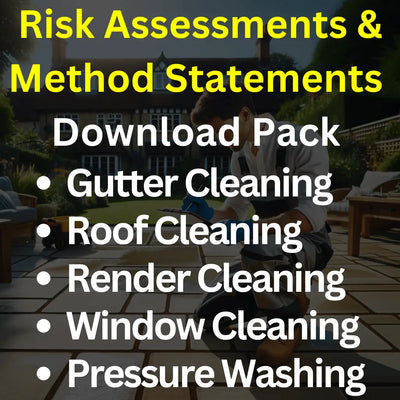
For contractors, this is where paperwork matters. A proper risk assessment and method statement helps demonstrate that you have considered the hazards before work begins. SoftWash UK’s Risk Assessment and Method Statement Pack for Exterior Cleaning can help businesses create a more consistent and professional approach to site safety and planning.
Mistake 7: Not Re-Sanding Block Paving Properly
Block paving often needs re-sanding after cleaning. The sand between the blocks is not just cosmetic; it supports interlock and helps keep the paving stable. If a contractor blasts the joints out and leaves them empty, the surface can become unstable, weeds return quickly and the finish looks unfinished.
Block paving re-sanding best practice
- Clean the surface thoroughly and remove dirty water and debris.
- Allow the paving to dry properly. Damp joints will not accept kiln-dried sand correctly.
- Brush clean kiln-dried jointing sand into the joints evenly.
- Compact or settle the sand where appropriate, depending on the site and paving condition.
- Top up low joints after initial settlement.
- Discuss sealing only when the surface is suitable and moisture conditions are right.
A common mistake is sanding too early while the paving is still damp. The sand clumps, bridges across the joint and fails to fill the depth properly. On shaded UK driveways, drying can take longer than expected, especially in colder months.
Mistake 8: Promising To Remove Every Stain
Overpromising is a business mistake as much as a cleaning mistake. Not every stain can be fully removed, and some marks are actually damage rather than dirt.
Examples include:
- Deep oil saturation in old concrete
- Rust migration from metal furniture, skips or fertiliser
- Acid etching on limestone or concrete
- Tyre polymer staining on resin surfaces
- White bloom from efflorescence
- Permanent colour loss on weathered tarmac
Contractors should use careful wording when quoting. Instead of saying “we will remove all stains”, say “we will treat the staining using the appropriate method, but complete removal depends on the age, depth and type of contamination.” That is honest, professional and easier to defend if the result is limited by the surface condition.
Mistake 9: Skipping Pre-Treatment And Post-Treatment
Pressure washing alone may make a driveway look clean on the day, but organic growth can return quickly if spores and biofilm remain in the surface. This is especially common on shaded, north-facing or damp driveways.
Pre-treatment can help loosen contamination before washing. Post-treatment can help treat remaining organic growth after the surface has been cleaned. The exact method depends on the surface, weather, contamination level and site risks.
This is one reason many contractors learn when softwashing better than pressure washing applies, rather than relying on one method for every job.
Where post-treatment is useful
- Black lichen spots on porous paving
- Green algae on shaded driveways
- Moss-prone block paving joints
- Commercial entrances where appearance needs to last longer
- Driveways cleaned during damp seasons
Results from softwashing depend on surface type, contamination and exposure. For a broader explanation of longevity, see the SoftWash UK guide on how long does softwashing last.
Mistake 10: Cleaning In Poor Weather Conditions
UK weather makes scheduling difficult, but poor timing can ruin an otherwise good driveway clean. Heavy rain can dilute chemical treatments, wash products away too quickly and spread run-off. Hot weather can dry chemicals too fast and increase the risk of streaking or surface marking. Freezing conditions create slip hazards and may affect equipment.
Weather considerations
- Avoid applying chemical treatments immediately before heavy rain.
- Do not allow chemical solutions to dry on sensitive surfaces unless the product method allows it.
- Be careful with wind drift when applying softwash solutions.
- Consider surface temperature, not just air temperature.
- Plan commercial work around access, footfall and drying time.
Professional scheduling is part of the job. It is better to rearrange a treatment than to force a clean in unsuitable conditions and risk damage, poor results or a complaint.
Mistake 11: Poor Equipment Choice And Maintenance
The wrong equipment wastes time and can make the job harder. A small domestic pressure washer may be unsuitable for large commercial areas. A powerful machine in inexperienced hands can cause serious surface damage. Poor hoses, worn nozzles and blocked filters also affect cleaning quality.
For professional contractors, equipment should match the work type. Flow rate, pressure, nozzle selection, chemical compatibility, hose length and rinse capacity all matter. SoftWash UK’s soft washing equipment range is designed for controlled chemical application and exterior cleaning workflows where low-pressure delivery is required.
| Equipment Issue | Likely Result | Professional Fix |
|---|---|---|
| Worn pressure nozzle | Uneven cleaning and reduced efficiency | Inspect and replace nozzles regularly |
| Using a lance only on large areas | Striping and slow production | Use an appropriate flat surface cleaner where suitable |
| No chemical control system | Inconsistent dilution and overspray risk | Use measured application equipment and safe working procedures |
| Poor hose management | Trip hazards and inefficient working | Set up a tidy work zone with controlled access |
Mistake 12: Forgetting Public Safety And Site Control
Driveways are often connected to public pavements, shared access roads, busy car parks or building entrances. Cleaning creates slip hazards, trip hazards, spray drift and moving vehicle risks.
Before starting, set up the site properly. This may include cones, signs, barriers, alternative pedestrian routes, communication with occupants and safe hose positioning. On commercial sites, agree working hours, isolation areas and access requirements with the facilities manager.
Minimum safety checks
- Complete a site-specific risk assessment.
- Wear suitable PPE for the task and chemicals used.
- Keep the public away from wet and treated areas.
- Control hoses to reduce trip risks.
- Prevent spray drift onto vehicles, windows, doors, pedestrians and neighbouring property.
- Have clean water available for rinsing accidental contact where appropriate.
Safety is not paperwork for the sake of paperwork. It protects people, property and your business.
A Practical Step-By-Step Driveway Cleaning Process
The exact method depends on the surface and site, but the following framework helps avoid the most common driveway cleaning mistakes.
- Survey the driveway: Identify the surface, contamination, drainage, defects and sensitive areas.
- Set expectations: Explain what can be cleaned, what may remain, and whether re-sanding or specialist stain treatment is required.
- Prepare the site: Move vehicles, protect plants, manage access, set up signage and control run-off.
- Test where needed: Carry out a small test patch on sensitive or unknown surfaces.
- Pre-treat stains: Address oil, algae, moss or lichen using the correct product and dwell time.
- Clean mechanically where appropriate: Use controlled pressure, correct nozzles and consistent technique.
- Rinse and manage waste: Remove slurry, debris and residues without blocking drains or creating hazards.
- Post-treat where suitable: Apply a responsible treatment for remaining organic growth if required.
- Re-sand block paving: Only when the surface is dry enough for proper joint filling.
- Final inspection: Walk the job with the client, note any permanent staining and provide maintenance advice.
This process is slower than simply blasting and leaving, but it produces more consistent results and fewer call-backs.
Myths About Driveway Cleaning
Myth 1: “A powerful pressure washer removes everything”
Pressure removes loose contamination, but it does not solve every staining problem. Oil, rust, algae roots, lichen and mineral staining often require targeted chemistry or specialist treatment.
Myth 2: “If it looks clean today, the job is finished”
A driveway can look clean immediately after pressure washing but regrow green algae within weeks if biological contamination has not been treated correctly.
Myth 3: “All paving can be cleaned the same way”
Block paving, concrete, sandstone, limestone, porcelain, tarmac and resin all require different judgement. Surface identification is essential.
Myth 4: “Stronger chemical means better result”
Correct product selection, dilution, dwell time and application technique matter more than strength alone. Stronger chemistry used badly increases risk without guaranteeing a better clean.
Professional Development: Reducing Mistakes Through Training
Many driveway cleaning problems are avoidable with better process, chemical understanding and site planning. For contractors who want to build their knowledge before investing in full training, SoftWash UK offers a free course preview with selected lessons from the full training programme. It gives you a practical look at the teaching style, structure and professional approach used inside the course.
For those wanting more structured development, the SoftWash UK training course covers professional softwashing principles, safety thinking and practical application methods that help contractors work more confidently and responsibly.
Frequently Asked Questions About Driveway Cleaning Mistakes
What is the most common driveway cleaning mistake?
The most common mistake is using too much pressure without understanding the surface. This can damage concrete, remove joint sand from block paving, mark natural stone and loosen tarmac. A professional clean should use the least aggressive method that achieves the required result.
Should you pressure wash or softwash a driveway?
It depends on the surface and contamination. Pressure washing is useful for removing loose dirt, mud and debris. Softwashing is useful for treating organic growth such as algae, moss and lichen. Many professional driveway cleans use a combination of controlled pressure and appropriate chemical treatment.
Can oil stains be completely removed from a driveway?
Fresh oil stains are usually easier to improve than old, deeply absorbed stains. Complete removal cannot always be guaranteed, especially on porous concrete and block paving. Pre-treatment with a suitable oil stain remover gives the best chance of improvement.
Do you need to re-sand block paving after cleaning?
In most cases, yes. Pressure cleaning often removes some jointing sand from block paving. Re-sanding with kiln-dried sand helps restore stability and improves the finished appearance. The paving must be dry before sanding.
Is driveway cleaning safe for plants and lawns?
It can be carried out safely when proper controls are used. Plants, lawns and planted borders should be protected from chemical overspray, contaminated run-off and excessive dirty water. Pre-wetting, shielding and controlled application may be required depending on the site.
Why does algae come back quickly after pressure washing?
Algae often returns quickly when pressure washing removes visible growth but does not treat the underlying spores and biofilm. Shaded, damp and north-facing driveways are especially prone to regrowth. Suitable softwashing treatment can help extend the clean appearance.
Conclusion: Better Driveway Cleaning Comes From Better Decisions
The biggest driveway cleaning mistakes are rarely caused by lack of effort. They are caused by poor assessment, wrong method choice, uncontrolled pressure, unsuitable chemicals, weak safety planning and unrealistic promises.
For UK contractors, property maintenance professionals, facilities managers and serious DIY users, the best results come from a professional process: survey first, identify the surface, understand the staining, choose the right method, control the site, protect surrounding areas and communicate clearly with the client.
SoftWash UK supports exterior cleaning professionals with practical education, specialist chemicals, equipment and training resources designed to improve results and promote safer working. If you want to strengthen your driveway cleaning process, explore the SoftWash UK Knowledge Centre, review professional softwashing products and consider structured training to reduce risk and improve consistency on real jobs.
To continue learning, visit SoftWash UK for professional softwashing chemicals, equipment, training and industry guidance for responsible exterior cleaning.