How to Clean a Patio Properly: A Practical Guide for UK Contractors and Serious DIY Users
To clean a patio properly, first identify the surface material and type of contamination, then remove loose debris, pre-treat organic growth or stains, clean using the correct pressure, chemical or softwashing method, rinse safely, and apply a suitable post-treatment where needed to slow regrowth. The best results come from matching the method to the surface rather than automatically reaching for the most powerful pressure washer.
For UK exterior cleaning contractors, property maintenance teams, facilities managers and competent DIY users, patio cleaning is not just about making paving look brighter on the day. A proper clean should remove algae, black lichen, moss, dirt, pollution staining and spill marks without damaging pointing, opening up the surface, forcing water into buildings, killing nearby planting or creating uncontrolled chemical run-off.
In practice, the right approach depends on whether you are cleaning concrete slabs, Indian sandstone, limestone, porcelain, block paving, granite setts, clay pavers, resin-bound surfacing or timber decking. Each surface behaves differently under pressure and reacts differently to cleaning chemistry. This guide explains how to assess, clean and maintain patios professionally, with realistic methods used in the UK exterior cleaning industry.
What “Proper Patio Cleaning” Actually Means
A proper patio clean should achieve four things:
- Remove loose soil, moss, algae, black spots, surface grime and stains as far as practically possible.
- Protect the paving, pointing, jointing compound, drainage, surrounding plants and adjacent structures.
- Use the least aggressive effective method rather than unnecessary high pressure.
- Leave the surface safer, cleaner and slower to re-contaminate.
Many poor patio cleans fail because the operator treats every patio the same way. A tired concrete slab patio can usually tolerate a different cleaning method from a newly laid sawn sandstone terrace or a porcelain patio with resin joints. Contractors must be especially careful because damage to stone, blown pointing, etched surfaces or contaminated drains can become expensive very quickly.
Start With a Site Assessment
Before cleaning, carry out a sensible inspection. This is where professional patio cleaning differs from a quick weekend blast with a pressure washer.
Identify the surface type
Common UK patio surfaces include:
- Concrete paving slabs: usually robust, often porous, prone to algae and general greying.
- Indian sandstone: attractive but variable; can contain iron minerals and may be sensitive to harsh treatment.
- Limestone: often more chemically sensitive than sandstone and can react badly to acidic products.
- Porcelain: low porosity, normally needs careful degreasing and grout-line cleaning rather than aggressive blasting.
- Block paving: jointing sand is easily displaced and may need re-sanding after cleaning.
- Granite or slate: tougher, but still requires care around pointing and edges.
- Resin-bound surfaces: should usually be cleaned with lower pressure and compatible cleaning agents.
Identify the contamination
Different marks need different treatments. Green algae, moss and black lichen are organic growths. Oil, grease, barbecue fat, rust, tannin, cement residue and efflorescence are not the same problem and should not be treated as if they are.
For example, black spot lichen on sandstone often needs a softwash-style biocidal or oxidising treatment, dwell time and agitation. A pressure washer alone may remove only the top of the lichen while leaving root-like structures in the stone. Oil from a barbecue or vehicle needs a degreasing or oil stain remover approach, not just more pressure.
Check drainage and run-off risks
Look for nearby drains, ponds, lawns, planting beds, door thresholds, air bricks, timber structures and water-sensitive areas. On commercial sites, consider pedestrian access, slip risk, public exposure, trip hazards and where wastewater will go. For professional work, a written risk assessment and method statement is good practice, and the Risk Assessment and Method Statement pack for exterior cleaning can help contractors structure safe working procedures.
Patio Cleaning Methods Compared
There is no single best method for every patio. The table below shows how the main patio cleaning methods compare in real working conditions.
| Method | Best For | Advantages | Risks or Limitations |
|---|---|---|---|
| Manual brushing and rinsing | Light dirt, small areas, delicate surfaces | Low cost, low risk, good for routine maintenance | Limited effect on lichen, ingrained algae and heavy staining |
| Pressure washing | Robust concrete, block paving, heavily soiled hard surfaces | Fast visible cleaning, removes loose material effectively | Can damage stone, blow joints, create striping and spread contaminated water |
| Softwashing | Organic growth, algae, black lichen, porous stone | Treats biological contamination, can reduce need for extreme pressure | Requires chemical knowledge, PPE, correct dilution and run-off control |
| Steam or hot water cleaning | Grease, gum, sensitive commercial areas, some stain removal work | Improves cleaning performance and can reduce chemical reliance | Higher equipment cost and still needs surface-specific care |
| Post-treatment biocide | Patios prone to algae and moss regrowth | Helps inhibit regrowth and extends clean appearance | Not an instant cosmetic clean if used alone; needs safe application |
If you are unsure when to choose chemical treatment over pressure washing, SoftWash UK’s Knowledge Centre article on softwashing vs pressure washing explains the core differences clearly.
Tools and Equipment Needed for Patio Cleaning
A professional patio cleaning setup may include:
- Stiff broom and scraper for moss and loose debris.
- Garden hose or water supply with suitable connectors.
- Pressure washer with adjustable pressure, fan nozzles and surface cleaner.
- Low-pressure applicator, sprayer or softwash system for chemical application.
- Appropriate brushes for agitation, including non-scratch brushes for delicate surfaces.
- Wet vacuum or water recovery equipment where run-off control is required.
- PPE including gloves, eye protection, suitable footwear and protective clothing.
- Warning signs, cones and barriers for commercial or shared access areas.
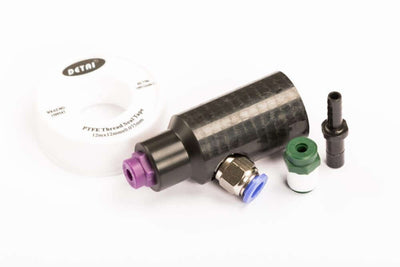
Contractors building a professional setup should choose equipment that allows control rather than just maximum output. Adjustable pressure, suitable nozzles and safe chemical application are more important than raw power. SoftWash UK supplies professional soft washing equipment for controlled chemical application where low-pressure treatment is the safer and more effective option.
Step-by-Step: How to Clean a Patio Properly
Step 1: Clear the area
Remove furniture, plant pots, barbecues, doormats, storage boxes and loose objects. Photograph the area first on commercial or customer jobs, especially if there are existing cracks, loose slabs, staining or failed pointing.
Check for fragile items nearby, such as painted timber, aluminium frames, soft metals, fabrics, outdoor sockets and decorative stone. Cover or move anything that could be affected by overspray or splashing.
Step 2: Dry sweep and scrape heavy growth
Brush the patio thoroughly before wetting it. Remove leaves, soil, twigs and loose moss. Scrape out thick moss from joints if practical, especially on block paving or old slab patios. This reduces the mess, shortens cleaning time and improves chemical contact if a treatment is being applied.
Step 3: Pre-wet sensitive areas
Pre-wet nearby plants, lawn edges, painted surfaces and lower walls where appropriate. On warm or windy days, surfaces can dry quickly, so plan your work in manageable sections. Pre-wetting helps reduce the chance of chemical spots or unnecessary absorption into adjacent materials.
Step 4: Apply the right pre-treatment
For green algae, black lichen and organic growth, a softwashing pre-treatment may be appropriate. Softwashing uses cleaning chemistry at low pressure to treat biological contamination instead of relying purely on mechanical force. If you are new to the method, the SoftWash UK guide What Is Softwashing is a useful introduction.
Professional users should understand the active ingredient, dilution, dwell time, surface compatibility, PPE requirements and environmental controls before applying any chemical. SoftWash UK provides a range of professional softwash chemicals for different exterior cleaning tasks, but product selection should always be based on the surface, contamination and site conditions.
For sodium hypochlorite-based cleaning, always follow the product label and safety data sheet. Never mix chemicals, especially with acids or ammonia-based products. If using sodium hypochlorite for soft washing, contractors must control dilution, protect vegetation, avoid sensitive metals and manage run-off responsibly.
Step 5: Allow correct dwell time
Dwell time is where many patio cleaning jobs are won or lost. If the treatment is rinsed too quickly, it may not fully work. If it is left too long in hot conditions, it may dry on the surface and create problems.
On porous paving with black lichen, it is common to work in sections, keeping the surface damp enough for the treatment to remain active while watching for run-off. Agitation with a suitable brush can help on stubborn areas, but aggressive wire brushing may scratch softer stone.
Step 6: Clean with controlled pressure where needed
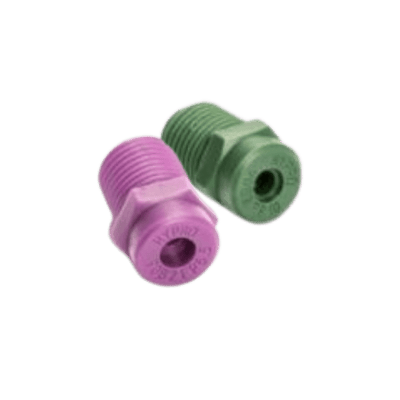
If pressure washing is required, start with a lower pressure test in an inconspicuous area. Use a fan jet rather than a pencil jet for most patio cleaning. Keep the lance moving and maintain a consistent distance from the surface to avoid zebra striping.
A flat surface cleaner can improve consistency and reduce splash, particularly on concrete slabs and larger commercial hardstanding areas. However, surface cleaners can still damage loose pointing or weak stone if the pressure is too high.
Pay particular attention to:
- Pointing: old sand and cement joints may be loose or cracked.
- Edges: edges of slabs and steps can chip under concentrated pressure.
- Air bricks and thresholds: avoid driving water into buildings.
- Jointing compounds: resin or brush-in compounds may have manufacturer cleaning limits.
Step 7: Rinse thoroughly and control wastewater
Rinse from the highest point to the lowest point, guiding wastewater away from sensitive areas. On domestic patios, this may be straightforward. On commercial sites, schools, healthcare premises, hospitality areas or public-facing locations, wastewater control may require more planning.
Do not allow contaminated water or chemical run-off to enter ponds, watercourses or planted beds. Where drainage is unclear, stop and reassess. Contractors should understand local environmental responsibilities and site-specific requirements.
Step 8: Treat specific stains separately
After the main clean, some stains may remain. This is normal. Not every mark is organic contamination.
- Oil and grease: use a suitable degreaser or oil stain remover. For driveway and patio oil contamination, Grenade driveway oil stain remover can be useful where standard washing is not enough.
- Rust: treat with a dedicated rust remover compatible with the stone.
- Black lichen: may need repeated treatment, dwell time and patience rather than excessive pressure.
- Efflorescence: white salts need careful diagnosis and should not be confused with dirt.
- Tannin stains: often come from leaves, timber furniture or plant pots and may need specific treatment.
Step 9: Re-sand or repair joints if required
Block paving often needs kiln-dried sand brushed back into the joints once fully dry. Some slab patios may reveal failed pointing after cleaning. Do not ignore this. Open joints allow water movement, weed growth and slab instability.
As a contractor, make clear in your quote whether re-sanding, repointing or joint repairs are included. This avoids disputes when pre-existing joint failure becomes visible after cleaning.
Step 10: Apply a post-treatment where appropriate
A suitable post-treatment can slow algae and moss regrowth, especially on shaded, north-facing or damp patios. This is where softwashing can provide longer-lasting results than pressure washing alone. The answer to how long does softwashing last depends on exposure, drainage, porosity, surrounding vegetation and maintenance, but a correct treatment can make a noticeable difference to regrowth cycles.
Cleaning Different Patio Materials
Concrete paving slabs
Concrete slabs are usually forgiving, but they can still be damaged by excessive pressure. Old budget slabs often have a surface layer that can become rough and porous if blasted too aggressively. Use controlled pressure, consider pre-treatment for algae, and rinse well.
Indian sandstone
Sandstone needs care. It is porous, varies in quality and can contain iron that may contribute to staining. Avoid extremely high pressure, avoid inappropriate acids, and test any chemical first. Black lichen on sandstone often responds better to a softwash treatment followed by controlled rinsing than to repeated high-pressure passes.
Limestone
Limestone can be more sensitive to chemicals, especially acidic products. Always check compatibility. Harsh acid cleaning can etch or permanently change the appearance of limestone. Use low-pressure methods and suitable cleaning chemistry.
Porcelain paving
Porcelain is dense and less porous, so organic growth tends to sit on grout lines, textured areas and contamination films rather than deep within the tile. Use appropriate detergents, soft brushes and controlled rinsing. Avoid assuming that because porcelain is hard it is impossible to damage; grout, edges and surrounding materials still matter.
Block paving
Block paving cleaning often removes jointing sand. This is not a failure if expected and priced correctly. Clean evenly, avoid blasting out too much sub-base, allow the surface to dry fully, then re-sand. For commercial areas, consider traffic management and slip control while the area dries.
Softwashing, Pressure Washing or Both?
Many of the best patio cleaning results come from combining methods. Pressure washing removes loose and surface-level material quickly. Softwashing treats organic growth and can help reduce the need for aggressive mechanical cleaning.
Understanding softwashing chemicals is important if you are treating patios professionally. The chemical choice, dilution and method must suit the surface and contamination. Stronger is not automatically better. Incorrect chemical use can bleach surfaces, damage plants, corrode metals or create health and safety risks.
In simple terms:
- Use pressure washing for physical removal of dirt where the surface can tolerate it.
- Use softwashing for algae, black lichen and biological contamination.
- Use specialist stain removers for oil, rust, tannin or mineral staining.
- Use a post-treatment where longer-lasting control of regrowth is required.
Safety and Best Practice Notes
Patio cleaning can look straightforward, but there are real risks. Slips, chemical exposure, flying debris, damaged electrics, broken glazing, uncontrolled run-off and plant damage are all common issues when work is rushed.
Personal protective equipment
Use PPE appropriate to the task and product being used. This may include chemical-resistant gloves, eye protection, waterproof boots, long sleeves, respiratory protection where required by the safety data sheet, and high-visibility clothing on commercial sites.
Chemical safety
Always read the product label and safety data sheet. Never mix chemicals. Store and transport products securely. Keep members of the public, children and pets away from the work area until safe. Rinse equipment after use and dispose of waste responsibly.
Public and commercial sites
Facilities managers and contractors should plan around access times, pedestrian routes, signage, barriers, drying times and handover. A freshly cleaned patio can remain slippery until fully rinsed and dry. On hospitality sites, schools, care homes and retail premises, communication is as important as cleaning skill.
Common Patio Cleaning Mistakes
Using too much pressure
High pressure can scar sandstone, roughen concrete, dislodge pointing and force water into places it should not go. If a patio only looks clean when the lance is held very close, the method is probably wrong for that contamination.
Ignoring black spot lichen biology
Black spots are not just dirt sitting on the surface. They are biological growths that can anchor into porous paving. Pressure alone often leaves them behind or damages the stone while trying to remove them.
Using the wrong chemical for the stain
Oil, rust, algae and efflorescence require different approaches. Guessing can make the stain worse or permanently mark the surface.
Not testing first
A small test patch can prevent a large mistake. This is especially important on natural stone, sealed surfaces, coloured concrete and unknown paving materials.
Leaving customers with unrealistic expectations
Some old paving will clean dramatically. Some stains are permanent or may only improve. Contractors should explain likely outcomes before starting, especially where there is rust, deep oil, cement staining, failed sealers or long-standing black lichen.
Myths About Patio Cleaning
Myth: A stronger pressure washer always gives a better clean
Not true. Better cleaning comes from correct diagnosis, suitable chemistry, dwell time, agitation and controlled rinsing. Excessive pressure often causes avoidable damage.
Myth: Bleach is all you need
Household bleach is not a professional patio cleaning system. Professional exterior cleaning requires correct products, dilution control, PPE, environmental awareness and surface compatibility. Contractors should use appropriate professional products and follow safety guidance.
Myth: Sealing is always necessary after cleaning
Sealing can help some surfaces, but it is not always required and can cause problems if applied to damp, contaminated or unsuitable paving. Always check the paving type and sealer compatibility.
Myth: Patio cleaning is only cosmetic
Clean patios can reduce slip risk, improve drainage around joints and support better property presentation. For commercial premises, external cleanliness also affects customer perception and site safety.
Maintenance: Keeping a Patio Cleaner for Longer
After a proper clean, maintenance is much easier. Encourage customers or site teams to:
- Brush leaves and soil away regularly.
- Keep gutters and downpipes working to reduce damp areas.
- Move plant pots occasionally to prevent ring marks and trapped moisture.
- Clean spills quickly, especially oil, grease and tannin-rich leaf debris.
- Schedule periodic low-pressure maintenance cleans rather than waiting for heavy contamination.
- Consider a suitable biocidal post-treatment in damp or shaded areas.
For contractors, maintenance plans can be a professional alternative to one-off emergency cleans. Schools, care homes, pubs, hotels, managing agents and commercial landlords often benefit from scheduled exterior cleaning because it reduces disruption and keeps surfaces safer throughout the year.
Professional Development for Patio Cleaning Contractors
Patio cleaning sits at the intersection of pressure washing, softwashing, stain removal, surface knowledge, health and safety, and customer communication. The contractors who get the best results are usually those who understand why a method works, not just how to operate the machine.
If you want to see how professional softwashing training is structured before committing to the full programme, you can try selected lessons from the SoftWash UK course for free. It is a useful way to preview the training and understand the standards, safety thinking and practical approach behind professional softwashing.
Frequently Asked Questions About Cleaning a Patio
What is the best way to clean a patio?
The best way to clean a patio is to identify the paving material and contamination first, then use a suitable combination of sweeping, pre-treatment, controlled pressure washing, rinsing and post-treatment. For algae and black lichen, softwashing may be more effective than pressure washing alone. For oil, rust or tannin stains, use a specific stain treatment rather than general patio cleaner.
Can I clean a patio without a pressure washer?
Yes, light patio cleaning can be done with a stiff brush, suitable cleaning solution and thorough rinsing. However, heavy soiling, ingrained algae and large areas are usually more efficient with professional equipment. Softwashing can also reduce reliance on high pressure where organic growth is the main issue.
How do I remove black spots from a patio?
Black spots are usually lichen, particularly on porous stone such as sandstone. They often need a suitable softwash treatment, correct dwell time, agitation and controlled rinsing. Severe black lichen may need more than one treatment. Avoid repeatedly blasting the spots at close range, as this can damage the paving.
Will pressure washing damage my patio?
Pressure washing can damage patios if the pressure is too high, the wrong nozzle is used, or the surface is delicate, loose or poorly jointed. Damage can include striping, surface scarring, blown pointing, exposed aggregate and water ingress. Always test first and use the lowest effective pressure.
How often should a patio be cleaned?
Most domestic patios benefit from cleaning every 12 to 24 months, depending on shade, drainage, tree cover and foot traffic. Commercial patios, hospitality terraces and communal walkways may need more frequent maintenance due to slip risk and presentation standards.
Should I seal my patio after cleaning?
Sealing can help some patios resist staining and water absorption, but it is not always necessary. The paving must be clean, dry and suitable for sealing. Applying sealer too soon, or using the wrong sealer, can trap moisture, alter appearance or create a slippery finish.
Conclusion: Clean the Patio, Not Just the Surface
Cleaning a patio properly means choosing the right process for the material, the contamination and the site. A quick blast with a pressure washer may improve appearance temporarily, but it can also leave biological growth behind, damage the paving or create avoidable safety issues.
The professional approach is to inspect first, protect the area, use suitable cleaning chemistry where needed, control pressure, manage run-off, treat stains correctly and maintain the surface afterwards. This gives better results, reduces risk and helps patios stay cleaner for longer.
SoftWash UK supports contractors, property professionals and serious DIY users with professional softwashing chemicals, equipment, training and educational resources. If you want to improve your patio cleaning results, develop safer working methods or add softwashing to your exterior cleaning services, visit SoftWash UK to explore products, training and further guidance from the SoftWash UK Knowledge Centre.