How to Turn Exterior Cleaning Into a Profitable Business
To turn exterior cleaning into a profitable business, you need more than a pressure washer and a few local adverts. The profitable contractors are the ones who choose the right services, price properly, work safely, protect property, manage chemicals responsibly, and build repeatable systems for quoting, cleaning, customer care and follow-up work.
In the UK, exterior cleaning can be a strong business because homeowners, landlords, commercial sites, schools, care homes, retail parks and facilities managers all need buildings, roofs, render, paving, cladding and exterior surfaces maintained. The opportunity is real, but so are the risks. Poor pricing, weak training, unsuitable chemicals, lack of insurance and unsafe working practices can turn a promising business into an expensive problem very quickly.
This guide explains how UK exterior cleaning contractors, property maintenance professionals, facilities managers and serious DIY users can build a more profitable, professional and sustainable exterior cleaning operation.
What Makes an Exterior Cleaning Business Profitable?
A profitable exterior cleaning business is built on controlled costs, repeatable results and safe, efficient working methods. The best jobs are not always the largest jobs. Often, the most profitable work comes from services that are priced correctly, completed efficiently and followed by repeat maintenance.
Profit usually comes from four things:
- Choosing services with good margins, such as softwashing, render cleaning, roof treatment, gutter clearing, cladding cleaning and maintenance plans.
- Reducing time on site through better equipment, correct chemical selection and efficient workflow.
- Charging for professional knowledge, not just labour by the hour.
- Building repeat customers through scheduled maintenance rather than constantly chasing one-off jobs.
For example, a contractor who understands softwashing can often clean biological growth from render, walls and roofs more efficiently than someone relying only on high pressure. The aim is not to blast every surface clean. It is to choose the right method for the substrate, the contamination and the customer’s expectations.
Start With the Right Exterior Cleaning Services
One of the biggest early decisions is which services to offer. Trying to do everything from day one usually leads to too much equipment, too many chemicals, weak pricing and inconsistent results. A better approach is to build a core service offer and expand once you understand your local market.
Common Exterior Cleaning Services in the UK
| Service | Typical Customers | Profit Potential | Key Considerations |
|---|---|---|---|
| Softwashing | Homeowners, landlords, commercial property managers | High when priced correctly | Requires chemical knowledge, safety controls and correct application methods |
| Pressure washing | Domestic driveways, patios, paths, commercial yards | Moderate to high | Can be labour-intensive; surface damage is a risk if used incorrectly |
| Roof cleaning and treatment | Homeowners, letting agents, facilities managers | High | Working at height, access planning, moss removal and biocide treatment need careful control |
| Render cleaning | Modern homes, housing associations, commercial premises | High | Low-pressure methods are often more suitable than aggressive washing |
| Gutter clearing and fascia cleaning | Domestic and commercial customers | Good add-on service | Often works well as a recurring maintenance offer |
| Cladding and façade cleaning | Industrial units, retail parks, schools, offices | High for competent contractors | Requires method statements, access planning and commercial communication |
Softwashing is particularly useful because it targets organic growth such as algae, lichen, mould and biofilm. It can be used on many exterior surfaces when properly assessed and applied. Contractors exploring this route should understand how to become a softwash contractor before offering the service commercially.
Understand the Numbers Before You Buy More Equipment
Many new exterior cleaning businesses overspend early. A van, pressure washer, water-fed pole system, softwash pump, hoses, reels, PPE, tanks, signage and chemicals can quickly add up. Equipment matters, but cash flow matters more.
Before investing heavily, work out:
- Your target day rate.
- Your cost per job, including fuel, chemicals, labour, waste handling and travel.
- Your weekly sales target.
- Your break-even point.
- Your expected profit after tax, insurance, maintenance and marketing.
A Simple Profit Calculation
If a job is priced at £450 and takes one day, that does not mean you have made £450 profit. You must remove your real costs.
| Example Cost | Amount |
|---|---|
| Job price charged to customer | £450 |
| Chemicals and consumables | -£45 |
| Fuel and travel | -£35 |
| Labour or owner wage allowance | -£150 |
| Insurance, equipment wear and business overhead allocation | -£50 |
| Estimated gross profit | £170 |
This is why professional pricing is essential. If you are only competing on price, you will eventually cut into your own profit, rush jobs or take unnecessary risks.
Build a Professional Quoting System
A reliable quoting system protects your profit and reduces disputes. Guessing prices from a photograph can work for simple jobs, but it is risky for roofs, render, commercial sites or anything involving access challenges, sensitive surfaces or chemical application.
What to Assess Before Quoting
- Surface type: render, brick, stone, concrete, tarmac, timber, cladding, roof tile or painted surface.
- Type of contamination: algae, moss, lichen, black staining, oil, rust, efflorescence or atmospheric soiling.
- Access: ladders, scaffold, mobile tower, MEWP, water-fed pole or ground-level application.
- Water supply and drainage.
- Nearby plants, ponds, vehicles, metal surfaces and sensitive materials.
- Customer expectations: instant visual result, gradual clean, treatment-only or maintenance plan.
- Wastewater control and environmental considerations.
- Whether the job requires RAMS, permits or site induction.
For commercial clients and facilities managers, a clear survey and quotation process is often what separates a professional exterior cleaning contractor from a handyman service. Facilities teams expect methodical communication, site-specific control measures and evidence that you understand the building environment.
Price for Value, Risk and Outcome
Profitable exterior cleaning is not about charging as much as possible. It is about charging enough to do the job safely, profitably and properly. Some jobs are straightforward. Others carry access risk, chemical risk, delicate surfaces, out-of-hours requirements or higher liability.
Factors That Should Affect Your Price
- Size of the area: square metre pricing can help, but should not be your only method.
- Contamination level: heavy moss, lichen or staining takes more time and resources.
- Surface sensitivity: fragile render, old brick, lead staining and timber need care.
- Access difficulty: height, roof pitch and restricted access increase risk and time.
- Required documentation: RAMS, COSHH assessments and permits take time to prepare.
- Customer type: commercial work often involves more administration but can lead to repeat contracts.
- Travel and setup time: a two-hour job can still become a half-day commitment.
A common mistake is to price only for the visible cleaning time. Your price must also cover travel, quoting, administration, training, equipment maintenance, insurance, compliance, tax and profit.
Invest in Training Before Taking on High-Risk Work
Exterior cleaning looks simple from the outside, but every experienced contractor has seen jobs go wrong. Common problems include damaged render, etched glass, dead planting, oxidised cladding, discoloured timber, flooded electrics, chemical drift, poor access planning and unsafe roof work.
Training helps you understand why methods work, which surfaces need caution and what control measures are expected in a professional operation. SoftWash UK provides industry education for contractors who want to build practical competence rather than rely on trial and error. If you are comparing qualifications and learning routes, the SoftWash UK Knowledge Centre article on CPD certified softwash training explains how structured training supports professional development.
For contractors planning to grow from basic exterior cleaning into more specialist services, the Soft Wash Training Course is designed to help build a safer and more commercially robust approach to softwashing, pricing, application and business practice.
Choose Equipment That Improves Productivity
The right equipment should make you safer, faster and more consistent. The wrong equipment can slow you down, damage surfaces or create unnecessary manual handling issues.
Useful Equipment Categories
- Professional pressure washer and surface cleaner for hard surfaces.
- Softwash pump system for controlled low-pressure application.
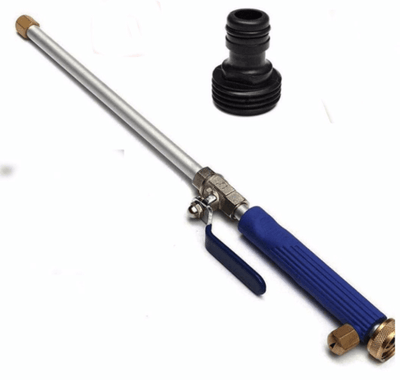
- Water-fed poles and suitable nozzles for reach and access.
- Chemical-resistant hoses, reels, connectors and seals.
- PPE including gloves, eye protection, suitable footwear and protective clothing.
- Measuring, dilution and transfer equipment suitable for the products being used.
- Signage, cones and exclusion barriers for public and commercial sites.
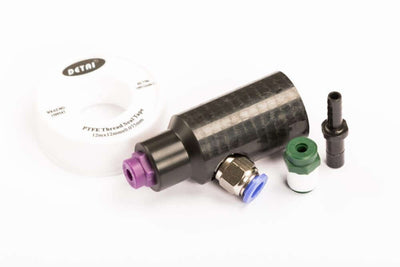
SoftWash UK supplies professional soft washing equipment for contractors who need reliable systems for exterior cleaning work. When choosing equipment, think beyond purchase price. Consider chemical compatibility, ease of rinsing, repairability, reach, flow rate, storage, transport and how the setup performs on real jobs.
Use Chemicals Responsibly and Professionally
Chemicals can increase profitability because they often reduce manual labour and improve results. However, they also increase responsibility. Contractors must understand product labels, Safety Data Sheets, PPE, dilution guidance, dwell time, runoff control, storage, transportation and disposal.
Different exterior cleaning problems need different chemistry. Biological growth, oil staining, rust staining, tannin staining, lead staining and general grime are not the same problem. Reaching for the strongest product every time is poor practice and can increase risk.
SoftWash UK supplies professional softwash chemicals for trade users, but product selection should always be based on the surface, the contamination and the control measures available. Serious contractors should also keep current SDS information and have a proper COSHH process in place.
Best-Practice Notes for Chemical Work
- Never mix chemicals unless the manufacturer’s guidance specifically supports it.
- Always read the label and the Safety Data Sheet before use.
- Protect plants, ponds, metals, painted surfaces and nearby vehicles.
- Check wind direction and avoid spraying in unsuitable weather.
- Control access to the work area, especially around the public, children and pets.
- Carry clean water for rinsing and emergency control.
- Store and transport chemicals securely in suitable containers.
Compliance Is Not Optional
Compliance is a major part of profitability because one serious incident can wipe out months of income. A professional exterior cleaning business must take risk assessment, insurance, COSHH, working at height, manual handling, public safety and environmental protection seriously.
Before starting work, contractors should prepare suitable risk assessments and method statements for the task. The SoftWash UK Knowledge Centre explains why softwash risk assessment is essential for professional work, especially where chemicals, access equipment and public areas are involved.
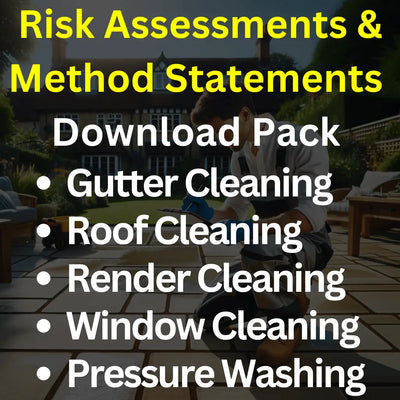
For contractors who need practical documentation support, the Risk Assessment and Method Statement Pack for Exterior Cleaning can help structure site-specific paperwork. It should still be adapted to each job, not copied blindly.
Insurance Matters
Basic public liability insurance may not cover all exterior cleaning activities. If you use chemicals, work at height, clean roofs, use pressure washing equipment or work on commercial property, check your policy wording carefully. Ask your insurer whether your declared activities match the work you actually carry out.
The SoftWash UK Knowledge Centre article on softwash contractor insurance is a useful starting point for understanding the types of cover contractors should discuss with a broker.
Create Repeat Revenue Instead of One-Off Jobs
The most stable exterior cleaning businesses do not rely only on one-off domestic enquiries. They create recurring maintenance. This is especially important for commercial clients, landlords and facilities managers who need predictable budgets and reduced emergency call-outs.
Examples of Repeat Revenue Offers
- Annual render inspection and softwash maintenance.
- Six-monthly gutter clearing and external washdowns.
- Scheduled moss monitoring and roof treatment plans.
- Quarterly commercial entrance, walkway and signage cleaning.
- Planned cladding cleaning for industrial units and retail sites.
- End-of-tenancy exterior refresh packages for landlords and letting agents.
A maintenance plan is easier to sell after you have completed a good first job. Explain to the customer that exterior growth often returns over time, especially on shaded, damp or north-facing elevations. A lower-cost maintenance clean can preserve the result and reduce the need for more intensive cleaning later.
Market Your Exterior Cleaning Business Properly
Marketing should show competence, not just before-and-after photographs. Images help, but they do not prove that you work safely or understand surfaces. Your website, Google Business Profile and social media should explain what you clean, how you work and why your methods are appropriate.
Marketing Assets That Build Trust
- Clear service pages for softwashing, roof cleaning, render cleaning, pressure washing and commercial exterior cleaning.
- Before-and-after images with short explanations of the surface and method.
- Customer reviews mentioning reliability, care and professionalism.
- Evidence of training, insurance and safe systems of work.
- Case studies for larger jobs or commercial sites.
- Helpful blog content answering common customer questions.
For commercial work, create a simple capability document. Include your service list, insurance details, training, equipment, safe working approach, geographic coverage and examples of previous work. Facilities managers are more likely to engage when you make their procurement process easier.
Step-by-Step Plan to Build a Profitable Exterior Cleaning Business
- Choose your starting services. Focus on two or three services you can deliver safely and profitably, such as softwashing, pressure washing and gutter clearing.
- Research your local market. Look at property types, local competition, commercial estates, new-build render, older roofs and landlord demand.
- Get trained before taking on specialist work. Build proper knowledge of softwashing, chemical handling, surface assessment and safe working methods.
- Buy equipment in stages. Start with reliable core equipment and upgrade based on real demand, not guesswork.
- Set your pricing structure. Include labour, chemicals, travel, depreciation, admin, insurance, tax and profit.
- Create quotations and job sheets. Record the surface, contamination, method, exclusions, access requirements and customer expectations.
- Prepare safety documentation. Use suitable risk assessments, method statements and COSHH assessments where required.
- Document every job. Take before, during and after photographs. Record products used and any issues found.
- Ask for reviews and referrals. A good review after a well-managed job is often worth more than a paid advert.
- Build maintenance plans. Turn successful one-off projects into scheduled repeat work.
Common Mistakes That Reduce Profit
Underpricing to Win Work
Cheap pricing attracts price-focused customers and leaves no room for proper preparation, safety controls or aftercare. It also makes it harder to invest in better equipment and training.
Using the Wrong Method for the Surface
High pressure on delicate render, soft brick, old pointing or weathered timber can cause expensive damage. Equally, chemical treatment without proper preparation or rinsing can create poor results. Method selection is a skill.
Ignoring Administration
Quotations, invoices, job records, SDS files, insurance documents and RAMS may not feel profitable, but they protect the business. Commercial clients often require them before awarding work.
Buying Equipment Before Understanding Demand
A van full of unused equipment is not a business model. Buy what helps you deliver profitable work now, then reinvest when demand supports it.
Not Following Up
Many contractors complete a job and never contact the customer again. A simple follow-up system can generate reviews, referrals and repeat maintenance work.
Myths About Exterior Cleaning Profitability
| Myth | Reality |
|---|---|
| “You just need a pressure washer.” | Professional exterior cleaning requires surface knowledge, chemicals, safety systems, insurance, pricing and customer management. |
| “The cheapest quote wins.” | Many customers will pay more for reliability, professionalism, evidence of insurance and safer methods. |
| “Softwashing is easy money.” | Softwashing can be profitable, but only when chemical handling, application, risk assessment and surface compatibility are understood. |
| “Domestic work is all you need.” | Domestic work can be excellent, but commercial and maintenance contracts can provide more predictable income. |
Keep Learning as the Business Grows
Exterior cleaning changes as you move into larger, higher-value work. A domestic patio clean is very different from treating a rendered apartment block or cleaning a commercial façade near public access. Ongoing learning helps contractors avoid expensive mistakes and build confidence when speaking to clients.
The SoftWash UK softwashing training and business hub contains educational resources for contractors who want to improve both technical knowledge and business structure. Listening to experienced contractors and trainers can also be useful; the SoftWash UK Podcast covers industry topics, practical business lessons and professional exterior cleaning discussions.
If you want to see how professional softwashing training is structured before committing to the full programme, you can try selected lessons from the SoftWash UK course for free. It is a useful way to preview the training and understand the standards, safety thinking and practical approach behind professional softwashing.
FAQ: Turning Exterior Cleaning Into a Profitable Business
How much can an exterior cleaning business earn in the UK?
Earnings vary widely depending on services, location, pricing, workload, equipment, experience and customer type. A part-time operator may earn a modest supplementary income, while a well-run full-time contractor with specialist services, commercial clients and maintenance plans can build a strong business. Profit depends on margins, not just turnover.
Is softwashing more profitable than pressure washing?
Softwashing can be highly profitable because it can reduce physical labour and treat large areas affected by organic growth. However, it requires training, chemical knowledge, suitable equipment, PPE, risk assessment and responsible application. Pressure washing remains valuable for hard surfaces, but it is not suitable for every material.
What insurance does an exterior cleaning contractor need?
Most contractors should consider public liability insurance, treatment risk cover where chemicals are used, employers’ liability if employing staff, vehicle insurance, tool cover and cover for working at height if relevant. Always confirm your exact activities with an insurance broker, as exclusions can be significant.
Do I need training to start an exterior cleaning business?
Training is strongly recommended, especially for softwashing, roof cleaning, chemical application, commercial work and working at height. Training helps reduce mistakes, improve safety, price work correctly and communicate more professionally with customers.
What are the best customers for exterior cleaning businesses?
Good customers include homeowners who value property maintenance, landlords, letting agents, facilities managers, schools, care homes, housing associations, retail parks and industrial estates. The best customers are usually those who value safe, reliable and professional work rather than simply choosing the cheapest quote.
How do I get repeat work from exterior cleaning?
Offer maintenance plans after the first clean. Explain how algae, moss and atmospheric soiling return over time, especially in shaded or damp areas. Schedule follow-up inspections, annual treatments, gutter clearing and periodic façade cleaning to create predictable repeat revenue.
Conclusion: Profit Comes From Professional Systems
Exterior cleaning can become a profitable UK business when it is treated as a professional trade rather than casual labour. The contractors who succeed long term understand surfaces, choose suitable methods, manage chemicals responsibly, price for profit, document their work and build repeat relationships with customers.
If you are serious about growing in this industry, focus first on competence and systems. Learn how to survey properly, quote accurately, protect property, comply with safety expectations and deliver consistent results. Better knowledge leads to better decisions, and better decisions lead to better margins.
SoftWash UK supports contractors with professional softwashing chemicals, equipment, training and educational resources. If you are planning to add softwashing, improve your exterior cleaning business or move into more specialist work, visit SoftWash UK to explore practical resources that can help you build a safer, more profitable and more professional operation.