How Long Does Roof Cleaning Last?
A professionally cleaned roof in the UK will usually stay visibly cleaner for around 2 to 5 years, depending on the roof material, moss loading, shade, local climate and the cleaning method used. A simple moss scrape may only keep a roof looking tidy for 6 to 18 months, while a thorough manual moss removal followed by a suitable biocidal softwash treatment can often suppress regrowth for 3 to 5 years or longer in favourable conditions.
For exterior cleaning contractors, facilities managers and serious DIY users, the real question is not just “how long does roof cleaning last?” but “what level of cleaning and post-treatment gives the client the best long-term result without damaging the roof?” In practice, the answer depends on a proper site survey, safe access planning, the correct method, appropriate chemistry, good dwell time and realistic aftercare advice.
This guide explains how long different roof cleaning methods last, what affects regrowth, how to extend the result and what mistakes reduce the life of a roof clean.
Typical Roof Cleaning Lifespan In The UK
UK roofs are exposed to regular rainfall, mild temperatures, airborne spores, tree debris and long periods of dampness. Those conditions are ideal for moss, algae, lichen and biofilm. Because of that, no roof cleaning method should be described as permanent.
As a practical guide:
- Manual moss removal only: typically 6 to 18 months before visible regrowth starts.
- Pressure washing: often 1 to 3 years visually, but may carry a higher risk of tile damage, water ingress and surface erosion if done incorrectly.
- Manual moss removal plus biocidal softwash treatment: commonly 3 to 5 years, sometimes longer on open, sunny roofs with good drainage.
- Maintenance biocide treatments: can extend the clean appearance when applied at sensible intervals, often every 12 to 24 months depending on the site.
The best long-term results usually come from removing the bulk moss first, clearing drainage areas, then applying an appropriate biocidal treatment to control the remaining spores, algae and lichen roots. If you are new to the method, SoftWash UK has a useful overview explaining What Is Softwashing and how it differs from simple surface washing.
Roof Cleaning Methods Compared
Different roof cleaning methods produce different durations, risks and aftercare requirements. A contractor quoting roof cleaning should be clear with the client about what is included. “Roof cleaning” can mean anything from brushing off moss to a full clean, treatment and maintenance plan.
| Method | Typical Longevity | Advantages | Limitations |
|---|---|---|---|
| Manual moss scraping only | 6 to 18 months | Low water use, useful on delicate roofs, removes large moss growth quickly | Does not fully neutralise spores, algae or lichen; regrowth can return quickly on shaded roofs |
| Pressure washing | 1 to 3 years | Immediate visual transformation, removes staining and loose growth | Can damage tiles, remove protective surface, force water under laps and create mess if poorly controlled |
| Manual removal plus softwash biocide | 3 to 5 years in many UK settings | Controls residual organic growth, lower pressure approach, strong long-term suppression | Result can continue improving over weeks or months; requires chemical competence and safety controls |
| Scheduled maintenance treatment | Extends previous clean | Prevents heavy moss returning, easier and cheaper than full re-cleaning | Needs planned inspections and client education |
What Affects How Long Roof Cleaning Lasts?
Two roofs cleaned on the same day with the same process can age very differently. The contractor’s job is to understand the site conditions and set realistic expectations before starting.
1. Roof Orientation And Shade
North-facing roof slopes usually stay damp for longer and receive less direct sunlight. In shaded domestic streets, by woodland edges or around tall buildings, moss and algae return faster. South-facing slopes often remain cleaner for longer because they dry more quickly.
2. Tree Cover And Organic Debris
Overhanging trees drop leaves, needles, pollen and seeds onto the roof. This organic matter holds moisture and feeds biological growth. Properties near woodland, parks or mature gardens often need more frequent maintenance.
3. Tile Type And Surface Condition
Porous concrete tiles generally hold moisture more readily than smoother clay or slate surfaces. Older concrete tiles may have a worn surface that supports faster colonisation. Heavily weathered tiles can look clean after treatment but still re-green faster than newer, less porous materials.
4. Roof Pitch And Drainage
Steeper roofs shed water and debris more efficiently. Low-pitched roofs, valleys, dormer returns and areas behind chimneys commonly stay wetter. Blocked gutters also contribute to damp edges and moss build-up along lower courses.
5. Local Climate And Exposure
Coastal, rural and high-rainfall areas often see quicker biological return. Urban roofs may collect atmospheric pollution, which can darken surfaces and encourage biofilm. The UK climate generally favours regrowth, so long-term maintenance advice is essential.
6. Quality Of The Cleaning Process
Poor scraping, insufficient treatment coverage, applying biocide in heavy rain, failing to clear gutters or using the wrong dilution can all shorten the life of a roof clean. Good preparation and application technique matter as much as the product used.
How Long Does A Softwashed Roof Stay Clean?
When carried out correctly, a softwashed roof commonly remains cleaner for 3 to 5 years. On some open, sunny roofs with minimal tree cover, the effect can last longer. On damp, shaded or heavily wooded sites, visible regrowth may begin sooner, sometimes within 18 to 36 months.
Softwashing is not simply “spraying something on the roof”. It is a controlled low-pressure cleaning and treatment process that uses appropriate chemistry to treat organic contamination. If you want a broader explanation of expected treatment longevity across different surfaces, the SoftWash UK Knowledge Centre article on how long does softwashing last is a useful supporting resource.
For roof work, many professional contractors remove the bulk moss first and then apply a biocide to deal with remaining microscopic growth. This approach is often preferable to relying on pressure alone, especially where tile condition, access or water ingress risk must be carefully managed.
Softwashing Vs Pressure Washing For Roof Longevity
Pressure washing can deliver an immediate visual result, but it is not always the best long-term or lowest-risk roof cleaning method. High pressure can strip weathered tile surfaces, disturb pointing, force water beneath tiles and create slurry that enters gutters, downpipes and neighbouring areas.
Softwashing, when correctly specified, focuses on biological control rather than simply blasting away visible contamination. It can be especially useful where the aim is to extend the time before moss and algae return. For a deeper comparison, see SoftWash UK’s guide to softwashing vs pressure washing.
| Question | Softwashing Approach | Pressure Washing Approach |
|---|---|---|
| Does it treat spores and biofilm? | Yes, when an appropriate biocidal treatment is used correctly | Not reliably; it mainly removes visible growth |
| Is the result instant? | Partly; dead growth and staining may weather away over time | Usually immediate |
| What is the main risk? | Chemical misuse, poor containment or poor plant protection | Tile damage, water ingress and surface erosion |
| Best suited to? | Longer-term biological control and lower-pressure cleaning | Robust surfaces where pressure is appropriate and carefully controlled |
A Practical Roof Cleaning Process That Lasts Longer
The following process reflects common best practice for professional roof moss removal and softwash treatment. It should always be adapted to the site, roof type, access method, weather and product label instructions.
Step 1: Carry Out A Roof Survey
Before quoting, inspect the roof from ground level, ladder access where safe, drone imagery or a suitable inspection platform. Look for:
- Broken, slipped or delaminating tiles
- Fragile roof areas, rooflights or asbestos-containing materials
- Moss depth and lichen coverage
- Gutter condition and downpipe discharge points
- Nearby ponds, watercourses, planting and sensitive surfaces
- Access constraints and public interface risks
This survey helps determine whether the roof is suitable for cleaning, what method is appropriate and whether specialist access is required.
Step 2: Prepare A Safe System Of Work
Roof cleaning is high-risk work. Work at height must be planned properly. Contractors should consider scaffold, MEWPs, roof ladders, edge protection and exclusion zones where appropriate. Ladders alone are rarely suitable as a working platform for extended roof cleaning.
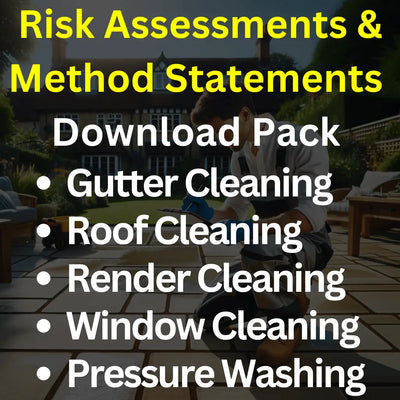
COSHH assessment, PPE, public protection, chemical storage, runoff management and emergency procedures should be organised before starting. For contractors building professional documentation, the Risk Assessment and Method Statement Pack for Exterior Cleaning can help provide a structured approach to planning and communicating safe working methods.
Step 3: Remove Heavy Moss Manually
Heavy moss should usually be removed before treatment. Scrapers, roof brushes and compatible pole systems can reduce the organic load without relying on high pressure. The aim is to remove the bulk material while avoiding damage to tile edges, laps and fixings.
Where possible, collect debris rather than allowing it to block gutters or contaminate neighbouring areas. Gutter clearing is not an optional extra on most roof cleaning jobs; it is part of doing the job properly.
Step 4: Protect Sensitive Areas
Before applying any treatment, protect plants, lawns, painted surfaces, metals, water butts, ponds and drainage routes as required. Pre-wetting, sheeting, temporary downpipe diversion and controlled application can all form part of a responsible site plan.
This is one of the areas where inexperienced operators often shorten the life of a job or create complaints. A clean roof is not a successful job if the surrounding property is damaged.
Step 5: Apply The Correct Treatment Evenly
For longer-lasting roof cleaning, the post-treatment needs even coverage and correct dwell time. Missed areas often show up months later as patchy regrowth. Contractors should work methodically, avoid overspray and follow product guidance.
SoftWash UK supplies a range of professional softwash chemicals suitable for different exterior cleaning tasks. For roof cleaning maintenance and moss control, products such as Clean Guard Pro roof moss killer and cleaner may be considered where appropriate, always in line with the label, site risk assessment and environmental controls.
Step 6: Manage Runoff And Final Checks
Check gutters, downpipes, patios, paths, conservatories and neighbouring boundaries. Remove debris, rinse affected areas where necessary and leave the site safe. Good finishing work reduces complaints and supports longer-lasting results because drainage remains clear.
Step 7: Recommend A Maintenance Schedule
For many UK roofs, an inspection every 12 months and a maintenance treatment every 18 to 36 months is more sensible than waiting for heavy moss to return. Facilities managers responsible for schools, healthcare premises, retail units or housing stock should treat roof cleaning as planned maintenance, not a one-off cosmetic job.
How To Make Roof Cleaning Last Longer
Longevity is not just determined on the day of cleaning. Roofs stay cleaner for longer when the surrounding conditions are managed.
- Keep gutters clear: blocked gutters hold moisture and support moss at the roof edge.
- Reduce overhanging branches: where permitted, pruning can reduce leaf litter and shade.
- Use suitable post-treatment: a biocidal softwash treatment helps control residual spores and algae.
- Avoid unnecessary high pressure: damaged or roughened tile surfaces can become more prone to future growth.
- Inspect valleys and shaded slopes: these areas often need attention first.
- Plan maintenance: light maintenance is usually cheaper and less disruptive than full re-cleaning.
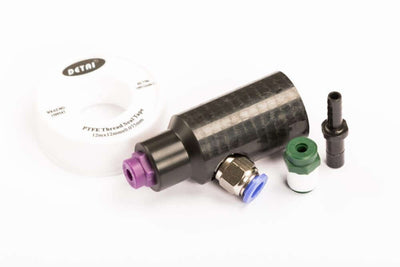
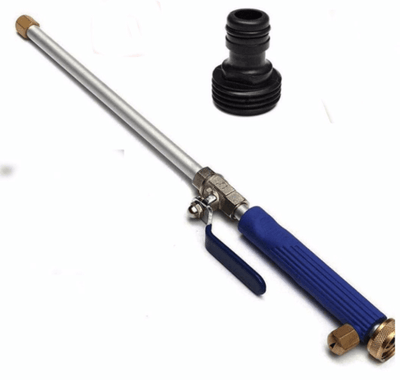
Professional application also depends on reliable equipment. For contractors building a roof cleaning setup, SoftWash UK’s range of soft washing equipment includes application tools that can help deliver controlled low-pressure treatment when used as part of a safe working system.
Common Mistakes That Reduce The Life Of A Roof Clean
Using Pressure As The Default Option
Pressure washing every roof is not best practice. Some roofs can tolerate controlled pressure, but many older UK tiled roofs are better approached with manual removal and treatment. If the surface is damaged, the roof may become more absorbent and support faster regrowth.
Skipping The Biocide Treatment
A roof can look clean after scraping, but spores and fine organic films often remain. Without treatment, regrowth can appear much sooner, especially in shaded areas.
Applying Treatment In Poor Weather
Heavy rain can dilute or wash away treatment before it has worked. Very windy conditions increase drift risk. Extremely dry or hot conditions can create rapid evaporation. Good contractors schedule roof treatment around suitable weather windows.
Not Clearing Gutters
If moss and debris are left in gutters, the roof edge stays damp and growth returns faster. Blocked downpipes can also cause water management problems for the client.
Overpromising Results
Clients should not be told their roof will stay clean forever. A realistic warranty or maintenance plan is better than an exaggerated claim. Longevity depends on the site, not just the operator.
Myths About How Long Roof Cleaning Lasts
Myth 1: Roof Cleaning Is Permanent
No external cleaning process permanently stops spores landing on a roof. Professional treatment delays and controls regrowth; it does not make the roof immune to the UK climate.
Myth 2: If It Looks Clean On Day One, It Will Last Longer
Immediate visual impact is not the same as biological control. Some softwash treatments continue working gradually, with dead lichen and staining weathering away over time. A roof that looks slightly less dramatic on day one may actually have a better long-term treatment behind it.
Myth 3: Stronger Chemical Always Means A Longer Result
Chemical strength must be appropriate to the surface, contamination and safety controls. Stronger is not automatically better. Misuse can damage materials, harm plants and create compliance problems. Contractors should understand softwashing chemicals, labels, dilution, dwell time and environmental responsibilities before treating roofs.
Myth 4: Moss Is Only A Cosmetic Problem
Moss can hold water, block gutters, shed into drainage and add weight where growth is heavy. It may also contribute to frost-related issues on vulnerable surfaces. Roof cleaning is often part of property maintenance, not just kerb appeal.
Safety And Best-Practice Notes For Roof Cleaning
Roof cleaning carries genuine risk. Contractors and serious DIY users should not underestimate work at height, chemical handling or environmental protection.
- Complete a site-specific risk assessment before work begins.
- Use appropriate access equipment and avoid unsafe ladder working.
- Follow COSHH requirements and product safety data sheets.
- Wear suitable PPE, including eye, hand and respiratory protection where required.
- Control public access with cones, barriers or exclusion zones.
- Protect plants, ponds, watercourses and drainage systems.
- Do not walk on fragile roofs unless a safe system has been designed by a competent person.
- Check for asbestos-containing materials on older outbuildings, garages and commercial roofs.
For contractors who want to improve competence, reduce mistakes and understand professional methods in more depth, the SoftWash UK training course covers practical softwashing knowledge, safety thinking and application principles for real-world exterior cleaning work.
Quoting Roof Cleaning: How To Set Client Expectations
When quoting roof cleaning, explain the expected lifespan clearly. A good quote should state the method, access plan, whether gutters are included, what treatment will be applied and what the client should expect over time.
Useful wording might include:
- “This clean is designed to remove the heavy moss growth and treat remaining organic contamination.”
- “The roof should continue to improve as dead growth weathers away naturally.”
- “On this shaded elevation, we would expect maintenance to be needed sooner than on the sunnier side.”
- “We recommend an annual inspection and a maintenance treatment before heavy moss re-establishes.”
This kind of explanation builds trust and reduces disputes. Facilities managers particularly appreciate clear maintenance forecasting because it helps with budgeting and asset planning.
When Should A Roof Be Cleaned Again?
A roof does not need to be fully re-cleaned the moment light green algae appears. In many cases, a maintenance treatment can restore biological control before moss becomes established again.
Consider re-treatment or maintenance when you see:
- Green algae returning across shaded slopes
- Small moss clusters appearing in tile laps
- Lichen spots becoming more visible after a few years
- Gutters collecting moss fragments again
- Damp areas remaining after rain compared with other roof sections
If heavy moss has returned, the roof may need another physical removal stage. If the roof has only light biological film, a carefully planned maintenance treatment may be sufficient.
If this is an area you want to understand properly, you can start by accessing the free SoftWash UK course preview. It includes selected lessons from the full training course and is designed to help contractors see whether professional softwashing training is the right next step.
Frequently Asked Questions
How long does roof cleaning last after moss removal?
Manual moss removal alone usually lasts around 6 to 18 months before visible regrowth starts, although this varies by roof condition and environment. If the roof is treated with a suitable biocide after moss removal, the result commonly lasts 3 to 5 years in many UK settings.
Does roof cleaning stop moss coming back?
Roof cleaning can significantly delay moss returning, but it cannot stop airborne spores landing on the roof in future. The best way to keep moss away for longer is to remove heavy growth, apply a suitable treatment, keep gutters clear and schedule maintenance before moss becomes established again.
Is softwashing a roof better than pressure washing?
For many tiled roofs, softwashing is often the lower-pressure and longer-term biological control option. Pressure washing may produce an instant visual result, but it can damage tiles or force water beneath roof coverings if used incorrectly. The safest and most effective method depends on the roof material, condition, access and contamination level.
How often should a roof be softwashed?
Many roofs benefit from inspection every year and maintenance treatment every 18 to 36 months. A full roof clean may not be needed for 3 to 5 years if the first treatment was carried out properly and the site is not heavily shaded or surrounded by trees.
Will a roof look clean immediately after softwashing?
Not always. Heavy moss may be removed during the cleaning stage, but some dead lichen, algae staining and organic residues can weather away gradually over weeks or months. Clients should be told what to expect so they understand the difference between instant washing and ongoing treatment action.
Can serious DIY users clean their own roof?
Some homeowners can carry out limited low-level maintenance, but roof cleaning is hazardous. Work at height, fragile materials, chemical handling and runoff control are all serious considerations. If safe access and chemical competence are not in place, it is better to use a trained professional.
Conclusion: How Long Should You Expect A Roof Clean To Last?
Most professionally cleaned UK roofs stay cleaner for around 2 to 5 years, with the longest-lasting results usually achieved by combining careful moss removal with an appropriate biocidal softwash treatment. Scraping alone is useful but shorter-lived. Pressure washing can look impressive immediately but may not offer the best balance of longevity and roof protection on many tiled roofs.
For contractors and property professionals, the key is to survey properly, choose the right method, work safely, use suitable chemistry, protect the site and give realistic maintenance advice. Roof cleaning lasts longest when it is treated as a planned maintenance process rather than a one-off wash.
SoftWash UK supports exterior cleaning professionals with specialist softwashing chemicals, equipment, training and educational resources. If you want to improve your roof cleaning results, build safer systems of work or expand your professional knowledge, explore the SoftWash UK Knowledge Centre, product range and training options for practical guidance built around real UK exterior cleaning conditions.