How Long Does Roof Cleaning Last?
In most UK conditions, a professional roof clean should last between 2 and 5 years before noticeable moss, algae or lichen returns. A basic moss scrape with no post-treatment may only look its best for 12 to 24 months, while a properly planned clean with careful moss removal, appropriate biocide treatment and sensible maintenance can often keep a roof looking significantly cleaner for 3 to 5 years or longer.
The honest answer depends on the roof, the method used, the local environment and whether the biological growth has been treated properly rather than simply removed from the surface. A north-facing concrete tiled roof under trees in Wales will not stay clean for as long as an open, south-facing roof in a drier part of the South East. For contractors, facilities managers and serious DIY users, understanding these factors is essential for setting expectations, quoting accurately and avoiding callbacks.
This guide explains how long roof cleaning lasts in real-world UK conditions, what affects regrowth, which cleaning methods give the best longevity, and how to maintain a clean roof safely and professionally.
Quick Answer: Typical Roof Cleaning Lifespan
| Roof Cleaning Method | Typical Visible Result | Typical Longevity | Best Use Case |
|---|---|---|---|
| Moss scraping only | Immediate removal of heavy moss | 1 to 2 years | Budget maintenance where chemical treatment is not possible or not requested |
| Moss removal plus biocide treatment | Immediate moss reduction with progressive cleaning over weeks and months | 3 to 5 years | Most domestic and light commercial tiled roofs |
| Softwashing using suitable chemicals | Fast or progressive removal of staining, algae and biological contamination | 2 to 5 years depending on system and conditions | Controlled professional cleaning where surface suitability and run-off are managed |
| High-pressure roof washing | Immediate visual improvement | Often 1 to 3 years unless followed by treatment | Limited situations only, subject to roof suitability and manufacturer guidance |
For the best long-term result, the roof should be assessed properly, heavy organic matter should be removed, and the remaining spores, algae and lichen should be treated with a suitable professional biocide or softwash system. If you are new to the terminology, SoftWash UK has a helpful guide explaining softwashing and how it differs from conventional surface cleaning.
Why Roof Cleaning Does Not Last the Same Length of Time on Every Property
Two roofs cleaned on the same day using the same method can weather very differently. In practice, contractors often find that the roof's surroundings are just as important as the product used. If you quote roof cleaning professionally, these factors should be noted during survey and built into the customer's expectations.
1. Roof Orientation
North-facing and shaded roof elevations stay damp for longer. Moss, algae and lichen thrive where moisture sits on the tile surface. South-facing elevations usually receive more sunlight, dry faster and often remain cleaner for longer.
On many UK properties, you will see heavy moss on one elevation and relatively clean tiles on the opposite side. That is not usually because the roof was cleaned badly; it is because the microclimate is different on each side of the building.
2. Tree Cover and Organic Debris
Overhanging trees shorten the lifespan of a roof clean. Leaves, sap, pollen, seed pods and bird activity all feed biological growth. Gutters also fill faster, encouraging damp edges and overflow staining.
Where a roof sits under mature trees, a realistic maintenance plan might include annual gutter clearing and a light inspection every 12 months, even if the main roof clean is only repeated every 3 to 5 years.
3. Tile Material and Surface Condition
Concrete tiles, clay tiles, natural slate, fibre cement and coated metal roofing all behave differently. Older concrete tiles can become more porous as the original surface weathers, giving moss and algae a better foothold. Clay tiles may hold growth around laps, nibs and overlaps. Slate can remain cleaner in some conditions but may support lichen colonies over time.
Damaged, delaminating or heavily weathered materials need careful handling. A method that is suitable for a sound concrete tile may not be appropriate for a fragile slate roof, asbestos-containing cement sheet or a listed building.
4. Quality of the Initial Clean
A roof clean lasts longer when the contractor removes the bulk of the moss and then treats the remaining contamination. If heavy moss is simply dislodged but spores and residue remain in laps, valleys, gutters and tile texture, regrowth can appear much sooner.
This is why a cheap “quick clean” often proves expensive for the client. The roof may look better on the day, but without effective treatment, biological growth can re-establish quickly.
5. Chemical Choice, Dilution and Dwell Time
Professional results depend on using the right product at the right strength, on the right surface, for the right dwell time. Too weak and the treatment may underperform. Too strong or poorly controlled and there may be avoidable risk to plants, metals, coatings, drainage systems or the operator.
SoftWash UK’s Knowledge Centre guide to softwashing chemicals is a useful reference for understanding the different types of products used in exterior cleaning, including biocides, surfactants and oxidising agents.
How Long Does Roof Softwashing Last?
Roof softwashing typically lasts between 2 and 5 years, depending on the level of organic growth, the cleaning system used, the roof material and the surrounding environment. In many professional roof cleaning programmes, softwashing is used either as the main cleaning method or as a post-treatment after manual moss removal.
Softwashing is not just “spraying chemical on a roof”. The professional approach involves assessment, controlled application, safe access, run-off management, plant protection, correct product selection, dwell time and post-clean inspection. If you want a broader explanation of expected results on different exterior surfaces, see SoftWash UK’s guide on how long does softwashing last.
Does a Roof Need to Look Clean Immediately?
Not always. Some roof treatments are designed for progressive cleaning. After a biocide treatment, moss, algae and lichen can continue to weather away over weeks and months. This often gives a more controlled result than trying to blast everything off in one aggressive visit.
For commercial clients and facilities managers, this must be explained before work starts. If the client expects a roof to look brand new by the time the van leaves, they may misunderstand how residual biocide treatments work. Photographs, written method statements and realistic timescales help prevent disputes.
Roof Cleaning Methods and Longevity Compared
The cleaning method has a major effect on how long the result lasts. No single method is right for every roof, and the best professionals choose the method after inspection rather than forcing every roof into the same process.
Manual Moss Removal
Manual scraping removes bulk moss from tiles using roof-specific scrapers, poles or access equipment. It is commonly used on tiled roofs where moss has built up in thick cushions.
- Strengths: Reduces weight, clears water pathways and gives an immediate improvement.
- Limitations: Does not fully deal with microscopic spores, algae or lichen roots.
- Longevity: Usually 1 to 2 years without further treatment; longer when followed by biocide.
Biocide Roof Treatment
A biocide treatment is often applied after moss removal to treat remaining organic contamination. Products such as professional roof moss killers and cleaners can help suppress regrowth when applied correctly and safely.
For roof applications where a dedicated moss and biocide-style cleaner is appropriate, contractors may consider products such as Clean Guard Pro, always following the product instructions, safety data and site-specific risk controls.
- Strengths: Extends the clean, treats spores and can work progressively over time.
- Limitations: Requires correct application, weather conditions and run-off management.
- Longevity: Commonly 3 to 5 years in suitable conditions.
Softwashing
Softwashing uses low-pressure application of suitable cleaning and treatment solutions to clean biological staining and contamination. It is often safer for delicate surfaces than aggressive pressure washing, although chemical safety and surface compatibility are critical.
If you are comparing methods for roof cleaning, the SoftWash UK guide to softwashing vs pressure washing explains the key differences in pressure, cleaning action, surface risk and long-term biological control.
Pressure Washing Roofs
Pressure washing can make a roof look clean immediately, but it is not always suitable. Aggressive pressure can damage tiles, disturb laps, force water under coverings, remove protective surface layers and create unnecessary mess. Some tile manufacturers discourage or restrict pressure washing, so roof type and warranty considerations matter.
Where pressure washing is used, it should be controlled, justified and followed by appropriate treatment if longevity is required. The question is not whether pressure washing can clean a roof; it is whether it is the safest and most durable method for that specific roof. For further reading, SoftWash UK also covers whether softwashing is better than pressure washing in different exterior cleaning situations.
How to Make Roof Cleaning Last Longer
The longest-lasting roof cleans usually come from good preparation, safe access, correct treatment and realistic aftercare. Below is a practical sequence used by many professional exterior cleaning contractors.
Step 1: Carry Out a Proper Roof Survey
Before quoting or cleaning, inspect the roof from ground level and, where safe and necessary, from suitable access equipment. Look for:
- Broken, slipped or missing tiles
- Fragile roof areas, rooflights and old cement sheets
- Heavy moss loading in valleys and gutters
- Leadwork, zinc, copper, aluminium and sensitive metals
- Solar panels, aerials, vents and roof penetrations
- Nearby ponds, planting, lawns and watercourses
- Safe access and exclusion zones
A roof clean should never begin with “just get up there and start”. Professional roof cleaning starts with risk assessment, method selection and client communication.
Step 2: Remove Heavy Moss Before Treatment
Where moss is thick, remove the bulk before applying treatment. Heavy moss can shield the tile surface and reduce the effectiveness of the chemical. Removing it first also reduces blocked gutters and downpipes after rainfall.
Use tools suited to the tile profile. Avoid damaging laps, ridges and pointing. Collect debris where practical, clear gutters and prevent moss from washing into surface water drains wherever possible.
Step 3: Apply the Correct Treatment
Apply a suitable roof treatment at the correct dilution and coverage rate. The aim is even application, good contact and controlled run-off. Weather matters: heavy rain too soon may reduce dwell time, while hot dry conditions can cause rapid evaporation.
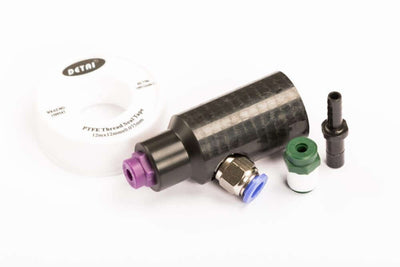
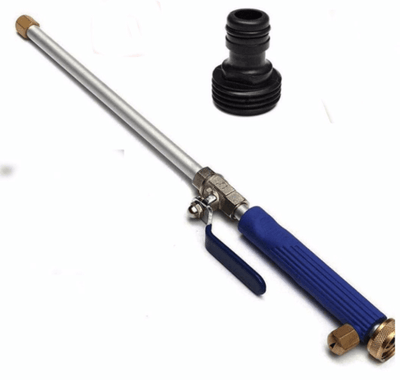
Contractors building a roof cleaning setup should pay close attention to pumps, hoses, nozzles, chemical compatibility and low-pressure delivery. SoftWash UK supplies professional soft washing equipment designed for controlled application rather than high-pressure blasting.
Step 4: Protect Surrounding Areas
Plant protection and run-off control are not optional extras. They are part of the job. Pre-wetting, sheeting, controlled application, gutter management and rinsing can all reduce risk. Always consider where the product will travel once it leaves the roof.
For commercial sites, schools, care homes and public buildings, the method statement should also consider pedestrian management, signage, access restrictions and communication with site representatives.
Step 5: Set a Maintenance Schedule
A roof clean lasts longer when the property is maintained. Suggest practical aftercare rather than unrealistic guarantees. For example:
- Clear gutters annually, especially under trees.
- Trim back overhanging branches where appropriate.
- Inspect valleys and shaded elevations after winter.
- Consider a light maintenance treatment before heavy regrowth returns.
- Keep photographic records after cleaning and at follow-up inspections.
Roof Cleaning Longevity by Property Type
| Property Type | Typical Roof Cleaning Longevity | Practical Notes |
|---|---|---|
| Domestic semi-detached house | 3 to 5 years with moss removal and treatment | Most roofs benefit from gutter clearing and shaded-side monitoring. |
| Detached house surrounded by trees | 2 to 4 years | Tree debris and shade usually accelerate regrowth. |
| Commercial low-pitch roof | 1 to 3 years depending on standing water and material | Drainage, safety access and maintenance inspections are critical. |
| Listed or heritage property | Varies significantly | Specialist assessment required; avoid aggressive methods. |
| Coastal property | 2 to 4 years | Salt, wind exposure and moisture can influence staining and regrowth. |
Common Mistakes That Shorten the Life of a Roof Clean
Mistake 1: Promising the Roof Will Stay Clean for a Fixed Number of Years
No contractor can control shade, rainfall, spores, tree debris or future maintenance. It is better to explain a realistic range rather than guarantee an exact lifespan. “Typically 3 to 5 years in these conditions” is more professional than “this will last exactly five years”.
Mistake 2: Cleaning the Surface but Not Treating the Biology
Removing visible moss is only part of the job. If spores, algae and lichen remain untreated, the roof can green up sooner than expected. This is one of the main reasons customers feel disappointed after a cheap roof clean.
Mistake 3: Using Too Much Pressure
High pressure can create an immediate visual result, but it can also strip weathered tile surfaces, damage pointing and force water where it should not go. A roof is a water-shedding system, not a waterproof tray designed to be blasted from every angle.
Mistake 4: Poor Chemical Control
More chemical does not automatically mean a better or longer-lasting clean. Over-application can increase risk without improving the result. Correct dilution, coverage, dwell time and rinsing or non-rinsing procedure, depending on the system, matter far more than guesswork.
Mistake 5: Ignoring Access and Working-at-Height Risk
Roof cleaning involves foreseeable hazards. Falls from height remain one of the biggest risks in the construction and maintenance sectors. Ladders, towers, MEWPs, scaffolding, harness systems and ground-based pole methods all have a place, but the access method must suit the job.
Safety and Compliance Notes for UK Roof Cleaning
Professional roof cleaning should be planned around UK health and safety expectations, not just visual results. Contractors should consider working at height, COSHH, PPE, manual handling, public protection, environmental controls and emergency procedures.
At a minimum, consider the following:
- Carry out a site-specific risk assessment before work starts.
- Prepare a clear method statement for roof access, cleaning and chemical application.
- Read and follow the safety data sheet and product label for every chemical used.
- Use appropriate PPE, including eye, skin and respiratory protection where required.
- Manage run-off to gutters, drains, soil, planting and watercourses.
- Keep pedestrians, residents, staff and vehicles away from the working area.
- Do not work on fragile roofs without proper controls and competence.
- Check weather conditions, especially wind, frost, heavy rain and heat.
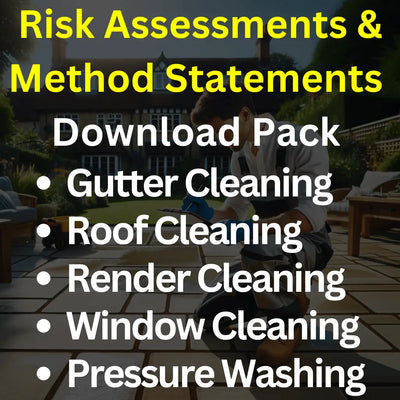
For contractors who need structured paperwork, the Risk Assessment and Method Statement pack for exterior cleaning can help support a more professional approach to documenting roof cleaning work. It does not replace competent judgement on site, but it can provide a useful framework.
What Should Contractors Tell Customers?
Clear communication is one of the simplest ways to avoid complaints. Customers often ask, “How long will my roof stay clean?” The best answer is honest, specific and based on the survey.
A practical explanation might be:
“On this roof, because the rear elevation is shaded and there are trees close by, we would normally expect the clean to last around 3 years before noticeable regrowth starts to return. The front elevation may stay cleaner for longer. If the gutters are kept clear and the tree debris is managed, the result should last better.”
This kind of answer builds trust because it shows you have assessed the property rather than repeating a generic sales line.
Quoting Roof Cleaning: Build Longevity Into the Specification
When quoting roof cleaning, specify exactly what is included. A vague quote such as “clean roof” leaves room for misunderstanding. A professional specification should include:
- Access method
- Whether heavy moss removal is included
- Whether gutters will be cleared
- Type of treatment to be applied
- Expected progressive cleaning timescale
- Plant and property protection measures
- Waste handling and site clean-up
- Any exclusions, such as repairs or inaccessible areas
For contractors who want to improve their technical understanding, SoftWash UK offers a full soft wash training course covering methods, safety thinking, chemical use and professional exterior cleaning practice. Training is especially useful if you are moving from general pressure washing into roof cleaning and softwashing.
If you want to see how professional softwashing training is structured before committing to the full programme, you can try selected lessons from the SoftWash UK course for free. It is a useful way to preview the training and understand the standards, safety thinking and practical approach behind professional softwashing.
Which Products and Equipment Help Roof Cleaning Last?
The product or equipment should be chosen to suit the roof and the method, not the other way around. A long-lasting clean usually depends on combining mechanical removal, correct treatment and controlled application.
Professional Roof Treatments
For contractors selecting treatments, SoftWash UK’s range of soft wash chemicals includes products designed for exterior biological cleaning and maintenance. Always check product suitability, surface compatibility, label instructions and safety documentation before use.
Controlled Low-Pressure Application
Low-pressure application equipment helps achieve even coverage without relying on damaging force. This is particularly important on roofs where aggressive washing could cause tile damage, water ingress or unnecessary surface wear.
Documentation and Training
Products alone do not make a contractor professional. Competence comes from understanding surfaces, chemistry, risk control and method selection. Documentation, training and ongoing education are just as important as the chemical in the tank.
Myths About How Long Roof Cleaning Lasts
Myth: A Clean Roof Should Stay Clean Forever
No exterior surface stays clean forever in the UK climate. Spores are airborne, rain is frequent and shaded surfaces will eventually support biological growth again. Roof cleaning is maintenance, not a permanent cure.
Myth: Pressure Washing Makes a Roof Stay Clean Longer
Pressure washing may remove visible dirt quickly, but it does not automatically treat biological spores. Without a suitable treatment, regrowth can return sooner than expected. It may also increase surface roughness on some weathered materials, giving future growth more places to anchor.
Myth: The Strongest Chemical Gives the Longest Result
Correct chemistry is about suitability, not strength for its own sake. Over-strength application can increase risk and may breach product guidance. Professional cleaning is based on controlled, responsible use.
Myth: Lichen Has Not Been Treated Unless It Disappears Immediately
Some lichen can take time to weather away after treatment. Customers should be told that certain marks may lighten and detach gradually. Before-and-after expectations are especially important on older roofs with deep-rooted colonies.
FAQ: How Long Does Roof Cleaning Last?
How often should a roof be cleaned in the UK?
Most UK roofs do not need full cleaning every year. A professionally cleaned and treated tiled roof may only need a major clean every 3 to 5 years, with annual gutter maintenance and inspections in between. Shaded roofs or properties under trees may need attention sooner.
Does roof moss come back after cleaning?
Yes, moss can return because spores are naturally present in the environment. However, proper moss removal followed by a suitable biocide treatment can significantly slow regrowth compared with scraping alone.
Is roof cleaning worth it?
Roof cleaning can be worthwhile where moss is blocking drainage paths, filling gutters, holding moisture or causing the property to look poorly maintained. For commercial buildings, it can also support planned maintenance and improve site presentation. The key is to use a suitable, safe method rather than damaging the roof for a short-term cosmetic result.
How long does a biocide roof treatment take to work?
Some results are visible quickly, but full improvement often develops over several weeks or months as dead growth weathers away naturally. Timing depends on the contamination, product, weather and roof material.
Can I clean a roof myself?
Serious DIY users should be very cautious. Roof cleaning involves working at height, chemical handling, fragile surfaces and run-off risks. Many domestic roofs are better left to trained professionals with the correct access equipment, PPE and insurance. If you do carry out any work yourself, stay within your competence and follow all product and safety guidance.
Will cleaning damage roof tiles?
Roof cleaning should not damage tiles when the method is suitable for the roof condition and material. Damage is more likely when excessive pressure, poor access methods, incorrect scraping tools or unsuitable chemicals are used. Always inspect the roof first and choose the least aggressive effective method.
Conclusion: So, How Long Does Roof Cleaning Last?
A realistic expectation for professional roof cleaning in the UK is 2 to 5 years, with the best results usually achieved by combining careful moss removal, appropriate biocide or softwash treatment, safe access and sensible maintenance. Scraping alone may improve the roof quickly but tends to have a shorter lifespan. A properly treated roof will usually stay cleaner for longer because the biological contamination has been addressed rather than just disturbed.
For contractors, the key is to survey properly, explain the site-specific factors and avoid over-promising. For facilities managers and property maintenance professionals, roof cleaning should be treated as planned maintenance, supported by safe systems of work and clear documentation. For serious DIY users, the most important point is to recognise the risks before attempting roof work.
SoftWash UK supports professional exterior cleaners with practical education, specialist equipment, roof cleaning chemicals and compliance-focused resources. If you want to improve the consistency, safety and longevity of your roof cleaning results, explore the SoftWash UK Knowledge Centre, professional product range and training resources before your next project.