How Long Does Render Cleaning Last?
Render cleaning typically lasts between 2 and 5 years when carried out properly using a suitable softwashing process, although some elevations may stay clean for longer and high-risk areas may show staining again within 12 to 24 months. The real answer depends on the render type, exposure, previous contamination, local environment, detailing, drainage, chemical choice and whether the surface was simply washed or treated correctly.
For UK exterior cleaning contractors, facilities managers, property maintenance teams and serious DIY users, the important point is this: render cleaning is not just about making a wall look clean on the day. A lasting result comes from killing and controlling biological growth such as algae, mould, lichen and bacteria, while avoiding damage to delicate render systems. This is why professional render cleaning is usually based around controlled softwashing rather than aggressive pressure washing.
If a customer asks, “How long will my render stay clean?”, a responsible answer is usually: “Most properly softwashed render remains visibly cleaner for around 2 to 5 years, but shaded, damp or exposed elevations may need maintenance sooner.” That manages expectations and reflects what we see in real-world UK conditions.
What Affects How Long Render Cleaning Lasts?
The lifespan of a render clean is influenced by more than the product used on the day. In practice, two identical houses on the same street can weather differently because one elevation is shaded by trees, while the other dries quickly in full sun.
1. Render type and surface texture
Different render systems behave differently. Smooth painted render, silicone render, acrylic render, monocouche render, mineral render and roughcast all hold moisture and dirt in different ways.
- Smooth painted render often cleans well and can stay clean for several years if the coating is sound.
- Textured silicone or acrylic render can trap airborne dirt and algae spores in the texture, especially on north-facing walls.
- Monocouche render can be porous and may hold staining deeper in the surface, so unrealistic promises should be avoided.
- Roughcast and heavily textured finishes often encourage more moisture retention and organic regrowth.
The more textured or porous the render, the more likely it is to hold moisture, nutrients and spores. That usually shortens the time before visible regrowth appears.
2. Orientation and sunlight
North-facing and east-facing elevations in the UK usually discolour faster because they receive less direct sunlight and stay damp for longer. South-facing render often remains cleaner for longer because UV exposure and quicker drying help suppress biological growth.
On commercial buildings, the “worst” elevation is often the one facing prevailing weather, shaded service yards, trees, car parks or neighbouring buildings. When quoting, always walk the whole site rather than assuming every elevation will age at the same rate.
3. Moisture and drainage problems
Render that keeps getting wet will not stay clean for long, even after a good softwash. Common causes include:
- Leaking gutters or downpipes
- Overflowing hopper heads
- Poor drip details below sills
- Flat coping stones with no overhang
- External insulation systems with poor detailing
- Sprinkler overspray or plant irrigation against walls
- Splashback from paving, gravel or soil beds
Where there is a moisture defect, render cleaning should be part of the maintenance plan, not a substitute for repairs. If the water source is not corrected, staining can return quickly.
4. Local environment
Rural, coastal, urban and industrial environments all create different cleaning challenges. Coastal render can suffer from salt deposits and damp wind exposure. Urban render may accumulate traffic film and atmospheric carbon. Rural buildings often have heavier algae due to trees, fields, shade and airborne organic matter.
Facilities managers should factor this into planned maintenance schedules. A sheltered retail park elevation beside landscaping may need more frequent attention than a sunny, exposed high street frontage.
5. Cleaning method used
The cleaning method is one of the biggest factors affecting longevity. A rinse-only or pressure-only clean may remove visible staining temporarily, but if the biological growth is not properly treated, it can return quickly.
Softwashing is designed to treat the contamination at a biological level using the correct application method, chemical strength, dwell time and controlled rinse procedure. If you are new to the process, SoftWash UK’s Knowledge Centre article on softwashing explains the method in more detail.
Typical Render Cleaning Lifespan By Condition
The following table gives realistic guidance for UK properties. These are not guarantees, but they are useful working ranges for contractors and property managers when setting expectations.
| Render condition and environment | Typical clean appearance lifespan | Notes |
|---|---|---|
| Sunny, well-drained, lightly contaminated render | 3 to 5 years or more | Best-case scenario where the surface dries quickly and there are no building defects. |
| Average domestic render with normal algae staining | 2 to 4 years | Typical result after a professional softwash treatment and rinse. |
| Shaded north-facing render near trees | 12 months to 3 years | Regrowth risk is higher due to dampness, shade and organic debris. |
| Commercial property near traffic or pollution | 1 to 3 years | Atmospheric soiling may return before biological staining becomes severe. |
| Render affected by leaks, poor drainage or constant moisture | Months to 2 years | Cleaning will improve appearance, but defects should be repaired for longer-lasting results. |
Does Softwashing Make Render Cleaning Last Longer?
Yes, in most render cleaning situations, softwashing gives a longer-lasting result than simple rinsing or pressure washing because it treats the biological contamination rather than just removing the surface colour. This is especially important on rendered walls affected by green algae, black staining, red algae, mould and other organic growth.
Pressure washing can make render look clean immediately, but it may also drive water into the substrate, scar the surface, remove coatings, cause patchy appearance or damage weak render. For a detailed comparison, see SoftWash UK’s guide to softwashing vs pressure washing.
There are occasions where low-pressure rinsing is useful after treatment, but the key is control. Render is rarely a surface for high-pressure experimentation. A professional approach considers render age, coating condition, access, chemical selection, nearby vegetation, overspray control and wastewater management.
Why Render Gets Dirty Again
Render does not usually “get dirty” for one single reason. Most discolouration is a mixture of biological growth, mineral staining, airborne pollution and moisture patterns. Understanding the cause helps contractors choose a method that lasts.
Biological growth
Green algae, black algae, red algae, mould and lichen colonise render when moisture, shade and nutrients are available. Spores are constantly present in the environment, so no cleaning method can stop them landing on the wall again. The aim is to clean the surface thoroughly and slow recolonisation.
Atmospheric soiling
Exhaust emissions, dust, carbon, industrial pollutants and general airborne grime can settle on render. This is more common on urban commercial premises, schools, apartment blocks and high-traffic roads.
Run-off staining
Streaks below window sills, coping stones, roof edges or signage often indicate water flow. If the water repeatedly runs down the same route, dirt and biological growth tend to follow that pattern.
Metal, rust, lead or mineral staining
Not all staining is organic. Rust marks, lead carbonate staining, copper staining and mineral deposits may require specialist treatment and should not be approached as standard algae removal. Misidentifying the stain is a common reason for poor results.
Softwash Chemicals And Longevity On Render
The chemicals used, and how they are applied, strongly influence how long render cleaning lasts. Professional cleaning is not about using the strongest mix possible. It is about using the correct chemistry, dilution, surfactant, dwell time and rinse method for the surface and contamination.
For a broader overview of chemistry, see the SoftWash UK Knowledge Centre guide to professional softwash chemicals. Contractors should always read product labels, Safety Data Sheets and technical guidance before use.
SoftWash UK supplies a range of soft wash chemicals suitable for professional exterior cleaning applications. On render, products are normally selected based on the type of soiling, the render finish, weather conditions and the required level of control.
The role of sodium hypochlorite
Sodium hypochlorite for soft washing is commonly used by trained contractors for treating organic contamination. Used correctly, it can deliver strong results on algae and mould-stained render. Used carelessly, it can damage surfaces, plants, metals, fabrics and surrounding finishes.
That is why proper dilution, application control, PPE, plant protection, pre-wetting, post-rinsing and runoff management are essential. More chemical does not automatically mean a better or longer-lasting clean.
The role of surfactants
A surfactant helps the cleaning solution wet the surface evenly and cling long enough to work, particularly on vertical render. For textured elevations, a suitable product such as Clever Wash Surfactant can improve contact time and reduce excessive run-off when used as part of an appropriate method.
The practical benefit is consistency. Patchy chemical contact often leads to patchy results, especially on large commercial elevations or coloured render.
Step-By-Step: How To Make Render Cleaning Last Longer
The following process reflects a professional approach. It is not a substitute for training, site-specific risk assessment or product instructions, but it gives a useful framework for contractors and maintenance teams.
- Inspect the render. Identify the render type, coating condition, cracks, blown areas, previous painting, staining type and vulnerable details.
- Check for defects. Look for leaking gutters, poor sill drips, overflowing downpipes, failed sealant, damaged coping stones and splashback zones.
- Assess access and surroundings. Consider public areas, vehicles, plants, ponds, pets, ventilation openings, electrical points and neighbouring properties.
- Carry out a test patch. Test in a discreet area to confirm compatibility, dwell time, cleaning effect and any colour sensitivity.
- Protect sensitive areas. Pre-wet plants, cover vulnerable items where appropriate, isolate water-sensitive areas and control overspray.
- Apply the chosen solution at low pressure. Use a controlled softwash application rather than high pressure. Ensure even coverage from bottom-up or as appropriate for the system and surface.
- Allow correct dwell time. Do not allow the solution to dry on the surface. Reapply lightly if needed to maintain wet contact, following product guidance.
- Rinse appropriately. Use a controlled low-pressure rinse where required, avoiding water ingress and damage to the render.
- Inspect once dry. Some organic staining continues to lighten after treatment. Manage client expectations on same-day versus post-treatment appearance.
- Recommend maintenance. Suggest periodic inspections, gutter cleaning, vegetation management and targeted retreatment where needed.
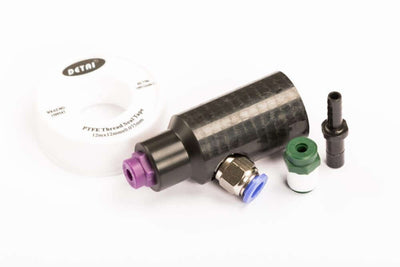
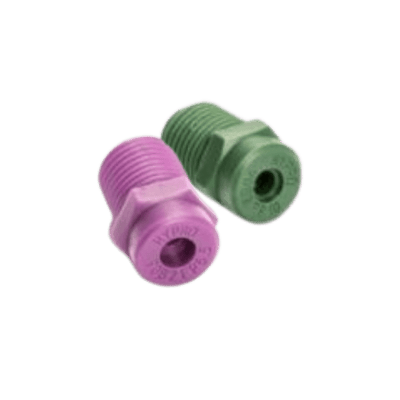
For contractors, equipment choice also matters. A controlled application setup and suitable nozzles help achieve even coverage while reducing waste and overspray. For some situations, a water fed pole softwash nozzle can help apply or rinse at height with better control, provided the operator is trained and the method is suitable for the site.
Render Cleaning Maintenance Schedules
For facilities managers and property maintenance professionals, the best results usually come from planned maintenance rather than waiting until render is heavily stained. Light maintenance is often easier, quicker and less disruptive than major restoration cleaning.
| Property type | Suggested inspection frequency | Typical cleaning cycle |
|---|---|---|
| Domestic rendered home | Annually | Every 2 to 5 years depending on exposure |
| Apartment block | Annually or twice yearly | Every 2 to 4 years, with problem elevations sooner |
| Retail or hospitality property | Twice yearly | Every 1 to 3 years due to appearance standards |
| School, healthcare or public building | Annually | Every 2 to 4 years as part of external fabric maintenance |
| Shaded rural property | Annually | Every 1 to 3 years where trees and moisture are present |
A good maintenance plan should include photographs, elevation notes and records of what was applied. This protects the contractor, helps the client budget properly and improves consistency on repeat visits.
Common Mistakes That Shorten The Life Of A Render Clean
Using too much pressure
High-pressure cleaning can roughen render, open pores, damage coatings and create a surface that soils more quickly in future. It may also force water behind the render system. Clean today, damage tomorrow is not a professional result.
Not treating the biological growth
If the wall is only rinsed, scrubbed or lightly washed without treating the organism properly, the green or black staining may return quickly. This is why customers sometimes say, “It looked good for a few months, then came back.”
Ignoring building defects
If a downpipe is leaking or a coping stone is constantly wetting the wall, cleaning will only provide temporary improvement. Always point out defects before starting work and include them in the job notes.
Cleaning in poor weather
Heavy rain, strong wind, freezing conditions or hot direct sun can all affect chemical performance and safety. Wind increases overspray risk. Strong sun can dry the solution too quickly. Cold weather can slow the reaction.
Overpromising the lifespan
Promising “it will stay clean for 10 years” is risky unless there is a specific coating, maintenance agreement or manufacturer-backed system involved. Most professional render cleaning should be sold with realistic expectations, not exaggerated guarantees.
Myths About How Long Render Cleaning Lasts
Myth 1: Render cleaning is permanent
No exterior clean is permanent. Spores, dirt and weather exposure return over time. A good clean resets the appearance and slows regrowth, but it does not stop nature.
Myth 2: Stronger chemical always lasts longer
Incorrect. Over-strength solutions can cause unnecessary risk without improving the result. The right mix, dwell time, surface assessment and rinse process are more important than simply increasing strength.
Myth 3: Pressure washing is faster, so it is better
Pressure washing can be fast, but it is often unsuitable for delicate render. A fast clean that damages the surface or leads to rapid regrowth is not better. In many cases, softwashing better than pressure washing is the more accurate framing when the aim is controlled cleaning and longer-lasting biological treatment.
Myth 4: All stains on render are algae
They are not. Rust, lead, mineral staining, tannins, soot and paint failure all require different thinking. Treating every stain as algae can waste time and may create damage.
Safety, Compliance And Best Practice For Render Cleaning
Render cleaning often involves working at height, public interface, chemical application, water management and environmental considerations. A professional contractor should not treat it as a simple “spray and rinse” job.
Key safety and compliance considerations include:
- Site-specific risk assessment and method statement
- Correct PPE, including eye, skin and respiratory protection where required
- Product label and Safety Data Sheet compliance
- Public exclusion zones and signage
- Protection of plants, ponds, metals, painted surfaces and sensitive materials
- Safe access equipment and working at height controls
- Responsible storage, transport and handling of chemicals
- Runoff control and environmental awareness
For contractors who want a structured starting point for documentation, the Risk Assessment and Method Statement RAMS Pack for Exterior Cleaning can help support a more professional approach to planning and communicating safe working methods.
It is also worth investing in proper education if you are adding render cleaning to your services. SoftWash UK’s Soft Wash Training Course is designed to help contractors understand safe chemical handling, application methods, surface assessment and professional exterior cleaning practice.
If you want to see how professional softwashing training is structured before committing to the full programme, you can try selected lessons from the SoftWash UK course for free. It is a useful way to preview the training and understand the standards, safety thinking and practical approach behind professional softwashing.
How To Explain Render Cleaning Lifespan To Customers
Contractors often lose trust by giving vague or overconfident answers. A clear explanation helps win better clients and reduces disputes.
A practical way to phrase it is:
“Most professionally softwashed render stays cleaner for around two to five years. Your shaded elevations may show signs of algae sooner because they stay damp longer, while the sunny elevations should last longer. We will also check gutters, drainage and areas of constant water run-off because those issues affect how quickly staining returns.”
This kind of explanation shows competence. It also makes clear that cleaning lifespan is affected by the building and environment, not just the contractor’s work.
Quoting Render Cleaning With Longevity In Mind
When pricing render cleaning, contractors should consider more than square metre rate. Long-lasting results depend on preparation, access, chemical control and aftercare advice.
- Include inspection time. Identifying defects before cleaning prevents misunderstanding later.
- Allow for plant and surface protection. This is part of the job, not an optional extra.
- Price for the correct method. Cheap pressure washing may cost less initially but can create expensive problems.
- Offer maintenance options. A light retreatment programme can be valuable for commercial clients.
- Document before and after. Photos help prove results and support future maintenance planning.
For larger premises, a planned maintenance proposal can be more useful than a one-off clean. Facilities managers often prefer predictable costs, reduced disruption and consistent building appearance.
FAQ: How Long Does Render Cleaning Last?
How long does softwash render cleaning last?
Most softwash render cleaning lasts around 2 to 5 years, depending on exposure, shade, moisture and the quality of the cleaning process. High-risk elevations near trees, damp areas or leaking rainwater goods may need attention sooner. For a wider explanation, SoftWash UK also has a Knowledge Centre page on how long does softwashing last.
Will render stay cleaner longer if it is pressure washed?
Usually not. Pressure washing may remove visible staining quickly, but it does not always treat the biological growth properly and can damage render. A controlled softwash process is often better for longevity and surface preservation.
Can render cleaning remove black stains completely?
Often, but not always immediately. Some black biological staining lightens after treatment over days or weeks. However, staining caused by carbon, minerals, rust, lead or surface damage may require a different treatment or may not fully disappear.
Why has algae returned after only a year?
Early regrowth is usually caused by shade, constant dampness, nearby trees, poor drainage, leaking gutters or an insufficient treatment process. The first step is to inspect the building rather than simply applying a stronger chemical.
Can I clean render myself?
Serious DIY users can clean some small, low-risk areas if they understand the surface, products and safety requirements. However, chemical handling, working at height, overspray control and render damage risks should not be underestimated. Larger properties, delicate render and heavy staining are better handled by trained professionals.
Should render be sealed after cleaning?
Sometimes protective coatings or sealers are considered, but they must be compatible with the render system. Applying the wrong coating can trap moisture or affect breathability. Always check manufacturer guidance and avoid treating sealing as a universal solution.
Conclusion: How Long Should You Expect Clean Render To Last?
As a realistic guide, professional render cleaning lasts around 2 to 5 years in many UK situations. Some clean, sunny and well-drained elevations may stay presentable for longer, while shaded, damp or defect-prone areas may need maintenance within 12 to 24 months.
The longest-lasting results come from correct diagnosis, low-pressure softwashing, suitable chemistry, good dwell time, careful rinsing, safe working practices and honest aftercare advice. Contractors who understand these factors can quote more accurately, avoid damage, protect clients’ properties and build stronger long-term relationships.
SoftWash UK supports contractors, facilities teams and serious DIY users with professional chemicals, equipment, training and educational resources for safe and responsible exterior cleaning. If you want to improve your render cleaning results, start by learning the method properly, choosing appropriate products and building safety and compliance into every job.
To explore professional products, equipment and training resources, visit SoftWash UK and continue building your knowledge before taking on more complex render cleaning work.