Why Chemical Strength Matters in Softwashing
Chemical strength matters in softwashing because it directly affects cleaning performance, dwell time, surface safety, plant protection, cost control and legal responsibility. Too weak, and the clean may fail or require repeated applications. Too strong, and you increase the risk of surface damage, staining, vegetation burn, unnecessary chemical exposure and poor professional outcomes.
For UK exterior cleaning contractors, facilities managers, property maintenance teams and serious DIY users, understanding chemical strength is not about “making it stronger so it works faster”. It is about applying the correct active strength for the surface, the contamination, the weather conditions and the job specification. Professional softwashing is controlled chemistry, not guesswork.
In practice, the correct softwash strength depends on several factors: the chemical being used, the active ingredient concentration, the dilution rate, the level of biological growth, the substrate, the method of application, dwell time and rinse requirements. Get these right and you achieve safer, more consistent results. Get them wrong and you risk callbacks, complaints or damage.
What Does Chemical Strength Mean in Softwashing?
In softwashing, chemical strength usually refers to the concentration of the active ingredient that reaches the surface being cleaned. This is sometimes called the “working strength” or “on-surface strength”. It is not always the same as the strength of the chemical in the drum or container.
For example, a contractor may purchase a concentrated product and then dilute it before application. The key question is not just “what strength is in the container?” but “what strength is being applied to the wall, roof, render, paving or cladding?”
This distinction is especially important with oxidising agents such as sodium hypochlorite, where working strength has a major effect on cleaning speed and risk. It also matters with biocides such as DDAC, where the product may be used for residual biocidal treatment rather than immediate visual cleaning.
Stock Strength vs Working Strength
| Term | Meaning | Why It Matters |
|---|---|---|
| Stock strength | The concentration of the chemical as supplied or stored. | Important for storage, handling, transport, shelf life and dilution planning. |
| Dilution ratio | The amount of chemical mixed with water or applied through an injector system. | Controls how strong the solution becomes before it reaches the surface. |
| Working strength | The effective strength of the solution applied to the surface. | This is what determines cleaning action, dwell time and risk to the substrate. |
| Contact time | How long the chemical remains active on the surface. | A weaker solution with good dwell may outperform a stronger solution that dries too quickly. |
Why Stronger Is Not Always Better
One of the most common softwashing myths is that a stronger mix automatically gives a better result. On some heavily contaminated surfaces, increased strength may be necessary, but professional cleaning is rarely that simple.
In real-world exterior cleaning, a solution that is too strong can create more problems than it solves. It may bleach sensitive surfaces, mark metals, damage painted coatings, dry too quickly, increase fumes, burn nearby plants or leave uneven results. It can also make the operative’s job less safe.
A well-trained contractor will normally start by assessing the surface and contamination, then select the lowest effective strength that is suitable for the task. That approach protects the property, reduces chemical waste and improves consistency across different jobs.
Practical Example: Render Cleaning
On a rendered property with light green algae, a controlled softwash application at an appropriate working strength may clean effectively without aggressive pressure washing. However, if the same surface is treated with an unnecessarily strong solution, there is a greater chance of streaking, uneven brightening, damage to adjacent materials or complaints about overspray affecting plants and windows.
On the other hand, if the solution is too weak, the algae may only partially lighten and the operative may be tempted to keep reapplying. That can sometimes result in more total chemical exposure than using the correct strength in the first place.
How Chemical Strength Affects Cleaning Performance
Chemical strength affects the speed and completeness of the softwashing process. However, strength is only one part of the cleaning system. Surface wetting, dwell time, temperature, organic loading and rinsing all influence the final outcome.
- Too weak: slow reaction, patchy results, repeated applications, higher labour time and possible callbacks.
- Correct strength: controlled cleaning action, manageable dwell time, reduced risk and more predictable results.
- Too strong: increased safety risk, higher chemical cost, potential substrate damage and unnecessary environmental exposure.
This is why experienced contractors talk about “matching the method to the surface”, not simply applying one mix to everything. A north-facing rendered wall with black organic staining is a different job from lightly soiled uPVC cladding, sandstone paving, roof tiles or timber.
Understanding the Role of Different Softwashing Chemicals
Not all softwashing chemicals work in the same way. Some are selected for rapid visual improvement, while others are used for longer-term biological control. If you are new to the subject, SoftWash UK has a helpful Knowledge Centre guide explaining softwashing chemicals and their typical roles in exterior cleaning.
Sodium Hypochlorite
Sodium hypochlorite is widely used in professional softwashing because it is effective against organic staining such as algae, mould, mildew and lichen residue. It works quickly when used correctly, but it must be handled with care. Strength control is critical because increasing the active strength increases both cleaning power and risk.
Contractors using professional-grade products such as Sodium Hypochlorite for Soft Washing 14% to 15% should always calculate dilution, follow the safety data sheet, use suitable PPE and protect surrounding surfaces and vegetation. Never mix sodium hypochlorite with acids, ammonia-based products or incompatible chemicals.
Biocides and DDAC-Based Products
DDAC-based biocides are often used where longer-term biological control is required. These products do not always provide the same immediate whitening effect as sodium hypochlorite, but they can be useful as part of a maintenance strategy, particularly on roofs, masonry and external surfaces where continued biological suppression is desired.
A product such as Soft Wash Pro 50 DDAC may be relevant where a professional biocidal treatment is specified. As with any professional-use product, correct dilution, site assessment, safe handling and compliance with product instructions are essential.
Surfactants
A softwash surfactant helps the cleaning solution wet the surface, cling for longer and spread more evenly. This can improve dwell time and reduce run-off, particularly on vertical render, cladding and textured surfaces.
The practical benefit is that good wetting can sometimes deliver better results without simply increasing chemical strength. For example, using Clever Wash Surfactant with an appropriate softwash solution can help improve coverage on walls and reduce premature run-off, provided it is used according to instructions.
Chemical Strength and Surface Safety
Every surface reacts differently. A strength that is suitable for one substrate may be excessive for another. This is especially important when cleaning mixed-material properties where render, brick, aluminium trims, lead flashing, timber, painted surfaces, glass, plants and paving may all be close together.
| Surface | Strength Consideration | Practical Best Practice |
|---|---|---|
| Render | Can show streaking or uneven results if over-applied or allowed to dry. | Pre-wet where appropriate, apply evenly, control dwell and rinse as required. |
| Roof tiles | Heavy organic loading may require a planned treatment approach rather than excessive strength. | Assess access, run-off, gutters, watercourses and plant protection before application. |
| Natural stone | Some materials are sensitive to strong oxidisers or may contain reactive minerals. | Test a small area and consider specialist products where staining is not organic. |
| Painted surfaces | Older coatings may fade, chalk or react unpredictably. | Carry out a test patch and avoid unnecessary strength. |
| Metals and leadwork | Can be vulnerable to staining or corrosion with unsuitable chemicals. | Protect, pre-wet, rinse thoroughly and avoid prolonged contact. |
| Timber | Can lighten, dry out or become patchy if treated incorrectly. | Use timber-appropriate cleaning methods and avoid aggressive chemical use. |
Chemical Strength, Dwell Time and Weather Conditions
In the UK, weather often has as much influence on a softwashing job as the chosen product. Wind, rain, heat and direct sunlight can all change how a chemical behaves on the surface.
Hot or Sunny Conditions
In warm weather or direct sunlight, solutions dry faster. Once a softwash solution dries, its performance can drop and the risk of residue or surface marking increases. A weaker solution with controlled dwell and good wetting may perform better than a stronger solution that dries in minutes.
Cold Conditions
Cold weather can slow chemical reaction. Contractors sometimes respond by increasing chemical strength, but this should not be done casually. You must still consider surface compatibility, safety, dwell time and manufacturer guidance.
Wind and Overspray
Wind increases the risk of drift onto vehicles, neighbouring properties, plants, ponds and public areas. Stronger mixes increase the consequences of overspray. In exposed locations, it may be safer to postpone the work or use more controlled application methods.
How to Choose the Right Chemical Strength: A Practical Process
Choosing the correct softwash strength should be a deliberate process. A professional contractor should be able to explain why a particular product and working strength has been selected, especially on commercial sites or managed properties.
- Identify the contamination. Decide whether you are dealing with algae, mould, lichen, moss residue, atmospheric soiling, oil, rust, tannin or another type of staining. Not every stain is biological.
- Identify the substrate. Render, brick, slate, concrete, stone, cladding, timber and painted surfaces all require different levels of caution.
- Check surrounding risks. Look for plants, watercourses, ponds, pets, vehicles, metals, leadwork, open windows, ventilation intakes and public access.
- Refer to product guidance. Read the label, safety data sheet and technical information before use.
- Test a discreet area. A test patch helps confirm compatibility and expected results before committing to the full area.
- Select the lowest effective strength. Avoid using excessive strength as a substitute for preparation, dwell control or correct application.
- Apply evenly. Uneven application is one of the most common causes of patchy results.
- Control dwell time. Keep the surface within the required working window and prevent premature drying where appropriate.
- Rinse, neutralise or leave as specified. Follow the product instructions and method statement for the chosen treatment.
- Record what was used. Keep notes of product, dilution, weather, surface type and outcome. This helps with repeat work and professional accountability.
Common Mistakes with Chemical Strength
Many softwashing problems are not caused by poor products. They are caused by poor strength control, rushed assessment or misunderstanding the chemistry.
Mistake 1: Using One Mix for Every Job
A fixed “one-size-fits-all” mix is rarely professional. A solution suitable for heavy biological staining on a robust surface may be far too strong for delicate render, painted trims or areas close to sensitive planting.
Mistake 2: Confusing Product Strength with Applied Strength
Contractors sometimes talk about the strength of the drum without calculating what actually reaches the surface. If you use an injector, proportioner or downstream system, you must understand its draw rate and final output.
Mistake 3: Increasing Strength Instead of Improving Technique
Poor results may be caused by inadequate dwell, poor coverage, dirty application equipment, lack of surfactant, application in bad weather or misidentified staining. Increasing strength will not fix all of these problems.
Mistake 4: Ignoring Chemical Degradation
Some chemicals degrade during storage, especially if exposed to heat, sunlight or contamination. A product that has lost strength may behave differently on site. Storage conditions, stock rotation and product age matter.
Mistake 5: Treating Non-Organic Stains with the Wrong Chemical
Rust, oil, tannin, efflorescence and lead staining often require specialist chemistry. Applying a stronger softwash solution to the wrong stain can waste time and may worsen the result. Correct stain identification is part of professional exterior cleaning.
Safety and Compliance: Strength Control Is a Legal and Professional Issue
Chemical strength is not only a performance issue. It is also a health, safety and compliance issue. In the UK, contractors have responsibilities under COSHH, health and safety legislation, environmental best practice and product-specific requirements.
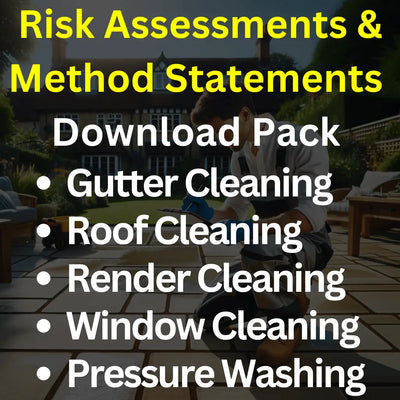
Before using professional softwashing chemicals, you should have suitable risk assessments, method statements, PPE, training, safety data sheets, spill procedures and site controls in place. SoftWash UK supplies a Risk Assessment and Method Statement pack for exterior cleaning, which can help contractors build more structured documentation around site safety and chemical use.
- Always read the safety data sheet before using a chemical.
- Wear suitable PPE, including eye, skin and respiratory protection where required.
- Never mix incompatible chemicals.
- Protect plants, ponds, pets, vehicles and surrounding materials.
- Prevent uncontrolled run-off into drains, watercourses or sensitive areas.
- Use clear signage and exclusion zones on commercial and public-facing sites.
- Transport and store chemicals responsibly and securely.
If you are developing your professional understanding of chemistry, equipment and application methods, the softwashing chemistry and equipment hub is a useful place to continue learning through SoftWash UK’s educational resources.
Equipment Also Affects Chemical Strength
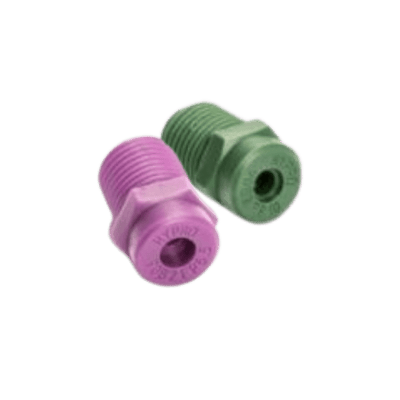
Even if your dilution calculations are correct, your equipment can change the delivered strength if it is not set up properly. Pumps, injectors, nozzles, hoses and flow rates all influence the final application.
For example, an injector system must be calibrated and checked so the operator understands the actual draw rate. If the system draws more or less chemical than expected, the surface may receive a different strength from the one intended. This is why professional contractors should test and record equipment performance rather than assuming factory settings remain accurate forever.
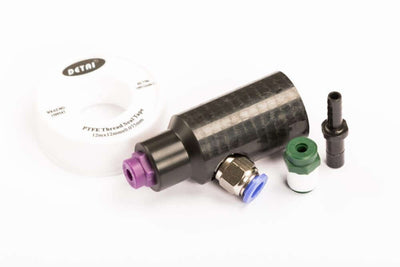
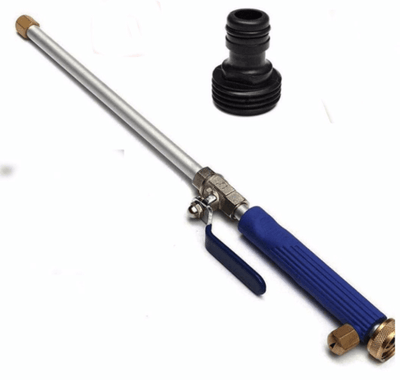
Contractors looking to build a more controlled setup can explore SoftWash UK’s range of soft washing equipment, including application tools and proportioning options designed for exterior cleaning work.
Cost Control: Accurate Strength Saves Money
Using excessive chemical strength is not only riskier; it is also expensive. Overapplication increases chemical usage, rinse water, plant protection time and the chance of remedial work. On larger commercial jobs, poor strength control can significantly reduce profit.
Facilities managers and property maintenance professionals also benefit from understanding this point. The cheapest quote is not always the best value if the contractor is applying aggressive chemistry without proper control. A professional quote should reflect site assessment, safe access, product selection, contamination level, protection measures and expected outcome.
When a Stronger Solution May Be Justified
There are situations where a stronger working solution may be required, particularly where there is heavy, established organic growth on a robust surface. However, this should always be based on assessment and product guidance, not habit.
A stronger solution may be considered when:
- The contamination is heavy and clearly biological.
- The substrate is known to tolerate the selected chemistry.
- A test patch confirms suitability.
- Plants, metals, drainage and surrounding areas can be properly protected.
- The operative is trained and equipped to manage the chemical safely.
- The method statement supports the chosen approach.
Even then, strength should be controlled. Professional softwashing is about applying enough chemistry to do the job safely and efficiently, not the most chemistry possible.
Training Helps Contractors Make Better Strength Decisions
Chemical strength decisions involve chemistry, site safety, substrate knowledge, equipment control and practical judgement. This is one of the reasons professional training is valuable. It helps contractors move away from guesswork and towards a repeatable method.
The SoftWash UK training course is designed to help contractors understand safe application, chemical selection, equipment setup, quoting considerations and professional working standards. It is particularly useful for new exterior cleaning businesses or established contractors adding softwashing to their services.
If this is an area you want to understand properly, you can start by accessing the free SoftWash UK course preview. It includes selected lessons from the full training course and is designed to help contractors see whether professional softwashing training is the right next step.
FAQ: Chemical Strength in Softwashing
Why does chemical strength matter in softwashing?
Chemical strength matters because it controls cleaning performance, dwell time, safety risk, surface compatibility and cost. The correct working strength helps remove organic growth effectively while reducing the risk of damage to surfaces, plants and surrounding materials.
Is a stronger softwash mix always better?
No. A stronger mix may clean faster in some situations, but it also increases risk. A professional contractor should use the lowest effective strength for the surface and contamination, combined with correct dwell time, coverage and safety controls.
What is the difference between sodium hypochlorite and DDAC?
Sodium hypochlorite is commonly used for fast visual cleaning of organic staining. DDAC is a biocidal active often used for longer-term biological control. They behave differently, require different handling considerations and should be selected according to the job specification.
Can I use the same chemical strength on render, roofs and paving?
Not usually. Different surfaces tolerate chemistry differently, and contamination levels vary. Render, roof tiles, natural stone, concrete and painted surfaces should each be assessed before selecting product type, working strength and application method.
How do I know if my softwash solution is too strong?
Warning signs can include excessive fumes, rapid bleaching, streaking, plant stress, surface discolouration, damage to metals or coatings, and uncontrolled run-off. If in doubt, stop work, rinse where appropriate, reassess the method and refer to product guidance.
Does surfactant reduce the need for stronger chemicals?
In some cases, yes. A surfactant can improve wetting, cling and dwell time, which may improve cleaning performance without increasing the chemical strength. It is not a substitute for correct chemical selection, but it is an important part of many professional softwash applications.
Conclusion: Professional Softwashing Depends on Controlled Chemical Strength
Chemical strength is one of the most important decisions in softwashing. It affects how well the job cleans, how safe the process is, how much the job costs and how professionally the work is delivered. The best results usually come from accurate assessment, correct product choice, controlled dilution, proper dwell time, suitable equipment and good safety practice.
For contractors and property professionals, the goal should never be to use the strongest possible mix. The goal is to use the right chemical at the right strength, on the right surface, in the right conditions, with the right controls in place.
SoftWash UK supports the exterior cleaning industry with professional softwashing chemicals, equipment, training and educational resources. If you want to improve your chemical knowledge, build safer systems and deliver more consistent results, explore the SoftWash UK range of professional softwash chemicals, equipment and training resources for practical, industry-focused support.