Can Pressure Washing Damage Paving? A Practical Guide to Safer Cleaning
Yes, pressure washing can damage paving. Excessive jet impact can erode the surface, remove jointing material, strip sealers and worsen existing defects. However, pressure washing is not automatically unsuitable: sound paving can often be cleaned effectively when the equipment, technique and cleaning method suit the material.
The important question is not simply, “How powerful is the pressure washer?” It is, “What can this paving and its joints safely withstand?” A weathered sandstone patio, a concrete block driveway and a porcelain terrace need different approaches.
For contractors, facilities managers and serious DIY users, preventing damage starts with inspection, a representative test patch and a plan for drainage and joint reinstatement. Turning up the pressure should not be the default response to stubborn staining.
How Does Pressure Washing Damage Paving?
A pressure washer concentrates water energy onto a small area. The result depends on operating pressure, flow rate, nozzle pattern, working distance, angle and how long the jet remains in one place.
A narrow jet held close to a weak surface can cause damage quickly. A wider spray used with controlled movement may be suitable on the same area, but only testing can establish that.
Surface erosion and etching
On concrete paving, aggressive cleaning can remove part of the cement-rich surface and expose more aggregate. This may leave a rough, pale or patchy finish that is more noticeable after drying.
Natural stone can also suffer. Softer sandstone may lose grains, while weathered or layered stone can shed flakes. The machine may expose an existing weakness, but that does not make the resulting damage acceptable.
Look for fresh grit, changing texture or a visibly lighter track behind the nozzle. These are reasons to stop and reassess, not make another pass.
Joint loss and water penetration
Pressure washing can displace kiln-dried sand between concrete blocks, break down weak mortar and remove some resin-based jointing materials. Directing a jet along a joint is particularly risky.
Joint loss is more than a cosmetic issue. In conventional sand-jointed block paving, the joints contribute to load transfer and interlock. Leaving them depleted can increase vulnerability to movement under traffic.
Water may also enter open joints or existing voids. On poorly constructed paving, this can disturb bedding or reveal an underlying problem that cleaning cannot resolve.
Sealer damage and cleaning marks
Old or poorly bonded sealers can lift unevenly. A cleaner may then leave alternating sealed and unsealed areas, producing patchy colour, sheen or water absorption.
Surface cleaners can leave circular marks or stripes if their jets are unsuitable, worn, unbalanced or held too close. A rotary attachment improves control and productivity, but it does not make excessive impact safe.
Which Types of Paving Are Most at Risk?
Material identification is essential, but condition matters just as much. Two patios made from the same stone may react differently because of weathering, installation quality, previous cleaning or surface treatments.
| Paving type | Main cleaning risks | Practical approach |
|---|---|---|
| Concrete block paving | Joint sand loss, surface wear and disturbance of loose blocks | Inspect stability, test conservatively and allow for compatible re-sanding |
| Concrete paving slabs | Loss of surface finish, exposed aggregate and permanent tracking | Check for decorative coatings and avoid repeated aggressive passes |
| Sandstone | Grain loss, flaking and erosion of softer areas | Assess weathering carefully and use the least aggressive effective method |
| Limestone | Surface erosion, chemical etching and colour changes | Avoid acidic cleaners and check compatibility of every treatment |
| Slate and other layered stone | Lifting or detachment of weakened layers | Inspect for delamination and avoid forcing water into vulnerable edges |
| Porcelain paving | Damage to joints, coatings or nearby materials; slippery residues | Follow the paving and jointing manufacturers’ guidance |
| Clay paving | Joint loss and damage to weathered or unsuitable units | Check condition and specification rather than assuming all clay is equally resistant |
| Permeable block paving | Disturbance of specialist joint aggregate and impaired drainage | Follow system-specific maintenance guidance; do not replace aggregate with ordinary kiln-dried sand |
On porcelain installations, the tile face may tolerate cleaning better than the surrounding jointing. On older sandstone, a hard-looking surface can conceal softer bands. Always assess the complete installation rather than the slab alone.
What Pressure Is Safe for Cleaning Paving?
There is no single safe pressure setting for all paving. A recommendation based only on bar or PSI ignores nozzle size, flow, distance, surface condition and joint strength.
A machine’s advertised maximum pressure is not a cleaning target. Equally, a domestic pressure washer can still etch stone if its jet is concentrated close to the surface.
- Check the paving, sealer and jointing manufacturers’ cleaning instructions.
- Start with a conservative setup and a wide fan pattern.
- Maintain a sensible working distance and keep the nozzle moving.
- Change one variable at a time during testing.
- Avoid zero-degree jets on paving and do not assume turbo nozzles are suitable.
- Stop if the surface sheds material or joints begin to break down.
Use the equipment manufacturer’s approved method for adjusting output. Do not improvise adjustments or assume a pressure control provides an accurate measurement of impact at the paving surface.
Is Softwashing Safer Than Pressure Washing Paving?
Softwashing uses a suitable cleaning treatment with low-pressure application to address contamination, particularly biological growth. Pressure washing relies more heavily on mechanical removal. Many paving jobs benefit from a carefully planned combination rather than an either-or choice.
The SoftWash UK Knowledge Centre guide to softwashing vs pressure washing explains the distinction between these methods.
Match the method to the contamination
Loose dirt, compacted soil, algae, lichen, grease and rust are different problems. They should not all be tackled by increasing jet impact.
- Loose debris: sweeping and controlled rinsing may be sufficient.
- Algae and biological films: a compatible treatment may reduce the mechanical cleaning required.
- Embedded lichen: treatment and a realistic timescale may be preferable to aggressive blasting.
- Oil, rust and cement residues: these require stain-specific assessment and compatible products.
Low pressure does not make a chemical automatically safe. The wrong product can discolour stone, affect sealers, harm planting or contaminate drainage. Acidic cleaners, for example, can etch limestone and damage cement-based materials.
When choosing professional softwashing chemicals, check the permitted application, substrate compatibility, label instructions and safety data sheet. Where a biocidal product is used, verify that it is legally supplied and suitable for the intended use.
If you are considering whether softwashing is better than pressure washing, the deciding factors should be the surface and contamination, not a blanket preference for one method.
How to Clean Paving Without Causing Avoidable Damage
1. Survey and record the existing condition
Identify the paving, jointing system, drainage, nearby sensitive materials and any existing treatment. Photograph cracked slabs, missing pointing, loose blocks, flaking surfaces and stained areas before work starts.
Ask about previous sealing and repairs. On commercial sites, confirm access requirements, pedestrian routes and whether entrances must remain operational.
If slabs rock, joints are extensively failed or the surface is visibly friable, recommend repairs or specialist advice before cleaning.
2. Agree the scope and likely result
Explain whether the quotation includes joint reinstatement, stain treatment and a return visit. Do not promise that all black spots, oil staining or colour variation will disappear.
A driveway may look dramatically cleaner while retaining old wear patterns or mineral staining. These are not necessarily signs of incomplete cleaning.
3. Plan runoff and protect the work area
Locate gullies and establish where they discharge. Do not assume a roadside drain leads to foul drainage, or that diluted chemical washwater is safe to release.
Prevent contaminated washwater, sediment and chemicals from entering surface-water drains or watercourses. Where foul sewer disposal is proposed, confirm the applicable requirements with the sewerage undertaker. Follow the relevant environmental rules for England, Wales, Scotland or Northern Ireland.
Protect planting, metals, painted surfaces, door thresholds and electrical fittings. Use barriers and signage to separate occupants and pedestrians from spray, hoses and slippery paving.
4. Complete a representative test patch
Choose an inconspicuous area that represents the job, including joints and any coating. Test the proposed process rather than pressure alone.
Allow the patch to dry sufficiently to assess colour, texture and sealer appearance. Wet paving can disguise both damage and uneven cleaning.
5. Clean with controlled technique
Remove loose debris first. If a treatment is justified, follow its specified dilution, application, contact time and rinsing requirements. Do not mix products unless the manufacturer explicitly instructs it.
Use overlapping, consistent passes without lingering. Avoid driving the jet directly into joints, under slab edges or towards thresholds and air bricks.
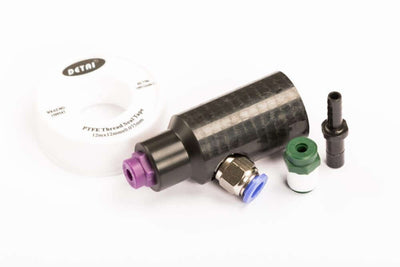
Choose softwashing equipment for chemical compatibility, controlled application and the intended task. Suitable equipment helps deliver a planned process; it cannot compensate for an unsuitable chemical or poor assessment.
6. Inspect, restore joints and hand over
After cleaning, inspect for joint loss, loose units, residues and blocked drainage points. Do not release the area for normal use until it is safe.
Conventional sand-jointed block paving normally needs appropriate re-sanding once the paving and joints are sufficiently dry. Use the specified material and installation method. Resin jointing, mortar and permeable paving require different procedures.
Provide practical aftercare: remove leaf litter, manage drainage problems and address early biological growth using a suitable maintenance method.
Common Pressure Washing Mistakes and Myths
“The strongest pressure gives the best clean”
The best clean removes contamination without unnecessarily removing the paving surface. If another pass is not producing a meaningful improvement, reassess the stain rather than repeatedly blasting it.
“Black spots should come off immediately”
Some dark spotting is associated with established lichen, but not every black mark has the same cause. Trying to erase each mark mechanically can leave pale scars around it. Identify the contamination and set realistic expectations.
“A surface cleaner cannot damage paving”
A surface cleaner can still produce rings, striping and erosion. Correct nozzle specification, maintenance, movement and testing remain essential.
“Re-sanding is an optional extra”
Where cleaning depletes functional joint sand, appropriate reinstatement forms part of the maintenance requirement. Leaving the driveway looking clean but with open joints is not a complete result.
“Cleaning damage can simply be sealed over”
Sealing does not rebuild an eroded surface or repair failed bedding. It may accentuate uneven colour and texture. Investigate the defect before recommending a coating.
Safety and Professional Standards
High-pressure water can cause serious injection injuries. Never check a jet with your hand, direct it towards anyone or clear an attachment while the system remains pressurised. Suspected injection injuries require urgent emergency medical attention, even where the wound looks small.
Use suitable footwear, eye protection and other PPE identified by the assessment. Consider flying debris, noise, vibration, manual handling and safe electrical supplies. Never operate petrol-driven equipment in enclosed or poorly ventilated spaces.
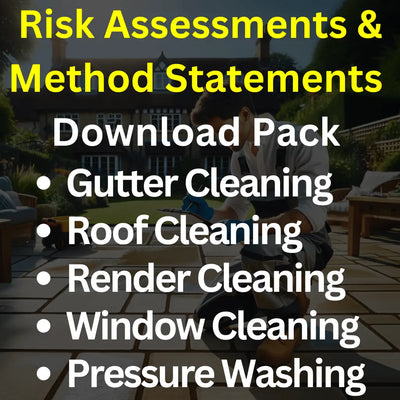
For contractors, site-specific risk assessments and method statements should address public access, runoff, chemical exposure and emergency arrangements. COSHH assessment is required where hazardous substances are involved; an SDS informs that assessment but does not replace it.
The SoftWash UK RAMS pack for exterior cleaning can support documentation, but it must be adapted to the actual site and work.
If you want to explore professional training before committing to a full programme, you can try selected lessons from the SoftWash UK course for free. The preview offers a useful introduction to the teaching style and professional approach behind the training.
Frequently Asked Questions
Can pressure washing permanently damage a patio?
Yes. Etched stone, eroded concrete and damaged decorative finishes may be permanent. Cleaning cannot replace material removed by an aggressive jet, and repairs may require specialist restoration or replacement.
Can I pressure wash sandstone paving?
Sometimes, but sandstone varies considerably. Check its condition and the supplier’s guidance, then test conservatively. Friable, flaking or heavily weathered stone may need a different approach.
Do I need to re-sand block paving after pressure washing?
If cleaning removes joint sand from conventional sand-jointed block paving, it should be reinstated with the specified material. Wait until conditions suit the process. Permeable paving needs its specified jointing aggregate, not ordinary kiln-dried sand.
Is pressure washing safe for porcelain paving?
It may be suitable when permitted by the manufacturer, but joints, coatings and installation defects remain vulnerable. Test the complete system and avoid concentrated jets into joints.
How often should paving be pressure washed?
There is no universal interval. Shaded, damp sites may need more attention, but frequent aggressive washing accelerates wear. Base maintenance on condition, slip risk and contamination rather than an automatic annual deep clean.
Should paving be sealed after every clean?
No. Sealing is a separate decision based on the paving, existing treatment, moisture conditions and intended use. Follow the sealer manufacturer’s preparation and curing requirements rather than applying it automatically.
Conclusion: Clean the Contamination, Not Away the Paving
Pressure washing can damage paving, but suitable assessment and controlled technique reduce avoidable risk. Identify the material, inspect the joints, test the method and stop when the surface shows signs of distress.
For contractors and property managers, a successful job includes drainage protection, realistic expectations and appropriate joint reinstatement—not simply a brighter surface on completion.
SoftWash UK supplies professional softwashing chemicals, equipment and training to help users make better-informed cleaning decisions. Explore SoftWash UK for resources and solutions to support a safer, substrate-led approach to your next paving project.