What Causes Black Spot Lichen on Roof Tiles?
Black spot lichen on roof tiles develops when lichen-forming fungi establish themselves with photosynthetic partners, usually algae, on the tile surface. Regular moisture, suitable light, airborne biological material and a stable surface allow these slow-growing organisms to become firmly attached. Weathered concrete and clay tiles can provide particularly suitable conditions.
The black colour is associated with pigmentation within the growth, but not every black roof mark is lichen. Algae, atmospheric dirt, soot and other surface growth can look similar from ground level. Correct identification matters: treating a discoloured roof without understanding the cause can waste chemicals, damage tiles and create unrealistic expectations.
For exterior cleaning contractors, property managers and experienced DIY users, the practical priorities are to identify the growth, assess the roof’s condition and choose a treatment that controls the organism without unnecessarily disturbing the roof covering.
What Is Black Spot Lichen?
Lichen is a biological association between a fungus and a photosynthetic partner, such as an alga or cyanobacterium. The fungus provides much of the structure, while its partner uses sunlight to produce energy.
Many dark spots on mineral roofing materials are crustose lichens. These form a tightly attached crust rather than the soft cushions associated with moss. Their close contact with the tile surface explains why established spots can resist ordinary rinsing.
“Black spot” describes an appearance rather than a single species or a definitive diagnosis. Lichens can also appear grey, white, yellow, orange or green. Species identification is rarely necessary for routine roof maintenance, but recognising the difference between attached lichen and loose contamination is essential.
Why is roof lichen difficult to remove?
A crustose lichen’s fungal structures can become closely integrated with surface irregularities and, in some cases, extend into pores. On older tiles, the visible growth may therefore be attached to a surface that is already weathered or friable.
This creates an important distinction: killing or controlling the organism is not the same as immediately removing every visible trace. Residual material and discolouration may remain after treatment and require time to weather away. Trying to force an instant, uniform finish can remove tile material along with the lichen.
The Main Causes of Black Spot Lichen on Roof Tiles
1. Repeated moisture and slow drying
Lichens tolerate periods of drying, but need moisture for biological activity. Rain, dew and humid conditions create repeated opportunities for growth.
Roof areas that stay damp for longer often support more biological colonisation. Typical locations include sheltered slopes, shaded sections below trees and areas beside moss deposits or debris that retain moisture.
North-facing roof slopes frequently dry more slowly, although orientation alone does not determine where lichen appears. Some lichens also thrive on exposed, sunny roofs where intermittent wetting is sufficient.
2. Weathered or rough tile surfaces
Surface texture affects how readily organisms establish themselves. Roughness, small pits and weathered finishes provide attachment points and retain moisture.
Concrete tiles may become more open-textured as their surface weathers. Clay tiles vary considerably: an older unglazed clay tile behaves differently from a sound glazed tile. The condition and finish of the actual roof matter more than a broad material label.
On a roof survey, compare exposed tile faces with sheltered areas beneath overlaps where visible without disturbing the covering. Differences in texture can help explain uneven colonisation, but they are not a reason to lift tiles unnecessarily.
3. Airborne spores and fragments
Lichen can establish from wind-dispersed reproductive material or fragments carried from nearby colonised surfaces. Adjacent roofs, walls and other suitable surfaces can provide local sources.
This is why black spot does not automatically indicate poor maintenance. Even a well-maintained roof remains exposed to biological material throughout its life.
4. Trees and the surrounding environment
Trees influence the roof’s microclimate by casting shade, reducing airflow and depositing leaves or twigs. These conditions can increase moisture retention and encourage a mixture of moss, algae and lichen.
However, lichen does not require a thick layer of dirt to survive. Its photosynthetic partner supplies energy, while rainfall, dust and the surrounding environment contribute minerals and other inputs.
Where vegetation management is appropriate, it should be planned carefully. Do not promise that removing an overhanging branch will eliminate lichen, and check any tree protection requirements before arranging work.
5. Time without suitable maintenance
Lichens generally develop slowly. Extensive spotting often reflects years of colonisation rather than a sudden change in roof condition.
Blocked gutters, accumulated debris and unmanaged moss can make local moisture problems worse. Nevertheless, maintenance reduces favourable conditions; it does not make an exposed roof permanently resistant to recolonisation.
Is It Lichen, Algae, Moss or Dirt?
A reliable diagnosis starts with appearance, texture and distribution. Use safe inspection methods, such as binoculars, photographs or an appropriately operated inspection camera, rather than climbing onto the roof simply to examine a mark.
| Roof condition | Typical appearance | Useful distinguishing feature | Maintenance implication |
|---|---|---|---|
| Dark crustose lichen | Discrete black, dark grey or mottled patches, sometimes with defined edges | Firmly attached crust rather than loose surface dirt | May require biological treatment and gradual weathering of residues |
| Algae or cyanobacterial growth | Dark films, streaks or more widespread discolouration | Often less distinctly crust-like than lichen | Needs assessment of biological growth and moisture conditions |
| Moss | Raised green or brown cushions, particularly around joints and overlaps | Visible three-dimensional growth that can hold debris | Bulk growth may need careful removal before an appropriate treatment |
| Soot and atmospheric dirt | Grey-black deposits or general darkening | May follow exposure patterns rather than form individual colonies | A biocide alone will not necessarily remove non-biological contamination |
| Weathered tile finish | Uneven colour, exposed aggregate or loss of the original surface finish | Discolouration is part of the substrate condition | Cleaning cannot restore a missing coating or worn tile surface |
Mixed contamination is common. For example, a shaded concrete-tiled slope may have moss at the laps, algae across the tile faces and scattered lichen colonies. A single description such as “dirty roof” is not enough to specify the work.
Does Black Spot Lichen Damage Roof Tiles?
Lichen can contribute to localised surface weathering through its biological activity and close attachment to the substrate. However, visible lichen alone does not prove that a roof is structurally defective, leaking or in need of replacement.
Its significance depends on the tile material, surface condition, extent of colonisation and wider roof condition. Cracked tiles, failing fixings, defective flashings and damaged underlay require separate assessment.
For contractors, the greatest avoidable risk can be an aggressive cleaning response. Heavy scraping, uncontrolled pressure washing or repeated treatment aimed at chasing every mark may harm a roof more than leaving some residual staining.
Record existing defects before work begins. Where tiles are delaminating, severely eroded or unstable, obtain roofing advice before proposing a cleaning method.
How to Assess and Treat Black Spot Lichen Safely
Softwashing uses suitable cleaning treatments and controlled low-pressure application to address contamination. It is not simply a weaker version of pressure washing, and low application pressure does not remove chemical or access risks.
-
Identify the roof material and condition
Establish whether the roof is concrete tile, clay tile, natural slate or another material. Check coatings, repairs, manufacturer guidance and signs of deterioration. If suspected asbestos-containing roofing is present, stop and seek competent advice before disturbing or cleaning it.
-
Survey contamination and drainage
Photograph each elevation and record moss, lichen, streaking and existing defects. Identify gutters, downpipes, water butts, rainwater-harvesting systems, ponds, planting and neighbouring property that could be affected.
-
Plan access and protection
Apply the work-at-height hierarchy: avoid work at height where reasonably practicable, then prevent falls using suitable measures. Do not treat a roof ladder or long-reach pole as a complete safety plan. Consider fragile surfaces, overspray, electrical hazards and exclusion zones below.
-
Choose a compatible treatment and test area
Select a product whose label permits the intended application and follow its dilution, application, contact-time and rinsing instructions. Check relevant UK biocidal product requirements, manufacturer guidance and material compatibility. Trial a representative, safely accessible area before committing to the full roof.
-
Remove obstructing debris only where appropriate
Heavy moss or debris may prevent treatment reaching the underlying surface. Where removal is justified, use a method suitable for the tile profile and condition. Avoid forcing tools under laps, dislodging tiles or pushing debris into drainage systems.
-
Apply under controlled conditions
Use compatible, calibrated equipment and manage spray drift and runoff. Avoid conditions that conflict with the product instructions, including unsuitable rain forecasts, strong winds or excessive surface temperatures. Do not assume that applying more product improves the result.
-
Review the result against an agreed timescale
Explain whether the chosen method is intended to give relatively prompt cleaning or progressive weathering. Schedule any follow-up according to the product guidance and observed condition, rather than automatically retreating every remaining dark mark.
A typical shaded garage roof illustrates the importance of sequence: thick moss at the tile laps may need controlled removal, while tightly attached lichen on the tile faces may be better managed through treatment and time. Trying to scrape both to the same immediate finish can create unnecessary damage.
Which Chemicals and Equipment Are Appropriate?
Chemical selection depends on the roof and the objective
Professional roof treatments may use oxidising chemistry or other biocidal formulations, including quaternary ammonium compounds. These products differ in their permitted uses, compatibility, hazards and expected cleaning behaviour. They are not interchangeable simply because both are described as softwashing chemicals.
For background, the Knowledge Centre guide to what chemicals are used in softwashing explains the main categories. When reviewing professional softwash chemical options, select by the current label and technical guidance, not by the highest available concentration.
Never mix hypochlorite with acids, ammonia or other cleaning products unless a manufacturer explicitly specifies a compatible system. Dangerous gases or reactions can result. Likewise, only add a surfactant when it is suitable for the chemistry and permitted application; extra foam is not proof of better lichen control.
Equipment should improve control, not just reach
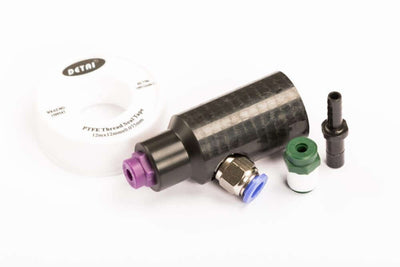
Suitable softwashing equipment should provide controlled delivery, chemical compatibility and reliable output. Nozzle selection, hose condition, calibration and shut-off arrangements all affect safe application.
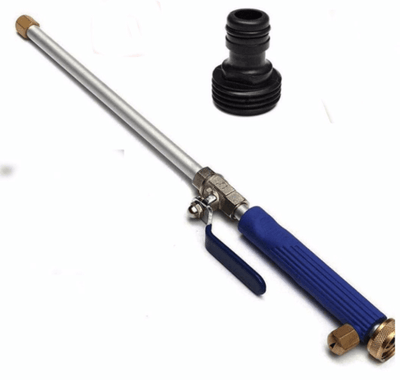
A pole system may reduce the need for roof access, but it can also introduce overspray, manual-handling and overhead-line risks. Assess the whole working arrangement rather than assuming that ground-based application is automatically safe.
Is pressure washing suitable for black spot lichen?
Some roof-cleaning methods involve controlled mechanical cleaning, but pressure washing is not a universal answer. Suitability depends on the roof material, condition, manufacturer guidance, equipment and operator competence.
The comparison of softwashing vs pressure washing helps explain the difference between treating biological growth and removing material mechanically. Never direct water beneath tile laps or use force simply because a lichen patch is stubborn.
Safety, Compliance and Environmental Protection
Roof treatments require a site-specific risk assessment and, where hazardous substances are involved, a suitable COSHH assessment. Read both the product label and safety data sheet: the SDS explains hazards, but does not replace application instructions.
- Specify suitable gloves, eye protection, clothing and any respiratory protection identified by the assessment.
- Plan how to protect residents, staff, visitors, pets and neighbouring property.
- Identify drainage routes before application and prevent contaminated runoff entering surface-water drains, watercourses or ponds.
- Arrange collection and disposal where required; do not assume a foul sewer discharge is permitted without checking with the relevant sewerage undertaker.
- Protect rainwater-harvesting systems and manage reconnection according to the product guidance and site plan.
- Keep spill-response measures and suitable washing facilities available.
SoftWash UK’s exterior cleaning RAMS pack can help structure documentation, but templates must be adapted to the actual roof, chemical, access method and environmental risks.
Common Myths About Black Spot on Roofs
- “Every black mark is lichen.” Dark algae, pollution deposits and worn finishes can look similar. Diagnose before specifying treatment.
- “A stronger mix always works better.” Exceeding label instructions increases risk and may damage materials without improving the final appearance.
- “Dead lichen should disappear immediately.” Attached residues may remain visible after biological activity has been controlled.
- “Cleaning restores the original tile colour.” It removes or treats contamination; it cannot replace lost pigment, glaze or surface material.
- “One treatment prevents growth permanently.” Outdoor roofs remain exposed to moisture and recolonisation.
Reducing Regrowth and Setting Maintenance Expectations
Keep gutters functional, remove accumulated debris safely and address roof defects promptly. Where appropriate, manage overhanging vegetation to improve drying without promising that this will prevent all future growth.
For facilities managers, dated photographs from consistent viewpoints are useful for tracking changes. For contractors, a written scope should distinguish biological treatment, removal of deposits and any expected residual staining.
There is no reliable universal cleaning interval. Exposure, surrounding vegetation, tile condition and treatment choice all matter. The guide to how long softwashing lasts provides useful context for discussing maintenance rather than guaranteeing a fixed number of growth-free years.
If you want to understand the professional approach before investing in full training, you can try selected lessons from the SoftWash UK course for free. The preview is a useful way to explore the teaching style and structure before deciding whether the full programme is your next step.
Frequently Asked Questions
Why does black spot lichen grow on only one side of a roof?
Different slopes experience different sunlight, rainfall exposure, airflow and drying times. A shaded slope may remain damp longer, while nearby trees or local tile weathering can create additional differences. Lichen is not restricted to north-facing roofs.
Can rain wash black spot lichen off roof tiles?
Normal rainfall rarely removes established, living crustose lichen because it is firmly attached. Following an appropriate treatment, weathering may gradually reduce residues, but the speed and completeness of that change vary.
Does black spot mean roof tiles need replacing?
No. Lichen alone is not a replacement diagnosis. Assess cracking, surface deterioration, fixings, weather resistance and the wider roof condition. Refer suspected roofing defects to a competent roofer.
Can I use household bleach to clean roof lichen?
Do not assume household bleach is suitable or permitted for the intended roof treatment. Formulation, application instructions, material compatibility and environmental controls matter. Use a product intended for the task and follow its label; never improvise chemical mixtures.
How quickly should black spot disappear after treatment?
There is no single timescale. Some treatments change the appearance relatively quickly, while other approaches rely on progressive weathering over weeks or months. Established residues or underlying discolouration may remain. Agree realistic expectations before starting.
Is roof lichen removal suitable for DIY?
Roof access, chemical exposure and runoff make this more demanding than routine ground-level cleaning. If safe access, drainage control or product selection is uncertain, use a competent professional. Do not walk on tiles or work from a ladder simply to reach a patch of lichen.
Conclusion: Identify the Cause Before Choosing the Treatment
Black spot lichen develops where biological material reaches a suitable roof surface and finds enough moisture and light to establish. Tile weathering, local shade and slow drying can encourage colonisation, but black staining must be identified correctly before treatment begins.
The best approach combines a sound roof assessment, compatible treatment, controlled application and realistic expectations about remaining marks. Protecting the roof and surrounding environment is more important than forcing an immediate, spotless finish.
SoftWash UK supplies professional softwashing chemicals, equipment and training to support informed cleaning decisions. Explore the relevant resources above to select an appropriate system, strengthen your safety planning and approach roof lichen treatment with greater confidence.