Soft Washing with Sodium Hypochlorite: A Comprehensive Guide

In the exterior cleaning industry, soft washing has gained prominence as a safe and effective method for removing dirt, algae, moss, and other contaminants from various surfaces. At the heart of this approach is sodium hypochlorite, a powerful chemical that ensures surfaces stay clean for longer. This guide explores the use of sodium hypochlorite in soft washing, offering valuable insights for UK exterior cleaning contractors, property maintenance professionals, and enthusiastic DIYers.
Understanding Soft Washing and Sodium Hypochlorite
Soft washing is a low-pressure cleaning method that utilises a mixture of water, cleaning chemicals, and sometimes surfactants to thoroughly clean exterior surfaces. Unlike pressure washing, which can damage surfaces, soft washing is gentle yet effective, making it suitable for roofs, render, and delicate exteriors.
Sodium hypochlorite, commonly found in bleach, is the key chemical used in soft washing. It is highly effective in breaking down organic matter and killing mould, mildew, and bacteria, ensuring surfaces are not just clean but also sanitised.
Advantages of Using Sodium Hypochlorite
- Effective Cleaning: Sodium hypochlorite’s strong oxidising properties break down organic stains and organisms swiftly.
- Long-lasting Results: Surfaces remain cleaner for longer as it inhibits the regrowth of algae and mould.
- Cost-effective: It is a relatively inexpensive solution that delivers professional results.
Practical Soft Washing Advice
To achieve the best results, it is crucial to follow best practices when using sodium hypochlorite in soft washing:
- Correct Mixing Ratios: Follow recommended ratios for diluting sodium hypochlorite to ensure safety and effectiveness. This typically ranges between 3-6% concentration for household solutions.
- Use a Proper Surfactant: Employ a surfactant like Clever Wash Surfactant to improve the cleaning solution’s adherence to surfaces.
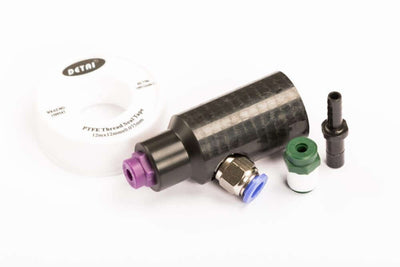
- Appropriate Equipment: Invest in specialised equipment such as the Clever Injector Dosatron for precise chemical delivery.
Safety and Best Practices
Safety is paramount when working with sodium hypochlorite:
- Wear Protective Gear: Always use gloves, goggles, and protective clothing to avoid chemical burns and irritation.
- Avoid Contamination: Cover surrounding plants and use barriers to prevent runoff from affecting non-target areas.
- Ventilate: Ensure good ventilation if working in enclosed spaces to avoid inhaling fumes.
For more detailed guidance, consider enrolling in a Soft Wash Training Course to enhance your skills and safety knowledge.
Frequently Asked Questions
1. Can sodium hypochlorite damage surfaces?
While it's generally safe when used correctly, improper concentrations or application can lead to discolouration or damage. Always test on a small area first.
2. How often should surfaces be soft washed?
This largely depends on environmental conditions, but typically, surfaces should be cleaned every 12 to 24 months to maintain their appearance.
3. Is soft washing eco-friendly?
Yes, particularly when using biodegradable surfactants and ensuring proper runoff management to protect surrounding vegetation and waterways.
Conclusion
Soft washing with sodium hypochlorite is an excellent method for maintaining the aesthetic and structural integrity of exterior surfaces. By understanding the correct techniques and safety protocols, both professionals and DIY enthusiasts can achieve remarkable results.
For top-quality soft washing chemicals, equipment, and training, visit SoftWash UK for a comprehensive range of products and expertise.
Explore our Softwashing Knowledge Hub for more expert advice and insights into this effective cleaning technique.