Using Sodium Hypochlorite Safely: A UK Exterior Cleaning Guide
Using sodium hypochlorite safely means choosing a product suitable for the task, following its label and safety data sheet, assessing the site, controlling exposure and containing contaminated run-off. Never mix it with acids, ammonia or unapproved cleaning products. Correct dilution, compatible equipment and suitable personal protective equipment are essential, but they do not replace a safe working method.
For exterior cleaning contractors, facilities managers and property maintenance teams, the challenge is controlling the whole job: chemical handling, spray drift, public access, surface compatibility and wastewater. Serious DIY users need the same precautions; a small patio does not make concentrated chemicals less hazardous.
This guide explains how to approach sodium hypochlorite use responsibly on UK exterior cleaning projects, including the checks to complete before application and the mistakes most likely to cause harm.
What Is Sodium Hypochlorite Used for in Exterior Cleaning?
Sodium hypochlorite is an alkaline, chlorine-releasing chemical used in suitable cleaning formulations to treat organic contamination. In softwashing, it can help remove algae and other organic soiling from compatible exterior surfaces.
It is not a universal stain remover. Rust, mineral deposits, oil and discolouration caused by damaged coatings need different assessment and treatment. Increasing the concentration because a mark remains can damage the surface without solving the problem.
The SoftWash UK Knowledge Centre guide to sodium hypochlorite explains its chemistry and role in softwashing. The important practical distinction is that chemical effectiveness and material compatibility are separate questions: a treatment can remove contamination while also damaging the substrate.
Professional concentrate is not ready-to-use cleaner
Products such as SoftWash UK sodium hypochlorite for soft washing, supplied at 14% to 15%, are concentrated chemicals, not general-purpose household cleaners. Check the current label and safety data sheet rather than assuming the strength, approved uses or precautions from the product name alone.
Available chlorine decreases during storage, particularly with heat, sunlight and contamination. However, an older container must still be treated as hazardous. Its age is not a reliable measurement of its remaining strength.
Understand the Main Hazards Before Starting
| Hazard | Typical exterior cleaning situation | Main control |
|---|---|---|
| Eye and skin injury | Splashing during decanting, hose leaks or overhead application | Closed or controlled transfer, suitable protective clothing and chemical splash protection |
| Harmful airborne exposure | Fine spray, sheltered courtyards or accidental chemical mixing | Prevent incompatible mixing, minimise mist and assess ventilation |
| Surface damage | Contact with metals, coatings, fabrics or sensitive stone | Check compatibility, protect adjacent materials and test first |
| Environmental harm | Run-off reaching ponds, planting or surface water drains | Contain, collect and arrange an appropriate disposal route |
| Public exposure | Spray crossing a footpath or entering an open window | Exclusion zones, communication and weather monitoring |
Never mix sodium hypochlorite with incompatible chemicals
Mixing sodium hypochlorite with acids can release toxic chlorine gas. Mixing it with ammonia-containing products can produce hazardous chloramines. Other incompatible substances can also cause dangerous reactions.
- Never combine it with acidic descalers, brick cleaners, rust removers or acidic wood treatments.
- Never add ammonia, toilet cleaner or an unidentified detergent.
- Do not put it into a tank, sprayer or hose containing residues from another chemical.
- Do not attempt to neutralise it by adding acid.
- Use only additives explicitly confirmed as compatible by the relevant manufacturers.
A common practical risk is switching between treatments on the same site. An operator may finish an acidic stain treatment and then use hypochlorite nearby, allowing residues or run-off to meet. Plan chemical separation, cleaning of equipment and wastewater handling before either treatment starts.
UK Safety Duties: COSHH, Risk Assessment and Product Use
For professional users, the Control of Substances Hazardous to Health Regulations require assessment and adequate control of exposure to hazardous substances. The product safety data sheet supports that assessment; it is not a substitute for a site-specific COSHH assessment.
Your assessment should cover the product, working solution, application method, exposure routes and everyone who could be affected. Include employees, subcontractors, occupants, visitors, neighbours and members of the public.
Where a product is used as a biocide, check that its supply and intended use comply with the applicable biocidal products requirements. Great Britain and Northern Ireland have different regulatory arrangements. Follow the product’s permitted uses and conditions; do not assume every sodium hypochlorite product is suitable or legally supplied for every cleaning or disinfection claim.
Make the paperwork reflect the actual site
A generic method statement is not enough for a school entrance, a shared courtyard or a building beside a watercourse. Record the site-specific controls and communicate them to the team.
The SoftWash UK exterior cleaning RAMS pack can help structure documentation, but it must be adapted by a competent person. Templates do not assess the job for you.
For facilities managers, contractor checks should include chemical information, relevant competence, insurance, emergency arrangements and a clear explanation of how drains and occupied areas will be protected.
A Step-by-Step Safe Working Method
1. Survey the surface and surrounding area
Identify the substrate and any coatings, repairs, exposed fixings or existing deterioration. Inspect beyond the cleaning area: overspray and run-off can affect items several metres away.
- Locate drains and establish where they discharge.
- Identify ponds, watercourses, planting and rainwater harvesting systems.
- Check windows, ventilation intakes, electrical fittings and neighbouring property.
- Identify vulnerable metals, fabrics, vehicles and decorative finishes.
- Plan safe access without relying on ladders for awkward chemical handling.
For example, cleaning a rendered wall above a metal canopy requires more than a render test patch. The canopy, fixings and drainage route also need protection.
2. Decide whether hypochlorite is appropriate
Check the product instructions and surface manufacturer’s guidance. Some coatings, timber finishes, metals and natural stones may be unsuitable or require specialist advice.
Complete a small, inconspicuous test using the intended method. Assess the area after rinsing and drying, not just while it is wet. A patch test reduces uncertainty but does not guarantee that every part of a weathered elevation will react identically.
The Knowledge Centre explanation of softwashing chemicals helps put hypochlorite into context. Different chemistry may suit a different problem, but alternative products have their own hazards and must never be casually combined.
3. Establish controls before opening the container
Set up barriers, notices and an exclusion zone appropriate to the site. Close relevant windows and coordinate with occupants. Any temporary isolation of ventilation needs agreement with the building manager and must not create another hazard.
Check that clean water for emergency irrigation is immediately accessible. Prepare suitable spill equipment and confirm how help will be summoned. Do not start if the site cannot be controlled safely.
4. Prepare the working solution correctly
There is no single safe sodium hypochlorite dilution for all exterior cleaning. The appropriate working strength depends on the specific product, label directions, substrate, contamination and application system.
Measure rather than estimate. Where the manufacturer specifies dilution with water, use a compatible vessel and follow the stated sequence, normally adding the measured concentrate slowly to the measured water to limit splashing. Never improvise a chemical blend.
When calculating dilution, confirm what the concentration figure represents. Percentage sodium hypochlorite and percentage available chlorine are not automatically interchangeable. An injector’s setting may also differ from the concentration delivered at the nozzle.
Before using an injector, measure its actual draw rate under working conditions. Hose length, pressure and restrictions can affect delivery. Check calibration using a safe method before introducing the chemical.
5. Apply with controlled, compatible equipment
Use equipment whose wetted components are confirmed suitable for the product and concentration. Pumps, seals, hoses, trigger assemblies and connectors all matter.
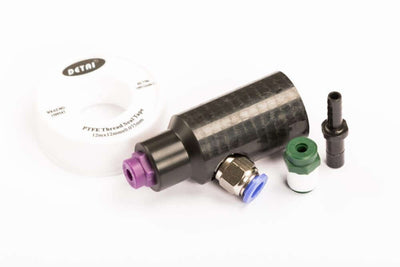
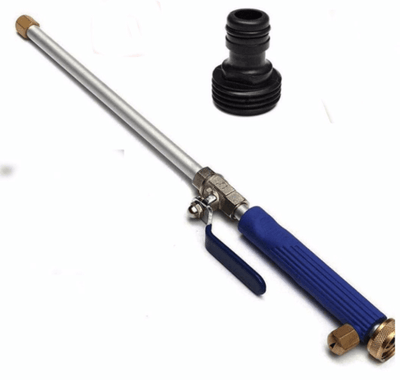
When selecting professional softwashing equipment, consider chemical compatibility, reliable shut-off, controllable flow and maintainability rather than reach alone. Inspect for leaks before every use and depressurise safely before maintenance.
Apply at the lowest effective pressure and avoid fine mist. Low pressure does not automatically mean no airborne exposure. Stop if wind carries spray beyond the controlled area or if conditions change.
6. Control contact time, drying and run-off
Follow the product’s instructions for contact time and rinsing. Do not assume that leaving a stronger solution on for longer will improve the result. Hot surfaces and direct sunlight can cause premature drying and uneven treatment.
Protect planting from direct contact. Pre-wetting may form part of a protection plan, but it does not make plants chemical-proof. Covers must also be managed carefully to avoid heat damage or trapping contaminated liquid.
Check the treated surface and surrounding area throughout application. Repeated light passes may offer better control than flooding a wall, provided the method remains within the product instructions.
7. Finish, inspect and record
Complete any required rinse, inspect adjacent materials and remove collected wastewater through the agreed disposal route. Flush equipment according to its manufacturer’s instructions and manage those washings too.
Record the product, dilution, application conditions, test results and any incidents. These records improve repeatability and help investigate unexpected outcomes.
Choosing PPE for Sodium Hypochlorite
Select PPE from the safety data sheet and task-specific assessment. Concentrate transfer, ground-level application and overhead work can require different protection.
- Eyes and face: chemical splash goggles; add a face shield where the splash risk warrants it. A face shield alone does not replace goggles.
- Hands: chemical-resistant gloves with suitable material, thickness and breakthrough performance. “Waterproof” is not enough.
- Body and feet: suitable chemical-resistant clothing, apron or coveralls and footwear appropriate to the exposure.
- Respiratory protection: where assessment identifies a need, use correctly selected RPE within a suitable programme.
A disposable dust mask does not protect against chlorine gas. Tight-fitting RPE requires appropriate face-fit testing, and facial hair can prevent an effective seal. RPE must not be used to justify uncontrolled spraying or entry into a suspected hazardous atmosphere.
Surfactants, Fragrances and Other Additives
A compatible surfactant may improve wetting and help the solution spread more evenly. It does not make hypochlorite harmless, eliminate drift or remove the need to protect plants and drains.
Use only a softwash surfactant confirmed as suitable for the hypochlorite formulation and follow its dosing instructions. Household washing-up liquid is not a safe substitute simply because it produces foam.
Masking fragrance does not remove hazardous airborne substances. Neither a pleasant smell nor a weak chlorine smell proves that conditions are safe.
Storage, Transport and Wastewater
Store securely and keep incompatible products separate
Keep sodium hypochlorite in its approved, labelled container, with the manufacturer’s specified closure or venting arrangement. Store upright in a cool, suitably ventilated location away from sunlight, heat and incompatible substances.
Provide compatible secondary containment and restrict access. Never decant into drinks bottles or improvise an airtight storage vessel. Keep acids physically segregated so that a leak cannot bring incompatible products together.
In vehicles, secure containers against movement and protect them from damage. Assess ventilation, segregation and applicable dangerous goods transport requirements for the product and quantities carried.
Do not treat a surface water drain as a disposal route
Hypochlorite-containing washwater can harm aquatic life. Do not discharge it into surface water drains, ponds, watercourses or onto ground where it could cause pollution.
Discharge to a foul sewer is not automatically permitted either. Establish requirements with the sewerage undertaker and relevant environmental regulator where appropriate. Waste collected for removal must be classified and handled through suitable waste arrangements.
Do not assume wastewater is safe because it looks clear, smells weaker or has been left standing. Any treatment or dechlorination must follow a competent, validated procedure, including verification where required.
What to Do If Exposure or a Spill Occurs
Follow the product safety data sheet and emergency plan. Stop work, isolate the area and prevent further exposure without putting yourself at risk.
- Eyes: immediately irrigate with plenty of clean, gently flowing water for at least 20 minutes. Remove contact lenses if easy to do and obtain urgent medical advice. Do not delay irrigation.
- Skin: remove contaminated clothing and rinse affected skin thoroughly with water. Seek medical advice for burns, persistent irritation or significant exposure.
- Inhalation: move to fresh air only if this can be done safely. Call 999 for breathing difficulty, collapse or suspected serious gas exposure. Do not enter a contaminated area to attempt an unprotected rescue.
- Swallowing: rinse the mouth, do not induce vomiting and obtain urgent medical advice. Never give anything by mouth to an unconscious person.
- Spills: keep people away and protect drains only where safe. Use trained personnel and compatible materials following the SDS; never add acid or an improvised neutraliser.
Provide responders with the product name and safety data sheet. Do not resume work until the cause has been addressed.
Common Mistakes and Myths
- “Stronger is better.” Excess concentration increases exposure, material damage and environmental risk without necessarily improving cleaning.
- “Low-pressure spraying is automatically safe.” Mist, drift, splashes and chemical exposure still require control.
- “More water makes drain discharge acceptable.” Dilution is not permission to pollute.
- “A patch test replaces the site assessment.” It does not assess public access, drainage, weather or neighbouring materials.
- “PPE makes any method acceptable.” Preventing exposure takes priority over relying on protective equipment.
Frequently Asked Questions
Can sodium hypochlorite be used on every exterior surface?
No. Suitability depends on the substrate, finish, condition and product instructions. Sensitive metals, coatings, fabrics and some stone or timber applications need particular caution. Check manufacturer guidance and test first.
What dilution should I use for softwashing?
Use the dilution specified for the product and intended application. There is no universal ratio for all surfaces. Confirm the stock concentration and actual delivery rate rather than copying an online recipe.
Can I mix sodium hypochlorite with washing-up liquid?
Do not use household washing-up liquid as an improvised additive. Its ingredients may be unsuitable. Use only a manufacturer-confirmed compatible softwash additive at the instructed dose.
Is sodium hypochlorite safe around plants and pets?
Direct exposure can harm plants and animals. Prevent contact, control run-off and exclude pets during application and until the area meets the product’s re-entry conditions. Do not leave accessible containers or contaminated puddles.
Can I use sodium hypochlorite indoors or in enclosed areas?
Do not transfer an outdoor method into an enclosed space without a separate assessment. Poor ventilation can increase airborne exposure. Confined spaces require specialist assessment and controls, not improvised ventilation or a basic mask.
Do I need training before using it professionally?
Employers must provide suitable information, instruction and training for hazardous chemical work. Practical training helps operators understand chemical compatibility, calibration, exposure control and emergency procedures; purchasing equipment alone does not establish competence.
Build a Safer, More Consistent Softwashing Method
The SoftWash UK softwashing chemistry and equipment hub provides supporting education on how products, equipment and application methods work together.
If you want to explore structured learning before committing to a full programme, you can try selected lessons from the SoftWash UK course for free. The preview offers a useful introduction to the teaching style and professional approach behind the training.
Conclusion: Safe Use Starts Before Application
Using sodium hypochlorite safely is a complete process: select the right product, assess the site, prevent incompatible mixing, control exposure, protect surrounding materials and manage wastewater responsibly. If any part of that process cannot be controlled, change the method or postpone the job.
SoftWash UK supplies professional softwashing chemicals, equipment and education to support informed decisions. For contractors developing a more consistent working method, explore the SoftWash UK training course and use product-specific guidance alongside your site assessment. Better preparation protects people, property and the environment—and reduces avoidable mistakes.