The Biggest Roof Cleaning Mistakes Homeowners Make
The biggest roof cleaning mistakes homeowners make are using too much pressure, choosing the wrong chemicals, working without proper access and fall protection, ignoring the roof material, failing to control run-off, and treating roof cleaning as a quick cosmetic job rather than a controlled exterior cleaning process. These mistakes can crack tiles, strip protective surfaces, cause leaks, damage plants, create chemical safety risks and shorten the life of the clean.
For UK exterior cleaning contractors, property maintenance professionals, facilities managers and serious DIY users, understanding these mistakes is essential. Roof cleaning is not simply a case of “getting the moss off”. A professional result depends on correct surveying, safe access, appropriate cleaning chemistry, controlled application, responsible rinse-down and realistic aftercare expectations.
This guide explains the most common roof cleaning errors we see in the industry, why they happen, and how to avoid them using safe, practical and professional methods.
Why Roof Cleaning Goes Wrong So Often
Most roof cleaning problems start before the cleaning even begins. The person carrying out the work has often underestimated the roof, overestimated the equipment, or failed to think through the risks.
UK roofs vary enormously. A roof may have clay tiles, concrete tiles, natural slate, fibre cement, coated metal, asbestos-containing materials on older structures, fragile roof lights, lead flashing, solar panels, valleys, box gutters and delicate mortar details. A method that works on one roof can be completely wrong for another.
The most successful roof cleaning jobs are usually the least dramatic. They involve careful inspection, controlled moss removal where appropriate, low-pressure application of a suitable treatment, good site protection, and realistic communication with the customer about results and timescales.
Mistake 1: Pressure Washing Roof Tiles Too Aggressively
High-pressure washing is one of the most common roof cleaning mistakes. It can produce an immediate visual improvement, but it can also cause expensive damage when used without proper judgement.
Excessive pressure can:
- Remove the surface layer from concrete roof tiles
- Drive water beneath laps and into the roof space
- Crack, lift or dislodge tiles and ridges
- Damage pointing, verge details and leadwork
- Leave the roof more porous and quicker to recolonise with organic growth
- Create excessive mess around gutters, walls, windows and neighbouring properties
There are situations where mechanical cleaning has a place, but it must be selected carefully and carried out by competent operators using suitable access, controlled pressure and proper containment. In many cases, a softwashing-led approach is less invasive and more appropriate than blasting the roof clean.
If you need a clear explanation of the difference between the two methods, SoftWash UK’s Knowledge Centre guide on softwashing vs pressure washing is a useful starting point.
Practical best practice
- Survey the roof before deciding on the method.
- Never assume all tiles can tolerate pressure washing.
- Avoid directing water upwards under laps, ridges, vents or flashings.
- Consider low-pressure treatment where the objective is biological cleaning rather than surface stripping.
- Explain to customers that “instant clean” is not always the safest or longest-lasting option.
Mistake 2: Cleaning Without Identifying the Roof Material
A serious mistake is treating every roof as if it is the same. A concrete tile roof, a natural slate roof and a coated metal roof all require different thinking.
| Roof Type | Common Risk | Professional Consideration |
|---|---|---|
| Concrete tiles | Surface erosion from high pressure | Use controlled methods and avoid stripping the tile face unnecessarily |
| Clay tiles | Cracking, brittleness and water ingress | Limit foot traffic and avoid aggressive mechanical action |
| Natural slate | Fragility and broken fixings | Use careful access planning and low-impact cleaning methods |
| Metal roofs | Coating damage and corrosion risk | Check manufacturer guidance and avoid incompatible chemicals |
| Older outbuildings | Possible asbestos-containing materials | Do not disturb suspect materials; seek specialist advice |
Before any roof cleaning work, inspect the surface from the ground, from safe access points and, where appropriate, using camera or pole inspection methods. Look for cracked tiles, slipped slates, degraded pointing, blocked valleys, damaged gutters, fragile roof lights and evidence of previous leaks.
Mistake 3: Using the Wrong Chemicals or Guessing Application Strength
Chemical misuse is another major roof cleaning mistake. Some homeowners and inexperienced operators assume that stronger chemical equals a better clean. In practice, incorrect chemical selection or uncontrolled application can damage surfaces, harm plants, stain metals, breach safety obligations and create unnecessary risk for the operator and the public.
Professional softwashing relies on understanding the surface, the type of organic contamination, dwell time, dilution, weather, run-off control and safe handling. The aim is not to apply the strongest possible product. The aim is to apply the right solution in the right way for the right result.
For a more detailed explanation of the chemistry used in professional exterior cleaning, see SoftWash UK’s guide to softwashing chemicals.
Common chemical mistakes
- Using unlabelled or unsuitable products on roof surfaces
- Mixing chemicals without understanding compatibility
- Ignoring Safety Data Sheets and COSHH requirements
- Applying products in wind, rain or very hot conditions
- Allowing uncontrolled run-off into ponds, lawns, borders or surface drains
- Failing to pre-wet and protect sensitive vegetation
- Leaving residues on glass, metals, painted surfaces or solar panels
SoftWash UK supplies professional cleaning products, but chemical choice must always be supported by competent use, proper PPE, site controls and compliance with product instructions. For roof moss, algae and lichen control, products such as Clean Guard Pro roof moss killer and cleaner may be relevant where a suitable biocidal treatment is required and the surface is appropriate.
Mistake 4: Ignoring Safety at Height
Roof cleaning is high-risk work. Falls from height remain one of the most serious hazards in the exterior cleaning industry. A common mistake is thinking that a roof cleaning job is safe because it is “only a bungalow” or “only a small patch of moss”.
Working at height must be properly planned, supervised and carried out by competent people using suitable equipment. Ladders may be suitable for short-duration access in limited circumstances, but they are not automatically suitable as a working platform for roof cleaning. Fragile surfaces, wet tiles, moss, uneven ground and awkward gutter lines all increase risk.
Safety points that should never be skipped
- Carry out a site-specific risk assessment before work starts.
- Use appropriate access equipment, such as scaffold, towers, MEWPs or edge protection where required.
- Do not walk on fragile or suspect roofing materials.
- Control exclusion zones below the working area.
- Consider manual handling risks when moving hoses, poles and equipment.
- Check weather conditions before and during the job.
- Ensure operatives are trained and competent for the task.
For contractors and facilities teams, written documentation is not just paperwork. A suitable RAMS document helps clarify the method, hazards, controls, emergency arrangements and site responsibilities. SoftWash UK’s Risk Assessment and Method Statement pack for exterior cleaning can help businesses structure safer roof and exterior cleaning work.
Mistake 5: Removing Moss but Not Treating the Biological Growth
Many homeowners focus only on visible moss. They scrape it off, brush it down or pressure wash it away, then assume the roof is clean. The problem is that spores, algae, lichen and microscopic organic growth often remain on the surface.
Without a suitable post-treatment, the roof can recolonise much faster. This is why many professional roof cleaning methods combine careful moss removal with a biocidal or softwash treatment designed to address the remaining organic contamination.
If you are new to the method, SoftWash UK’s Knowledge Centre article What Is Softwashing explains how low-pressure application and appropriate treatment work together to clean and control organic staining.
Real-world example
On a heavily mossed concrete tile roof, manual moss removal may make the roof look dramatically better on day one. However, if the tiles still have black algae, lichen anchors and biological residue, the surface can start to dull again quickly. A controlled treatment after moss removal helps improve the final result and extends the useful life of the clean.
Mistake 6: Expecting Every Roof to Look Brand New Immediately
Another common mistake is promising or expecting instant perfection. Some roof treatments work progressively. Black staining, algae and lichen may lighten over time as weathering and treatment continue to act on the contamination.
This matters for contractors as much as it does for homeowners. If the customer expects a brand-new roof by the time you leave site, but your method is designed to deliver gradual biological cleaning, you have a communication problem rather than a cleaning problem.
Always explain:
- What will look better immediately
- What may continue improving over weeks or months
- Which stains may be permanent or require specialist treatment
- How long the treatment is expected to remain effective
- What maintenance may be needed in future
For a useful customer-facing explanation, see SoftWash UK’s Knowledge Centre guide on how long does softwashing last.
Mistake 7: Failing to Control Chemical Run-Off and Protect the Site
Good roof cleaning is as much about what happens around the roof as what happens on the roof. Run-off can travel into gutters, downpipes, water butts, drains, patios, lawns, ponds, vehicles and neighbouring property.
Before application, identify where liquids will go. Block, divert, dilute or collect run-off where appropriate. Inform the customer about moving cars, garden furniture, animal bowls, children’s toys and delicate plants. If ponds or watercourses are nearby, extra care is essential.
Site protection checklist
- Move vehicles and garden furniture away from the work area.
- Disconnect, divert or manage water butts where appropriate.
- Pre-wet and protect sensitive planting.
- Use controlled application to reduce overspray.
- Monitor wind direction throughout the job.
- Rinse affected surfaces as required by the product instructions.
- Check gutters and downpipes before leaving site.
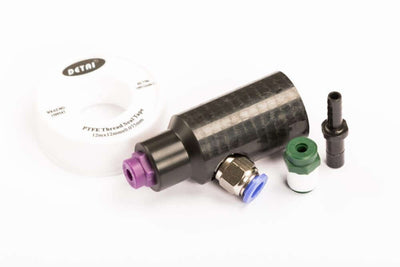
Professional applicators often use purpose-made low-pressure equipment to improve control and reduce waste. SoftWash UK’s soft washing equipment range includes tools designed for more controlled exterior cleaning application compared with improvised set-ups.
Mistake 8: Cleaning in the Wrong Weather
Weather can make or break a roof cleaning job. Rain can dilute or wash away treatment before it has had sufficient dwell time. Wind can cause overspray and increase risk to neighbouring property, pedestrians and plants. Strong sun can dry products too quickly and reduce effectiveness.
Plan roof cleaning around suitable conditions rather than forcing the job into the diary. Contractors should build flexibility into scheduling and explain to customers why postponing can be the professional decision.
| Weather Condition | Risk | Best Practice |
|---|---|---|
| High wind | Overspray and poor application control | Postpone or restrict work to safe, sheltered areas |
| Heavy rain | Reduced dwell time and run-off issues | Wait for more stable conditions |
| Strong direct sun | Rapid drying and uneven results | Work in cooler periods where possible |
| Frost or ice | Slip risk and poor treatment performance | Do not proceed until conditions are safe |
Mistake 9: Not Clearing Gutters and Valleys Properly
Roof cleaning often dislodges moss, silt and debris. If gutters, valleys and downpipes are not checked, the job may look complete from ground level but cause drainage problems later.
Blocked gutters can overflow onto fascia boards, walls and paths. Blocked valleys can hold water and increase the risk of ingress during heavy rain. On commercial and facilities sites, poor drainage can also create slip hazards around entrances and pedestrian routes.
Good practice after roof cleaning
- Inspect gutters before and after cleaning.
- Remove moss and debris from valleys and outlets.
- Check downpipes are flowing freely.
- Flush or rinse affected areas where appropriate.
- Photograph completed drainage details for the customer or site file.
Mistake 10: Quoting Without a Proper Survey
For contractors, one of the biggest business mistakes is quoting roof cleaning from a single photo or a quick glance from the driveway. Roof cleaning costs depend on access, pitch, roof condition, surface type, contamination level, drainage, site protection requirements, waste handling and time on site.
A proper survey helps prevent underpricing, unsafe methods and disappointed customers.
Roof cleaning survey checklist
- Identify the roof material and approximate age.
- Check pitch, height, access points and ground conditions.
- Look for fragile surfaces, roof lights, solar panels and conservatories.
- Assess moss depth, lichen, algae and staining.
- Inspect gutters, valleys, downpipes and water butts.
- Identify sensitive areas such as ponds, borders, vehicles and neighbouring properties.
- Decide whether the work can be done safely and what access equipment is required.
- Document the proposed method, exclusions and expected outcomes.
Where contractors want a structured foundation in method selection, safety thinking, chemical application and professional standards, the SoftWash UK training course is designed to support responsible softwashing practice rather than guesswork.
A Better Step-by-Step Approach to Roof Cleaning
The correct method depends on the roof, but the following framework gives contractors, facilities managers and serious DIY users a safer and more professional starting point.
- Survey the roof and surroundings. Identify material, defects, access restrictions, contamination and run-off routes.
- Choose the safest practical access method. Do not rely on ladders where a safer working platform is required.
- Prepare the site. Move items, protect plants, manage water butts, set exclusion zones and brief anyone on site.
- Remove heavy moss where appropriate. Use low-impact methods that minimise damage to tiles and drainage systems.
- Select a suitable cleaning or biocidal treatment. Follow product instructions, SDS guidance and COSHH controls.
- Apply under control. Use suitable low-pressure equipment and avoid drift, overspray and unnecessary saturation.
- Allow correct dwell time. Do not rush the process or rinse prematurely unless the product instructions require it.
- Manage rinse-down and run-off. Protect nearby surfaces, drains, plants and sensitive areas.
- Clear gutters and check details. Ensure drainage routes are not blocked by debris.
- Communicate aftercare. Explain progressive cleaning, expected timescales and future maintenance.
Myths About Roof Cleaning
Myth: A pressure washer is always the fastest and best option
Pressure washing can be fast, but fast does not always mean suitable. On many roofs it increases the risk of damage, water ingress and surface erosion. Method selection should be based on the roof, not the tool you happen to own.
Myth: Stronger chemicals always clean better
Over-strength application can create unnecessary safety and surface risks. Professional exterior cleaning is about correct diagnosis, controlled application and responsible handling.
Myth: Moss is only cosmetic
Moss can hold moisture, block gutters and contribute to drainage problems. It should be managed properly, especially on roofs with valleys, shallow pitches or overhanging trees.
Myth: Roof cleaning is a simple DIY weekend job
Some low-level maintenance tasks may be manageable for competent homeowners, but roof cleaning involves height, chemicals, fragile materials and run-off risks. Many jobs are better left to trained professionals with suitable equipment and insurance.
Want to Understand Professional Roof Softwashing Properly?
If this is an area you want to understand properly, you can start by accessing the free SoftWash UK course preview. It includes selected lessons from the full training course and is designed to help contractors see whether professional softwashing training is the right next step.
Frequently Asked Questions
What is the biggest mistake homeowners make when cleaning a roof?
The biggest mistake is using excessive pressure without understanding the roof material or condition. This can damage tiles, force water beneath laps, disturb pointing and shorten the life of the roof surface. A professional survey should always come before method selection.
Is softwashing better than pressure washing for roof cleaning?
Softwashing is often more suitable where the main problem is organic growth such as algae, moss residue or lichen. Pressure washing may give an instant visual result but can be too aggressive for some tile and slate roofs. The best method depends on the roof type, condition, access and customer expectations. SoftWash UK’s guide on softwashing better than pressure washing explains this comparison in more detail.
Can roof cleaning cause leaks?
Yes, roof cleaning can contribute to leaks if water is forced under tiles, if damaged roof details are disturbed, or if fragile materials are walked on. This is why access planning, low-pressure techniques, careful inspection and avoiding upward spraying angles are important.
Should moss be removed before applying a roof treatment?
Heavy moss is often removed first so the treatment can reach the roof surface more effectively. However, removal should be done carefully to avoid damaging tiles and blocking gutters. A suitable treatment can then address remaining biological growth.
Do roof cleaning chemicals damage plants?
They can if used carelessly. Professional operators should identify sensitive planting, pre-wet where appropriate, control run-off, avoid overspray and follow product guidance. Responsible site protection is a key part of roof softwashing.
How often should a roof be cleaned?
There is no single answer. It depends on the roof material, surrounding trees, shade, moisture levels, previous treatment and local environment. Some roofs may need periodic maintenance every few years, while others remain clean for longer after correct treatment.
Conclusion: Roof Cleaning Is a Skilled Exterior Cleaning Process, Not a Quick Blast-Off Job
The biggest roof cleaning mistakes usually come from rushing the job, using too much pressure, choosing chemicals without proper knowledge, ignoring safety and failing to plan for run-off, access and aftercare. These errors can damage property, put people at risk and leave customers disappointed.
A better approach is to survey first, select the least damaging effective method, use controlled softwashing where appropriate, protect the site, work safely at height and communicate realistic results. For contractors and property professionals, this is what separates professional roof cleaning from risky guesswork.
SoftWash UK supports the exterior cleaning industry with professional softwashing chemicals, equipment, training and educational resources. If you want to improve your roof cleaning knowledge, reduce costly mistakes and work to a more professional standard, explore the SoftWash UK Knowledge Centre, training options and product range for safer, more responsible exterior cleaning.