Is Roof Cleaning Worth the Money?
Roof cleaning is worth the money when it addresses a genuine maintenance problem, such as heavy moss growth, repeated gutter blockages or organic staining on an otherwise serviceable roof. It is less worthwhile when the roof needs repairs or replacement, or when the proposed cleaning method risks damaging the covering.
The value comes from choosing the right work for the roof—not simply making every tile look new. A sound roof with thick moss shedding into gutters may justify cleaning. An ageing roof with slipped tiles, failing flashings and active leaks needs a roofer’s assessment first.
For UK exterior cleaning contractors, property maintenance professionals and facilities managers, the key question is: what measurable benefit will the customer receive for the total cost? This guide explains how to assess that benefit, compare methods and avoid spending money on inappropriate treatment.
What Does Roof Cleaning Actually Achieve?
Roof cleaning removes or treats unwanted material on the roof covering. Depending on the agreed specification, that can include moss, algae, lichen, loose debris and associated gutter clearance.
These are different tasks. Removing bulky moss gives an immediate physical result. Treating remaining biological growth may produce a slower visual improvement as dead material weathers away.
Professional softwashing uses suitable cleaning solutions and controlled, low-pressure application rather than relying on high-pressure water alone. However, low pressure does not automatically make a treatment suitable for every roof: material compatibility, chemical selection and runoff management still matter.
The Main Benefits
- Less loose moss entering gutters: removing substantial growth can reduce one source of recurring debris, although leaves and other material still need managing.
- Improved appearance: cleaning can make a marked difference to a stained or moss-covered roof.
- Better visibility of the covering: removing growth can expose previously obscured defects for assessment by a roofer.
- More planned maintenance: an agreed inspection and gutter-checking schedule is usually more useful than waiting for overflow or complaints.
Cleaning does not repair cracked tiles, renew underlay, correct defective flashings or make an unsound roof watertight. Contractors should make that distinction clear before quoting.
When Is Roof Cleaning Good Value?
| Roof condition or problem | Likely value of cleaning | Best next step |
|---|---|---|
| Sound covering with heavy moss repeatedly entering gutters | Often worthwhile as part of planned maintenance | Survey the roof, assess access and specify suitable moss removal and treatment |
| Light staining with no drainage or maintenance issue | Mainly cosmetic | Decide whether the appearance improvement justifies the cost |
| Leaks, slipped tiles or damaged flashings | Cleaning is not the immediate priority | Arrange a roofing assessment and necessary repairs first |
| Fragile, heavily deteriorated or potentially asbestos-containing covering | Routine cleaning may be unsuitable | Obtain specialist advice before disturbing the material |
| Serviceable roof on a managed property with recurring debris problems | Potentially worthwhile within a wider maintenance plan | Compare cleaning with recurring clearance costs and site disruption |
Consider a shaded tiled roof beneath mature trees. If substantial moss regularly collects in the gutters, removing the bulk growth and managing regrowth may reduce that particular maintenance burden. It will not stop autumn leaves accumulating, so gutter inspections remain necessary.
By contrast, cleaning a lightly discoloured roof solely to prevent an unspecified future failure is difficult to justify. A credible recommendation should identify the actual problem rather than rely on alarming claims about moss.
How Much Does Roof Cleaning Cost in the UK?
For early budgeting, professional roof cleaning on a typical house may cost from several hundred pounds to a few thousand pounds. This is a broad illustration, not a fixed national tariff: roof size, access arrangements, condition and the scope of work can change the total substantially.
A small, accessible roof needing limited treatment is a very different job from a tall, complex roof requiring extensive moss removal, scaffold access and carefully controlled drainage. Commercial buildings and difficult-access sites need individual assessment.
What Should a Roof Cleaning Quote Include?
- Roof covering, approximate area and visible condition.
- Proposed cleaning method and any limitations.
- Whether bulk moss removal is included.
- Specified treatment and expected timescale for results.
- Safe access, edge protection and any specialist access costs.
- Gutter clearance, downpipe checks and waste handling.
- Protection of planting, neighbouring property and sensitive surfaces.
- Runoff controls and any necessary permissions.
- VAT status, exclusions and follow-up arrangements.
A cheaper quote may exclude access equipment, gutter clearance or treatment of remaining growth. Conversely, a higher price does not prove that the proposed method is appropriate. Compare the written specification, not just the headline figure.
Calculate Value Over a Realistic Maintenance Period
As an example, a £1,200 clean assessed over four years represents £300 a year before any follow-up inspections or treatments. That calculation helps compare options; it is not evidence that the result will last four years.
Facilities managers should also consider access coordination, occupant disruption, contractor mobilisation and whether other compatible maintenance can be completed during the same access window.
Which Roof Cleaning Method Offers the Best Value?
The best-value method achieves the agreed result without imposing unnecessary risk on the roof, people or surrounding environment. It should follow the roof covering manufacturer’s guidance wherever available.
| Method | Where it may help | Main limitations |
|---|---|---|
| Careful mechanical moss removal | Removing substantial moss before further treatment | Unsuitable tools, force or access can damage tiles; removal alone does not reliably control regrowth |
| Low-pressure chemical treatment | Treating compatible biological growth on suitable coverings | Requires appropriate product selection, lawful use, exposure controls and runoff management |
| Pressure washing | Some robust coverings where manufacturer guidance and condition permit | Can damage surfaces or drive water beneath coverings if unsuitable or poorly controlled |
| Specialist steam or temperature-controlled cleaning | Selected projects following material-specific assessment | Heat, pressure, access and operator competence still require careful control |
The practical difference between softwashing vs pressure washing is not simply “gentle” versus “powerful”. It is how the process removes contamination and what risks it creates on that particular substrate.
For many heavily mossed tiled roofs, careful bulk removal followed by a suitable treatment is a sensible option to assess. It should not become a standard prescription for every roof.
Why Equipment Selection Matters
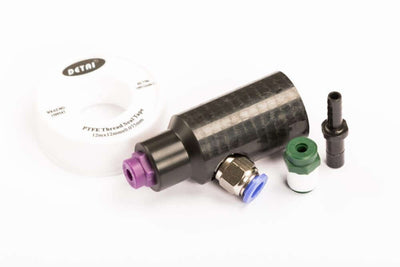
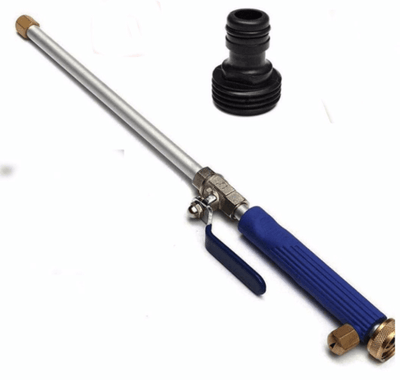
Controlled delivery helps operators apply treatment where intended and limit unnecessary spray. Suitable poles, nozzles, pumps and chemical-compatible components can improve consistency, but reach alone does not make a working position safe.
When comparing professional softwashing equipment, consider application control, hose management, maintenance requirements and compatibility with the chosen product—not just flow rate or maximum reach.
Does Roof Cleaning Prevent Damage or Extend Roof Life?
Removing heavy growth can support sensible maintenance, particularly where debris is affecting gutters or accumulating around drainage details. However, there is no reliable universal figure for how many extra years cleaning adds to a roof.
Moss can retain moisture and obscure defects, but its presence does not automatically mean the roof is failing. Roof performance also depends on the covering, pitch, fixings, underlay, detailing, exposure and existing condition.
Claims such as “cleaning doubles roof life” or “all moss causes leaks” are not a sound basis for a buying decision. A contractor should explain what is visible, what cleaning can address and what requires a qualified roofer.
Likewise, cleaning may improve sale presentation, but it does not guarantee a higher property valuation or a financial return on sale.
How Long Will a Clean Roof Stay Clean?
There is no fixed lifespan for a roof clean. Appearance and regrowth depend on shade, moisture, nearby vegetation, roof texture, exposure and the treatment used.
A sheltered north-facing slope beneath trees may develop visible growth sooner than an exposed, sunnier slope on the same building. Contractors should avoid promising identical performance across both elevations.
Some treatments work gradually. Dead moss or lichen residues can remain visible while weathering takes place, so customers need realistic expectations about both immediate results and longer-term appearance.
SoftWash UK’s guide to how long does softwashing last explains the factors that influence durability. Agree inspection points based on site conditions rather than selling a fixed retreatment schedule without checking whether it is needed.
How to Decide Whether a Roof Is Worth Cleaning
- Define the objective. Is the problem appearance, substantial moss, recurring gutter debris or a wider maintenance concern?
- Assess the covering. Identify the material, visible defects and any manufacturer restrictions. Refer roofing concerns to a roofer.
- Assess access and surroundings. Consider height, fragility, neighbouring property, public routes, planting, drainage and nearby water.
- Compare suitable methods. Choose a process that addresses the problem without unnecessary mechanical or chemical exposure.
- Obtain a complete price. Include access, protection, clearance, waste handling and any agreed follow-up.
- Agree the outcome. Record what should improve immediately, what may weather gradually and what is excluded.
- Plan aftercare. Use periodic inspections and gutter checks to decide whether further intervention is justified.
For contractors, photographs taken before quoting are particularly useful. They help record pre-existing defects, explain different conditions across roof slopes and prevent an appearance-led discussion from becoming an unsupported repair promise.
Safety and Compliance Are Part of the Cost
A low price achieved by omitting safe access or environmental controls is not good value. Roof work combines fall hazards, potentially fragile surfaces, chemical exposure and risks to people below.
Work at Height
Apply the Work at Height Regulations hierarchy: avoid work at height where reasonably practicable, then prevent falls and minimise their consequences. Do not assume a roof is safe to walk on because its tiles appear intact.
Rooflights and fragile coverings need particular attention. Depending on the task, suitable arrangements may involve scaffold, edge protection or a mobile elevating work platform, together with competent operators and an appropriate rescue plan.
For serious DIY users, roof cleaning is not a suitable ladder-and-pressure-washer experiment. If the work requires roof access or presents uncertain chemical or drainage risks, use a competent contractor.
Chemical Selection and Environmental Protection
Different softwashing chemicals have different purposes, hazards and application requirements. Where a product is used as a biocide, check its legal supply and use status for the location and intended application, and follow the applicable label conditions.
A COSHH assessment must consider the actual task, exposure routes and controls. A safety data sheet provides essential information, but it is not a completed COSHH assessment or proof that a product suits a particular roof.
- Never mix hypochlorite products with acids, ammonia or incompatible cleaners.
- Use only compatible additives permitted by the product instructions.
- Plan protection for people, pets, planting and sensitive materials.
- Identify drainage routes and prevent unauthorised chemical discharge or pollution.
- Follow label requirements for dilution, application, contact time and any rinsing.
When exploring professional softwash chemical options, select for the substrate, target growth and permitted use rather than choosing the strongest available formulation.
SoftWash UK’s exterior cleaning RAMS pack can help structure planning. Any template still needs adapting to the property, personnel, access method, products and environmental conditions.
Common Mistakes That Reduce Value
Treating Cleaning as a Roof Repair
A cleaner should not promise to cure leaks through moss removal. Identify repair needs before work and keep the cleaning specification separate from roofing repairs.
Promising an Instant, Uniform Finish
Weathered tiles, permanent discolouration and lichen residues may remain visible. Explain likely results, and use a representative test area where appropriate and safe.
Assuming Every Roof Needs Pressure Washing or Coating
Neither is automatically necessary. Any proposed coating needs its own technical justification, compatibility checks and consideration of manufacturer guidance.
Ignoring Cleanup and Aftercare
Moss left in gutters, debris on neighbouring property or unmanaged runoff can undermine an otherwise competent job. These tasks belong in the original specification.
For contractors wanting to strengthen their assessment and working methods, you can try selected lessons from the SoftWash UK course for free. The preview offers a low-commitment way to explore the teaching style and professional approach before considering the full programme.
Frequently Asked Questions
Is It Worth Removing Moss from a Roof?
Often, yes—particularly when substantial moss repeatedly falls into gutters or obstructs inspection. Light growth may not justify immediate work. Assess the roof’s condition, the maintenance problem and the risks of removal first.
Can Roof Cleaning Damage Tiles?
Yes. Excessive pressure, aggressive scraping, unsuitable chemicals and foot traffic can cause damage. A suitable method, competent operator and sound access plan reduce risk but do not make every covering cleanable.
Is Roof Cleaning Better Than Roof Replacement?
They address different needs. Cleaning may suit a serviceable roof with organic growth. Replacement may be required where the covering or wider roof system has reached the end of its useful life. Cleaning cannot substitute for necessary renewal.
How Often Should a Roof Be Cleaned?
There is no universal interval. Inspect periodically and clean when the condition justifies it. Shaded roofs near trees may need attention sooner than exposed roofs, but repeated treatment should still be based on evidence and product requirements.
Will Roof Cleaning Stop Gutters Blocking?
It can reduce blockages caused by loose roof moss, but it will not prevent leaves, twigs or other debris entering gutters. Continue routine gutter inspections and clearance.
Should I Choose the Cheapest Roof Cleaning Quote?
Only if it provides a suitable method and a comparable scope. Check access, insurance appropriate to the work, protection measures, cleanup, treatment details and exclusions before comparing price.
The Verdict: Roof Cleaning Is Worthwhile When the Specification Is Right
Roof cleaning can be money well spent on a serviceable roof with substantial moss, recurring debris problems or an appearance issue the owner wants to address. It is poor value when it delays essential repairs, uses an unsuitable method or promises results the roof cannot deliver.
For contractors and facilities managers, the strongest approach is straightforward: establish the problem, inspect the covering, specify safe work and agree realistic results. That creates a defensible maintenance decision rather than a cosmetic sales pitch.
SoftWash UK supplies professional softwashing chemicals, equipment and education to support that approach. If roof cleaning is part of your service offering, explore the SoftWash UK softwash training course to develop the knowledge behind better assessments, safer working methods and clearer customer advice.