The Safe Way to Clean Coloured Render
The safest way to clean coloured render is to identify the render system, check its condition and manufacturer’s guidance, then use a compatible, low-pressure cleaning method tested on an inconspicuous area. Where algae and other biological growth are responsible for the staining, carefully controlled softwashing is often suitable. High-pressure washing, aggressive brushing and unsuitable chemicals can damage the finish or leave permanent colour differences.
There is no single chemical mixture or pressure setting that is safe for every rendered wall. Through-coloured mineral render, silicone render, acrylic render and painted render can respond differently, particularly when weathered or previously repaired.
For UK exterior cleaning contractors, facilities managers and serious DIY users, the priority is straightforward: remove the contamination without damaging the surface, driving water into the building or creating an environmental incident.
Why Coloured Render Needs a Careful Approach
Coloured render combines a decorative finish with weather protection. Its colour may run through the render coat, sit within a thin decorative finish or come from an external paint coating.
Although these surfaces can look robust, their texture, pigments, binders and water-repellent properties vary. A method that works on one elevation may be unsuitable for another.
Identify the render before choosing the cleaner
| Render or finish | Main cleaning considerations |
|---|---|
| Through-coloured mineral or monocouche render | Often textured and absorbent. Aggressive washing can erode the surface, expose aggregate or produce uneven cleaning. |
| Silicone render | Frequently used as a thin-coat finish. Follow system-specific guidance to protect the texture and water-repellent properties. |
| Acrylic render | Compatibility depends on the coating formulation and its condition. Check restrictions on cleaners, brushing and water pressure. |
| Painted render | The paint becomes the cleaning surface. Check for chalking, poor adhesion, flaking and colour sensitivity. |
| Render over external wall insulation | Avoid damaging the thin finish or forcing water through joints, cracks and penetrations. Obtain the system supplier’s maintenance guidance. |
Brand names alone are not enough. A property described as having “K Rend”, for example, still needs its actual product, condition and maintenance requirements established.
Ask for installation records, warranty documents and previous cleaning information. Where these are unavailable, explain the uncertainty and test conservatively rather than assuming the wall will tolerate a standard treatment.
Diagnose the Staining Before You Treat It
Not every dark mark is algae, and not every pale patch is dirt waiting to be removed. Correct diagnosis prevents unnecessary chemical application and unrealistic promises.
- Green growth: commonly algae associated with shaded, damp or slow-drying surfaces.
- Red or orange biological staining: may occur on persistently damp elevations, but should not automatically be confused with rust.
- Black staining: may involve biological growth, atmospheric soiling or run-off deposits.
- White deposits: may be efflorescence or other mineral deposits rather than biological contamination.
- Brown streaks: may come from metal fixtures, timber, overflowing gutters or contaminated run-off.
- Uneven colour: may reflect repairs, weathering, coating failure or previous cleaning damage.
A shaded north-facing wall beneath an overflowing gutter is a familiar example. Cleaning can remove biological growth, but it will not fix the continuing moisture source. Report the gutter defect and arrange repairs before treatment where practical.
Likewise, a repaired section may remain a different shade after cleaning. Record this before starting so the customer understands the difference between removing contamination and restoring a uniform decorative finish.
Is Softwashing Safe for Coloured Render?
Softwashing uses controlled, low-pressure application of a suitable cleaning treatment rather than relying on force to strip contamination away. It is often appropriate for biological staining on sound render, provided the treatment is compatible with the finish.
Low pressure alone does not make the process safe. Chemical selection, application rate, contact time, weather, rinsing and run-off management all matter.
| Method | Potential use | Main limitation |
|---|---|---|
| Gentle water cleaning | Loose dust and light surface dirt where the manufacturer permits it. | May not adequately address established biological growth. |
| Compatible softwash treatment | Algae and other biological contamination on suitable, sound render. | Incorrect chemistry or application can affect colour, coatings, plants and neighbouring materials. |
| Soft-brush agitation | Localised assistance where the finish and cleaning instructions allow it. | Excessive brushing can abrade texture or leave visible marks. |
| Pressure washing | Only where expressly permitted by the render manufacturer under specified conditions. | Can scar the finish, expose aggregate and force water into defects. |
For a fuller explanation of the methods, read the SoftWash UK Knowledge Centre guide to softwashing vs pressure washing. On delicate render, more cleaning force is not automatically more effective cleaning.
Choosing Chemicals Without Risking the Finish
Choose a product for the identified contamination and substrate, not simply because it is a familiar exterior cleaner. Check the current label, technical information, safety data sheet and render manufacturer’s requirements.
Oxidising treatments and biocidal treatments are not interchangeable
Sodium hypochlorite-based cleaners are used professionally for some organic staining and can produce relatively rapid visible results. However, unsuitable strength, prolonged contact or poor control can affect sensitive coatings, metals, planting and surrounding finishes.
Some non-oxidising biocidal treatments, including certain quaternary ammonium formulations, are intended to control biological growth with results developing over time. They are not automatically harmless to render, people or the environment, and their approved uses and rinsing requirements vary.
Where a product is used as a biocide, check that it is authorised or otherwise legally permitted for the intended use in the relevant UK jurisdiction. Do not assume every product described as a cleaner is approved for every biocidal application.
The Knowledge Centre explanation of softwashing chemicals provides useful background. When reviewing professional softwash cleaning products, prioritise documented suitability over claims about strength or speed.
There is no universal safe dilution for coloured render
A standard ratio cannot account for different product concentrations, render finishes, staining levels or application conditions. Follow the product instructions and manufacturer’s limits, then verify the proposed method through testing.
Never mix hypochlorite with acids, ammonia or other cleaning products. Do not improvise additives or assume that a fragrance makes chemical exposure safer. Only use combinations expressly supported by the relevant manufacturer.
Step-by-Step: Cleaning Coloured Render Safely
1. Survey the wall and record existing defects
Inspect the entire elevation, including window reveals, expansion joints, vents, sealants, flashings and service penetrations. Look for cracks, loose material, bulging, flaking paint and damp patches.
Photograph defects and colour differences. Do not treat unstable render as a routine cleaning job: arrange assessment or repair first. Cleaning cannot resolve failed render adhesion or water ingress.
2. Agree the scope and expected result
Specify whether the work covers biological staining, loose dirt or another identified contaminant. Exclude unresolved rust, mineral deposits and permanent colour variation unless separately assessed.
For facilities managers, agree access arrangements, occupant notifications and protection of entrances, ventilation openings and public routes. Record whether results should be assessed immediately or after a product-specific weathering period.
3. Prepare the risk assessment and protect the site
Contractors should complete a site-specific risk assessment, method statement and COSHH assessment where applicable. A safety data sheet supports the assessment; it does not replace it.
- Identify surface-water drains, foul drains, watercourses and sensitive planting.
- Plan containment, collection and lawful disposal of contaminated wash water.
- Protect vulnerable metals, glazing, painted joinery and neighbouring property.
- Restrict access and control hoses, slippery surfaces and spray drift.
- Select chemical-resistant gloves, eye protection, clothing and any respiratory protection required by the assessment.
- Provide suitable washing facilities and an emergency response plan.
Do not allow chemical wash water to enter surface-water drains or watercourses. Discharge to a foul sewer may require permission or consent from the sewerage undertaker; never assume it is acceptable. Dilution is not a substitute for lawful disposal.
The SoftWash UK exterior cleaning RAMS pack can help structure documentation, but it must be adapted to the actual site, products, equipment and working arrangements.
4. Complete a representative test patch
Choose an inconspicuous area that represents the actual finish and staining. If different elevations have different coatings or repairs, test each relevant surface.
Use the proposed application method, treatment instructions and rinsing process. Let the patch dry fully before assessing it; wet render can disguise colour changes.
Check for pigment transfer, texture changes, streaking, coating softening and differences in sheen. If there is an adverse reaction, stop and seek guidance rather than trying a stronger treatment.
5. Check the weather and establish safe access
Avoid conditions that cause uncontrolled drying, drift or freezing. Strong sunshine can shorten usable contact time, while wind can carry spray onto cars, pedestrians and neighbouring gardens. Follow the product’s temperature and weather restrictions.
Work from the ground where reasonably practicable. Chemical-compatible poles and controlled delivery equipment may reduce work at height, but their reach, handling and spray pattern still need assessing.
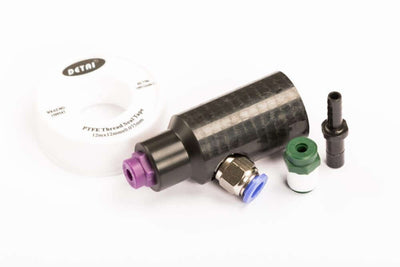
When selecting softwashing equipment, look for controllable flow, compatible components and a manageable spray pattern rather than maximum reach or output alone.
6. Apply the tested method in manageable sections
Follow the product instructions for application sequence, coverage and contact time. Control overlaps to avoid uneven exposure and streaking. Watch window ledges, downpipes and textured areas where liquid can collect or form concentrated run lines.
Do not let a treatment dry where its instructions require it to remain wet. Equally, do not keep adding chemical because staining has not disappeared instantly: some treatments work progressively.
Pre-wetting the render is not a universal requirement. Follow the particular render and product instructions, because unnecessary wetting may alter absorption or treatment performance.
7. Rinse or leave to weather only as instructed
If rinsing is required, use the lowest effective pressure permitted for the system. Avoid directing water into cracks, vents, joints or beneath vulnerable edges.
A leave-on treatment should only be left where its label permits that use and site conditions allow it safely. “Leave-on” does not remove the need to control exposure and subsequent run-off.
8. Review the dry finish and provide aftercare
Inspect once the wall has dried and any specified development period has passed. Compare with the test patch and pre-cleaning photographs.
Record the product used, application details, weather and any remaining defects. Recommend repairs, gutter maintenance or vegetation management where these will help the wall stay drier.
Common Mistakes That Damage Coloured Render
- Assuming through-coloured means damage-proof. Erosion changes the surface texture and appearance even when colour extends through the material.
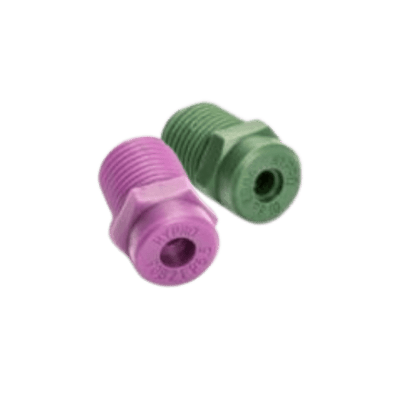
- Using a turbo nozzle to remove stubborn marks. Concentrated mechanical force can leave permanent scars.
- Treating every stain with the same cleaner. Mineral deposits, rust and coating failure require different assessment from algae.
- Judging the result while wet. A damp wall can conceal patchiness and pigment changes.
- Repeatedly strengthening the treatment. Persistent marks may not be biological, or may need time rather than additional chemical.
- Promising an “as new” finish. Cleaning reveals the underlying condition; it does not reverse fading, repairs or previous damage.
A particularly costly mistake is chasing a faint shadow on otherwise clean render. Before repeating treatment, establish whether it is residual contamination, a repair outline or permanent colour variation.
How Long Will Coloured Render Stay Clean?
Results depend on exposure, moisture, nearby vegetation, the render system and the treatment used. A sheltered, damp elevation may show renewed growth sooner than an open, well-drained wall.
Fix overflowing gutters, leaking downpipes and persistent splashback. Keep vegetation from resting against the facade and inspect shaded elevations periodically.
Avoid guaranteeing a fixed algae-free period without suitable evidence and clear conditions. The guide to how long does softwashing last explains the factors that influence maintenance intervals.
Build Your Knowledge Before Taking on Sensitive Render
Render cleaning requires more than knowing how to operate a pump. Contractors need to recognise substrate defects, understand chemical compatibility, control exposure and explain realistic outcomes to customers.
If you want to see how professional training is structured before committing, you can try selected lessons from the SoftWash UK course for free. The preview offers a useful introduction to the teaching style and professional approach before deciding whether full training is the right next step.
Frequently Asked Questions
Can you pressure wash coloured render?
Only where the render manufacturer permits it, using its specified method and limits. High pressure can erode the finish or force water through defects. A tested, compatible low-pressure method is often more appropriate for biological staining.
Will bleach remove the colour from render?
It can affect some pigments, paints and finishes, particularly when used incorrectly. Other surfaces may tolerate an approved hypochlorite-based treatment. Never assume compatibility: check the instructions and assess a fully dried test patch.
Can I clean silicone render myself?
Light, accessible cleaning may be suitable for a competent homeowner following the system’s maintenance instructions. Chemical treatment, extensive growth, uncertain finishes or work at height are good reasons to involve a suitably trained professional.
Why does the render look patchy after cleaning?
Possible causes include uneven drying, inconsistent treatment, existing repairs, weathering or surface damage. Allow the wall to dry fully before judging it, and do not automatically apply more chemical.
Does softwashing damage external wall insulation?
Incorrect cleaning can damage the finish or allow water into the system. Follow the insulation system supplier’s guidance and do not clean over unresolved cracks, failed seals or exposed insulation.
Should coloured render be sealed after cleaning?
Not automatically. Some systems already incorporate water-repellent properties, and an unsuitable sealer can change appearance, affect moisture movement or conflict with warranty conditions. Obtain system-specific approval before applying any protective coating.
Protect the Finish, Not Just the Appearance
Safe coloured render cleaning starts with diagnosis, not chemical strength. Identify the system, address defects, test the proposed method and control every stage from application to waste-water management.
SoftWash UK supplies professional softwashing chemicals, equipment and training to support informed, responsible working. If coloured render forms part of your maintenance work, explore the SoftWash UK softwash training course and choose products around verified substrate compatibility. The aim is a cleaner building without avoidable damage to its finish.